- Birth tourism remains a complex issue because no single official federal count exists in the U.S.
- The U.S. State Department tightened B visa rules in 2020 to prevent travel for birthright citizenship.
- Estimates vary widely between researchers, often mixing short-term visitors with long-term residents and students.
(UNITED STATES) Birth tourism means traveling to another country to give birth so the child can gain citizenship there under jus soli, or birthright citizenship. In the United States, that practice has become a political flashpoint, yet the hard numbers remain unsettled because there is no single official federal count of birth tourists.
The debate matters because visa rules, citizenship law, and public spending all meet in the same place. Families, immigration officers, hospitals, and lawmakers all read the same data very differently.

Birth tourism and the meaning of jus soli
Birth tourism is not the same as ordinary travel by a pregnant visitor. It refers to travel made specifically to give birth abroad so the child receives citizenship at birth. That is where jus soli comes in. Under jus soli, a child born on a country’s soil can receive citizenship automatically, unless local law limits that rule.
That citizenship incentive is what drives the controversy. In places that recognize broad birthright citizenship, the child gains a legal status that can later affect schooling, work, travel, and family reunification. Supporters call that a basic legal right. Critics see a built-in reward that can attract people planning a birth around immigration rules.
The numbers are uneven, and the methods are disputed
No government agency keeps a clean nationwide tally of birth tourism in the United States. Researchers rely on visa records, hospital data, census-style reporting, and academic estimates. That is why one headline figure can look very different from another.
A recent VisaVerge.com analysis highlighted the same problem: the data landscape is fragmented, and the word “tourist” often gets used too loosely. A woman on a short trip, a student, a worker, and a long-term resident are not the same thing. Yet some studies blur those categories together.
Canada’s recent figures and the North American comparison
Canada reported 5,219 tourism births in 2024. That was more than double the annual average seen during the pandemic lull and close to pre-pandemic levels. The figure shows that birth tourism remains visible in North America, even when travel patterns change.
The United States is far larger, but the picture is harder to pin down. Media reporting has cited about 9,500 births in 2024 to parents reporting a non-U.S. address. That figure is less than 1% of total U.S. births. It does not prove those parents traveled for birth tourism, but it shows the issue exists at a measurable level.
The Commonwealth of the Northern Mariana Islands reported 47 babies born to tourists in 2025. That small number shows how concentrated the issue can be in specific jurisdictions, especially where travel, visa policy, and local birth records intersect.
U.S. visa rules tightened in 2020
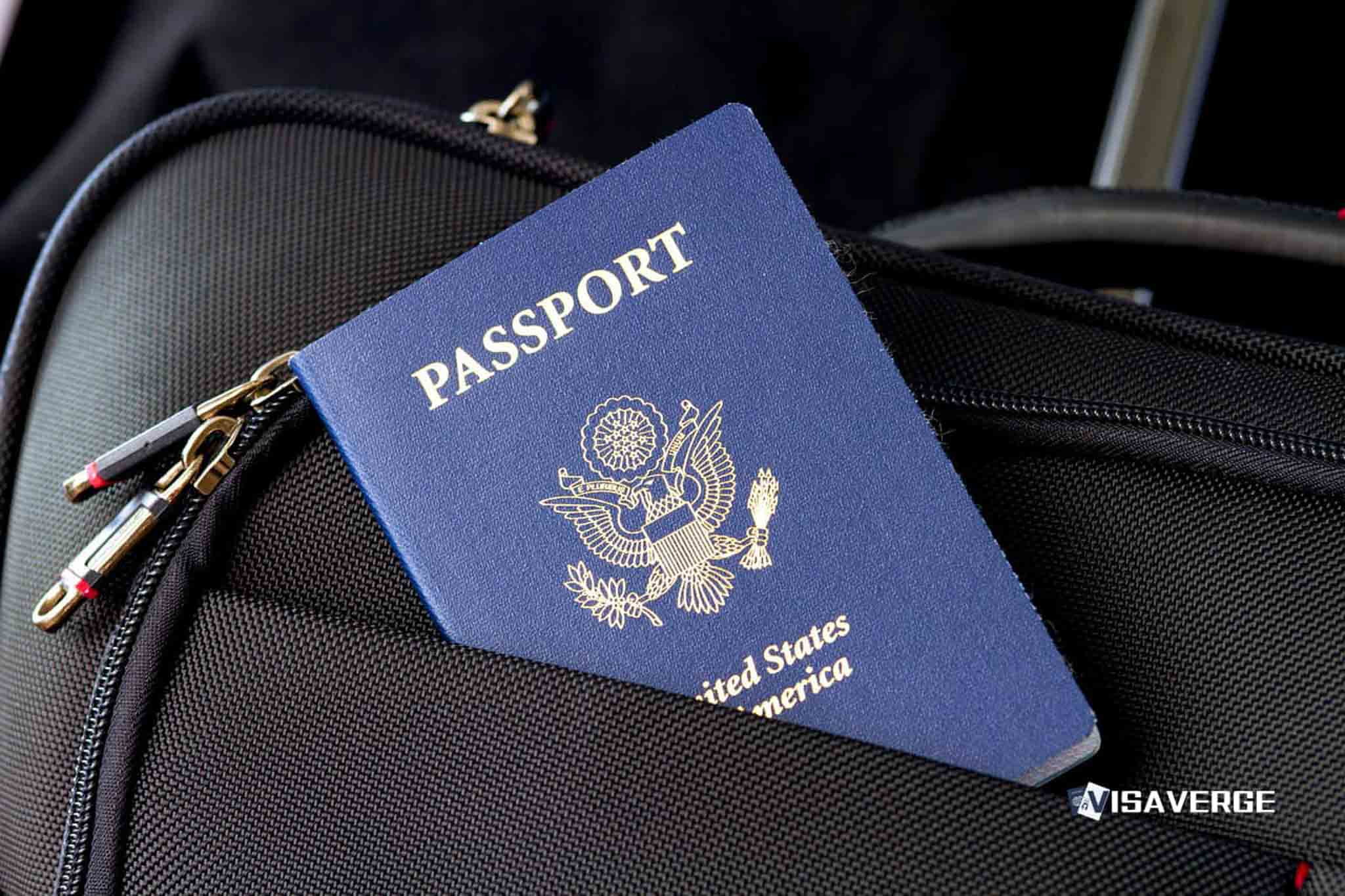
The State Department changed its position on January 24, 2020. Since then, travel for the primary purpose of giving birth in the United States to obtain U.S. citizenship for a child is treated as an impermissible basis for a B visa. A B visa covers temporary visitor travel for business or tourism. It is not meant for entry when the main goal is to deliver a child and secure citizenship.
That rule matters because it gives consular officers a clearer line to draw at the visa stage. The policy does not end all birth-related travel. It does signal that using a visitor visa mainly for delivery and citizenship is not allowed.
For official visitor visa information, the State Department’s page on the B-1/B-2 visa remains the clearest public reference point.
Why the estimates swing so widely
The Center for Immigration Studies once claimed 33,000 births annually to women on tourist visas. That figure drew heavy criticism from migration researchers. Their objection was simple: the estimate appears to count many women who were already living in the United States, not short-term visitors who came mainly to give birth.
A Niskanen Center analysis used the same broad data style and concluded the number would be fewer than 2,000 potential birth tourists. Its reasoning was that many women in the relevant data had already been in the country for years before delivery.
A Georgetown review cited CDC data showing 7,955 births by non-residents in 2012. Even then, the review stressed that there were no definite, specific statistics on people who came for birth tourism alone.
Those differences show why birth tourism is hard to measure with confidence. Researchers are often working with partial data and imperfect labels.
How each side reads the same facts
Supporters of tighter restrictions argue that birth tourism creates a business model built around citizenship access. They say it can encourage visa fraud and misuse of public services, especially when travelers hide their real purpose.
Critics respond that many public estimates overstate the problem. They argue the numbers often mix together short-term visitors, foreign students, temporary workers, and long-term residents who happen to give birth while in the country. From that view, the issue is real, but the headline figures are too blunt to support dramatic claims.
Researchers in both camps agree on one point: the lack of consistent nationwide data makes the phenomenon difficult to measure cleanly. That uncertainty drives much of the political noise around the issue.
What the current record shows for families and officials
For families, the practical reality is straightforward. A visitor visa is not a birth plan. U.S. officials have drawn a line around intent, and consular screening has become more alert to it.
For officials, the challenge is different. They must decide whether an applicant is traveling for ordinary temporary reasons or for the primary purpose of childbirth and citizenship access. Those judgments depend on interviews, travel history, and supporting documents.
For lawmakers, the numbers tell a more complicated story. Some figures suggest a wide pattern. Others point to a much smaller one. That gap keeps the debate alive.
Birth tourism, jus soli, and the B visa will stay linked in policy discussions because each touches the same question: who gets citizenship, and under what circumstances. The answer changes across countries, but the argument remains the same, and the data still do not settle it cleanly.