- The U.S. Department of Agriculture will reopen the Douglas port in Arizona to Mexican cattle starting August 24, 2026.
- Initial imports are restricted to low-risk animals from Sonora and Chihuahua following a thirteen-month closure.
- Stringent biosecurity measures include ivermectin treatments and physical screenings in thirty-foot pesticide dipping vats before entry.
The U.S. Department of Agriculture will reopen the Douglas port in Arizona to limited cattle imports from Mexico on August 24, 2026, after more than 13 months of closures aimed at stopping the New World screwworm.
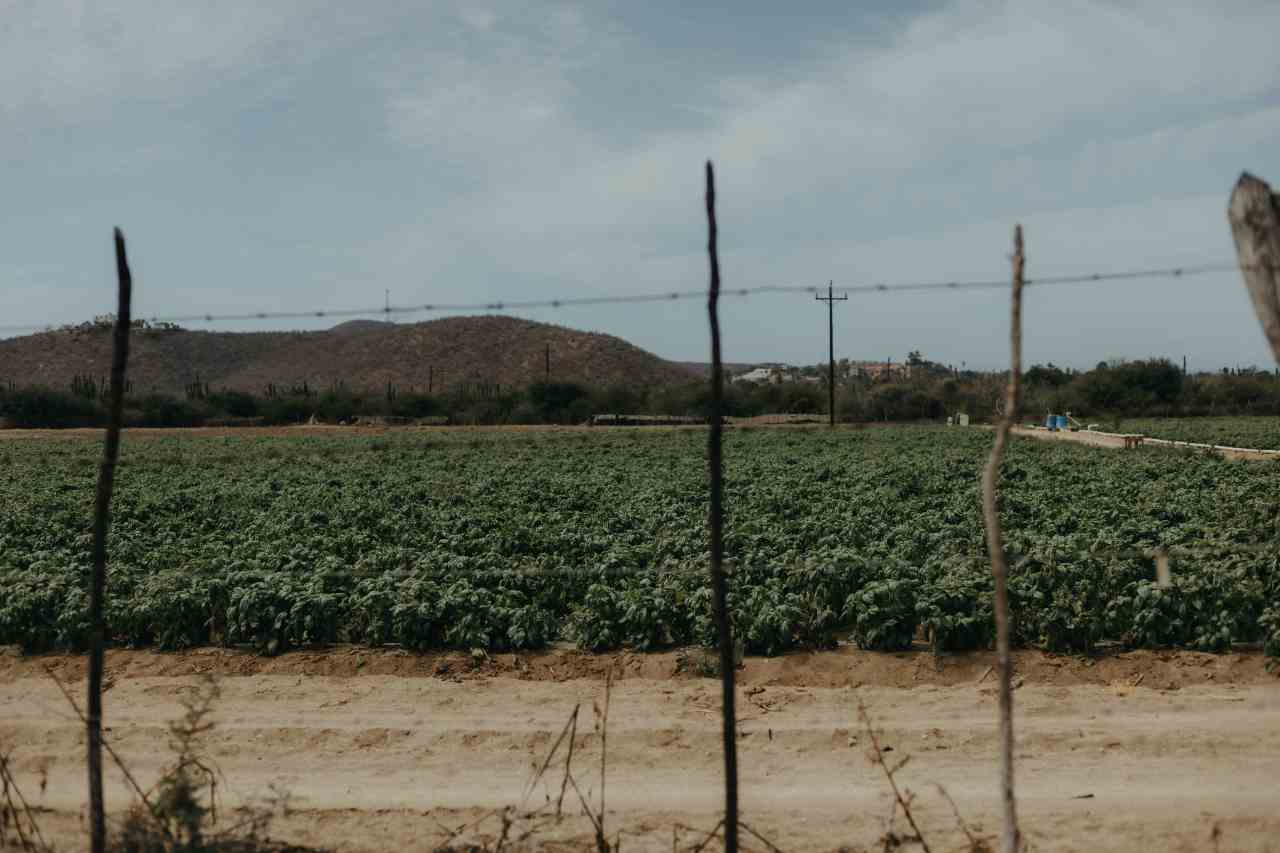
The restart will begin with animals linked to Sonora and Chihuahua, which the department considers low-risk states. Mexico must also follow a joint action plan before the phased reopening can continue.

The USDA announced the decision Friday, July 24, after the southern livestock ports closed in May 2025. The closure followed the spread of the flesh-eating parasite northward from Mexico.
Brooke Rollins, the agriculture secretary, credited coordination among federal, state, local and industry partners. She said the port could safely reopen in 30 days.
“Thanks to the work across the federal government as well as state, local, and industry partners, it is now safe to reopen the Douglas, Arizona, port in 30 days to resume the hundreds-year-old movement of cattle.”
The threat has not disappeared. The USDA said 42 animal cases had been recorded in the United States as of Friday, including 41 in Texas and one inactive case involving a dog in New Mexico.
The first reopening will cover two Mexican states and several inspections
The initial eligibility rules narrow the pool of animals that can enter. Cattle and bison must have been born and raised in Sonora or Chihuahua, or have received USDA-approved screwworm treatment before entering either state.
Animals will undergo parasite screening and treatment with Ivermectin. Mexican pre-export facilities must hold them for 3–5 days before shipment.
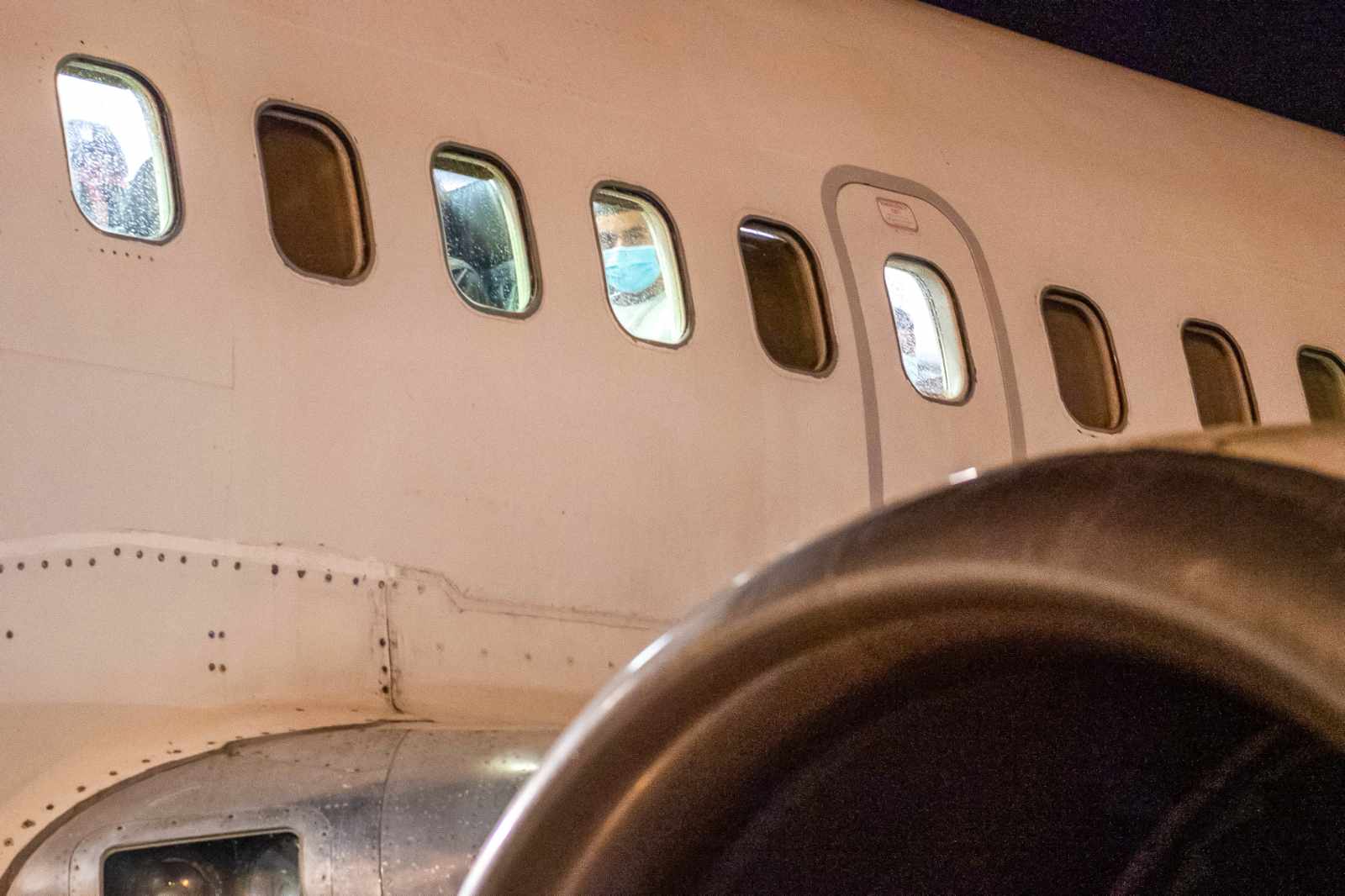
Border checks come next. Inspectors will conduct physical examinations in 30-foot-long pesticide dipping vats before the livestock enters the United States.
The USDA has outlined the reopening sequence below, subject to continued improvement in conditions:
| Port or stage | Planned date | Initial requirement or condition |
|---|---|---|
| Douglas port | August 24, 2026 | Eligible cattle and bison from Sonora or Chihuahua, or animals treated under USDA protocols before entering those states |
| Columbus, New Mexico | September 14, 2026 | Planned next reopening if conditions continue improving |
| Santa Teresa, New Mexico | September 21, 2026 | Planned next reopening if conditions continue improving |
The department said Columbus and Santa Teresa represent the next steps in the phased plan. Neither date guarantees an immediate expansion.
The parasite remains active in Mexico and the United States
Mexico had 1,792 active cases across 29 of its 32 states as of the July 24 update. The current outbreak was first detected there in November 2024.
The United States confirmed its first case on June 3, 2026. The nearest active detection to the Arizona port was approximately 325–350 miles away, based on a detection recorded July 22.
The parasite is a fly larva that burrows into the living tissue of warm-blooded animals, including humans. Untreated infestations can be fatal.
The USDA continues to classify the outbreak as an active biosecurity threat. New northern-Mexico detections or adverse findings from post-opening audits could stop the next stages of the reopening.
The agency has also directed resources toward prevention. It recently invested $3.74 million in the University of Arizona for detection and preparedness work.
On July 16, 2026, the Food and Drug Administration issued an Emergency Use Authorization for a drug intended to provide short-term prevention of screwworm in horses.
Ranchers support the decision while pressing USDA over the delay
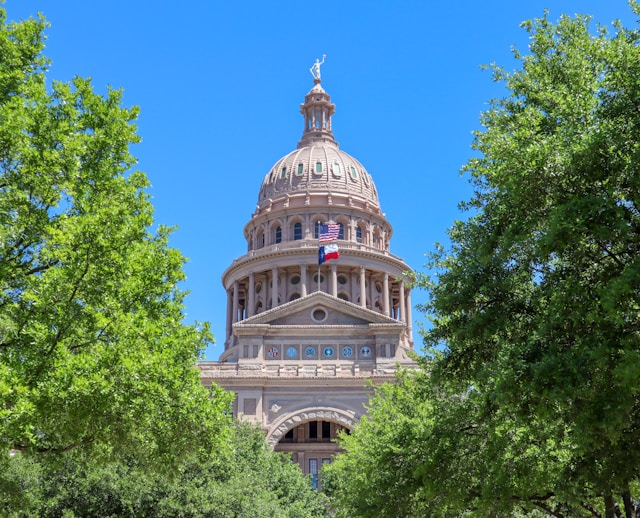
Sid Miller, Texas agriculture commissioner, backed the reopening but said officials should have acted sooner. He said the extended shutdown disrupted supply chains, created uncertainty and caused financial losses for Texas producers.
“Resuming cattle importation from Mexico is the right move for ranchers and American consumers, but it's a decision that should have been made sooner. The prolonged closure has already taken a toll on producers, disrupted supply chains, and created uncertainty.”
Texas ranching groups welcomed the phased approach. They also urged officials to keep safeguards in place as shipments resume.
Mexican cattle imports averaged 1.18 million head annually during the last decade before the shutdown. The reopening is intended to restore part of that long-running trade without immediately returning to unrestricted movement.
The economic pressure extends beyond individual ranches. Miller said producers had borne financial consequences during the prolonged closure, while the cattle industry adjusted to disrupted cross-border movement.
Mexico must meet five conditions before the restart expands
Mexico’s President Claudia Sheinbaum received a letter from Rollins and said on social media that Mexico would “accelerate its efforts” to prepare Sonora and Chihuahua for renewed cattle movement.
The joint action plan sets out five areas of work:
- Increasing sterile-fly production for biological control
- Strengthening protection along the border
- Managing wildlife migration
- Eradicating the pest in Mexico
- Maintaining food safety
The plan connects the initial port reopening to future decisions. Mexico’s compliance will determine whether the September dates proceed.
Colin Woodall, chief executive of the National Cattlemen’s Beef Association, said the coordinated response had created a basis for reopening gradually. He said the decision would help normalize operations in border states and the Southern Plains.
Some ranchers remain uneasy about the pace. Shad Sullivan, a rancher in Colorado and Texas, said the phased plan made him nervous even though the timing of the reopening had been uncertain.
“The phased border reopening makes me a bit nervous. however, I didn't know when [it would happen].”
The USDA will assess operations at the two New Mexico ports after the Arizona restart. Officials may pause additional openings if audits or new outbreaks in northern Mexico raise the perceived risk.