- CBP is revoking thousands of visas from Mexican truck drivers accused of violating domestic hauling rules.
- The enforcement focuses on illegal cabotage operations where B-1 visa holders transport freight between two U.S. points.
- Authorities are using integrated data systems between the DOT and CBP to identify and penalize violators.
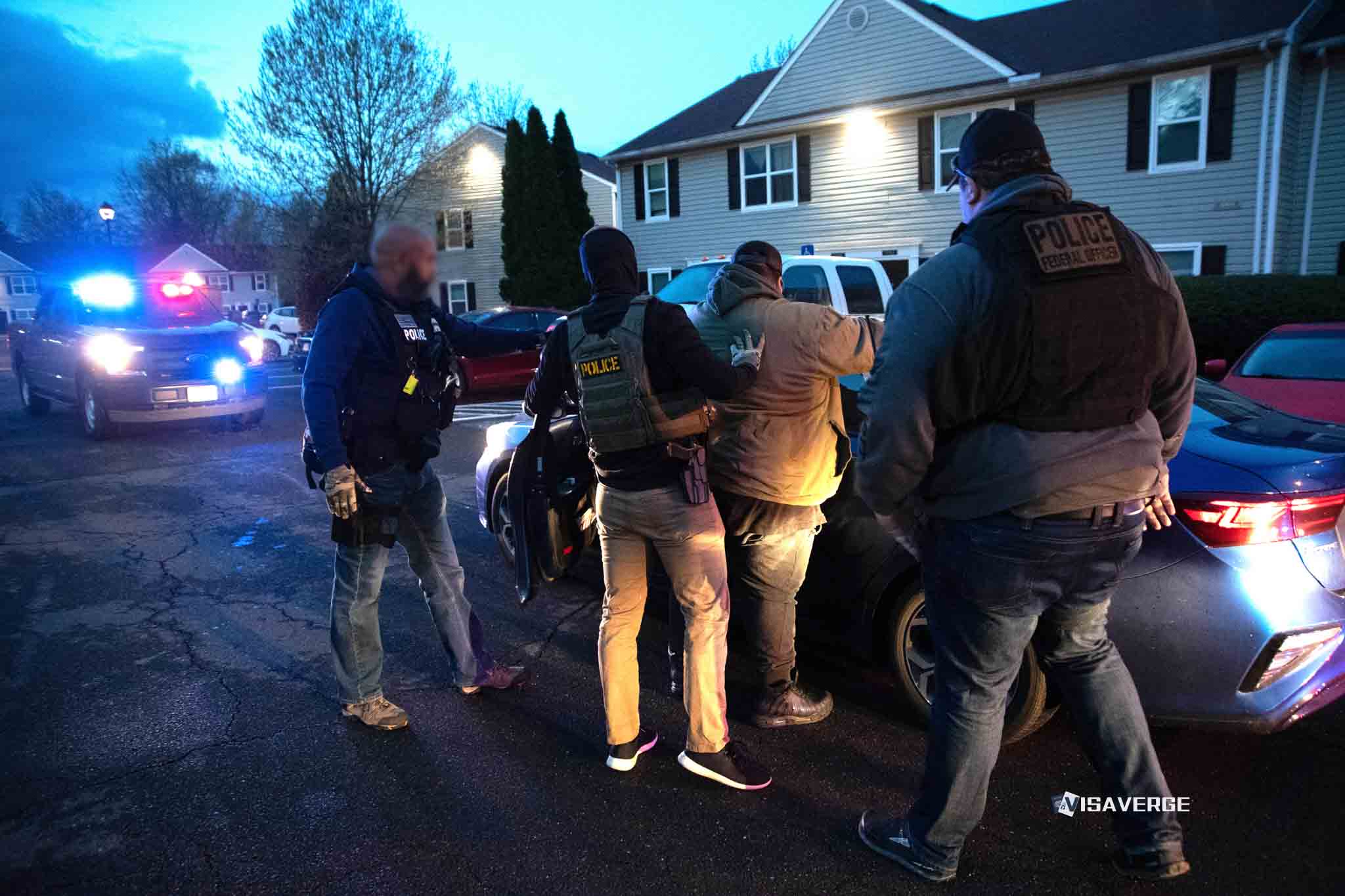
(ARIZONA AND CALIFORNIA) — U.S. Customs and Border Protection has revoked visas, seized trucks, made arrests and started deportation processing for Mexican truck drivers accused of hauling freight between two U.S. points in violation of cabotage rules.
The enforcement centers on drivers using B-1 business-visitor visas to move cargo in ways CBP treats as domestic U.S. transport, not cross-border trade. Under the visa rules described in the information, Mexican drivers can move freight between Mexico and the United States, but they cannot use those visas for domestic hauling inside the United States.
Free toolDS-160 Form Filling Online Helper Tool
One report cited over 3,200 Mexican truck drivers who lost U.S. visas after system integration between the Department of Transportation and CBP. Separate reporting described CBP revoking hundreds of visas in recent days, with enforcement activity in Arizona and California.
The cabotage crackdown has put a technical transportation rule at the center of immigration enforcement. It has also drawn attention to how border authorities are policing business visitor status for commercial drivers who cross regularly between Mexico and the United States.
Cabotage, in this context, refers to hauling goods between two points inside the United States. That activity is described as prohibited for Mexican truck drivers admitted on B-1 or B-1/B-2 visas, even though those drivers can lawfully carry freight across the border as part of international trade.
CBP treats domestic hauling on those visas as a violation and an abuse of visa privilege. That legal distinction, narrow on paper, has become the basis for visa revocations and other enforcement steps.
Arizona and California have emerged as the most visible settings in the current action. The reporting describes arrests, truck seizures and deportation processing in both states, though it does not break out totals by location.
The concentration in those states fits the geography of commercial border traffic. Arizona handles major cross-border freight flows from northern Mexico, while California, especially the San Diego-area crossings, sits at one of the busiest trade gateways on the U.S.-Mexico border.
At issue is not whether Mexican drivers can enter the United States for cross-border business activity. The issue is whether a trip that begins as international freight movement turns into domestic U.S. transport once a driver carries goods between two locations inside the country.
That distinction has long mattered in transportation law, but the current CBP enforcement push appears broader in scope. The number most often cited, over 3,200 visa losses, has circulated alongside the claim that data sharing between DOT and CBP made those cases easier to identify.
No official count appears here beyond that reported figure. The account ties the scale of the crackdown to DOT and CBP system integration, suggesting authorities now have a more direct way to compare border crossings and freight activity with visa limits.
Recent enforcement has moved beyond visa cancellation alone. The reporting says officers have taken trucks, arrested drivers and placed some into deportation processing, turning what might once have ended in an immigration warning into a more immediate operational and legal problem for carriers and drivers.
That shift matters at the border because trucking depends on timing. A visa revocation can remove a driver from service at once, and a truck seizure can sideline equipment that would otherwise be moving goods through ports of entry.
The Otay Mesa Chamber of Commerce warned that the crackdown could produce border delays and higher trucking costs. Otay Mesa is one of the busiest commercial crossings in California, and any disruption there can ripple through warehouse schedules, customs processing and regional freight rates.
The chamber’s warning points to a second layer of the dispute. Cabotage enforcement concerns immigration status and transport law, but it also touches the daily mechanics of cross-border commerce, where a delay at inspection or a sudden drop in available drivers can affect retailers, manufacturers and freight brokers.
Mexican truck drivers often operate in a narrow legal corridor under B-1 business-visitor visas. They can engage in certain business activity tied to international freight movement, but the information draws a clear line at domestic U.S. hauling between two U.S. points.
That line also explains why the current cases have drawn attention from lawyers and trade groups. The same trip can involve a lawful cross-border leg and, if authorities conclude the cargo movement became domestic, an alleged visa violation that triggers sanctions.
CBP enforcement in this area carries consequences beyond a single crossing. Once a visa is revoked, a driver can lose access to U.S. routes entirely, and a carrier can face scheduling gaps, cargo delays and added costs while it looks for replacement capacity.
The information does not suggest that every Mexican driver on a B-1 visa faces action. It describes a targeted campaign against drivers accused of cabotage violations, with the agency focusing on trips it views as domestic transport inside the United States.
How CBP identifies those trips has become part of the story. The reported link to DOT and CBP system integration suggests enforcement now relies less on isolated inspections and more on a broader data picture of vehicle activity, freight patterns or route histories.
That would mark a practical change in border policing. Cabotage restrictions are not new, but a stronger data match between transportation and border systems can make old rules easier to enforce at scale.
The numbers circulating in the crackdown have also raised questions that remain unresolved in public. One figure says over 3,200 drivers lost visas; another describes hundreds of visas revoked in recent days. Both point to a sizable operation, but they describe different windows of time.
Even with those limits, the pattern is clear: CBP enforcement has intensified, and Arizona and California have seen visible action. The cases involve more than a paperwork dispute over visa categories; they involve detention, equipment seizures and removal processing.
The crackdown also highlights the unusual overlap between immigration enforcement and freight regulation. A B-1 visa issue can begin with a trucking route, shift into a border inspection matter, and end with deportation processing.
That overlap helps explain why the legal debate has widened beyond the trucking sector. The information identifies three lines of follow-up that now stand out: a legal explainer on cabotage rules for Mexican drivers, a fact check on the 3,000+ visa-loss claim, and an immigration-law analysis of CBP revocation authority and due-process questions.
Each of those issues turns on the same core fact. Mexican drivers may carry freight across the U.S.-Mexico border on business visitor status, but CBP treats domestic hauling inside the United States as outside the terms of that permission.
That reading of the rules now sits behind the cabotage crackdown unfolding at the border. In Arizona and California, the result has been direct CBP enforcement against drivers whose work crosses not only an international boundary, but a legal one.