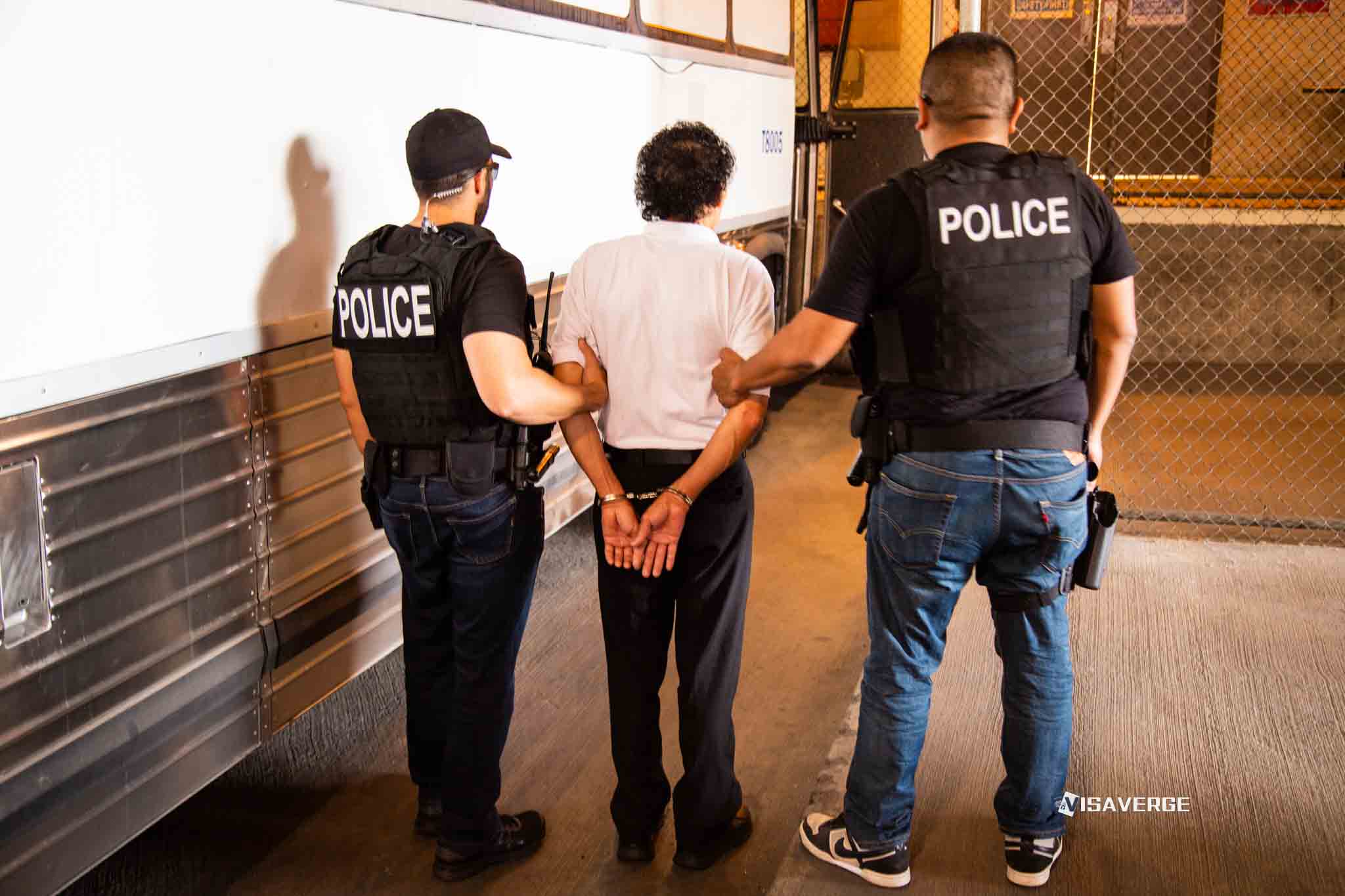
- Harris County certified U visas for witnesses to prevent deportation following the fatal ICE shooting of Lorenzo Salgado Araujo.
- Local officials claim they were stonewalled by federal agents during the initial evidence gathering in the Magnolia Park investigation.
- DHS mandated body-worn cameras for all ICE arrest teams immediately following the controversial Houston enforcement operation.
Harris County District Attorney Sean Teare announced July 15 that his office had certified U visas for three men who witnessed the fatal shooting of Lorenzo Salgado Araujo during an immigration enforcement operation in Houston. The paperwork seeks to prevent their deportation while the investigation continues.
The men were traveling with Salgado Araujo when an Immigration and Customs Enforcement agent shot him on July 7. One witness is Salgado Araujo’s brother. All three remain in ICE custody at a detention facility in Conroe, Texas.
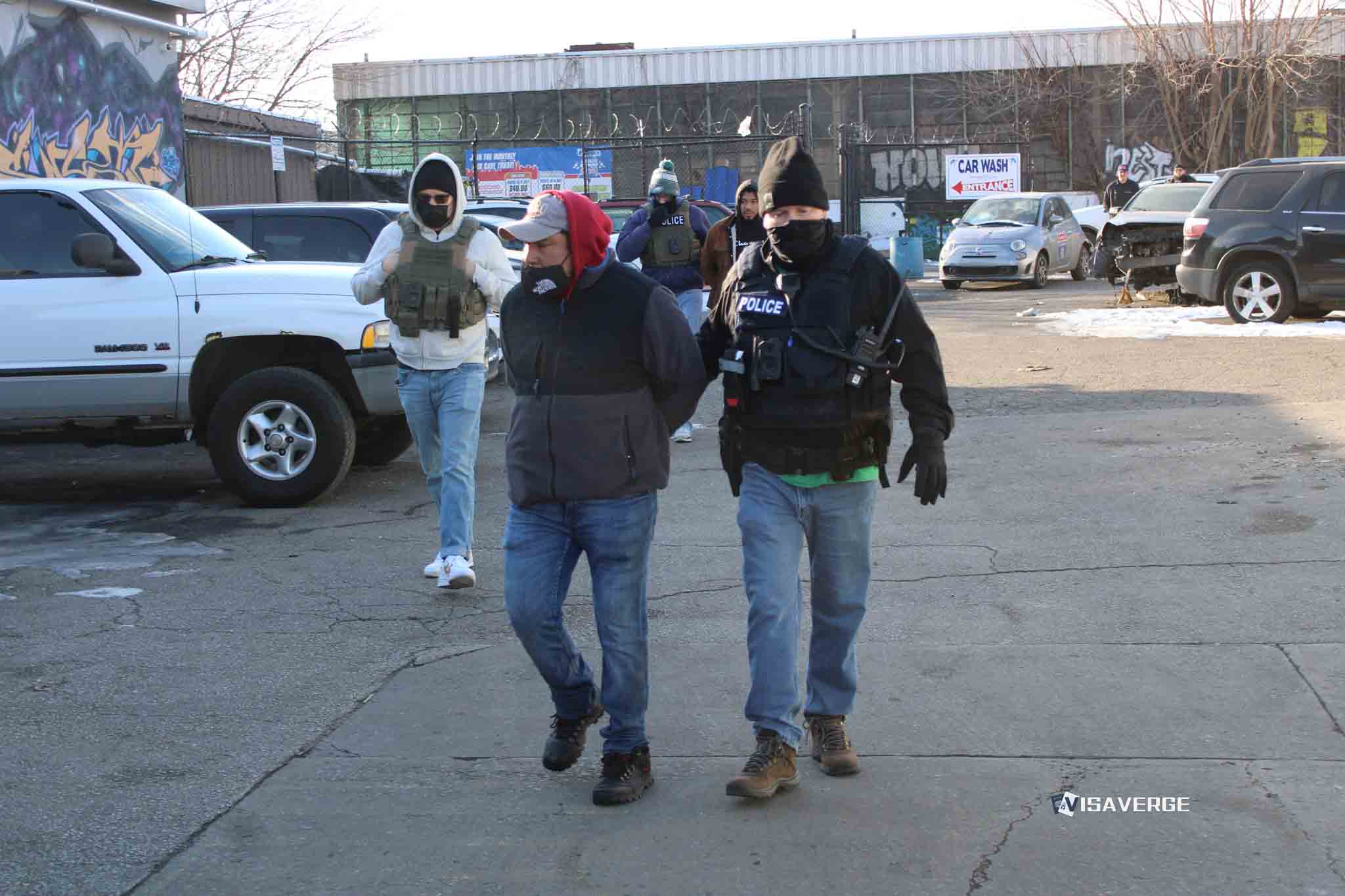
Their attorney, Hugo Balderas-Ibarra, disputes the federal account of the encounter. He says agents stood beside the vehicle rather than in front of it, and that the officer fired through the passenger window.
ICE says the officer acted in self-defense after Salgado Araujo allegedly rammed a law-enforcement vehicle. The agency says he had “weaponized his vehicle in an attempt to run over” an agent.
The shooting occurred at approximately 6:50 a.m. in the 6800 block of Canal Street, in Houston’s Magnolia Park neighborhood. Salgado Araujo was 52, a Mexican national and a construction business owner who had lived in the United States for 35 years without a criminal record.
His son, Ronaldo Salgado, a local teacher, said his father may have believed people targeting his tools were trying to rob him. Family members have protested and called for the release of surveillance or dashcam footage.
Four agencies are examining the shooting, while the Rangers have declined a request
The investigations involve separate local and federal responsibilities. The Texas Rangers were asked to participate but had declined as of July 14.
| Investigative body | Role or status |
|---|---|
| Harris County District Attorney’s Office | Independent criminal investigation |
| DHS Office of Inspector General | Federal probe into the shooting |
| FBI Houston field office | Investigation of an alleged assault on a federal officer |
| Texas Rangers | Requested by local officials; declined to intervene as of July 14 |
Teare said his office had been “stonewalled” and was not invited to participate in evidence gathering. He also criticized the tactics used by federal agents.
In a July 15 interview, Teare said ICE’s operational methods “in no way resemble” the conduct of police agencies he had worked with during his 20-year career. He made the comments as the county pursued its own account of the shooting.
“We will investigate it like we do all criminal investigations. We are good at identifying individuals who don’t want to be found.”
Teare delivered that statement at a July 13 joint press conference. The investigations are proceeding without body-camera footage from the agents involved, who were not equipped with cameras during the encounter.
Certification does not itself guarantee immigration protection
A U visa generally requires more than eyewitness status. The applicant typically must be a qualifying victim of certain crimes, have suffered substantial abuse, possess information about the offense and have helped, or be likely to help, investigators or prosecutors.
Teare’s office is treating the three men as essential witnesses whose testimony may be needed before immigration proceedings advance. The certification is intended to support their continued presence in the United States while the county investigation proceeds.
Balderas-Ibarra has expressed concern that the men could face deportation and said ICE was pressuring them to “self-deport” to Mexico. Their removal could make it harder for local investigators to obtain testimony about what happened inside and around the vehicle.
The requests still must be evaluated under the applicable immigration requirements. Whether each witness qualifies can depend on the facts of his individual case, including how federal authorities assess the claimed harm and cooperation with investigators.
The men’s detention has therefore become part of the investigation’s immediate stakes. Their accounts may be needed before immigration proceedings move forward.
The family and county officials are demanding evidence and resources
Rodney Ellis, a Harris County commissioner, called for answers during the Harris County Commissioners Court meeting on July 13.
“His family deserves answers, Harris County residents deserve answers, the American people deserve answers.”
Ellis has proposed a special fund for an independent investigation. The proposal would give Teare’s office resources to pursue the case “for months or years” if necessary.
The absence of body-camera footage has added to calls for other records. Family members are seeking surveillance and dashcam video that could show the positions of the agents, the vehicle and the officer who fired.
Magnolia Park is a historic Latino community. Residents have described a climate of fear after the shooting, with some reportedly avoiding travel to work or remaining in hiding because they fear similar encounters.
DHS requires a camera on every ICE arrest team
DHS announced July 14 that every ICE arrest team must have at least one officer equipped with a body-worn camera. The requirement came after the Houston encounter left investigators without footage from the agents involved.
The new policy does not resolve the competing descriptions of the shooting. ICE continues to maintain that the officer fired in self-defense after the vehicle rammed an unmarked government vehicle, while Balderas-Ibarra says the witnesses saw a different sequence.
The DHS Office of Inspector General, the FBI Houston field office and Teare’s office continue their investigations. The three witnesses remain detained in Conroe as the visa certifications and the competing accounts move forward.
This article provides general information and is not legal advice. Consult a qualified immigration attorney about your specific case.