- Advocates held a massive rally in Miami to save Haitian TPS before July 24, 2026.
- Senate Bill 4814 seeks to extend work authorization and protection through January 2029.
- A June 2026 Supreme Court ruling cleared the termination of status for 350,000 Haitians.
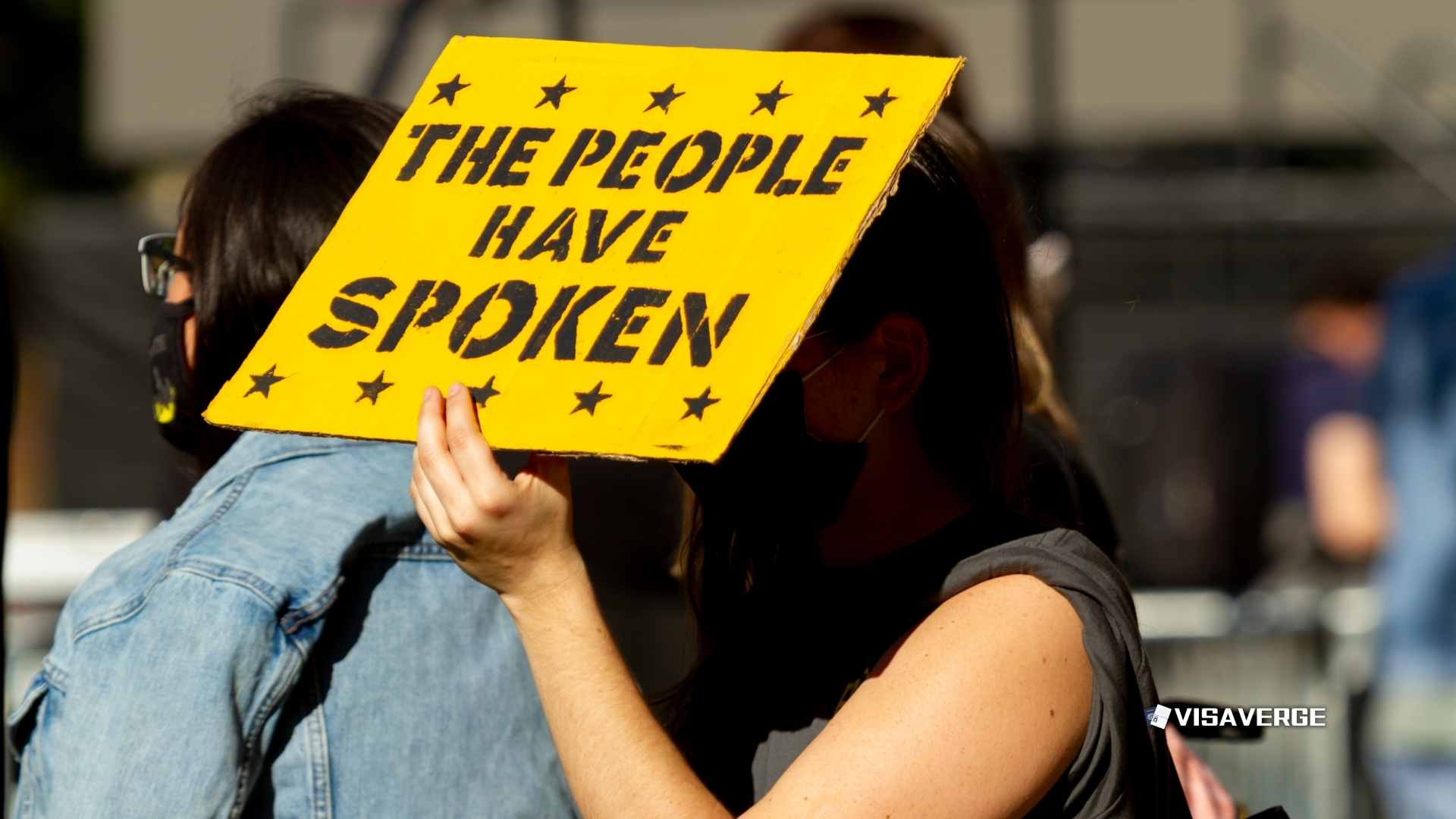
Hundreds of community members, advocates and elected officials pressed lawmakers to preserve Haitian Temporary Protected Status at a July 9 rally in Miami, with work authorization set to expire on July 24, 2026 unless the government or Congress provides additional protection.
The event took place at the Little Haiti Cultural Complex, 212 NE 59th Terrace, Miami, as part of a National Day of Action. Organizers urged passage of S. 4814, introduced by Sen. Ed Markey, D-Mass., which would require the Department of Homeland Security to redesignate Haiti for TPS through January 2029.
The deadline follows a Supreme Court ruling that cleared the administration to terminate TPS for about 350,000 Haitians. In Mullin v. Doe, No. 25–1083, the Court ruled June 25, 2026, by 6-3 that federal law bars judicial review of executive-branch decisions to terminate TPS.
USCIS issued a short-term update on July 10. Haitian employment authorization documents remain valid through July 24 while the termination process proceeds.
Tessa Petit, executive director of the Florida Immigrant Coalition, said the rally sought commitments from senators who had not backed the legislation.
“This is to uplift the issue of TPS recipients [and] also to encourage in all of those states where senators have not yet sponsored Senate Bill 4814. to make sure that we get the commitment, that they understand the urgency and commit to voting yes on this.”
The House has already approved a related measure. The chamber passed H.R. 1689 in April 2026 by a 224-204 bipartisan vote, but the Senate Judiciary Committee had not advanced its companion as of July 15, 2026.
Florida carries one of the largest concentrations of affected Haitians
Rally organizers specifically called on Florida’s senators, Rick Scott and Ashley Moody, to support the extension. Moody was appointed in 2025 to replace Marco Rubio.
Florida State Sen. Shevrin Jones, who represents District 34, said Haitian TPS holders should remain in the United States.
“Haitians should not go back home. We should do everything we can to work with Congress to ensure that they stay.”
Guerline Jozef, executive director of Haitian Bridge Alliance, focused on the size of the mobilization.
“This extraordinary turnout reflects the determination of our communities to fight for justice.”
The bill’s proposed January 2029 date would provide at least three years of protection, including employment authorization and lawful status. TPS itself provides temporary protection from removal and permission to work; it does not create permanent resident status.
| Group or location | People or document deadline |
|---|---|
| Haitian TPS holders nationwide | Approximately 350,000 |
| Haitian TPS holders in Florida | Estimated 158,000 |
| Haitian workers in Florida | About 93,000 |
| Syrians at risk nationwide | Approximately 6,100 |
| Haitian employment authorization documents | July 24, 2026 |
| Documents for Syria, Yemen and Somalia | July 17, 2026 |
The Florida workers include people in healthcare and hospitality. Losing work authorization could also affect driver’s licenses and lawful status.
The ruling removed the court stays that had paused termination
The June 25 decision overturned lower-court stays in litigation including Miot et al. v. Trump. The challengers had argued that ending Haitian TPS was racially motivated, while the Supreme Court held that federal law prevented judicial review of the executive decision.
Former Homeland Security Secretary Kristi Noem determined in late 2025 that conditions in Haiti had improved enough to justify termination. Advocates disputed that assessment, pointing to continuing gang violence and a State Department Level 4 “Do Not Travel” advisory.
They also said armed gangs control Haiti’s capital. The Federal Aviation Administration continues to prohibit commercial flights from the United States to Port-au-Prince, a restriction advocates cited while questioning the safety of returns.
The administration’s position has put the legislative timetable alongside the litigation outcome. With the court stays overturned, the remaining extension effort depends on action by the chamber before the administrative date arrives.
Advocates describe immediate consequences beyond work permits
Community leaders advised families to prepare their legal affairs and consult immigration and estate-planning counsel as the status changes approach. The possible consequences extend beyond employment documents.
Jumaane Williams, New York City’s public advocate, spoke at a related Brooklyn rally about workers facing the loss of authorization.
“Tomorrow, many, many people will lose their work authorization. That is a terrible place to be. And it shows just how hatred and racism is so blinding, that it is not even logical.”
Rita Joseph, a New York City council member, challenged the policy’s connection to conditions in Haiti.
“This decision does not reflect the reality on the grounds in Haiti nor does it reflect our values as a country.”
USCIS set July 17, 2026, as the temporary expiration date for documents tied to Syria, Yemen and Somalia. The agency’s Haitian date comes one week later.
As of July 15, 2026, the House-passed extension remained matched against an unadvanced Senate measure. The July 24 expiration date now gives lawmakers a fixed point for deciding whether Haitian TPS holders will retain protection through January 2029.
This article provides general information and is not legal advice. Consult a qualified immigration attorney about your specific case.