- The IRS extended federal tax deadlines to November 2, 2026, for storm-affected Wisconsin residents and businesses.
- Relief applies to twenty-one specific counties and the Oneida Indian Reservation following April 2026 severe weather.
- Eligible taxpayers can claim disaster-related casualty losses on either their 2025 or 2026 federal tax returns.
The Internal Revenue Service announced tax relief on July 13, 2026, for Wisconsin individuals and businesses affected by severe storms, tornadoes and flooding that began on April 13. Eligible taxpayers in 21 counties and the Oneida Indian Reservation can use the extended deadline.
The new deadline is November 2, 2026. It covers certain federal returns, tax payments and other obligations tied to the disaster.
Free toolSubstantial Presence Test Calculator
The agency issued the relief under announcement WI-2026-02. The covered weather period runs from April 13 through April 23, 2026.
Taxpayers inside the designated area receive the extension automatically. They do not need to submit a separate application.
The postponement reaches both individuals and businesses. The agency also set a shorter deadline for certain payroll and excise-tax deposits.
A federal disaster declaration identifies the event as FEMA disaster number 4923-DR. Taxpayers claiming storm-related losses will need that number on the relevant return.
| Obligation or payment | Applicable deadline or treatment |
|---|---|
| 2025 individual federal returns, normally due April 15, 2026 | November 2, 2026 |
| Quarterly payroll tax filings and certain excise-tax deadlines falling during the postponement period | November 2, 2026 |
| Eligible federal tax payments covered by the postponement | November 2, 2026 |
| Payroll and excise-tax deposits due on or after April 13 and before April 28, 2026 | Penalties abated if deposits are made by April 28, 2026 |
| Estimated tax installments covered by the relief | Penalties waived if paid by November 2, 2026 |
The agency described the action in its announcement:
“The IRS is postponing some deadlines for Wisconsin taxpayers impacted by the severe storms, tornadoes and flooding that began on April 13. Those impacted will now have until Nov. 2 to file federal individual and business tax returns and make payments.”
The extension reaches returns, payments and selected deposits
The November deadline applies to 2025 individual returns that ordinarily would have been filed by April 15, 2026. It also covers quarterly payroll filings and certain excise-tax deadlines that fell within the postponement period.
Businesses receive relief too. Eligible payments tied to covered federal obligations can move to November 2.
The deposit rule works differently. Payroll and excise-tax deposits due on or after April 13, 2026, but before April 28, 2026, qualify for penalty abatement when paid by April 28.
That window has already passed. The broader filing and payment deadline remains November 2, 2026.
Penalties on covered estimated tax installments can also be waived when the installments are paid by November 2. The relief applies based on the taxpayer’s location in the designated disaster area.
These 21 counties and the reservation fall inside the disaster area
The covered Wisconsin counties are:
- Bayfield
- Brown
- Buffalo
- Iowa
- Jackson
- Jefferson
- Juneau
- Kenosha
- Kewaunee
- Manitowoc
- Marathon
- Milwaukee
- Outagamie
- Racine
- Rock
- Sauk
- Vernon
- Washington
- Waukesha
- Waupaca
- Winnebago
The designation also includes the Oneida Indian Reservation. The automatic extension applies to taxpayers identified as being in the covered locations.
Taxpayers outside those locations do not receive the disaster extension solely because they experienced financial effects from the storms. The relief is tied to the designated counties and reservation.
Casualty losses can be claimed on either the 2025 or 2026 return
A taxpayer may claim a disaster-related casualty loss on a federal return for tax year 2025, filed in 2026, or on a return for tax year 2026, filed in 2027. The choice of return can affect when the loss is claimed.
The return must identify FEMA disaster declaration number 4923-DR when it includes the disaster-related loss. Certain disaster-relief payments may also be excluded from taxable income.
The materials describe the exclusion as applying to certain payments, not every payment received after the storms. Taxpayers should keep records showing the nature of any relief payment included in their tax files.
The disaster followed tornadoes, heavy rain and flooding
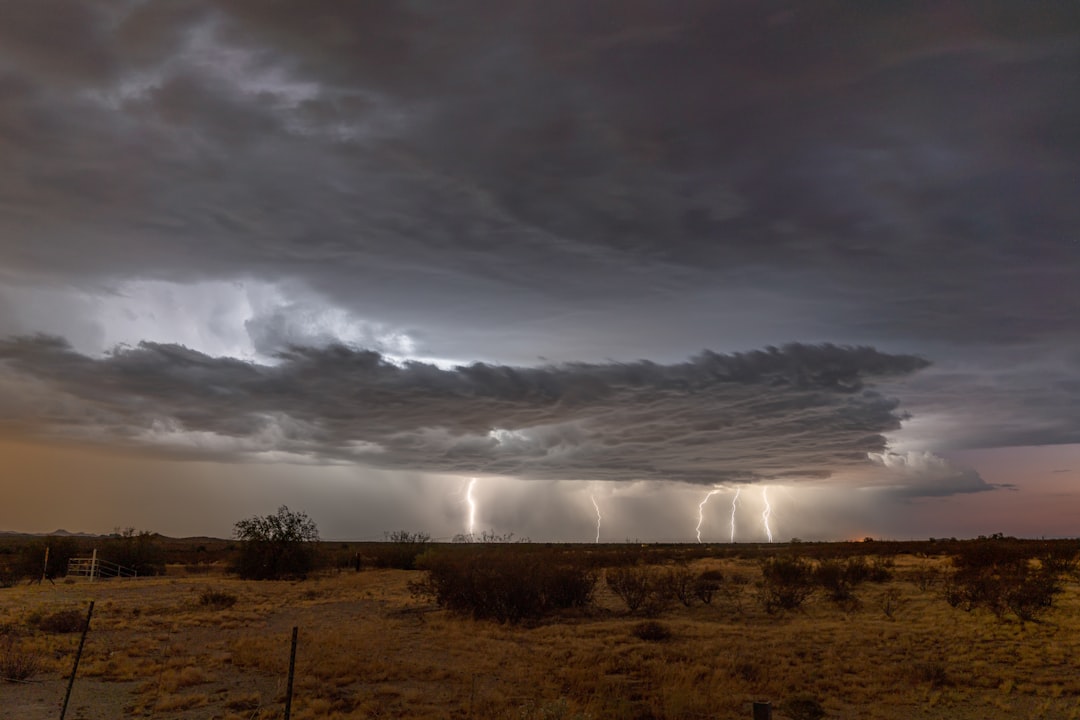
The federal relief followed severe weather between April 13 and April 23. The National Weather Service confirmed multiple tornadoes during that period.
Rainfall reached 5–6 inches in some regions. Saturated soils contributed to flash flooding, while the storms caused structural damage, road washouts and power outages.
President Donald J. Trump described the damage in the federal disaster declaration:
“I have determined that the damage in the State of Wisconsin resulting from severe storms, tornadoes and flooding during the period of April 13-23, 2026, is of sufficient severity and magnitude to warrant a major disaster declaration.”
Hannah Penn is identified as the Federal Coordinating Officer for federal recovery operations in the affected areas. The disaster declaration carries number 4923-DR.
Wisconsin Gov. Tony Evers said communities needed support during the recovery effort:
“Communities across our state have been affected by the impacts of severe weather in recent days. We want to make sure folks and communities are safe, healthy, and have the support they need to recover quickly and that can get relief to those impacted.”
A separate state package would provide rebates and grants
The federal deadline postponement is separate from a Wisconsin proposal advanced in May. That bipartisan state-level deal totals $1.8 billion and includes rebate checks of $300 per individual and $600 per couple, along with $20 million in disaster-assistance grants.
State Rep. Jessie Rodriguez voted for the compromise. Gov. Evers and Republican legislative leaders, including Assembly Speaker Robin Vos and Senate Majority Leader Devin LeMahieu, reached the deal in May.
Rodriguez said the package would use money from the state surplus while addressing household costs and school funding:
“Across the country, families are facing difficult financial times. we are doing our part by using $1.8 billion from the state surplus to help families manage rising costs, reward hard work, and continue investing in our K-12 schools”
The Wisconsin Department of Revenue typically mirrors federal disaster extensions for state-level filings. Anyone claiming a casualty loss should put FEMA number 4923-DR on the return and meet the federal deadline of November 2, 2026.
This article is for informational purposes only and does not constitute tax advice. Consult a qualified tax professional or CPA about your specific situation.