- Federal authorities deported Tou Lue Vang to Laos despite a unanimous pardon from Minnesota officials.
- The Trump administration revoked Vang’s legal status following his December twenty twenty-five arrest by ICE.
- Vang was convicted of first-degree criminal sexual conduct in two thousand five involving a minor relative.
Federal authorities removed Vang after revoking his immigration status
Marco Rubio announced July 10, 2026, that federal authorities had revoked Tou Lue Vang’s legal status and deported him to Laos. The removal came one month after Minnesota officials granted him a pardon.
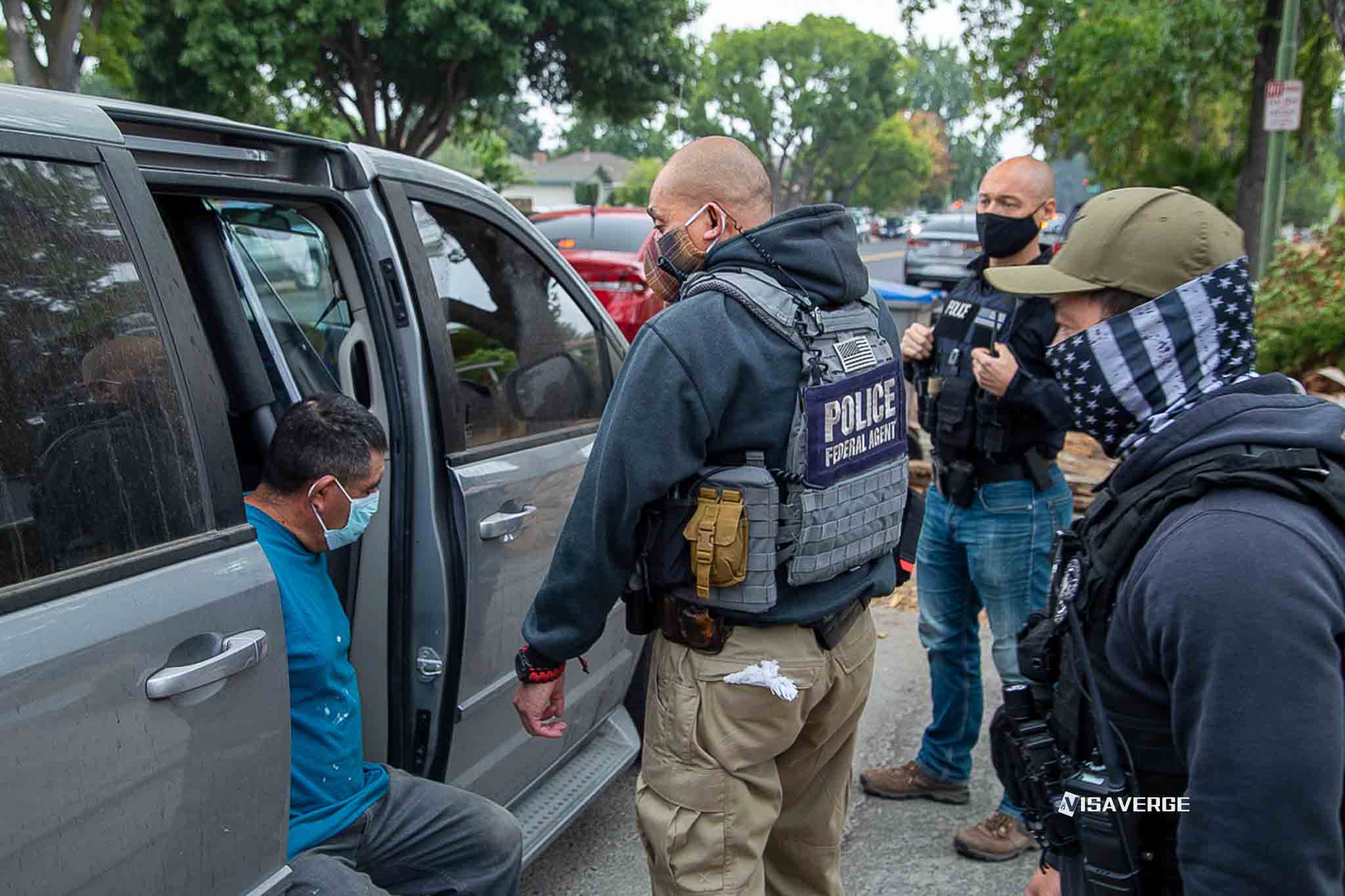
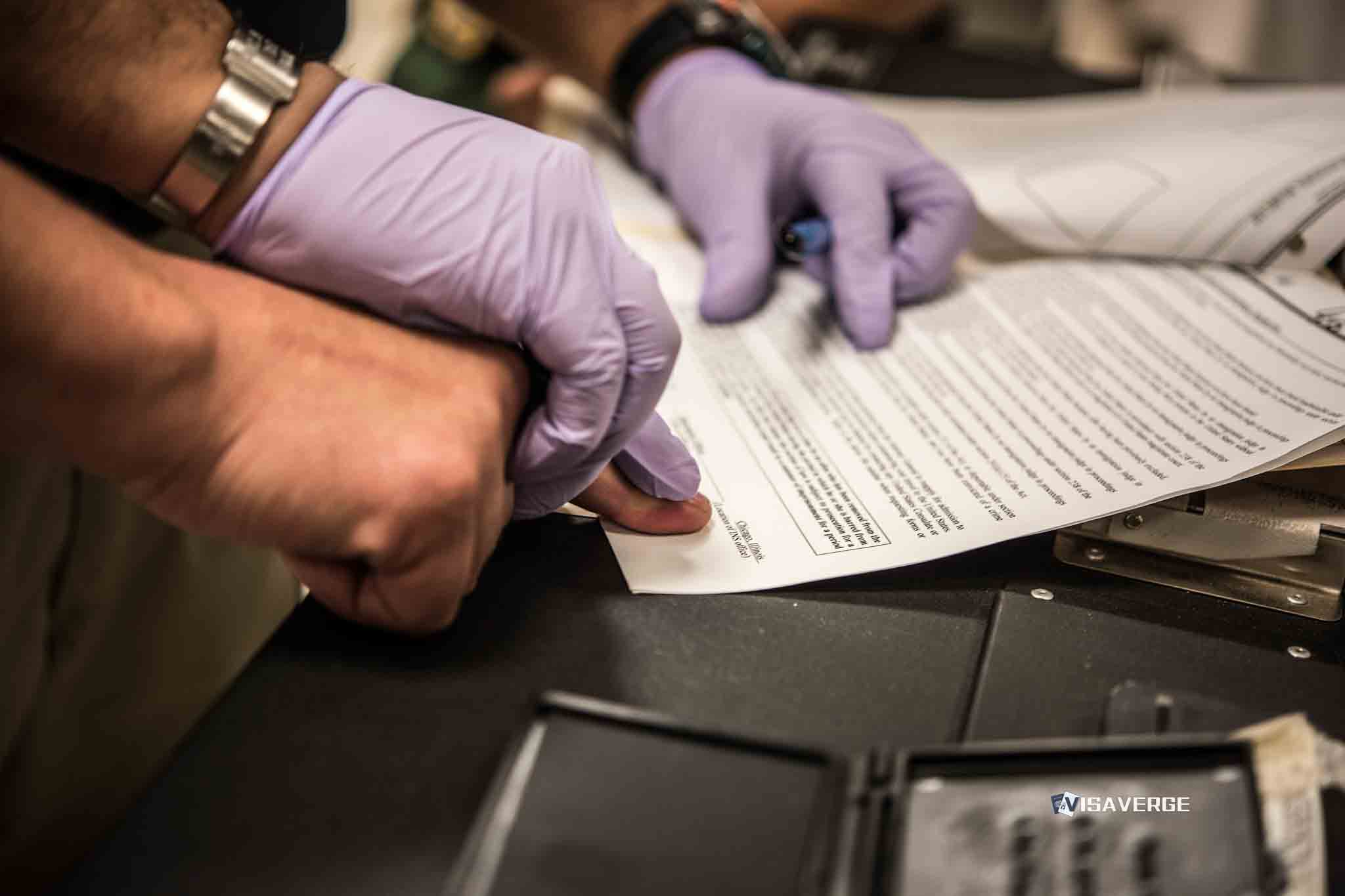
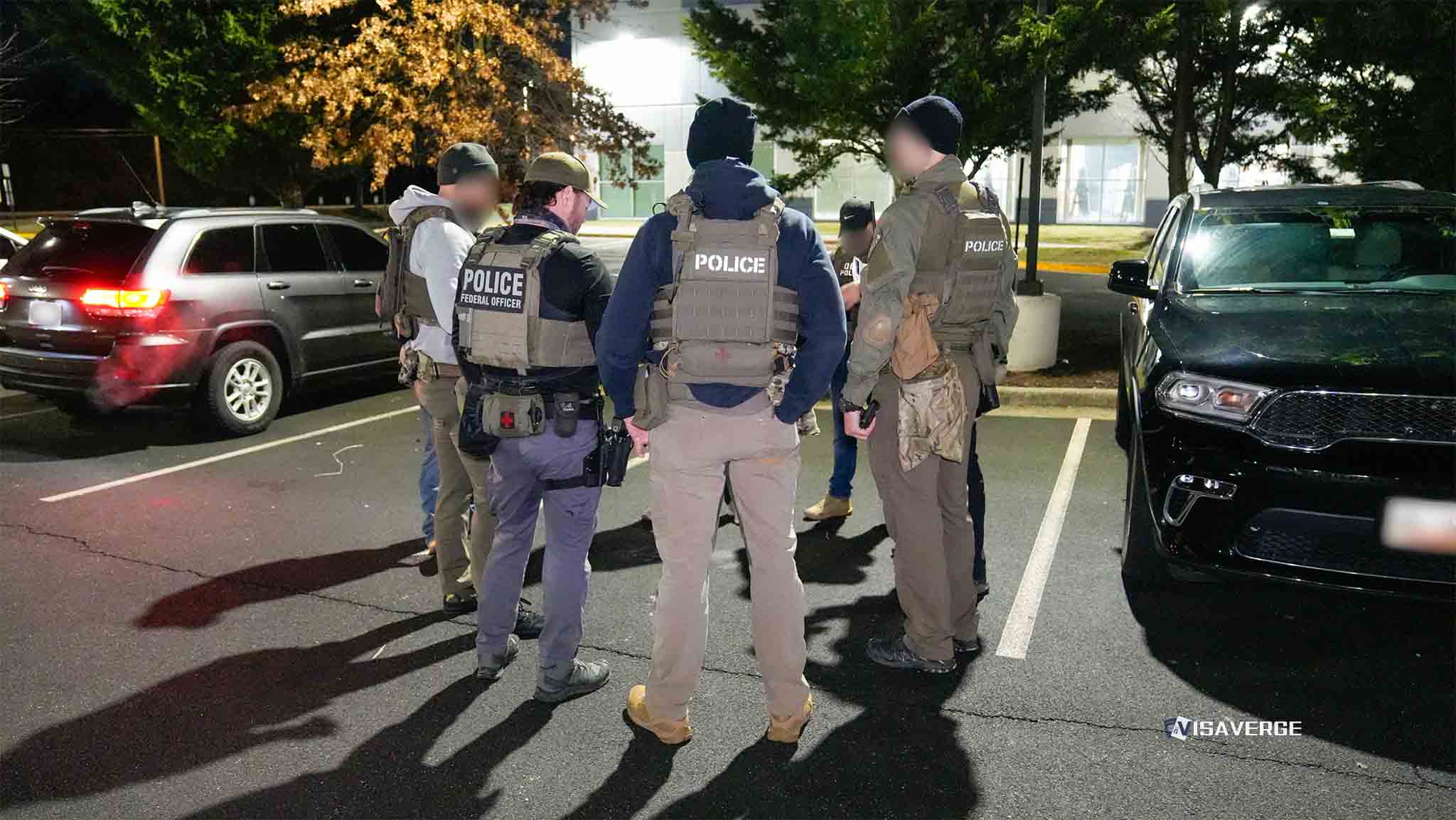
Vang is a 42-year-old Laotian national who entered the United States in 1994 and lived in Minnesota for nearly 32 years. Immigration and Customs Enforcement arrested him in December 2025 during “Operation Metro Surge.”
The White House said the Trump administration “terminated Vang’s legal status” before the Department of Homeland Security carried out the deportation. An immigration judge had issued a final order of removal in 2006.
The removal followed an old immigration case, not a new judicial ruling. The announcement does not establish a published immigration precedent or include a reported BIA citation, circuit decision or accompanying 8 C.F.R. analysis.
The pardon changed state consequences, not the federal removal case
A state pardon can reduce or eliminate some criminal consequences under state law. It does not automatically erase the federal immigration consequences connected to the conviction.
That distinction drove the outcome here. Federal authorities relied on revocation of Vang’s “legal status,” ICE custody and removal, rather than treating the pardon as a legal bar to enforcement.
The state action therefore did not end the federal case. The underlying immigration posture remained subject to federal enforcement after the clemency decision.
The exact federal basis for the status revocation was not presented as a new rule applying to every pardon. Immigration outcomes can depend on the offense, the person’s status and the grounds available under federal law.
A 2005 guilty plea preceded the removal order by one year
Vang pleaded guilty in 2005 to first-degree criminal sexual conduct involving a 10-year-old relative. The abuse occurred between 2002 and 2004.
A Minnesota court sentenced him in 2006 to 144 months, or 12 years. Under a plea agreement, he served eight months in the Ramsey County Workhouse.
The court also imposed 30 years of supervised probation. That supervision ended in 2019.
The immigration case moved on a separate track. An immigration judge issued the final removal order in 2006, but Laos lacked a repatriation agreement with the United States during the intervening period.
That gap delayed deportation for roughly two decades. ICE later detained him in Minnesota before the federal government completed the removal.
The pardon application included support from the victim and Hmong community
The Minnesota Board of Pardons voted unanimously on June 10, 2026, to grant clemency, exactly one month before the deportation announcement.
The application included a statement from the victim supporting Vang’s remaining in the country. His brother, uncle and Hmong community leaders also submitted letters on his behalf.
The Clemency Review Commission recommended that the pardon be granted. Keith Ellison, Minnesota’s attorney general, defended the process in a statement.
“The Minnesota Board of Pardons made the unanimous decision to grant Tou Vang this pardon after an exhaustive process which included a statement of support from the victim, a recommendation to grant the pardon from the Clemency Review Commission, and a large number of community support letters.”
Gov. Tim Walz, Ellison and Natalie Hudson, chief justice of the Minnesota Supreme Court, voted on the pardon. Sara Grewing, a Ramsey County district judge who succeeded the sentencing judge, took no position.
The board’s decision reflected a state clemency process. It did not control the federal government’s authority over immigration status or removal.
Rubio and DHS described the deportation as a public-safety measure
Rubio said the federal action would prevent Vang from threatening people in the United States. He tied the decision directly to the pardon and to the underlying sex offense.
“Americans should never have to live in fear that foreign sex predators — shielded from deportation by their own elected officials — could endanger them or their children. That's why I terminated his legal status in the United States. Because of our action, this foreign criminal will never pose a threat to any American ever again.”
The Department of Homeland Security also criticized Walz and Minnesota officials. The agency said the pardon had been intended to keep Vang in the country.
“Governor Walz's decision to pardon an illegal alien convicted child rapist so he can remain in our country is disgusting. These are the criminal illegal aliens he and his Minnesota sanctuary politicians are protecting.”
Tom Emmer, the U.S. House majority whip, called the pardon “feckless.” Mark Johnson, the Minnesota Senate Republican leader, described the pardon board’s conduct as “unconscionable.”
The dispute has intensified Republican criticism of Minnesota’s sanctuary policies. It has also placed the state’s clemency process against the federal government’s immigration enforcement priorities.
Vang’s six children remain in Minnesota
Vang is the father of six children. His family remains in Minnesota after his deportation to Laos.
The clemency application presented rehabilitation, family ties and community support. The victim’s statement also supported his remaining in the country.
Federal officials instead acted on the conviction and the unresolved immigration case. The removal leaves the family separated across two countries.
The case illustrates why a state pardon may not resolve a noncitizen’s immigration exposure. A person facing a removal case may need advice from a qualified immigration attorney about the conviction, the pardon’s terms and the federal proceedings.
This article provides general information and is not legal advice. Consult a qualified immigration attorney about your specific case.