- The federal Education Freedom Tax Credit launches in January 2027 for eligible K-12 students.
- Individual donors can receive a seventeen hundred dollar credit for contributions to scholarship-granting organizations.
- Program access depends on individual states opting in to the federal scholarship structure.
The new federal education tax credit starts with the 2027 tax year, and eligibility turns on three threshold questions. The student must need a scholarship for K-12 expenses.
The household must generally be at or below 300% of area median income. The scholarship must come through a qualified scholarship-granting organization in a state that chooses to participate.
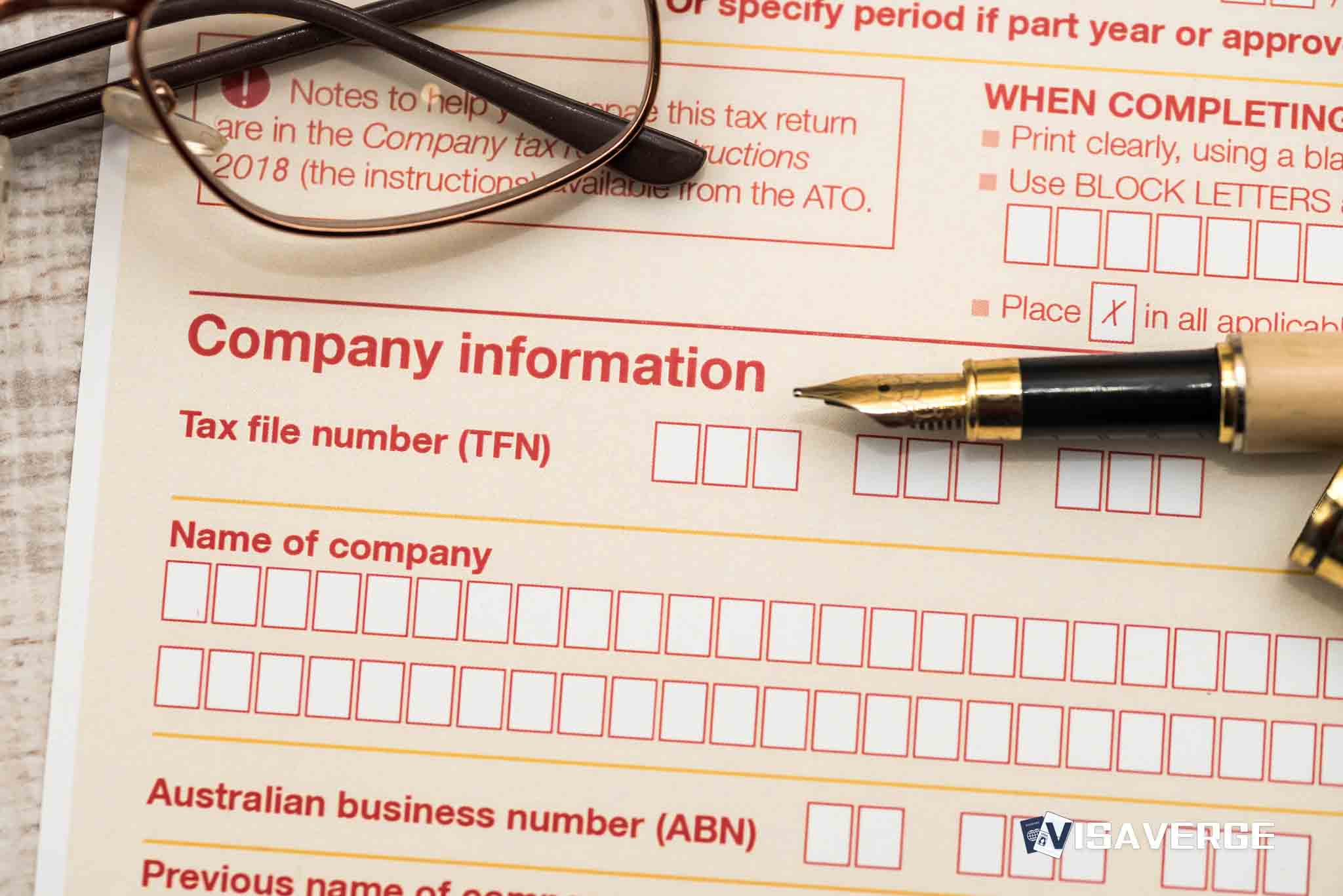
Donors have a separate set of rules. An individual taxpayer can donate up to $1,700 per year to a qualified scholarship-granting organization and receive a dollar-for-dollar federal tax credit.
Free toolCSPA Age-Out Calculator OnlineThe credit begins on January 1, 2027, under the Education Freedom Tax Credit enacted in the One Big Beautiful Bill Act.
Families can use scholarship money for covered K-12 costs at public, private, or religious schools, but one part of the law remains unsettled. Treasury said in a June 10, 2026 preview that a home school counts as a school only if state law says it does.
That definition matters for microschools, learning pods, and hybrid programs that operate somewhere between private school and home education.
That uncertainty has immediate effects. Operators cannot safely build tuition models around scholarship money until Treasury issues final regulations on allowable expenses.
Parents considering microschools face the same problem, especially in states where school definitions already differ across education codes, tax rules, and homeschool statutes.
State action also controls access. The law does not automatically activate everywhere. States must opt in before local scholarship-granting organizations can participate, which means a family can meet the income test and still have no usable program if the state stays out.
Applications have not opened in full because the program starts with the 2027 tax year, and Treasury still has to publish detailed rules. Families and schools can still prepare now.
The strongest applications will match income records, state school definitions, and expense documentation from the start.
| Requirement | What to confirm |
|---|---|
| Student eligibility | Student seeks help with K-12 education expenses at a qualified school arrangement. |
| Income limit | Household income is at or below 300% of area median income. |
| State participation | The state has opted in to allow scholarship-granting organizations to operate under the federal credit. |
| School status | The school, microschool, homeschool, pod, or hybrid program qualifies as a school under state law. |
| Expense type | Tuition, fees, or other costs fit Treasury’s final list of allowable expenses. |
| Donor limit | Individual donor gives no more than $1,700 per year for the federal credit. |
⚠️ Tax Disclaimer: Tax obligations for digital nomads are complex and depend on your citizenship, tax residency, and the countries involved. This article provides general information only. Consult a qualified international tax professional before making decisions that affect your tax status.
Families preparing to apply should gather documents before scholarship-granting organizations open their 2027 intake. Most programs will ask for proof of identity, proof of address, and recent income records.
The income file usually means tax returns, W-2s, 1099s, recent pay stubs, benefit letters, or employer statements. Self-employed households should expect to provide a full return, profit-and-loss records, and bank statements that match reported income.
School records will matter just as much. Keep enrollment offers, tuition schedules, fee sheets, invoices, and any program description that explains how the school operates. That is especially important for microschools and hybrid programs.
A short invoice is rarely enough if the state treats part of the program as tutoring, childcare, or homeschool support rather than school tuition.
Applications will likely move in five stages once states opt in and scholarship groups launch. First, confirm that the state is participating. Second, identify an approved scholarship-granting organization.
Third, complete the student application and upload income records. Fourth, submit school documentation showing that the program qualifies under state law. Fifth, wait for the award notice, then follow the organization’s payment rules for tuition and fees.
Donors will face a shorter process. They will need to confirm that the receiving organization is qualified, make the contribution during the correct tax year, keep the receipt, and follow IRS instructions for claiming the $1,700 credit.
A donation above the cap does not increase the federal credit, so records should clearly separate any credited amount from any extra charitable gift.
Processing times are not final because Treasury has not issued complete regulations and states are still deciding whether to opt in. Expect timing to vary by state and by scholarship-granting organization.
Fee details are also unsettled on the family side. The source law discussed here sets the donor tax credit amount at $1,700, but it does not establish a standard family application fee in the material released so far.
📋 Pro Tip: Families looking at microschools should ask one direct question now: “Are you recognized as a school under state law?” A vague answer is a warning sign.
Common denials are easy to spot even before final rules arrive. Income records often do not match the application. The student’s school status is unclear. The state has not opted in.
The scholarship request includes expenses outside the allowed list. A microschool may also fail if it cannot show legal status as a school, or if its charges bundle tuition with services that Treasury later excludes.
Microschools have the most at stake because the unresolved definition affects marketing, pricing, and enrollment. A traditional private school usually has established legal status. A homeschool cooperative or learning pod may not.
Treasury’s June preview already signaled that home education qualifies only where state law treats it as a school. Final regulations will decide how far that logic extends to hybrid models.
State-by-state status is the next checkpoint. Participation depends on a state opt-in, and microschool treatment depends on that state’s education laws. That creates three broad groups.
Some states are likely to move quickly and already have clear private school or homeschool statutes. Some may opt in but leave microschools in a gray area. Others may not participate at all, which would block local scholarship use under this federal structure.
⚠️ Watch List: A state opt-in does not settle microschool eligibility by itself. The school must still fit the state’s legal definition, and Treasury must still approve the expense category.
Internet speed, time zone, and cost-of-living issues usually shape digital nomad decisions. They do not control this program. The tax issue that matters here is recordkeeping.
Families should keep every tuition bill, payment receipt, and school communication in one file. Donors should keep the contribution receipt and any acknowledgment from the scholarship-granting organization. Clean records usually decide disputes faster than legal arguments.
Start with the official state education agency and state tax department, then check the official Treasury and IRS pages for federal guidance. Contact a scholarship-granting organization as soon as your state opts in.
Ask for its application calendar, income documentation list, and payment rules. If a child may attend a microschool in 2027, request the school’s legal classification now, collect tuition documents this summer and fall, and be ready to file as soon as the first approved scholarship window opens.