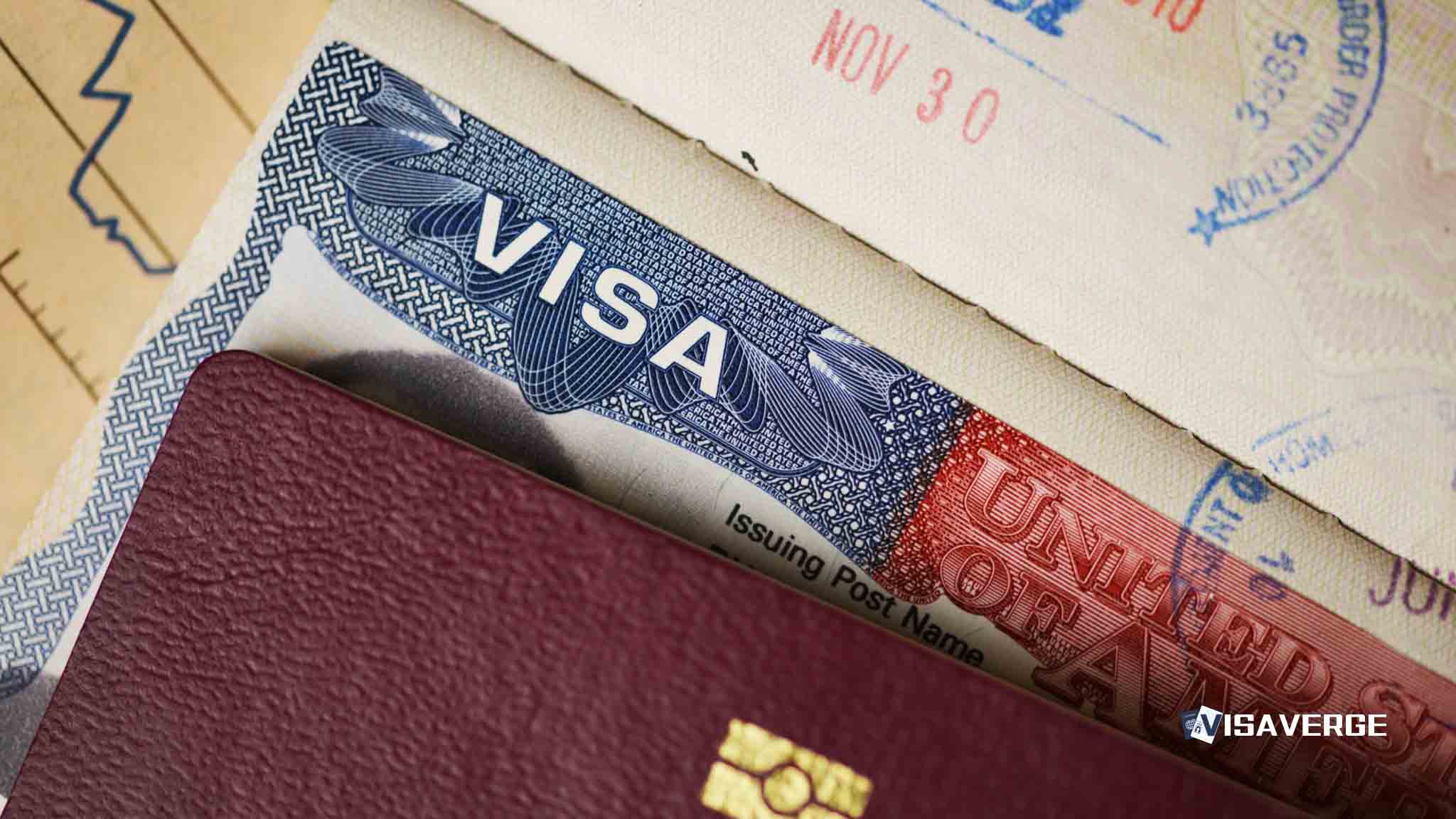
- France clarifies that remote workers can use the VLS-TS visitor visa for long-term stays.
- Applicants must show income from foreign sources and have no French clients or local employers.
- Financial requirements include monthly income near SMIC and thirty thousand euros in health coverage.
(FRANCE) – France has not created a dedicated digital nomad visa, but its June 2026 clarification gives remote workers a clearer route through the long-stay visitor visa, the VLS-TS visiteur.
France’s new guidance draws a line that matters in practice. Remote work can fit the visitor visa route if the employer is abroad, the contract falls under foreign law, and the person has no French clients or French employer. That leaves France with a familiar immigration label and a narrower use case. It is still a visitor visa, not a separate digital nomad visa.
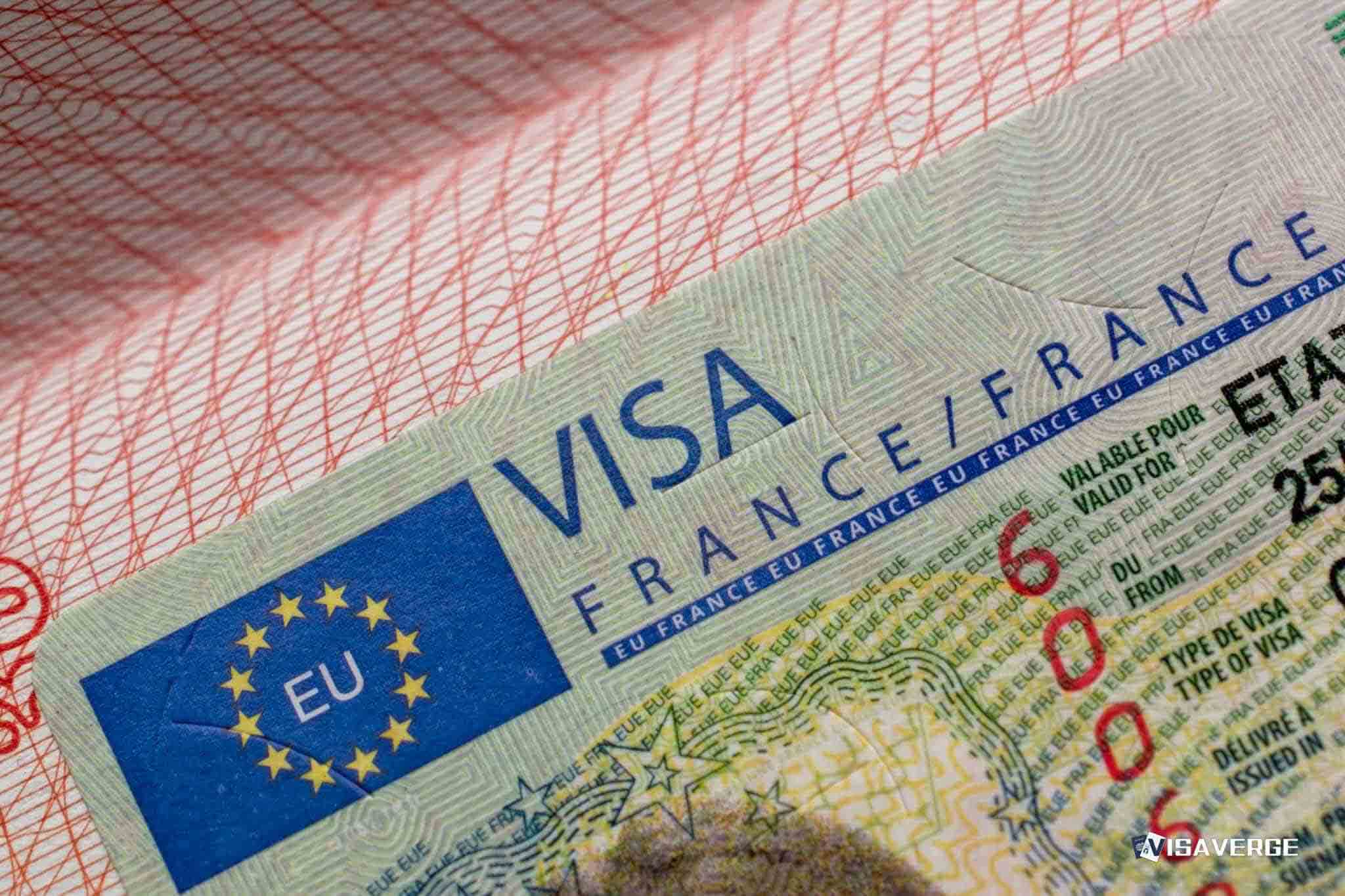
The distinction matters because France is not opening a new class of stay. It is clarifying how existing rules apply to people who earn abroad while living in France. The stay still runs through the long-stay visitor channel for periods over 90 days, with an initial validity usually between 3 and 12 months.
That puts France in a different lane from Spain, Portugal, or Croatia, where official digital nomad programs are built around remote work. France’s route is closer to a residency permission for visitors with outside income. It can suit freelancers, employees of foreign companies, and retirees with remote or passive income, so long as the French market stays off limits.
Applicants still need to show they can live without earning from France. The usual benchmark is income or savings around one French minimum wage, the SMIC, each month. Health insurance must include at least €30,000 in coverage. Accommodation must be secured for the full stay. Income evidence needs to point outside France, through savings, pension payments, rental income, investment income, or pay from a foreign employer.
The visa fee is about €99, roughly US$116. Renewal is possible before expiry, often through ANEF, France’s online foreigners’ portal. That keeps the route flexible, but it does not make it automatic. The file still needs to match the visitor category, and French officials can ask for proof that the person is not working for the French economy.
Tax exposure remains separate from immigration status. Spending enough time working from France can still create French tax residency or local tax obligations. U.S. citizens are taxed on worldwide income regardless of where they live, and other home-country rules can apply as well. The visa clarification does not erase tax residency tests, treaty claims, or filing duties.
⚠️ Tax Disclaimer: Tax obligations for digital nomads are complex and depend on citizenship, tax residency, and the countries involved. This article provides general information only. Consult a qualified international tax professional before making decisions that affect your tax status.
France also sits in a practical middle ground on cost and connectivity. Paris is expensive, but many secondary cities offer a more manageable base. Internet speeds in major cities are generally strong, often above 100 Mbps on fixed connections. Paris, Lyon, Bordeaux, and Nantes all have active coworking scenes, though prices climb quickly in the capital. Time zone overlap is workable for Europe, difficult for North America, and awkward for Asia-based clients.
The comparison below shows how France’s visitor route stacks up against better-known options for remote workers. The key difference is simple: France gives remote workers a legal path without calling it a digital nomad visa, while Spain and Portugal use more explicit nomad-style categories.
| Factor | France | Spain | Portugal | Croatia |
|---|---|---|---|---|
| Visa type | Long-stay visitor visa, VLS-TS visiteur | Digital Nomad Visa | D7 / Digital Nomad route | Digital Nomad Visa |
| Duration | 3 to 12 months, renewal possible | 12 months plus renewal | 12 months plus renewal | 18 months |
| Income requirement | Around SMIC per month | €2,300/month | €3,040/month | €2,540/month |
| Tax status | Possible French tax exposure | Taxed after 183 days | NHR program available in some cases | Tax exempt for nomads |
| Cost of living | High in Paris, moderate in regional cities | High in Madrid and Barcelona | Moderate to high in Lisbon and Porto | Lower than much of Western Europe |
| Internet speed | 100+ Mbps in major cities | 100+ Mbps in major cities | 100+ Mbps in major cities | 80 to 150 Mbps in major cities |
| Processing time | Varies by consulate and file load | About 2 to 3 months | About 2 to 4 months | About 1 to 2 months |
| Difficulty | Moderate, with strict income proof | Moderate | Moderate to high | Moderate |
France stands out for applicants who already want France, not just Europe. The visitor route avoids the need for a separate nomad label, but it also brings tighter boundaries. Anyone serving French clients, taking a French contract, or drifting into local work risks falling outside the clarified scope.
Spain and Portugal remain stronger on formal digital nomad branding. Croatia is cleaner on tax treatment, especially for short-term remote stays. France, by contrast, offers the appeal of a long stay in a top-tier European market with clear limits on local work and a standard visitor framework.
🌍 Visa Highlight: France now recognizes remote work under the VLS-TS visiteur when the job stays outside France.
Cost of living is the next filter. Paris often runs close to the top of Western Europe on rent and daily expenses. Lyon, Montpellier, Toulouse, and Nantes are easier on budgets. The table below gives a practical monthly range for a single remote worker.
| Expense | Budget | Comfortable | Premium |
|---|---|---|---|
| Rent (1BR) | $950 | $1,500 | $3,200 |
| Coworking | $120 | $220 | $450 |
| Food | $350 | $600 | $1,000 |
| Transport | $60 | $120 | $250 |
| Health insurance | $45 | $90 | $180 |
| Entertainment | $100 | $250 | $700 |
| Total | $1,625 | $2,780 | $5,780 |
France fits families better than many remote-work destinations because schooling, healthcare access, and urban transport are well established. The tradeoff is cost. A family-sized apartment in Paris can quickly overwhelm a remote-worker budget. Regional cities offer a better balance, especially where international schools and rail links are available.
💰 Budget Tip: French regional cities often cut rent by hundreds of dollars a month compared with Paris, while keeping fast internet and reliable rail access.
Best for budget is Croatia. Its income threshold is lower than Portugal’s and its tax treatment is simpler for many nomads. Best for EU access is Portugal, which offers Schengen mobility and stronger residency pathways. Best for families is France, if the household can handle the housing cost and wants a school-and-healthcare environment with a long-established public system.
Choose France if the goal is to spend months inside France without taking French work, and the income can cover local living costs. Choose Spain if a formal digital nomad visa with broad recognition matters more. Choose Portugal if residency pathways and EU access sit at the top of the list. Choose Croatia if tax simplicity and lower costs matter more than long-term EU settlement.
Start the France file at least 8 to 12 weeks before travel. Gather bank statements, foreign contract evidence, health insurance showing €30,000 coverage, and proof of accommodation for the full stay. Check the official French consulate site for your country, then monitor ANEF for renewal rules before the visa expires. Nomad List can help with city-level cost comparisons, while a qualified cross-border tax adviser should review residency risk before any move.