- U.S. authorities treat physically damaged visas as void, requiring travelers to reapply at embassies abroad.
- Effective March 2026, ICE reclassified minor clerical mistakes as substantive violations for immediate denial.
- USCIS now considers Adjustment of Status extraordinary relief for Green Cards, favoring consular processing.
(UNITED STATES) – U.S. authorities treat a physically damaged U.S. visa as void and, as of June 30, 2026, pair that long-standing document rule with a broader 2026 enforcement posture that turns many clerical mistakes into immediate immigration problems.
The Department of State guidance is direct: “If your visa has suffered any kind of damage, you will have to apply again for a new one at a U.S. embassy or consulate abroad.” That rule applies to the visa document itself, not ordinary wear on a passport cover.
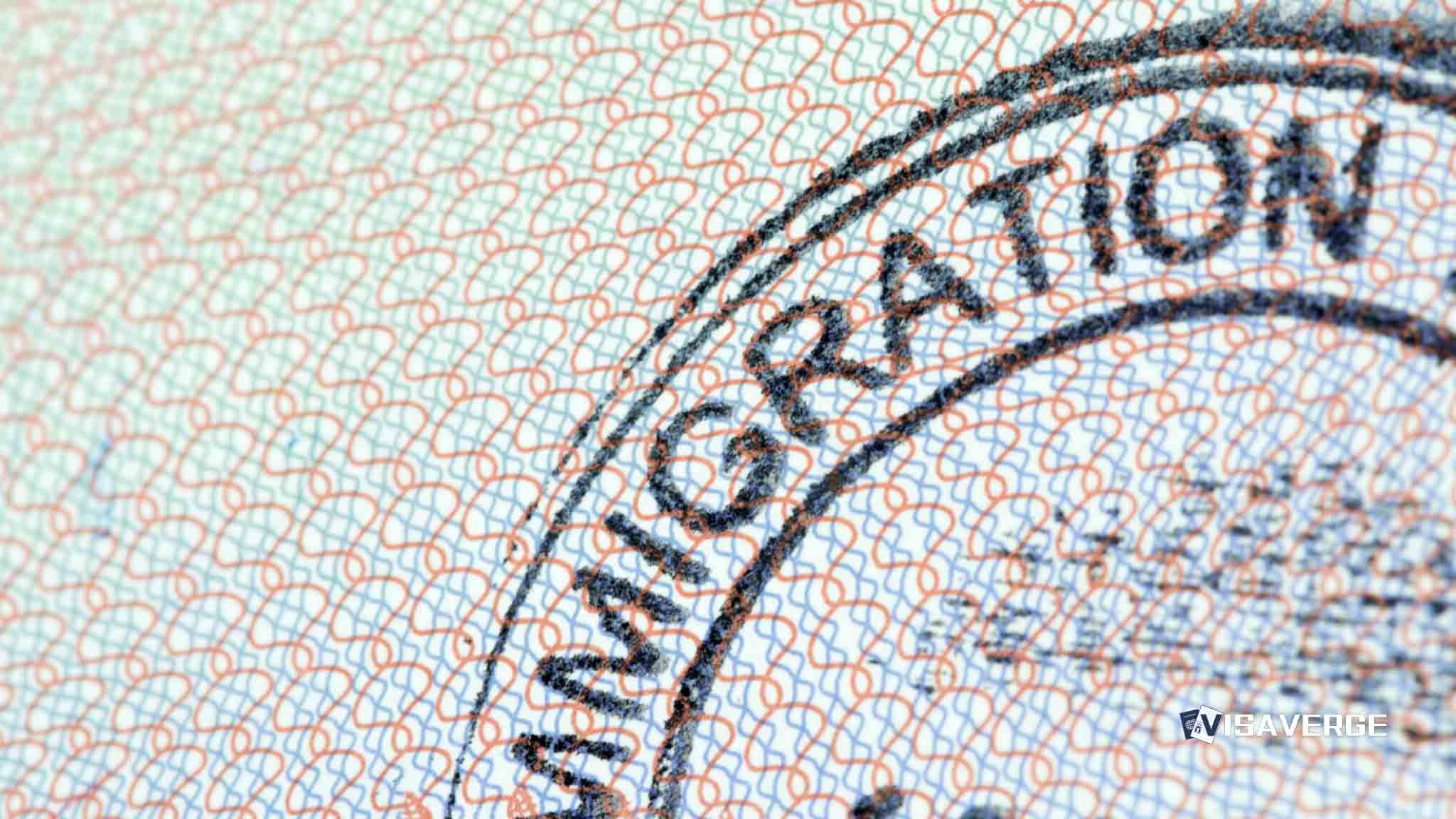
Officials draw a line between immaterial damage and material damage. Normal wear and tear or small bends do not void a visa, but tears on the visa itself, missing pages, or altered security features do.
Free toolDS-160 Form Filling Online Helper ToolThe same applies when someone tries to remove a visa from an expired passport and place it in a new one. In that circumstance, the visa is considered void.
Stronger Enforcement on Paperwork Errors
Those document standards are not new, but they now sit alongside a tougher rule on paperwork errors that took effect earlier this year. Effective March 16, 2026, ICE reclassified numerous technical errors as “substantive violations.”
| India | China | ROW | |
|---|---|---|---|
| EB-1 | Feb 01, 2023 ▲109d | Jul 01, 2023 | Current |
| EB-2 | Nov 01, 2013 | Oct 01, 2021 ▲30d | Jan 01, 2025 |
| EB-3 | Jan 01, 2014 | Jan 08, 2022 ▲7d | May 15, 2024 ▼109d |
| F-1 | Jan 22, 2020 | Jan 22, 2020 | Jan 22, 2020 |
| F-2A | Sep 22, 2026 ▲31d | Sep 22, 2026 ▲31d | Sep 22, 2026 ▲31d |
Before that change, applicants or employers had a 10-day window to cure minor technical errors, including missing dates or small clerical mistakes on forms such as the I-9 or visa applications. Under the 2026 enforcement posture, those errors now lead to immediate denial or penalties without a chance to correct them.
Together, the two policies create a stricter standard for both physical documents and written filings. A torn visa page can void travel authorization, while a seemingly minor filing mistake can trigger an instant rejection.
USCIS Policy Changes
That tighter approach forms part of a wider set of immigration changes across the United States in late spring and early summer. On May 22, 2026, USCIS issued memo PM-602-0199 stating that Adjustment of Status is an “extraordinary form of relief.”
USCIS Spokesman Zach Kahler described the change in blunt terms: “From now on, an alien who is in the U.S. temporarily and wants a Green Card must return to their home country to apply, except in extraordinary circumstances.” The memo shifts many cases away from domestic adjustment and back toward consular processing abroad.
That policy matters well beyond employment filings or border inspections. People already in the country on temporary status who hoped to complete the green card process inside the United States now face a narrower path, with consular processing taking precedence in most cases.
New Expedited Visa Program
Another change arrives immediately. On June 30, 2026, the Department of State confirmed a new $750 Expedited Interview Pilot Program for B-1/B-2 visas, beginning July 1, 2026, as officials try to address backlogs at certain embassies.
The pilot adds a new price point for people seeking faster visitor visa interviews. It does not erase the document-integrity rules; a traveler who pays for an expedited B-1/B-2 interview still needs a visa document that remains physically intact.
Court Rulings and Their Impact
Federal courts also altered the immigration picture this month. On June 5, 2026, the U.S. District Court in Rhode Island, in Dorcas v. USCIS, vacated four hold policies, PM 602-0192 and PM 602-0194 among them, that had frozen applications for citizens of 39 countries.
USCIS acknowledged the ruling on June 12, 2026 and said it “strongly disagree” with the decision and may appeal. That court order removed one set of restrictions even as agencies tightened others.
The result is a system that now punishes sloppiness more quickly while changing where many cases must be filed and how fast some interviews can be purchased. A damaged visa is void, technical errors can bring instant rejection, expedited B-1/B-2 interviews now carry a $750 fee, and many green card applicants must pursue consular processing in their home country rather than adjust status inside the United States.
Travelers, employers and visa applicants now face less room for error than they did at the start of the year. In 2026, the practical divide is stark: small bends or ordinary wear may leave a visa valid, but tears, cuts, tampering or filing mistakes that fall into the new substantive category can end a case before it starts.