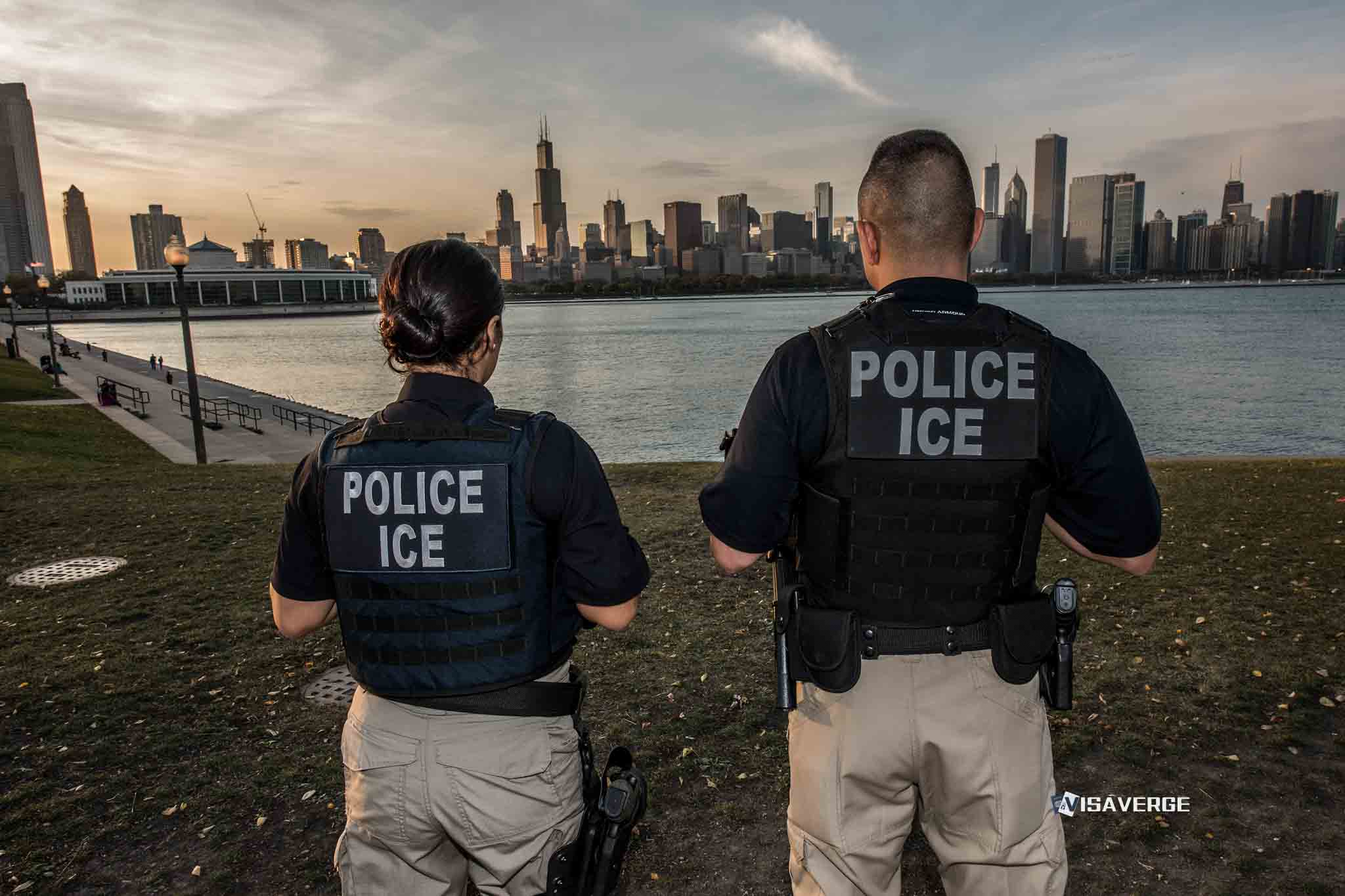
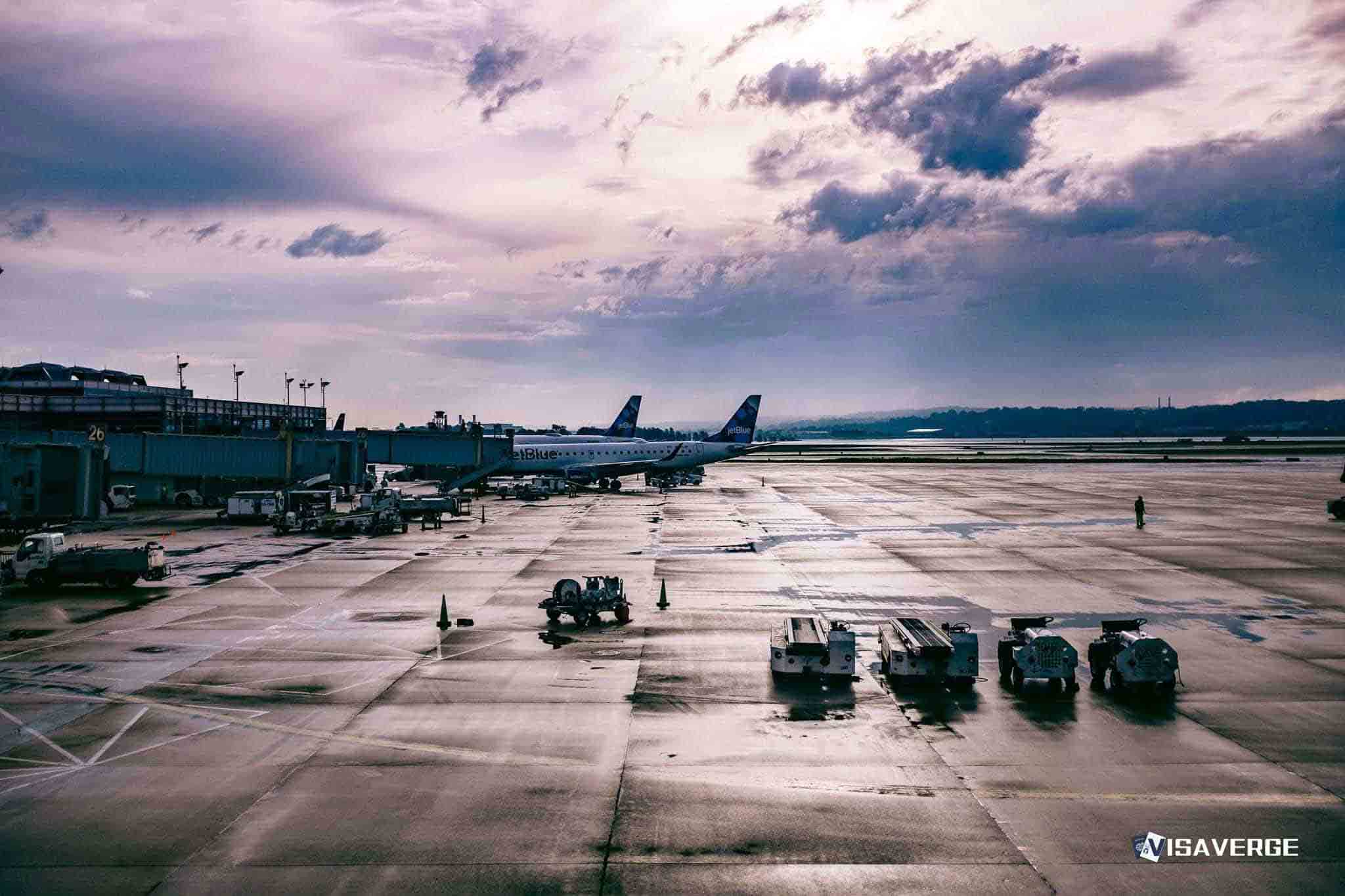
- ICE has expanded airport enforcement operations across at least fifteen major United States transit hubs during twenty twenty-six.
- Travelers with pending immigration applications face increased risks of detention even when carrying valid work permits.
- Authorities maintain the power to inspect electronic devices and question travelers at both international and domestic terminals.
ICE has expanded airport enforcement in 2026. Reported arrests now include visa overstays and some green card applicants at U.S. airports, including check-in counters and arrival gates, in at least 15 airports. A valid travel document is not a shield. It does not stop questioning, inspection, or detention when officers say they have grounds. The airport is now part of the enforcement map.
Pending cases have become part of the risk. Travelers waiting on green cards, visa extensions, or other immigration benefits have turned up in airport arrests, even when they carried work permits. A pending application is not approved status. Officers have focused on that gap, and it has turned routine travel into an enforcement point.
Domestic terminals are not automatically off-limits. ICE can arrest where it has legal authority, while TSA screening is not an immigration admission process. International arrivals carry more risk, because CBP can inspect identity, admissibility, and travel papers at the border. Entry is the choke point. A flight does not reset status.
Free toolB1/B2 Tourist Visa Stay Calculator onlineGreen card holders face closer review in some cases. Long trips, especially absences of more than six months, can draw attention, as can certain convictions or national security-related issues. Abandonment issues can follow too. Paper status can still raise questions. Keep the card in hand.
Visa holders are not immune once they reach the airport. Valid travel documents do not guarantee immunity from questioning, inspection, or detention if immigration authorities believe there is a basis to act. That can matter even before a flight leaves the gate. The document may help, but it does not end the stop.
Students and workers often need extra forms. Form I-20, Form I-797, employment authorization, and the contact details for an immigration lawyer can all matter. If you have a Form G-28, keep that too. The stack travels with you. When officers ask for documents, the paper trail should already be in order. It should not be assembled at the counter.
The documents should match the status
| Traveler type | Papers to carry | Watch for |
|---|---|---|
| Visa holders | Passport, visa stamp, Form I-94, and any approval notices or status documents tied to the stay | Questioning, inspection, or detention if officers think they have a basis |
| Green card holders | Passport and physical green card | Extra review after more than six months outside the U.S., certain convictions, or national security-related issues |
| Students and workers | Form I-20, Form I-797, employment authorization, contact details for your immigration lawyer, and Form G-28 if you have one | Extra scrutiny when the case is still open |
The stop can move from a bag check to a status question in one conversation. That is why the first questions matter. Who is stopping you? Why? The answers shape the rest of the encounter.
If the stop starts, keep the questions short
- Stay calm.
- Do not resist.
- Ask which agency is stopping you.
- Ask whether you are being detained.
- Ask for the legal reason.
- Give truthful identity and status information.
- Ask for an interpreter if needed.
Inspectors can search devices. They may also take them for review. Refusing inspection can carry consequences at the border.