- TSA provides ICE with airline reservation data to identify noncitizens before domestic flights.
- Enforcement actions target civil immigration violations, including expired visas and pending applications.
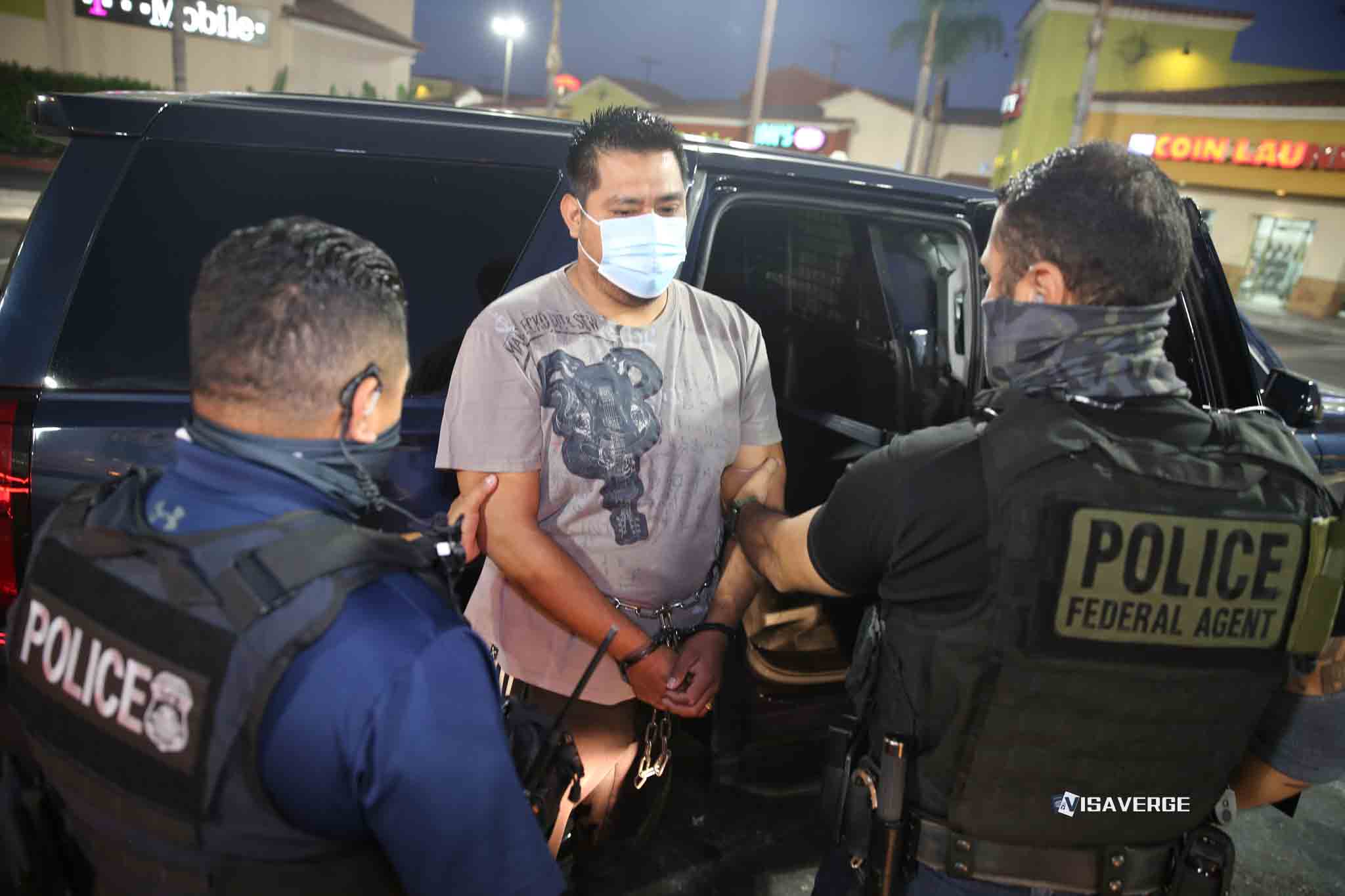
- ICE agents operate in secured airport areas like checkpoints and gates at major hubs.
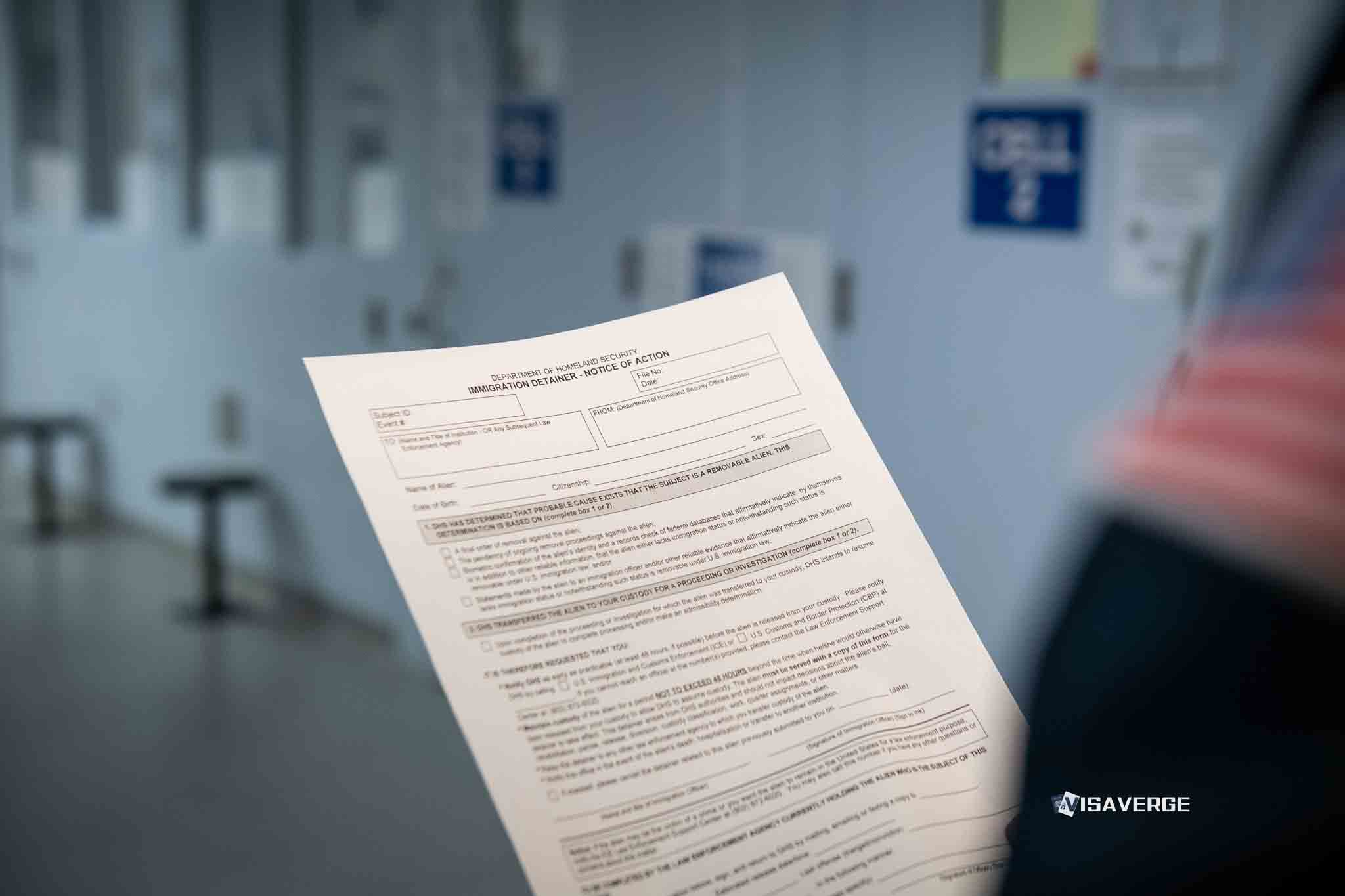
The TSA Tip-Off Program uses airline reservation data to help ICE identify some noncitizens before domestic flights, according to federal policy documents and statements from the Department of Homeland Security. Agents can then approach travelers at airport checkpoints, gates, or check-in counters.
The process begins with passenger information. TSA provides ICE with domestic-flight lists containing names, dates of birth, and other biographic data, according to the description of the agencies’ data-sharing arrangement.
Free toolUSCIS Receipt Number Decoder
ICE compares those records with its enforcement databases. The checks can identify people who overstayed visas or have outstanding removal orders. Some arrests occur even when the underlying issue involves a civil immigration violation rather than a criminal conviction.
A May 2025 Memorandum of Agreement between TSA and ICE established the terms for that exchange. The agreement says, “ICE will share information with TSA to identify individuals of interest to ICE in furtherance of its law enforcement mission.”
The document also outlines the “terms, conditions, and safeguards under which ICE and TSA will share information.” Its effect, according to the policy description, reaches beyond people with criminal records.
ICE agents may work in plainclothes. Airports provide controlled settings where officers can locate and contain a person identified through reservation data.
The data exchange begins before a passenger reaches the gate
Airline reservations give the agencies an advance list of people scheduled to travel domestically. TSA’s records can include a traveler’s name, birth date, and biographic details.
ICE then searches its own databases for possible matches. Those searches can flag expired visas, removal orders, or other immigration records tied to a traveler.
The arrangement does not describe airport enforcement as a traditional workplace or neighborhood raid. Officers instead meet travelers in secured areas, including security checkpoints and departure gates.
A DHS spokesperson defended the practice on July 30, 2026:
“Information sharing between ICE and TSA is essential in identifying who is attempting to travel in our country, including violent criminals, to keep our skies and our country safe.”
The statement framed the exchange as a public-safety measure. The policy description also says the targeting expanded to civil immigration violations, including visa overstays that may have lasted only a short time.
Pending applications do not necessarily end the airport risk
The 2026 policy change reaches people whose immigration cases remain unresolved. That group can include applicants waiting for green card extensions, work permits, or asylum decisions after their original visas expired.
Some travelers remain in what immigration lawyers call a status limbo. The research describes people married to U.S. citizens who were waiting for green card interviews when officers arrested them at airport gates.
The change also revoked an earlier policy that allowed some noncitizens without permanent status to use immigration documents, including pending asylum notices, to board domestic flights. DHS formally withdrew that approach in 2026.
A DHS official statement issued August 1, 2026, described the administration’s position this way:
“This administration works diligently to ensure that foreigners who are in our country illegally can no longer fly, unless it is to leave the country and self-deport.”
The statement uses broad language. Individual travel and arrest consequences can depend on a person’s immigration history, current documents, and the jurisdiction involved.
Arrests have reached major airport hubs
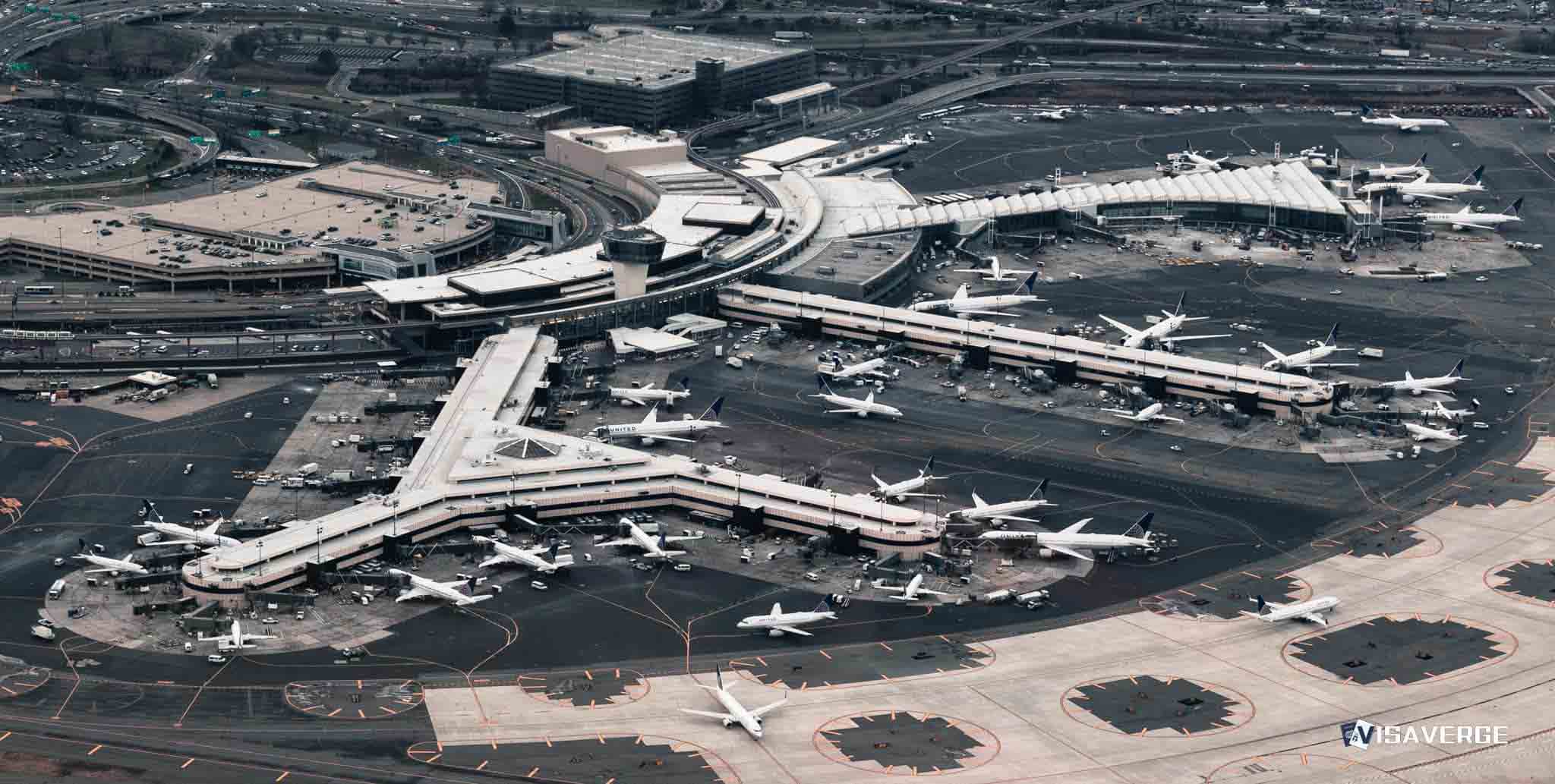
Airport enforcement has been documented at more than 15 major hubs. The locations identified include San Francisco International Airport, Washington Dulles International Airport, Houston’s George Bush Intercontinental Airport, and New York’s LaGuardia Airport.
The arrests can affect travelers who previously ranked below ICE’s enforcement priorities. The policy description specifically includes people with pending immigration applications and expired underlying visas.
The scale of the enforcement effort is also tied to arrest expectations. A reported ICE goal calls for approximately 2,000 to 3,000 daily arrests, making airports an efficient setting for locating people who have already identified themselves through travel reservations.
That number is a reported enforcement target, not a count of airport arrests. The material describes airport operations as one method officials view as capable of helping meet it.
Trusted Traveler benefits can also be withdrawn
DHS has reportedly begun revoking Trusted Traveler privileges, including Global Entry and TSA PreCheck, from people suspected of immigration violations. The reported revocations have also involved individuals who record or protest ICE activity at airports.
Losing those benefits can change how a traveler moves through an airport. Global Entry and TSA PreCheck are separate from immigration status, but the department’s reported actions connect their continued use to broader enforcement decisions.
The agencies’ arrangement places airport travel inside the enforcement process before boarding. A reservation can generate a data match, and that match can bring officers to a traveler’s location while the person remains inside a secured airport area.
Immigration records can be complex, especially when a person has a pending application, an expired visa, or a removal order. This article provides general information and is not legal advice. Consult a qualified immigration attorney about your specific case.