- TSA and ICE linked passenger security data to domestic immigration enforcement in a sixteen-page agreement.
- Internal data reveals eight hundred immigration-related arrests following the monitoring of over thirty-one thousand travelers.
- Enforcement targets include travelers with pending cases, such as asylum seekers and those awaiting green card adjustments.
The Transportation Security Administration and Immigration and Customs Enforcement signed a 16-page agreement that links passenger security data to domestic immigration enforcement, while redactions conceal key details behind recent airport arrests. American Oversight obtained the document on July 28, 2026, after suing under the Freedom of Information Act.
The agreement, signed in May 2025, allows ICE to provide TSA with lists of “individuals of interest.” TSA checks its Secure Flight databases for matching reservations and alerts ICE when a person is scheduled to travel.
Free toolREAL ID Requirements Checker tool
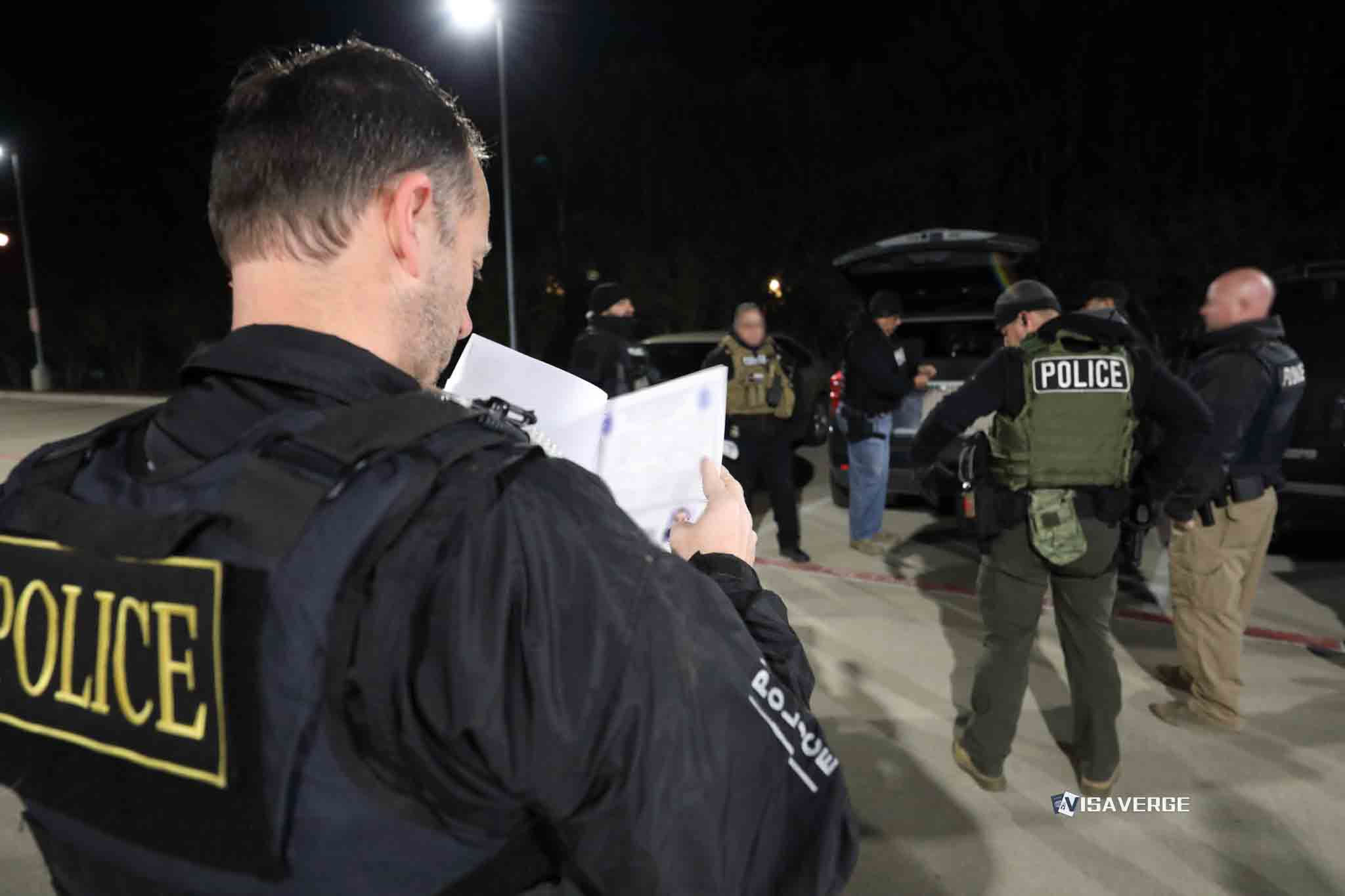
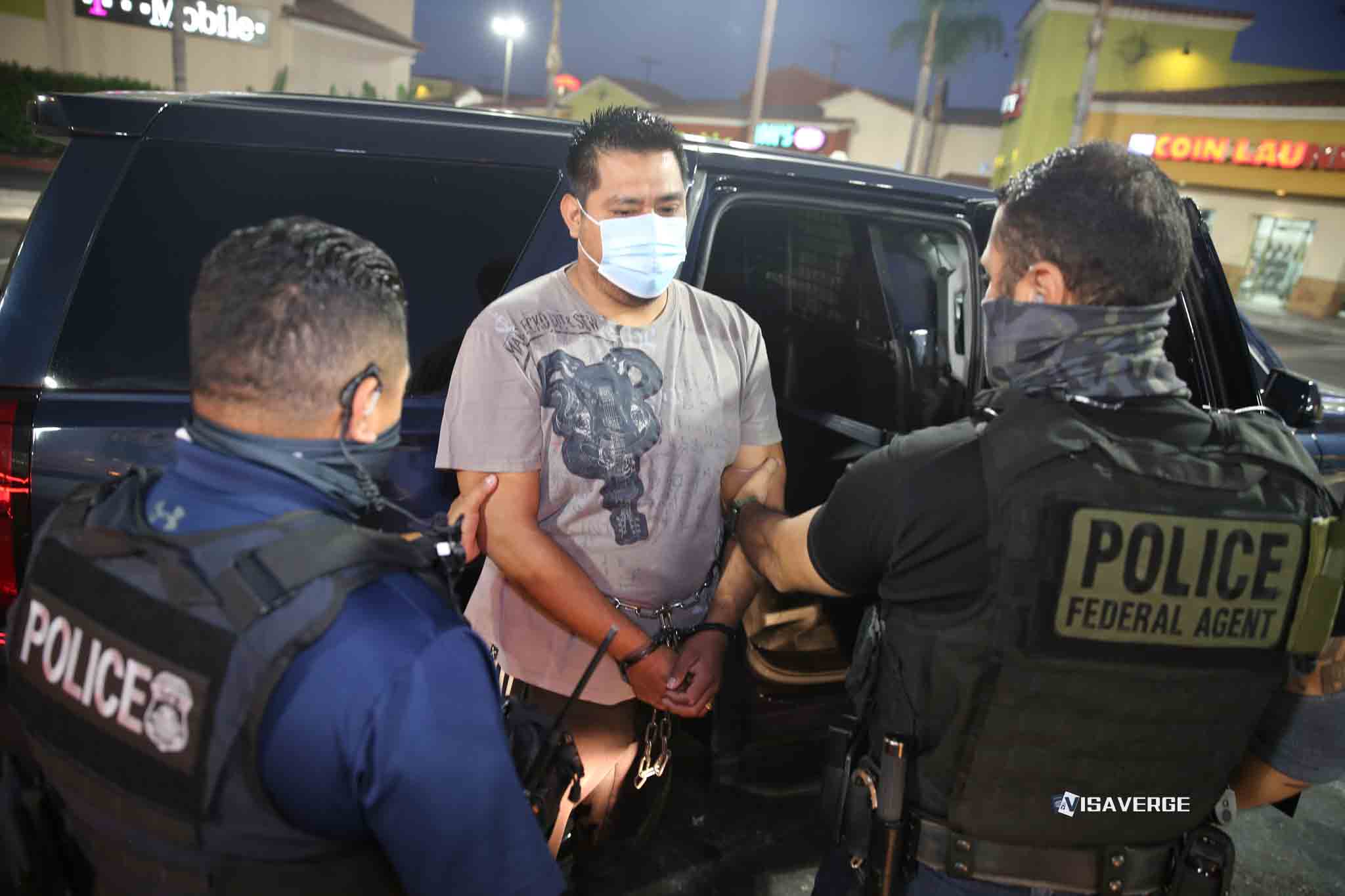
Agents can then wait at check-in counters or gates. At least 800 immigration-related arrests followed information-sharing involving more than 31,000 travelers between early 2025 and February 2026, according to internal data.
The released document does not show the full operating process. Appendices A, B and C contain extensive redactions covering the data elements exchanged and the technical procedures used to identify “name matches” at security checkpoints.
The agreement uses an aviation security system for immigration checks
The TSA-ICE data-sharing agreement cites the 2008 Secure Flight Final Rule as its legal foundation. That rule authorized TSA to collect a traveler’s full name, date of birth and gender to screen passengers against terrorist watchlists.
The arrangement described in the document extends that screening infrastructure to immigration enforcement. ICE supplies names, TSA searches its passenger records, and the agency sends an alert when a match appears.
The sequence is direct. A scheduled flight can give ICE officers a location and timing for an encounter before departure.
DHS defended the policy on July 29, 2026, describing it as a reversal of earlier enforcement practices. A department spokesperson said:
“DHS reversed the horrendous Biden-era policy that allowed aliens in our country illegally to jet around our country.”
Acting TSA Administrator Ha Nguyen McNeill gave Congress a different description of the agency’s role in January 2026. She said TSA was assisting DHS while operating within its legal authority.
“We are supporting the mission of our colleagues at the Department of Homeland Security, and that includes enforcement of immigration laws. [TSA is acting] within our authorities to share information within the Department of Homeland Security to further the national security mission.”
Redacted appendices leave the matching rules out of view
The agreement identifies three attachments, but the released pages obscure how the system determines whether a traveler matches an ICE list. The redactions also cover which passenger information TSA sends or makes available.
That gap has sharpened a dispute over how TSA previously described the practice. In early 2026, agency leaders told Congress that TSA did not “send information to ICE” and instead only “helps ICE check against information.”
The document describes a formal partnership involving recurring lists, database checks and alerts. Critics say that structure represents a more active relationship than the earlier testimony suggested.
The administration has also reportedly pressed ICE to reach 2,000 to 3,000 daily arrests. The passenger-data program operates within that wider enforcement push.
Travelers with pending cases have faced encounters at major airports
The enforcement does not center only on people with final deportation orders. The groups identified in the research include noncitizens with pending asylum applications, expired visas awaiting renewal and green card applications through adjustment of status.
| Group identified in the enforcement activity | Immigration posture described |
|---|---|
| People with final deportation orders | Subject to removal enforcement |
| Asylum applicants | Applications remain pending |
| Visa holders | Visas expired while renewals awaited |
| Green card applicants | Adjustment of Status cases pending |
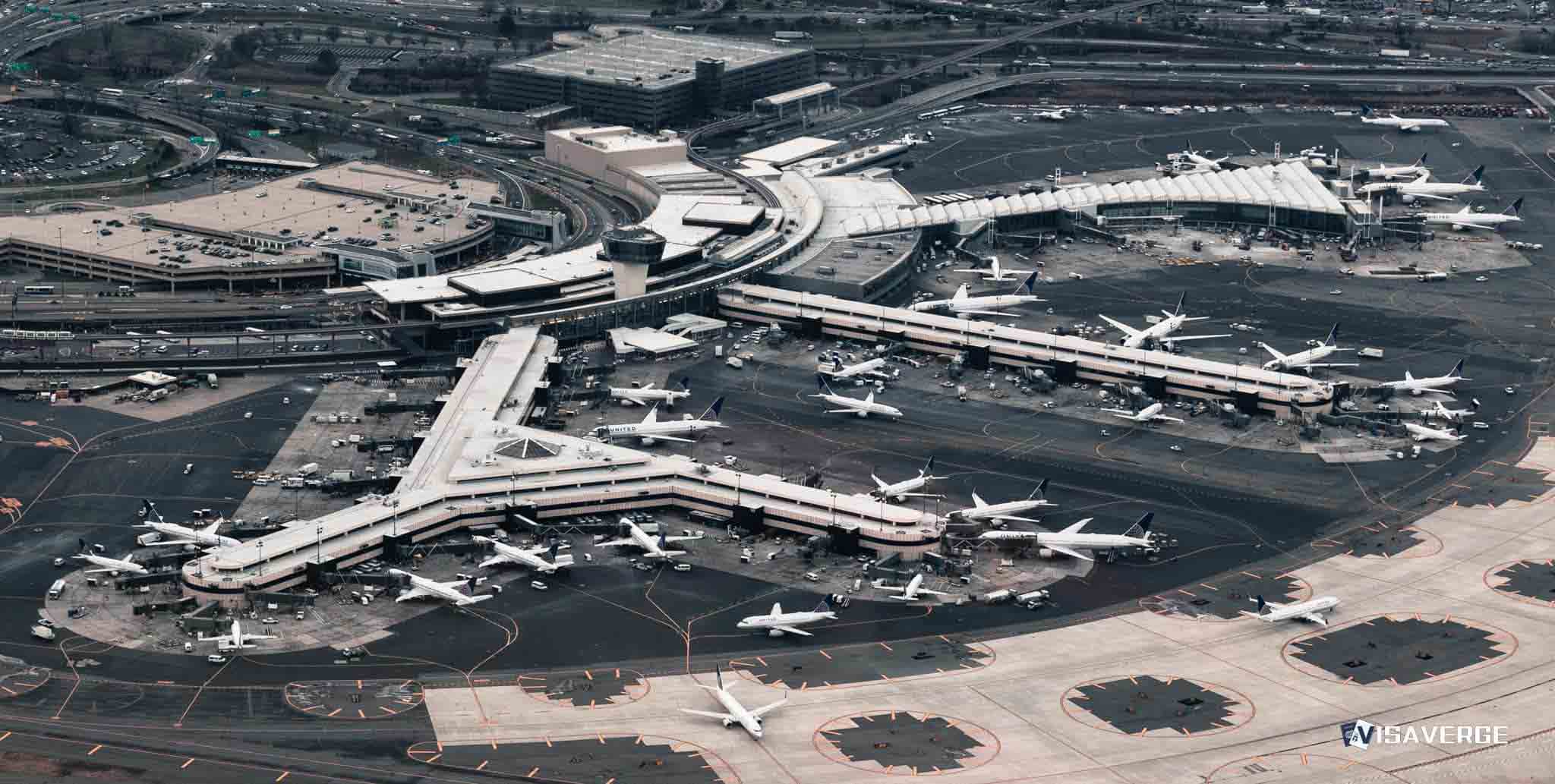
Plainclothes ICE agents have been reported at at least 15 major U.S. airports. Those locations include Houston, Denver, Atlanta and Boston, identified by their airport codes HOU, DEN, ATL and BOS.
In July 2026, agents detained 18-year-old student Alim Garipov at Houston Hobby Airport. He had a pending asylum application and no criminal record.
The case illustrates how the program can affect people whose immigration matters remain unresolved. A pending application does not itself prevent an enforcement encounter.
The release follows a lawsuit over access to the agreement
American Oversight sought the memorandum through a FOIA lawsuit. The organization’s effort produced a partial release rather than an unredacted copy of the 16-page document.
The Department of Homeland Security has defended the collaboration as a return to stricter enforcement protocols. TSA’s administrator has likewise framed the information-sharing as part of DHS’s national security mission.
A separate July 27, 2026 statement from USCIS Director Joseph Edlow addressed the asylum system and work authorization. Edlow said:
“For far too long the asylum system has been exploited for purposes of delay and work authorization. this rule will help ensure that resources are directed to the timely adjudication of those claims.”
The memorandum’s redactions leave the scope of the matching process unresolved in the public record. The released pages nevertheless describe a system in which a planned domestic flight can alert immigration officers to a traveler’s whereabouts.
This article provides general information and is not legal advice. Consult a qualified immigration attorney about your specific case.