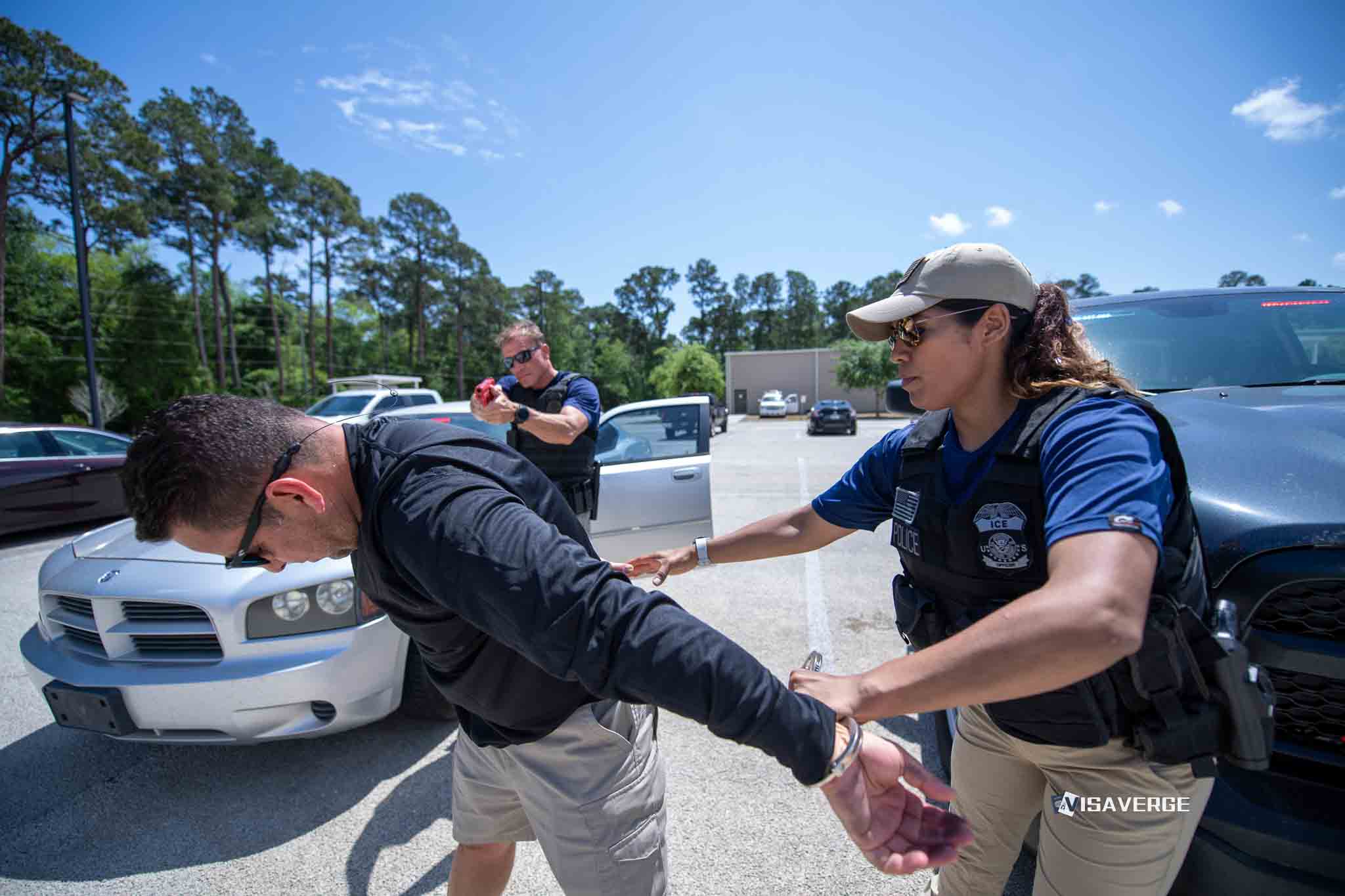
- ICE agents have targeted at least 15 U.S. airports for plainclothes immigration enforcement operations since early 2026.
- A formal data-sharing agreement shares passenger information from TSA with ICE to identify travelers before arrival.
- Enforcement actions have resulted in over 800 arrests among more than 31,000 traveler records shared since 2025.
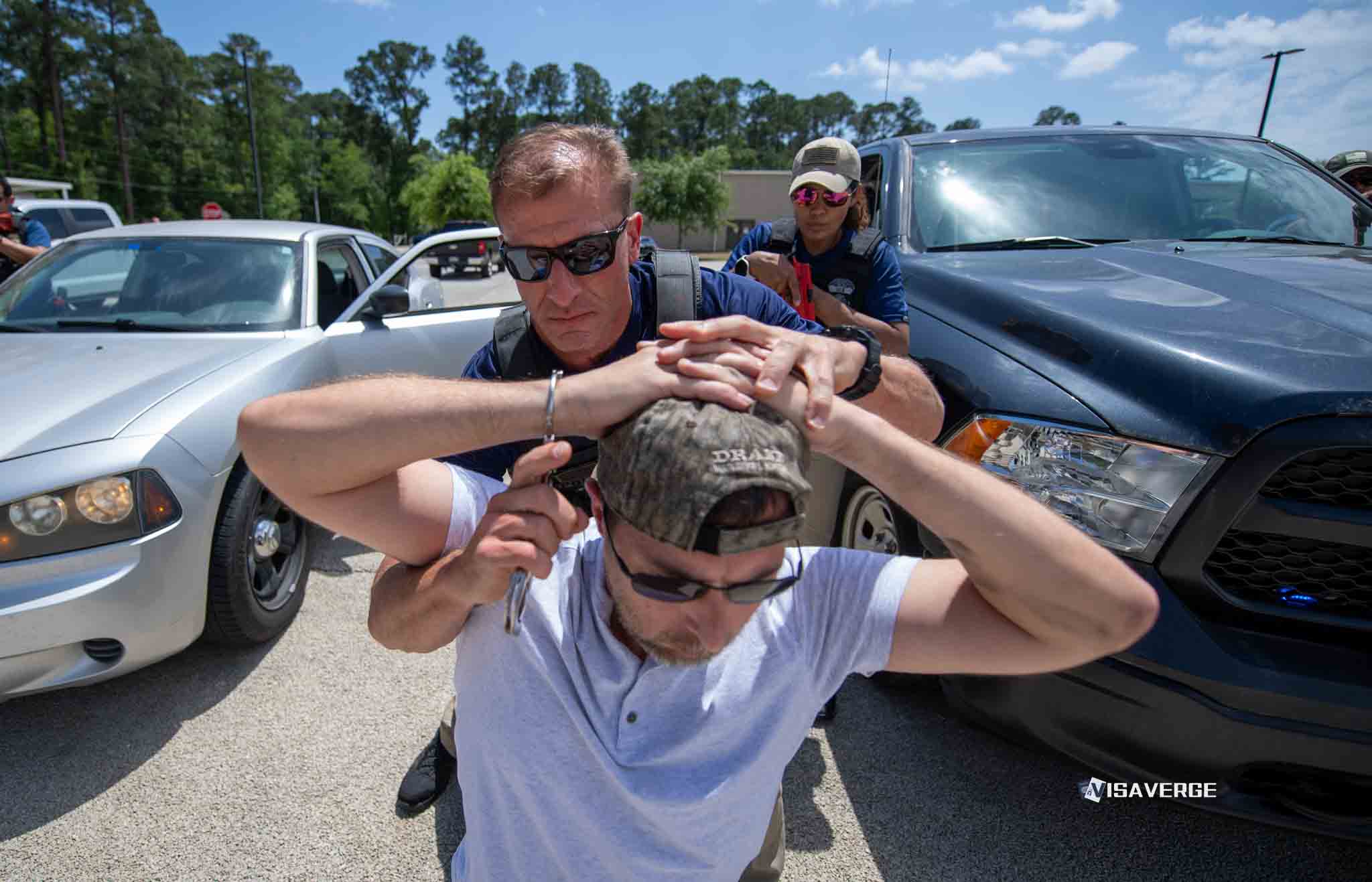
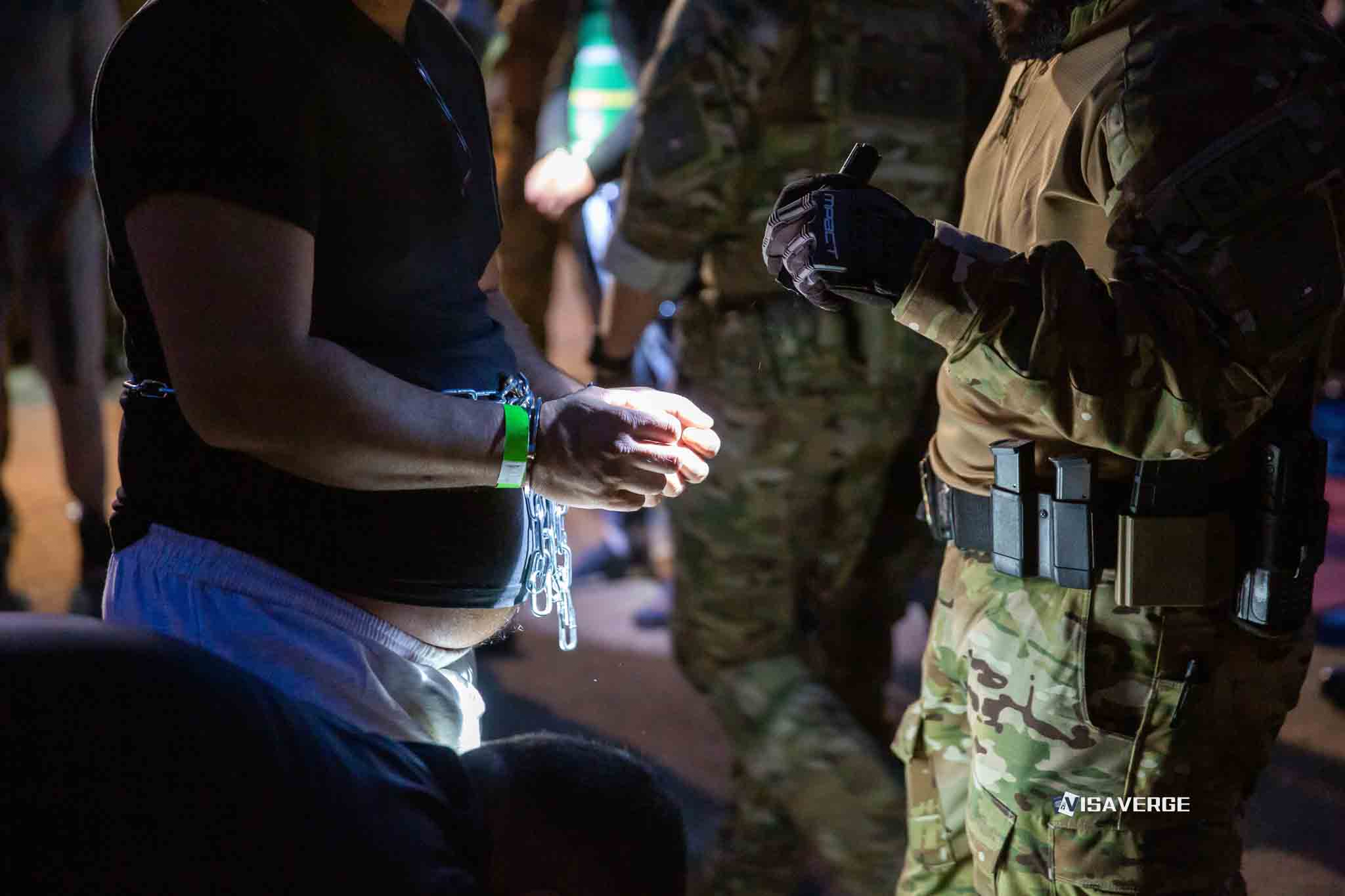
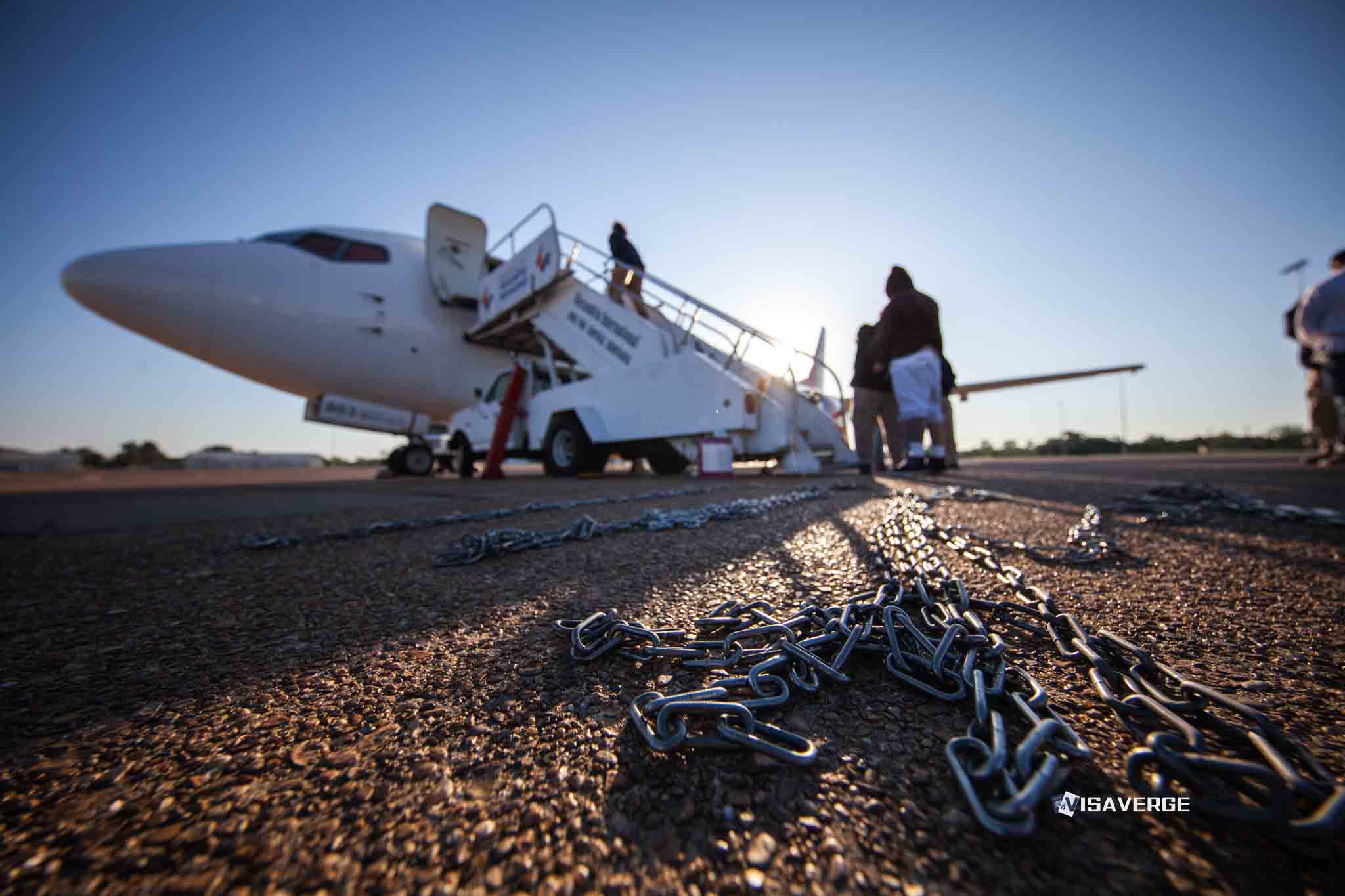
An investigation has mapped at least 15 U.S. airports where ICE agents conducted plainclothes arrests in recent weeks, extending immigration enforcement into check-in areas, arrival gates and jetways. The operation has affected people with criminal records as well as travelers with pending immigration cases, according to the investigation and official statements.
The agents use Secure Flight passenger information shared by the Transportation Security Administration to identify people before they reach the airport. The records include names, dates of birth and passport numbers.
Free toolUSCIS Receipt Number Decoder
A May 2025 Memorandum of Agreement formalized the data-sharing arrangement between TSA and ICE for civil immigration enforcement. Records shared since early 2025 cover more than 31,000 travelers and have led to more than 800 arrests, according to reports cited in the investigation.
The Department of Homeland Security defended the policy on July 29, 2026. A department spokesperson said the administration would restrict domestic air travel by people it considers unlawfully present in the United States.
“DHS reversed the horrendous Biden-era policy that allowed aliens in our country illegally to jet around our country. Under President Trump, DHS will no longer tolerate this. This administration is working diligently to ensure that aliens in our country illegally can no longer fly unless it is out of our country to self-deport.”
The operation began in a different form during a partial government shutdown in March 2026, when immigration agents went to airports to help address TSA staffing shortages. By July, the airport assignment had become a permanent immigration-enforcement program, according to the investigation.
Agents have appeared at 15 airports across the country
The mapped locations include major hubs on both coasts, in the South and across the interior West:
| Region | Airport | Code |
|---|---|---|
| East Coast | Boston Logan | BOS |
| East Coast | Bradley International | BDL |
| East Coast | New York | JFK and LGA |
| East Coast | Philadelphia | PHL |
| East Coast | Washington Reagan | DCA |
| West Coast and interior West | Los Angeles | LAX |
| West Coast and interior West | San Francisco | SFO |
| West Coast and interior West | Denver | DEN |
| West Coast and interior West | Las Vegas | LAS |
| West Coast and interior West | Salt Lake City | SLC |
| West Coast and interior West | Burbank | BUR |
| South and Central | Hartsfield-Jackson Atlanta | ATL |
| South and Central | Houston | IAH |
| South and Central | Nashville | BNA |
The agents have worked near airline counters, gates and boarding areas. Their use of passenger data allows the agency to select travelers before arrival, rather than waiting for a separate encounter with immigration officers.
Officials describe the targets differently
Acting Assistant Secretary Lauren Bis said June 4 that immigration status, rather than a traveler’s location or itinerary, determines who can become an enforcement target.
“What makes someone a target for immigration enforcement is whether or not they are illegally in the U.S. — full stop. Speculation to the contrary is ill-informed.”
Border Czar Tom Homan described a broader airport mission on July 20. He said agents would pursue people accused of serious crimes, while also looking for trafficking and smuggling activity.
“ICE isn't leaving the streets at all. We're going to arrest criminals going through the airport. We're going to look for human trafficking, sex trafficking, money smuggling.”
Bis said July 22 that agents had arrested people accused of attempted murder, child rape and human trafficking. She also said nearly 70% of ICE arrests involved people charged or convicted of a crime in the United States.
The investigation describes a wider group of airport detainees. It included people with pending asylum cases, work visa extensions and green card applications, including spouses of U.S. citizens. DACA recipients whose renewals have stalled amid policy changes and processing delays also faced detention.
A Southwest Airlines flight attendant and an engineer traveling for business were among the domestic travelers detained, according to the investigation. The arrests have raised concerns among workers holding temporary legal status.
The data agreement supports civil immigration enforcement
The May 2025 agreement gives immigration authorities access to passenger information collected through the federal flight-screening system. That arrangement changed the role of airport data from a security-screening resource into an immigration-enforcement tool.
The reported figures show the scale of the system: more than 31,000 traveler records shared since early 2025 and more than 800 resulting arrests. DHS denies that ICE operates under arrest quotas, while internal ICE sources said the White House pressured the agency to reach 2,000 arrests per day.
Those accounts describe two competing explanations for the operation. Public statements emphasize criminal enforcement and public safety. The airport arrests documented in recent weeks also include travelers whose immigration matters remain pending.
Historically, domestic air travel was viewed as relatively safe for undocumented travelers and people with unresolved immigration status when they had no criminal record. The airport deployments have narrowed that practical distinction.
DHS’s public position is that people unlawfully present should not fly within the country unless they are leaving the United States to self-deport. The policy therefore reaches beyond international departure points and into domestic travel corridors.
The operation’s airport footprint now spans Boston, New York, Philadelphia, Washington, Atlanta, Houston, Nashville, Los Angeles, San Francisco, Denver, Las Vegas, Salt Lake City and Burbank. The investigation identified the arrests in recent weeks, while the department’s July 29 statement set out the administration’s stated direction.
This article provides general information and is not legal advice. Consult a qualified immigration attorney about your specific case.