- Noncitizens should carry original status documents during domestic air travel to avoid potential ICE enforcement.
- A TSA-ICE agreement shares passenger information to identify individuals for immigration questioning at airport terminals.
- Increased risk exists for visa overstayers and those with pending applications for extensions or asylum.
Immigration attorneys are urging noncitizens to carry original status documents when flying after the disclosure of a TSA agreement that shares passenger information with ICE. The guidance addresses encounters in airport terminals, including travelers whose immigration applications remain pending.
A May 2025 Memorandum of Agreement between the Transportation Security Administration and Immigration and Customs Enforcement became public in late July 2026. Practitioners at Reddy Neumann Brown PC and Mayer Brown described plainclothes agents approaching travelers at check-in counters and gates.
Free toolUSCIS Receipt Number Decoder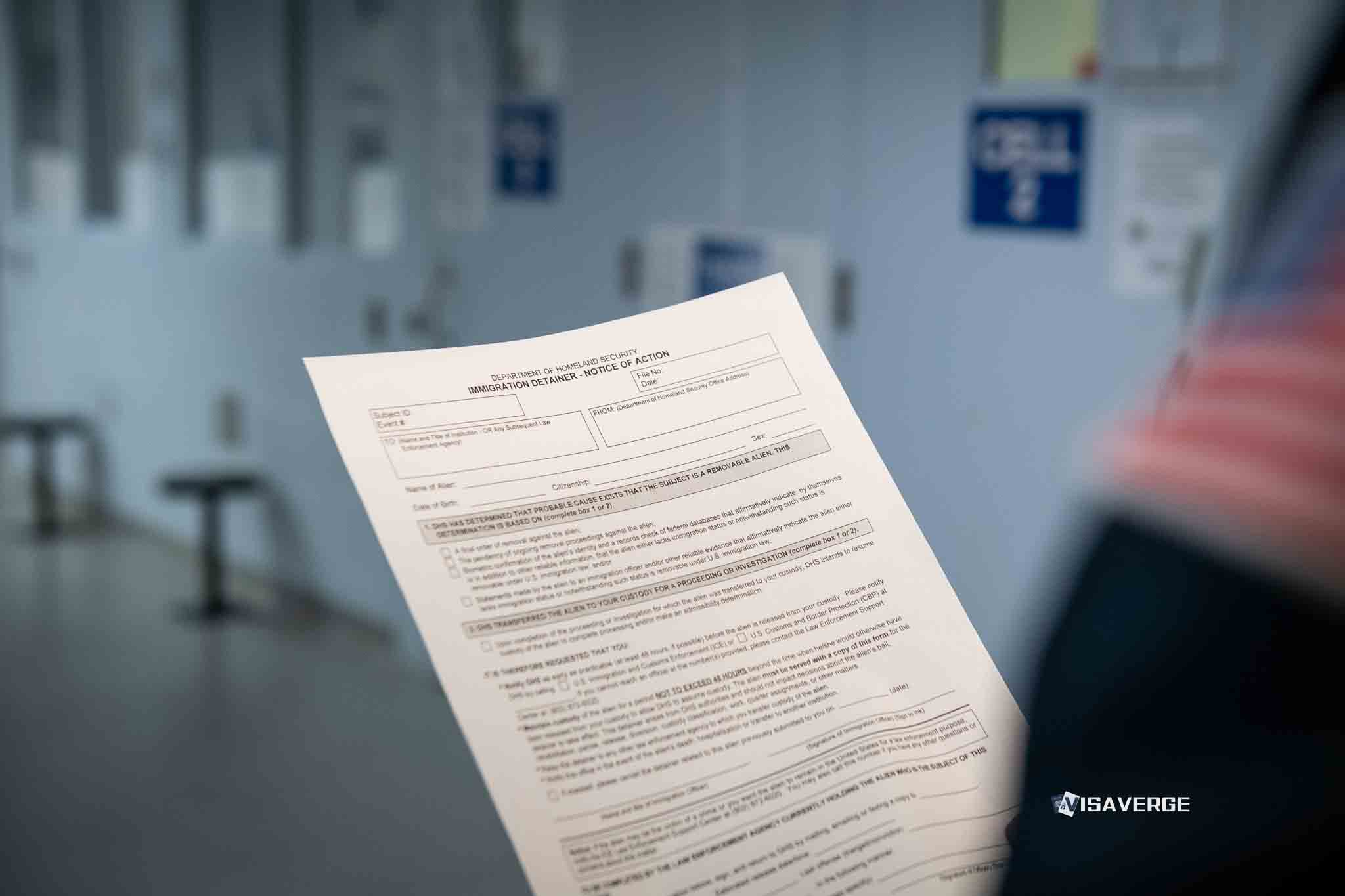
The prospect of an ICE arrest extends beyond travelers with criminal records or final removal orders. Current practitioner checklists also identify visa overstayers, including some people awaiting decisions on extension, adjustment of status, or asylum applications.
The guidance emerged after a DHS policy shift involving passenger data and immigration enforcement. It comes as federal officials have emphasized carrying proof of registration and immigration status during travel.
Travelers should assemble original records before reaching the airport
Immigration attorneys recommend carrying a valid, unexpired passport along with original proof of immigration status. That may include an original Green Card, an unexpired Employment Authorization Document (EAD), or a valid visa.
Travelers should also carry a physical copy of Form I-94, the Arrival/Departure Record. The record should show an unexpired “Admit Until” date.
A pending case calls for additional documentation. People whose status has expired while an extension or adjustment application remains pending should carry the original Form I-797 (Receipt Notice) from U.S. Citizenship and Immigration Services.
Keep legal contact information available.
Form I-94, any original Form I-797 (Receipt Notice), and either a “G-28” representation card or your immigration attorney’s phone number.The checklist applies to domestic air travel by non-U.S. citizens. It is designed to help travelers show identity, status, admission records, and pending-case documentation during an encounter.
The risk categories turn on immigration history and current status
The practitioner assessments place people with a final order of removal or a prior criminal record in the high-risk category. They classify visa overstayers as increased risk when a physical visa stamp or Form I-94 has expired.
That category can include someone with a pending application for an extension, adjustment of status (Green Card), or asylum. A pending filing does not eliminate the need to carry the receipt notice and other status records identified in the checklist.
F, J, and I Visa Holders fall into a moderate-risk category under the guidance. The assessments connect that scrutiny to the July 16, 2026, “Fixed Period of Stay” rule and to maintaining full-time enrollment and status.
Lawful Permanent Residents with no criminal record fall into the low-risk category when they carry their physical Green Card. These categories come from practitioner guidance rather than a formal government classification.
DHS described the data sharing as a security measure
A Department of Homeland Security spokesperson confirmed the program on July 30, 2026. The spokesperson said the arrangement helps identify people attempting to travel in the United States, including people described by the department as violent criminals.
“Information sharing between ICE and TSA is essential in identifying who is attempting to travel in our country, including violent criminals, to keep our skies and our country safe.”
DHS officials stated on August 2, 2026, that the administration wants people it considers unlawfully present to leave the country rather than fly within it.
“Aliens in our country illegally can no longer fly unless it is out of our country to self-deport.”
The statements followed the disclosure of the May 2025 agreement. The arrangement has become the central issue behind the new airport travel checklists.
A June rule adds a registration-document requirement
DHS published a final rule on June 29, 2026, identified as 89 FR 44976. The rule makes it a “civil and criminal enforcement priority” for all noncitizens over 18 to carry evidence of registration at all times.
Examples include a Green Card or Form I-94. The rule covers domestic travel.
The registration requirement sits alongside the practitioner checklist. Travelers may therefore need to keep both status records and evidence of registration accessible during a trip.
More than 15 major hubs have seen enforcement activity
Practitioners have documented enforcement actions at over 15 major airport hubs since late July 2026. The locations identified in the guidance include:
| Airport code | Location |
|---|---|
| SFO | San Francisco |
| DEN | Denver |
| ORD | Chicago |
| ATL | Atlanta |
| JFK | New York |
Historically, airport enforcement focused on people with active warrants or deportation orders. The newer guidance also addresses “technical” overstays, meaning people who may be legally present while awaiting a USCIS decision even though their original visa stamp has expired.
That combination can involve a pending application, an expired admission document, and a person’s broader immigration history. An attorney can assess those facts before travel.
Watchdog groups questioned how passenger data is used
American Oversight said on July 28, 2026, that a TSA official had previously testified to Congress that passenger data was not being used for immigration enforcement. The May 2025 agreement appears to contradict that testimony, the watchdog group said.
DHS has characterized the sharing as a way to identify people attempting to travel, while the checklists focus on how the arrangement may affect noncitizens with unresolved cases or expired documents.
The National Immigration Law Center (NILC) and the American Immigration Lawyers Association (AILA) circulated travel-risk materials in late July 2026. Those materials prompted the title “Are You at Risk of ICE Arrest at the Airport? Checklist for Visa Holders?”
No single document with that title came from the U.S. government. The practical guidance instead appears in the broader set of checklists and travel-risk assessments being distributed by immigration legal groups.
This article provides general information and is not legal advice. Consult a qualified immigration attorney about your specific case.