- Travelers should remain calm and polite during airport questioning by ICE or CBP agents.
- Always ask if you are free to leave or being detained before answering questions.
- Exercising your right to remain silent and requesting a lawyer are critical protections.
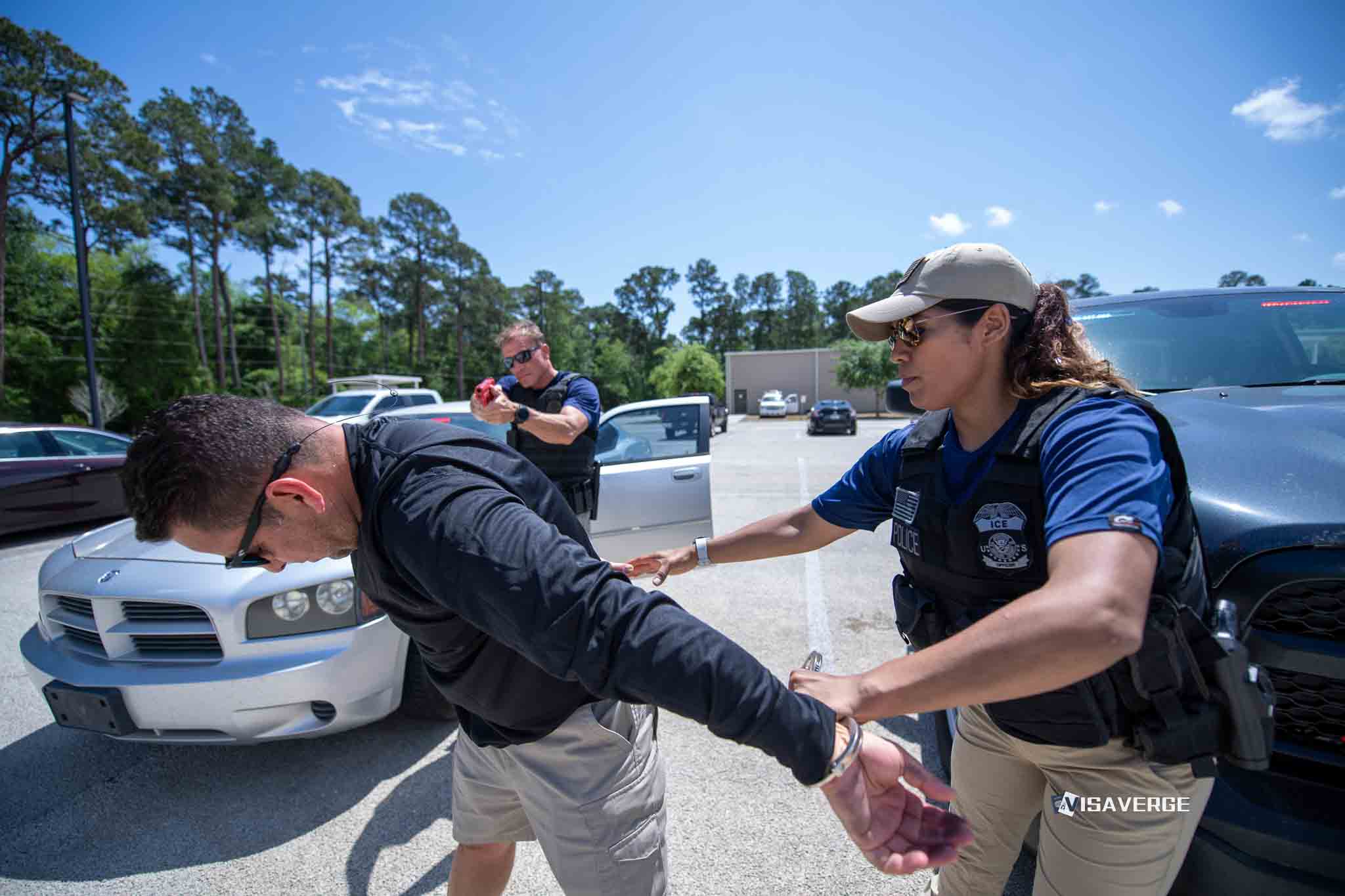
ICE can stop a traveler at a U.S. airport, where a routine trip may quickly become immigration questioning or detention. Stay calm, keep your hands visible, and do not run, argue, or physically resist.
Ask, “Am I free to leave?” If the officer says yes, walk away calmly. If the answer is no, ask which agency is involved and why you are being stopped. Then say you want a lawyer and invoke your right to remain silent.
The agency matters. Immigration officers, Customs and Border Protection, the Transportation Security Administration, local police, and other officials may have different roles and authority. TSA screening remains separate from immigration enforcement, so passing through a security checkpoint does not by itself require answers to unrelated immigration questions.
Keep responses brief. You do not have to answer questions about your immigration status, birthplace, or how you entered the country. Do not assume that prolonged questioning means you are free to go. Ask directly whether you are being detained.
Ask who is questioning you and whether you can leave
Use short, clear questions before explaining anything about your case:
- Ask whether you are free to leave. If the officer says yes, leave without arguing.
- Ask which agency is stopping you. The contact could involve immigration officers, CBP, TSA, local police, or another department.
- Ask the reason for the stop.
- If questioning continues, ask whether you are being detained.
- If you are detained, request a lawyer immediately and avoid discussing your case with anyone else when possible.
Do not lie or present false documents. Do not claim to be a U.S. citizen if you are not one. Keep your answers limited rather than volunteering explanations about your immigration history.
Airport encounters can involve broader inspection authority than an ordinary street stop. A calm, minimal-response approach helps keep the encounter focused while you seek legal assistance.
State your objection before a search
You may clearly say that you do not consent to a search of your body, phone, luggage, or other belongings. Do not physically interfere if officers proceed. State your objection, remain calm, and follow lawful instructions.
A request to search does not require you to agree. Say that you do not consent, then ask whether you are free to leave or being detained. The same approach applies if an officer asks to examine a phone, open luggage, or inspect another possession.
Do not unlock a device or open a bag simply to end the conversation. Airport and port-of-entry encounters may give officers broader inspection authority than a typical street stop, so a traveler should avoid both resistance and unnecessary explanations.
Do not sign papers you do not understand
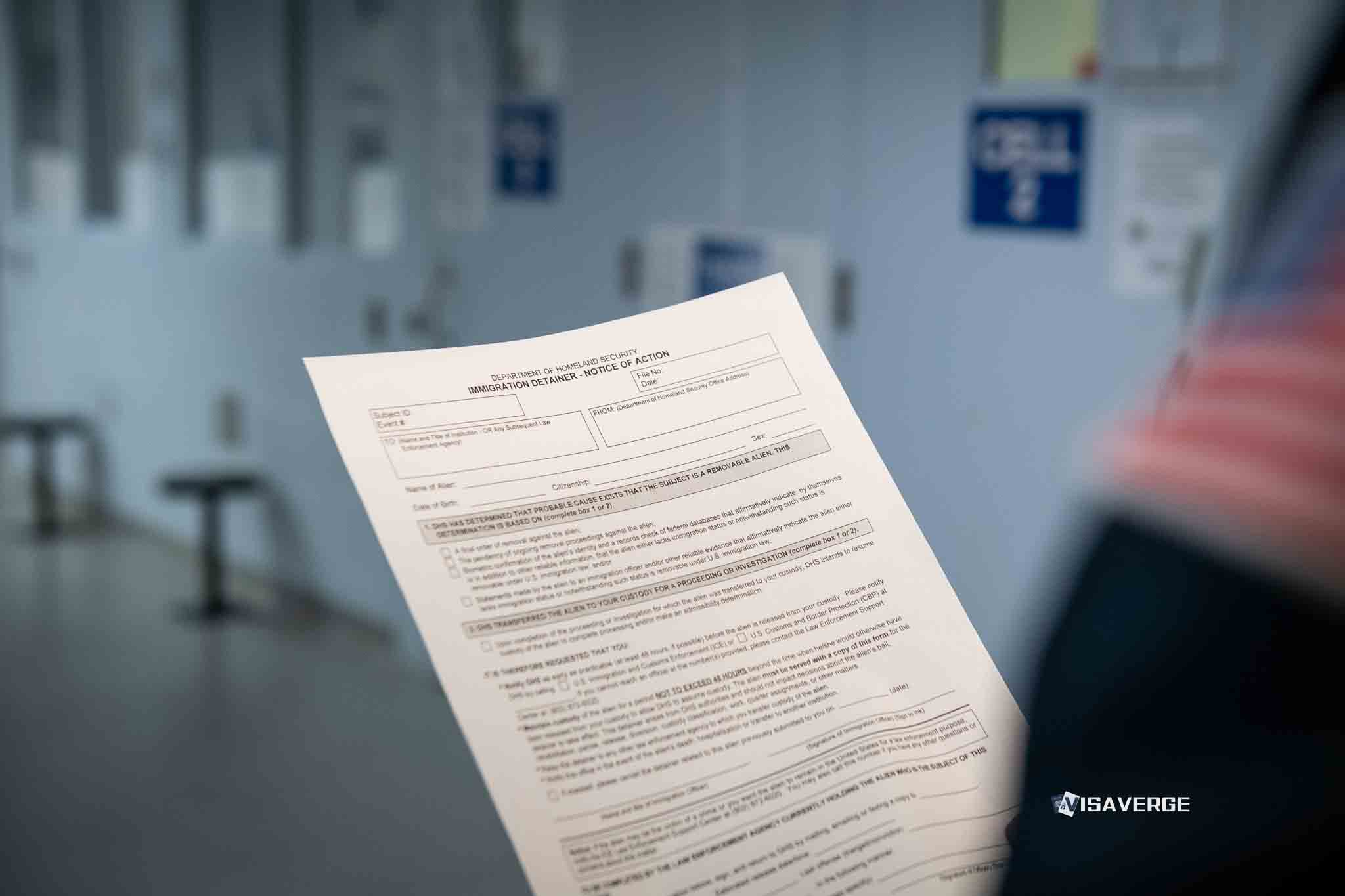
Do not sign removal-related papers, voluntary departure documents, or any statement you have not reviewed with counsel. A request to sign is not a reason to guess at the meaning of a form.
Ask for an interpreter if you need one. You have a right to understand what officials are asking and what they want you to sign. If a document is unclear, say so and request a lawyer before signing.
Do not sign false statements or provide false information. A traveler should also avoid presenting documents that are false or inaccurate, even when an officer appears to be urging a quick response.
Report fear of returning immediately
Tell the officer clearly and immediately if you fear returning to your country. Immigration officials at an airport may treat that statement as a protection claim, so raise the concern as soon as possible.
Do not wait until after signing papers or accepting voluntary departure documents. Ask for a lawyer or qualified representative and avoid offering a detailed explanation before receiving advice about the case.
Protection claims depend on individual facts. Statements made during airport questioning may affect what happens next, making prompt legal advice important.
Record custody details and contact help
If officers take you into custody, write down names, badge numbers, the time, the location, and witness information as soon as you can. Record the airport and flight involved, along with the agency holding you and any destination officials provide.
If a child or family member is detained, gather these details:
- Full name and date of birth
- Flight and airport
- Last known location
- Names and badge numbers of officials, when available
- Whether immigration officers, CBP, Homeland Security Investigations, local police, or another agency has custody
Contact an immigration lawyer or a Department of Justice-accredited representative immediately. Family members should preserve flight information and witness contacts rather than relying on memory later.
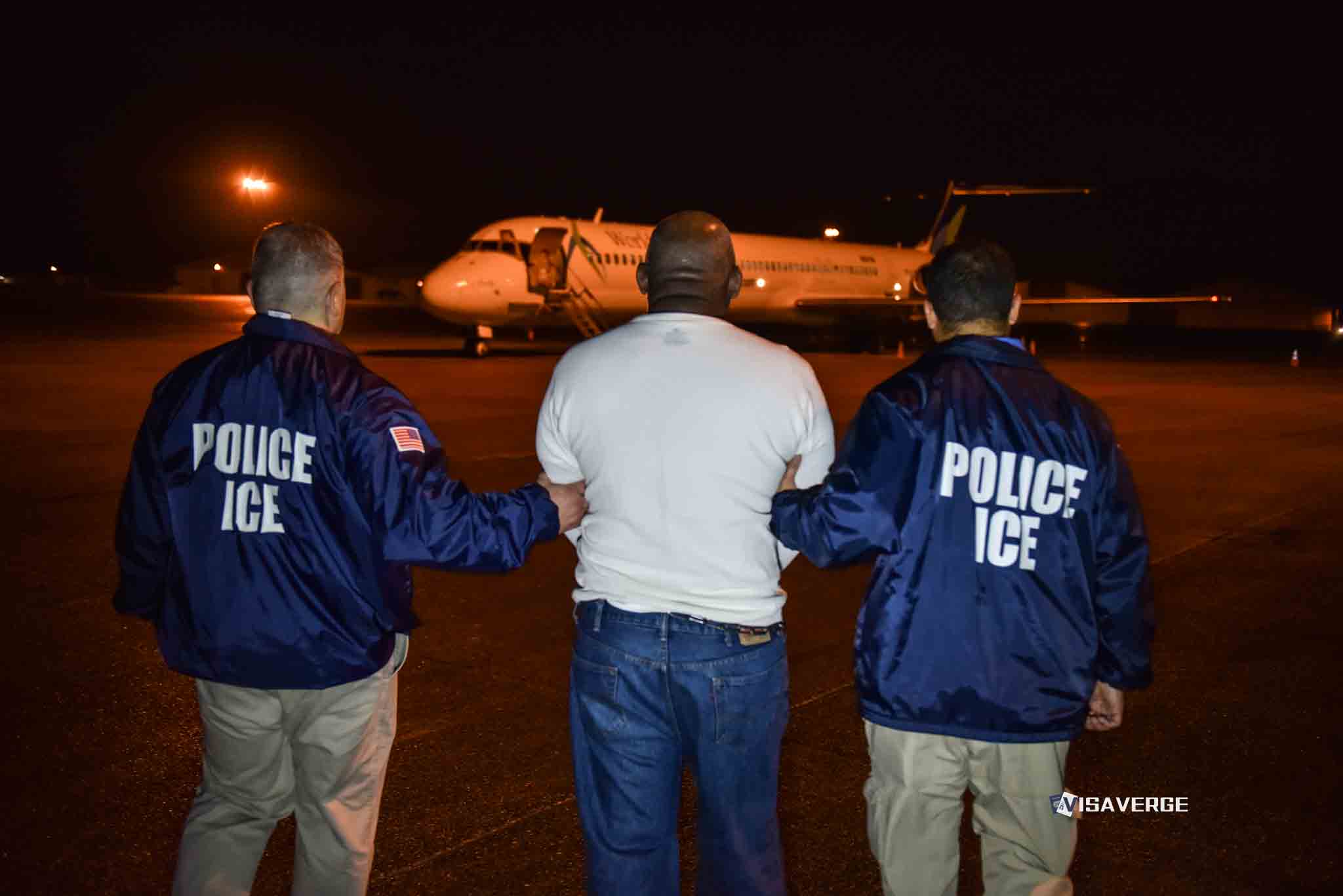
An airport stop may begin with questions and escalate into detention or arrest, including during domestic travel. The traveler’s first priorities are to avoid physical resistance, limit answers, protect against unclear paperwork, and identify who has custody.
This article provides general information and is not legal advice. Consult a qualified immigration attorney about your specific case.