- Immediately request to contact your consulate and an immigration attorney if detained at any United States airport.
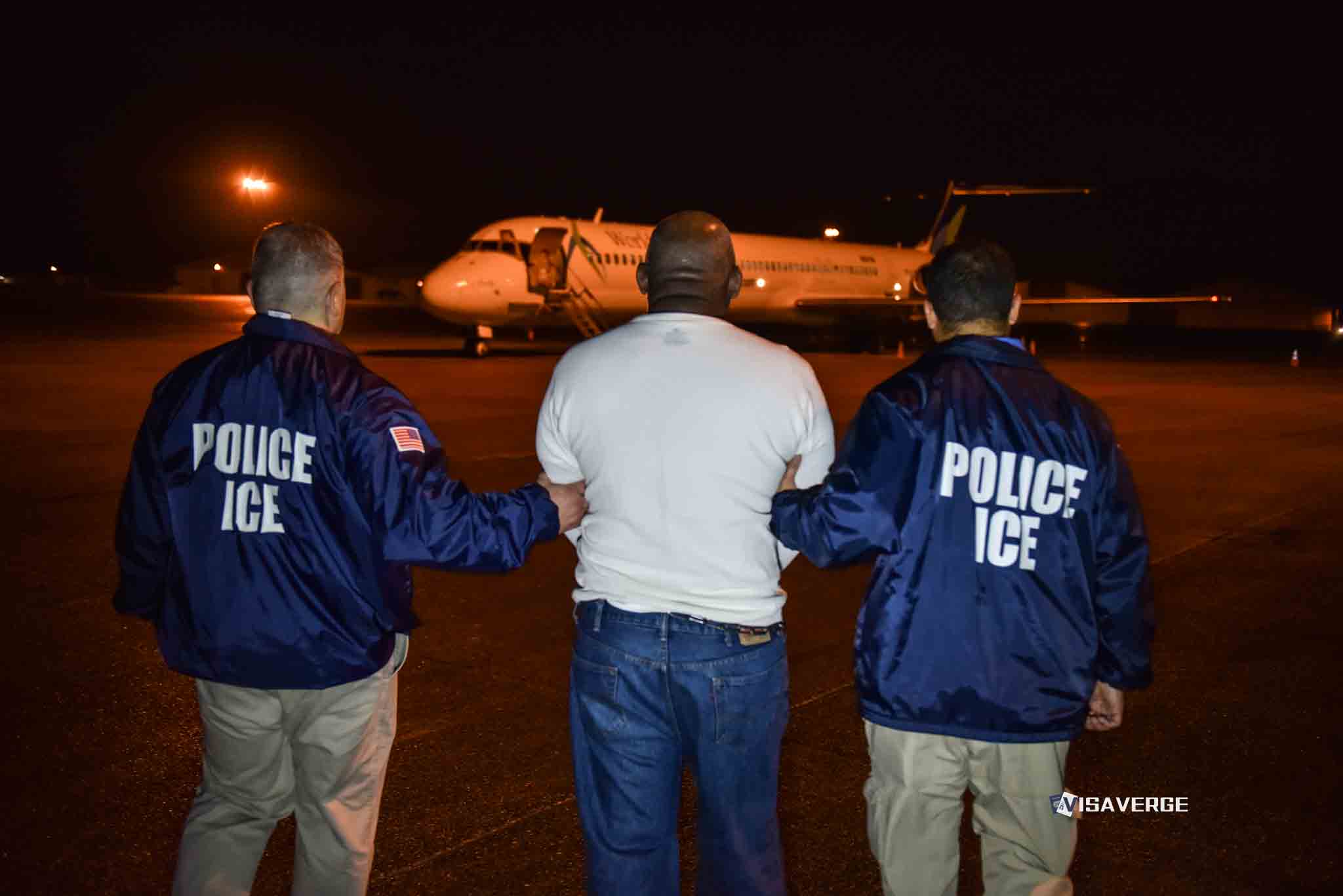
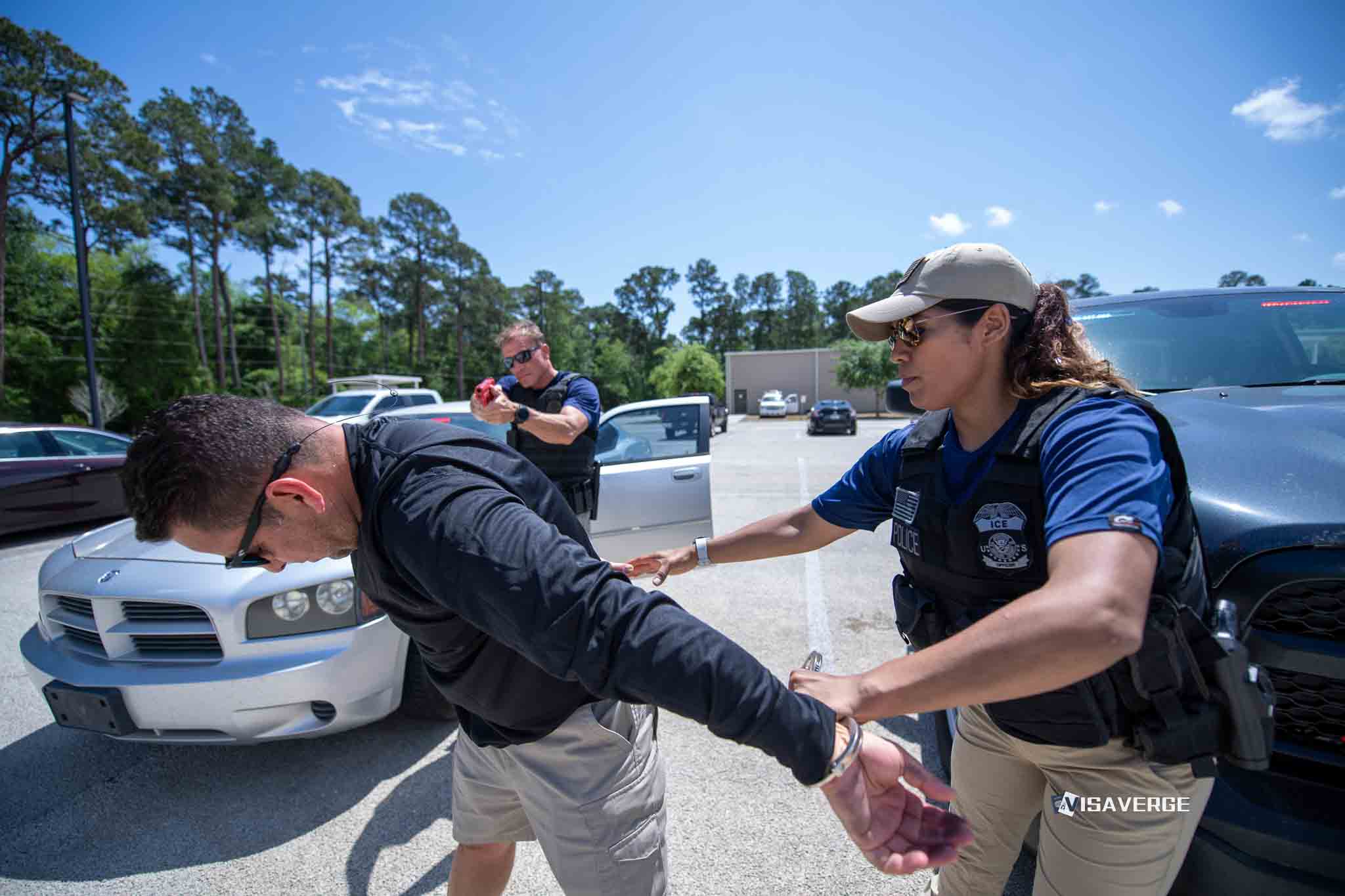
- Identify the specific agency holding you in custody, such as Customs and Border Protection or ICE.
- Refuse to sign documents and request an official interpreter before answering any detailed questions or statements.
Tell the officer immediately that you want your consulate and an immigration attorney contacted if you are detained at a U.S. airport. Ask which agency has you, avoid signing papers you do not understand, and request an interpreter if needed.
Use clear words. Say, “I want to contact my consulate.” Then say, “I want to contact my attorney.” Ask whether you are dealing with CBP, ICE, HSI or local police.

A traveler in primary or secondary CBP inspection generally has no guaranteed right to have a lawyer present. The ability to reach counsel becomes stronger after a person enters custody or becomes the focus of a criminal investigation.
Do not argue at the counter. Make the requests, remember names and preserve documents when possible.
State the request before answering detailed questions
A detained foreign national at a port of entry may ask for help from the home-country diplomatic mission. Consular officials can check on the traveler’s welfare and communicate with U.S. authorities.
Say, “I request that my consulate be notified of my detention under the Vienna Convention on Consular Relations.” The Consular Notification and Access manual, updated March 2025, says officers must inform people of the right to contact their diplomatic mission “without delay.”
Some countries fall under mandatory notification rules. 57 mandatory countries include Mexico, China, Nigeria and the United Kingdom. In those cases, CBP must notify the relevant mission even if the traveler does not request notification.
That notification does not replace legal representation. Ask for both forms of help.
Consular officials may visit a detained person, check welfare and help communicate with U.S. authorities. Family members can also call the diplomatic mission if the traveler cannot make the call.
Ask which agency controls the detention
The first practical question is who has physical custody. Ask whether the agency is CBP, ICE, HSI or local police. The answer can determine where family members and counsel should direct their next call.
A person still undergoing airport processing may remain at the terminal. Another traveler may have been transferred to an ICE facility. Family should ask about that location directly.
If ICE custody is suspected, family members should use the ICE detainee locator. They should also preserve the traveler’s full name, date of birth, A-number, flight, airport and last known location.
Those details give a lawyer a faster way to identify the correct person and track a transfer. Write them down before calling.
“I want to contact my attorney.”
Repeat the request calmly if the first officer does not act on it. A person who does not understand English should ask for an interpreter right away.
Do not sign a paper you cannot explain
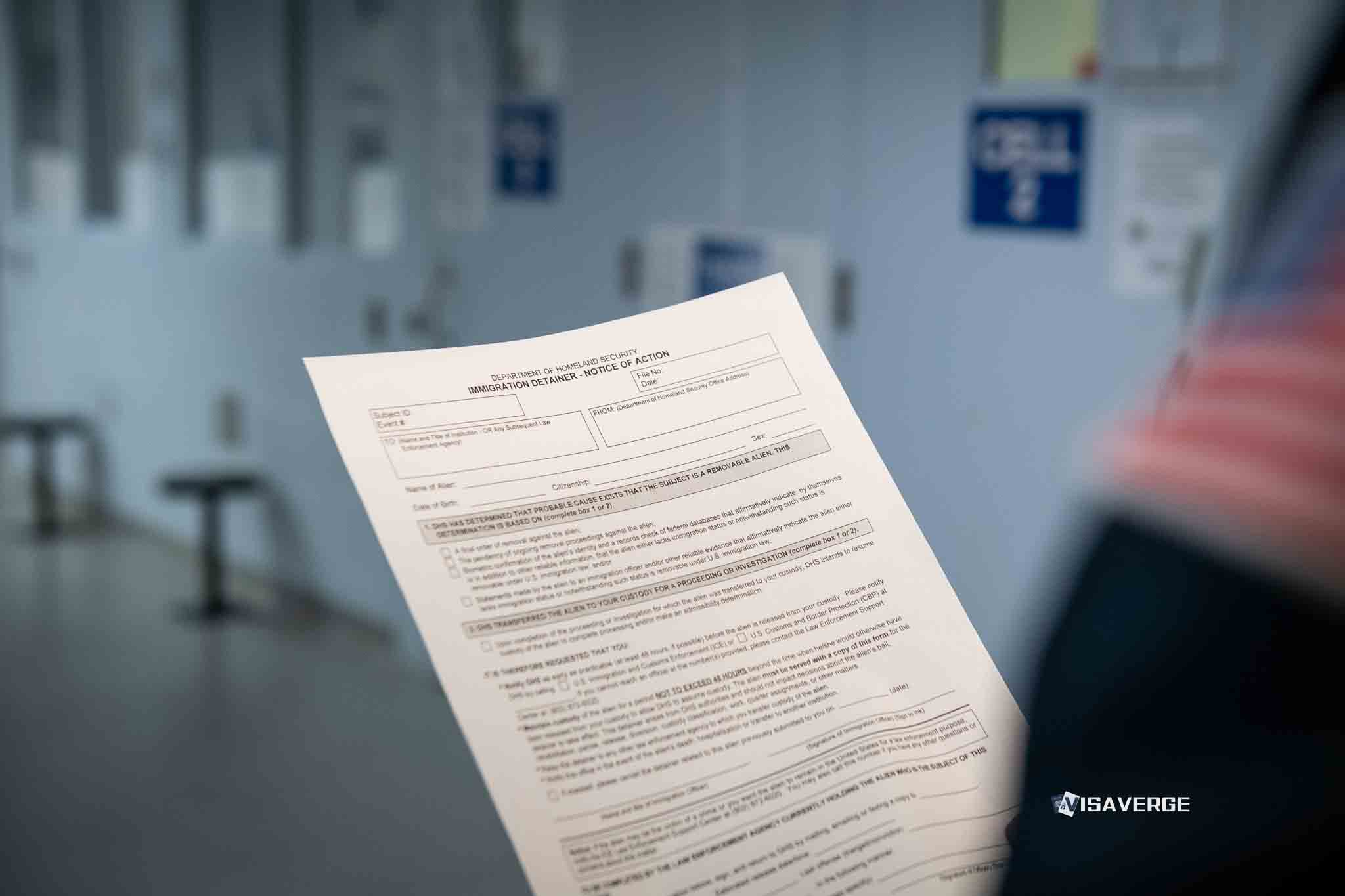
Airport detainees should not sign a withdrawal, removal paper or sworn statement they do not understand. Ask for an interpreter and legal advice before signing.
This caution applies even when an officer presents a document as routine. A traveler may ask what the paper does, request time to review it and state that counsel is being sought.
Detailed questioning can also wait. Detained travelers should request legal counsel and avoid answering detailed questions until a lawyer is involved, particularly when the matter may involve criminal allegations.
Access can differ by stage. During primary or secondary screening, officers may delay or deny a lawyer’s presence. After processing ends and a person moves into “hard secondary” or administrative detention, internal operating procedures often allow a two-hour window to reach counsel.
That reported window is not a guaranteed constitutional right. Travelers should ask immediately rather than assume a call will be offered later.
Give family a short emergency checklist
Relatives can act while the traveler remains unable to communicate. They should make the calls in this order:
- Call the home-country diplomatic mission and ask for the duty officer.
- Call an immigration lawyer or a DOJ-accredited representative.
- Ask whether the traveler remains at the airport or has moved to an ICE facility.
- Use the ICE detainee locator if a transfer is suspected.
- Send counsel the traveler’s full name, date of birth, A-number, flight, airport and last known location.
Family members should keep a written call log. Record the time, agency, facility, officer’s name and any case number provided.
The lawyer may need to contact more than one agency. CBP, ICE, HSI and local police do not perform the same function, and a transfer can change where records and access requests must go.
Phone searches can create another legal issue
CBP Directive 3340-049B, issued in January 2026, governs searches of electronic devices at ports of entry. The directive allows advanced forensic searches upon “reasonable suspicion.”
A traveler who claims Attorney-Client Privilege over files on a phone should say so clearly before officers review those files. Officers must follow specific “Privilege Filter” protocols for such material.
Do not unlock or explain privileged communications casually. State that the material is protected and ask to speak with counsel.
The directive does not create a guaranteed right to have a lawyer present during airport screening. It gives counsel another issue to address if officers seek access to protected communications.
Airport detention now reaches beyond international arrivals
The administration has set a target of approximately 2,000 arrests per day at airports and transit hubs. A May 2025 data-sharing agreement between TSA and ICE allows the identification of domestic travelers who overstayed the period recorded on Form I-94.
As of August 3, 2026, a new permanent rule requires travelers from 50 countries, including 30 in Africa, to post bonds of up to $20,000 to ensure they do not overstay their visas.
A Department of Homeland Security spokesperson said in July 2026:
“This administration is working diligently to ensure that aliens in our country illegally can no longer fly unless it is out of our country to self-deport.”
Rodney S. Scott serves as commissioner of CBP, while Pete R. Flores is the agency’s acting deputy commissioner. Mora Namdar is assistant secretary of state for consular affairs.
Jeff Joseph, president of the American Immigration Lawyers Association, described the current airport environment as a “mousetrap” for people with pending applications.
Domestic flights can also lead to detention
ICE agents detained Chantal Morales Rojas, an Ecuadorian national, at a Denver boarding gate in July 2026 while she attempted to take a domestic flight. Her attorney, Joe Moravec, called the action a “radical expansion” of traditional border enforcement.
The May 2026 lawsuit Gyasi v. Scott was filed in the Eastern District of Virginia. The case involves a pregnant mother and her disabled child, who were detained for over a week at Dulles International Airport despite holding valid visas.
The case includes reports of windowless cells and a lack of medical care. Those allegations concern that case and do not establish what will happen in another detention.
Advocacy group CHIRLA issued a travel warning in August 2026 advising noncitizens, including people with pending green card applications, to avoid domestic air travel because of detention risks at layover hubs such as Houston (IAH), Chicago (ORD) and Los Angeles (LAX).
That warning does not eliminate the need for an individual legal assessment. Immigration status, prior orders, pending applications and the reason for detention can change the appropriate response.
Keep family prepared before travel
Project Homecoming, launched in early 2026, encourages “self-deportation” through the CBP Home mobile app and offers up to $2,600 to people who agree to leave the United States voluntarily.
A traveler should not accept departure paperwork or a voluntary-departure arrangement without understanding its effect. Counsel can review the document and explain how it may affect future admission or immigration benefits.
As of August 2026, the immigration court backlog had reached record highs, and 67% of unrepresented detainees faced deportation without legal counsel. Early contact can help relatives and lawyers identify the person, location and agency involved.
Before departure, family should store the traveler’s identity details, flight information, attorney contact and diplomatic mission number in an accessible place. If detention occurs, those facts can move the first calls forward while the traveler is still being processed.
This article provides general information and is not legal advice. Consult a qualified immigration attorney about your specific case.