- Airbus expects all grounded A220 jets to return to service by December twenty twenty-six.
- Engine supply for the A220 program has reached a normalized situation for future deliveries.
- The new G-T-F Advantage engine configuration aims to double time on wing for operators.
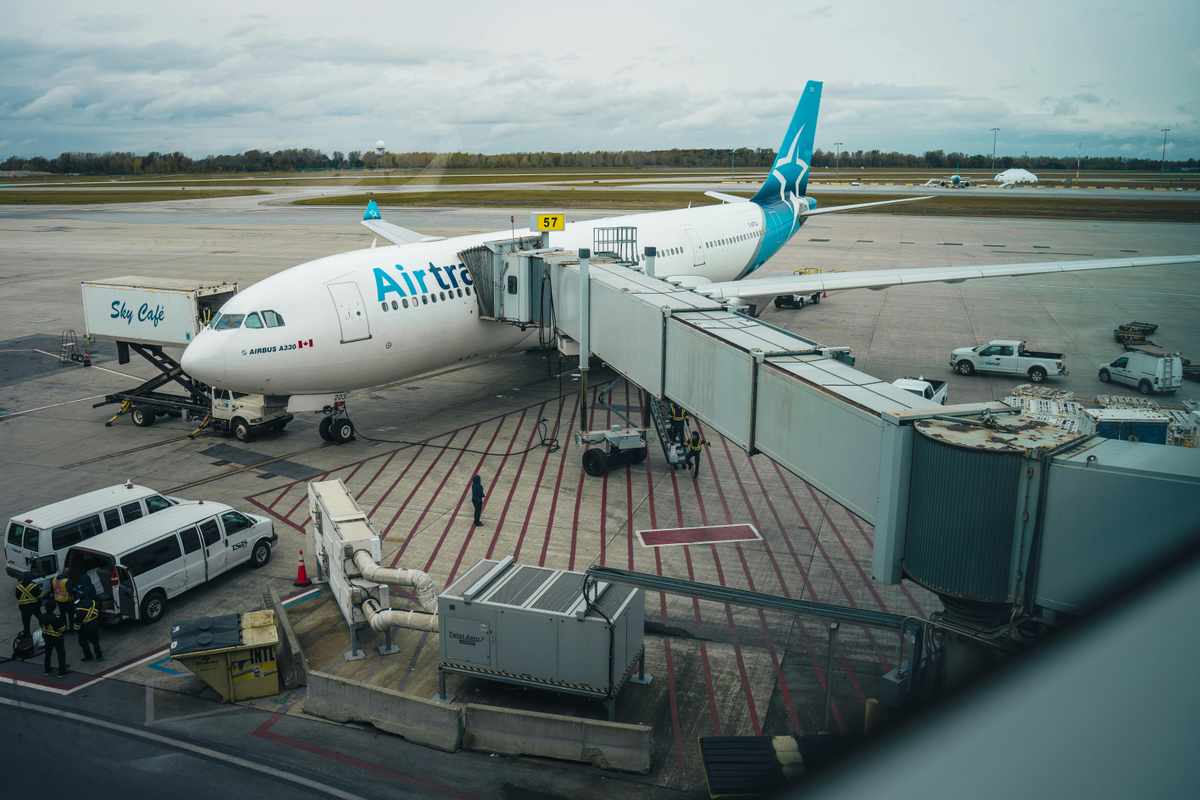
Airbus says all aircraft affected by A220 groundings tied to Pratt & Whitney engines should return to service by the end of 2026, easing a shortage that forced airlines to park jets, lease replacement aircraft and draw on spare engines.
Guillaume Faury, Airbus’ chief executive, described the engine position as a “normalized situation.” He said Airbus expects to receive the volumes needed for 2026, 2027 and beyond.
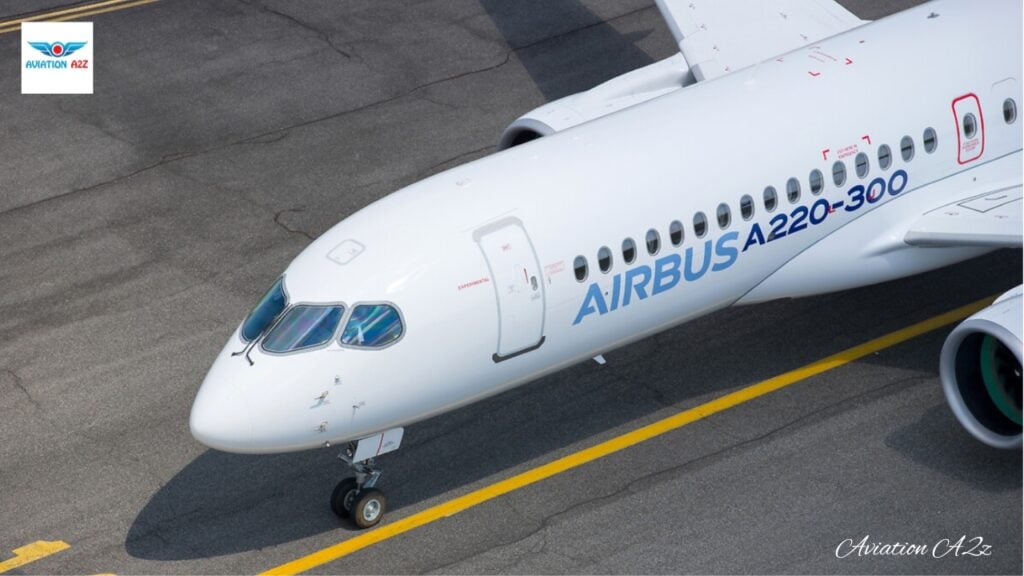
The manufacturer also says it no longer has finished aircraft held back only because their engines have not arrived. That marks a shift in the problem.
The remaining aircraft already delivered to airlines still face the final stage of the recovery. Pratt & Whitney engine-related aircraft-on-ground events across the A220 and other GTF-powered aircraft are declining, with Airbus expecting them to disappear by year-end 2026.
Airlines are still carrying the cost of the earlier shortage
Swiss remains one of the clearest examples of the disruption. Its A220-100 fleet faced grounding periods of at least 18 months from late 2025, leaving the carrier to manage its smaller A220 operation while engine availability improved.
The airline’s finance chief, Dennis Weber, said the decision did not involve a safety concern.
“This isn't a safety issue, but it's a constant source of effort. The A220-100s will remain grounded [to provide spare engines for the A220-300 fleet]. This will take around a year and a half.”
Air Baltic faced operational pressure of its own and used wet-leased aircraft from other carriers to maintain its schedule. ITA Airways experienced disruption in Naples and is seeking approximately €150 million in damages from the engine supplier.
Those effects reached beyond individual flight schedules. Airlines had to find substitute capacity, while manufacturers and maintenance providers worked through a backlog of engines awaiting shop visits and replacement parts.
Airbus also integrated the Belfast wing production facility, formerly operated by Spirit AeroSystems, into its industrial organization. The move gave the manufacturer more control over part of the A220 assembly process as it worked to stabilize the program.
The PW1500G left Airbus without an engine alternative
The A220 has no alternate engine option. That makes the aircraft particularly exposed when problems affect its PW1500G powerplant.
Two technical issues drove the repair campaign. Powder-metal contamination could produce microscopic cracks, while corrosion affected components in the high-pressure turbine.
Parts shortages made the problem last longer. Global supply-chain constraints limited the production of replacement engines and components needed for repairs.
Pratt & Whitney introduced successive improvement packages for the engine. Airbus officials now say the latest modifications have brought its performance close to the benchmark associated with the A320 family.
The recovery has not eliminated the structural risk. A single engine supplier leaves the A220 more vulnerable to delays than aircraft with a choice of powerplants.
Production targets survive the engine setback
Airbus continues to plan higher A220 output even as airlines finish restoring parked aircraft to service. The company has set a 2026 rate target below an earlier goal, then retained a higher long-term objective.
| A220 production milestone | Target |
|---|---|
| Monthly rate by the end of 2026 | 12 aircraft |
| Earlier monthly goal | 14 aircraft |
| Monthly rate in 2028 | 13 aircraft |
Airbus and fleet data put the number of delivered A220s at 451 in late 2025. The number built reached 526 by mid-2026.
The fleet is still expanding. Every additional delivery increases the number of aircraft that depends on a stable engine supply and a functioning repair network.
Airbus has also accelerated studies of a stretched A220-500. The company expects to finalize that design by the early 2030s, creating a future development path beyond the current A220 variants.
AirAsia added to that forward demand in May 2026 with an order for 150 A220-300s, the largest single order in the program’s history. The commitment came as existing operators were still working through the effects of parked aircraft.
Pratt & Whitney is preparing a longer-lasting GTF version
The engine maker says its next configuration should lengthen the time engines remain in service between removals. Rick Deurloo, president of commercial engines at Pratt & Whitney, said the GTF Advantage is scheduled to enter service later this year.
“The GTF Advantage engine will enter into service later this year and will provide up to twice the time on wing. we see strong demand for the GTF engine and continued confidence.”
The company received 800+ engine commitments in the first half of 2026. Those commitments cover the wider GTF family rather than only the A220’s PW1500G, but they show that customers continue to place orders despite the earlier disruption.
The GTF’s claimed fuel-efficiency advantage is 16%–20%. That performance remains part of the commercial case for the engine as manufacturers address reliability, repair capacity and delivery timing.
Faury took a harder line earlier in the year. During an investor call on February 19, 2026, he said Airbus would enforce its contractual rights over engine delivery shortfalls.
The statement followed a period when engine availability affected both aircraft deliveries and airline operations. Airbus now says its own completed-aircraft backlog no longer contains jets waiting solely for engines.
The final deadline is December 2026
Airbus’ year-end target covers the aircraft still grounded because of engine-related problems. It does not erase the months of disruption already absorbed by operators, including Swiss, Air Baltic and ITA Airways.
The remaining work depends on repairs, replacement engines and the maintenance, repair and overhaul network that supports the fleet. Airbus and the engine maker have invested in that network to clear the backlog.
The GTF Advantage is expected to enter service later this year, while Airbus continues toward 12 A220s per month by the end of 2026 and 13 per month in 2028. The deadline for the last affected aircraft remains December 2026.