- GOL Linhas Aéreas scrapped two nearly new Boeing 737 MAX 8 jets due to persistent factory-related defects.
- The aircraft suffered recurring engine faults and center-of-gravity anomalies, making them uneconomic to continue operating.
- Parts supplier AerFin acquired the airframes in May 2026 for a first-to-market teardown and component recovery program.
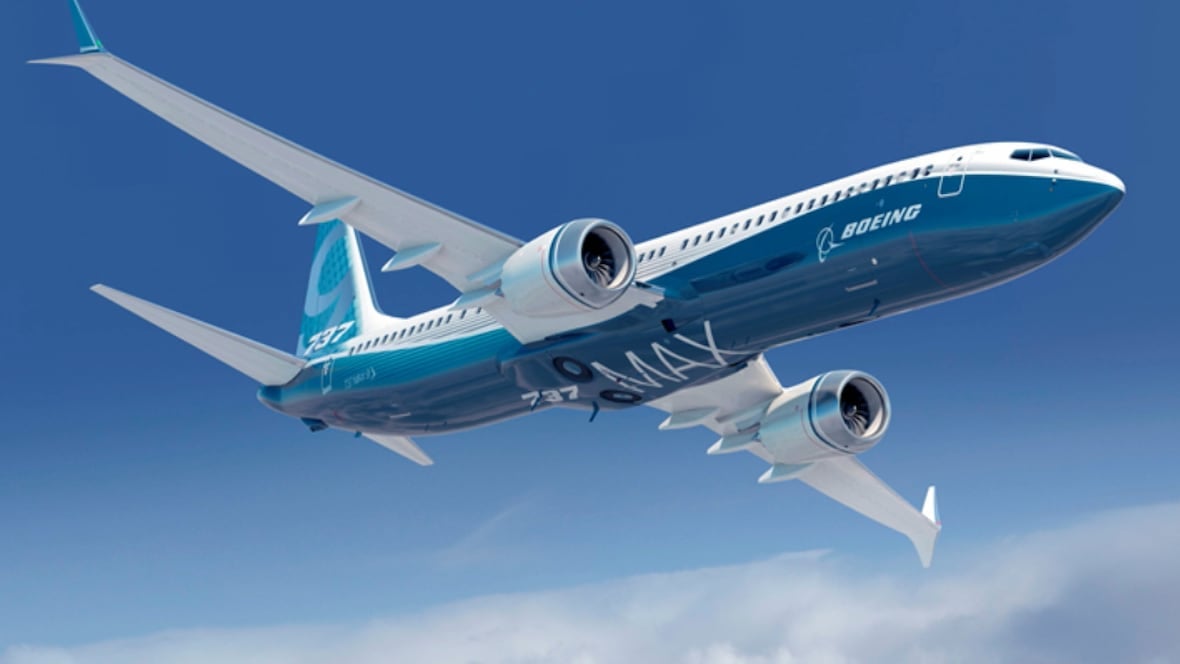
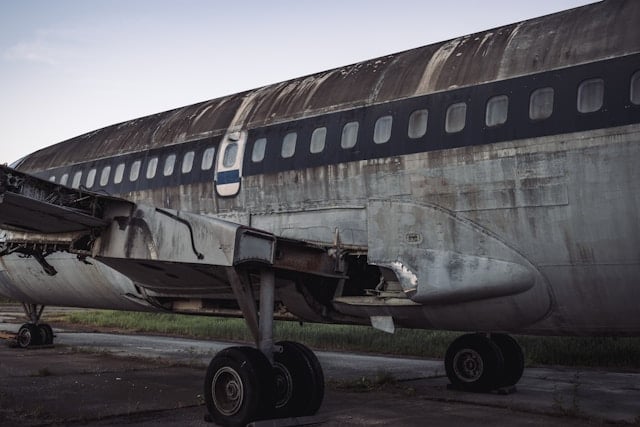
GOL Linhas Aéreas has sent two nearly new Boeing 737 MAX 8 aircraft to Arizona for dismantling after recurring factory-related defects made continued operation uneconomic. The jets, which entered the Brazilian airline’s fleet in September and November 2025, spent roughly six months in service.
The aircraft are registered PS-GRM and PS-GRN. Their reported problems included repeated CFM LEAP-1B turbofan faults, center-of-gravity anomalies, frequent maintenance visits and poor dispatch reliability.

Both aircraft returned to their lessor in March 2026. They had been parked at Confins International Airport in Belo Horizonte before flying to the Pinal Airpark complex in Marana, Arizona, for teardown and parts recovery.
The two jets will not return to passenger service. Their components are headed for another market instead.
Parts supplier AerFin acquired the aircraft from lessor Avolon in May 2026 for what it described as a “first-to-market” part-out of 737 MAX materials. Both aircraft made their final flights to the Arizona airport on March 29, 2026, according to the additional research.
Two airframes moved from airline fleets to the parts market
The aircraft arrived with different production histories. PS-GRM first flew on July 25, 2025, while PS-GRN first flew on October 9, 2025. The jets carried line numbers 9264 and 9370, respectively, and more than 100 production positions separated those numbers.
Their detailed identifiers are:
| Aircraft | Registration | Serial or MSN | Line number | First flight | Delivery to GOL |
|---|---|---|---|---|---|
| 1 | PS-GRM | MSN 44009 | 9264 | July 25, 2025 | Sept 17, 2025 |
| 2 | PS-GRN | MSN 44029 | 9370 | Oct 9, 2025 | Nov 11, 2025 |
One account characterized the aircraft as part of a “bad batch,” although their separated line numbers do not place them next to one another in production. Industry reports instead describe a common pattern of defects affecting both airframes.
The jets were withdrawn in early February 2026 in the additional research, then returned to the lessor in March. That sequence left each aircraft with less than six months of commercial service before the part-out process began.
Engine faults and weight problems drove repeated disruptions
The recurring faults centered on the aircraft’s engines and flight-planning characteristics. Reports cited persistent problems with the turbofans, along with manufacturing inconsistencies that produced chronic center-of-gravity issues.
Those weight-distribution problems reportedly forced inefficient flight routes and increased fuel burn. The aircraft also visited maintenance shops more often than the rest of GOL’s MAX fleet.
The result was low dispatch reliability. The planes spent more time in hangars and generated higher operating costs than comparable aircraft, according to industry reports and internal GOL data cited by aviation analysts.
The defects were described as chronic factory problems rather than wear accumulated through airline use. Reports linked the issues to Boeing production, although Boeing has not issued a statement specifically addressing the scrapping of these two aircraft.
GOL’s lessor return ended the cost of keeping them flying
Operating the two aircraft would have exposed GOL to additional fuel and maintenance expenses. Reports said those costs could have reached millions of dollars, making the aircraft economically unviable despite their age.
Returning the jets to Avolon shifted the aircraft out of the airline’s operating fleet and left the lessor with airframes that could be monetized through component recovery. AerFin’s acquisition created a separate commercial use for engines, systems and other parts that remain valuable even when an entire aircraft is not.
The move also shows how a young aircraft can leave passenger service without being retired because of age. In this case, repeated technical disruptions outweighed the value of keeping the jets available for scheduled flying.
GOL’s parent company, Abra Group, later confirmed an order for 20 Embraer E195-E2 aircraft at the 2026 Farnborough Airshow. The order points to a possible diversification of the group’s fleet beyond an exclusive reliance on Boeing narrow-body aircraft.
The teardown follows renewed scrutiny of Boeing’s certification system
The aircraft were produced during a period of intense regulatory scrutiny after the January 2024 Alaska Airlines door-plug blowout. The broader quality-control concerns remain separate from the defects identified in the two GOL aircraft.
On July 17, 2026, FAA Administrator Bryan Bedford discussed the agency’s decision to let Boeing resume self-certifying airworthiness certificates. He said:
“Safety drives everything we do, and this step forward is only possible because we are confident it can be done safely.”
The Federal Aviation Administration restored that authority as of July 20, 2026, according to the additional research. The decision covers Boeing’s certification role for 737 and 787 aircraft after months of review.
Boeing also described a more cautious approach to future MAX development. Chris Payne, Boeing’s vice president and general manager of 737 Airplane Development Programs, said on July 16, 2026:
“Certainty is more important than flow. The path forward wasn't as clear as we wanted it to be [two years ago]. It is now.”
Payne was discussing progress toward certification of the MAX 7 and MAX 10, not the two aircraft being dismantled in Arizona.
Stephanie Pope, chief executive of Boeing Commercial Airplanes, led a July 2026 ribbon-cutting ceremony for a new “North Line” production facility in Everett. The facility’s production approach emphasized a “rolling start” intended to prioritize quality over speed.
The two former GOL aircraft now represent an early test of the MAX parts market. AerFin bought them for teardown in May, and their final relocation came less than a year after their first flights. Their engines, systems and other recoverable equipment will continue operating in other aircraft, even though PS-GRM and PS-GRN will not fly again.