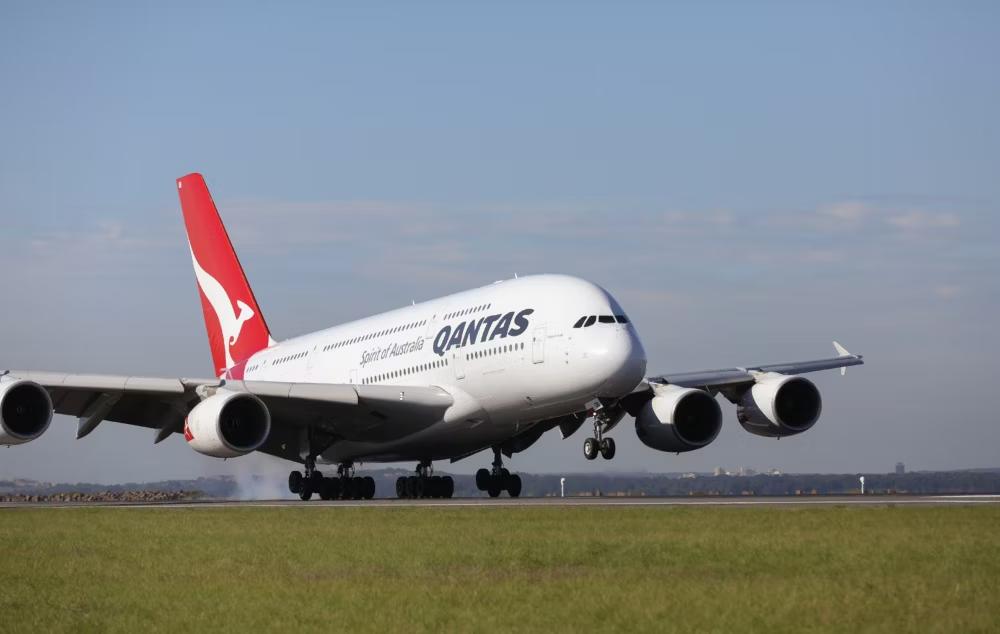
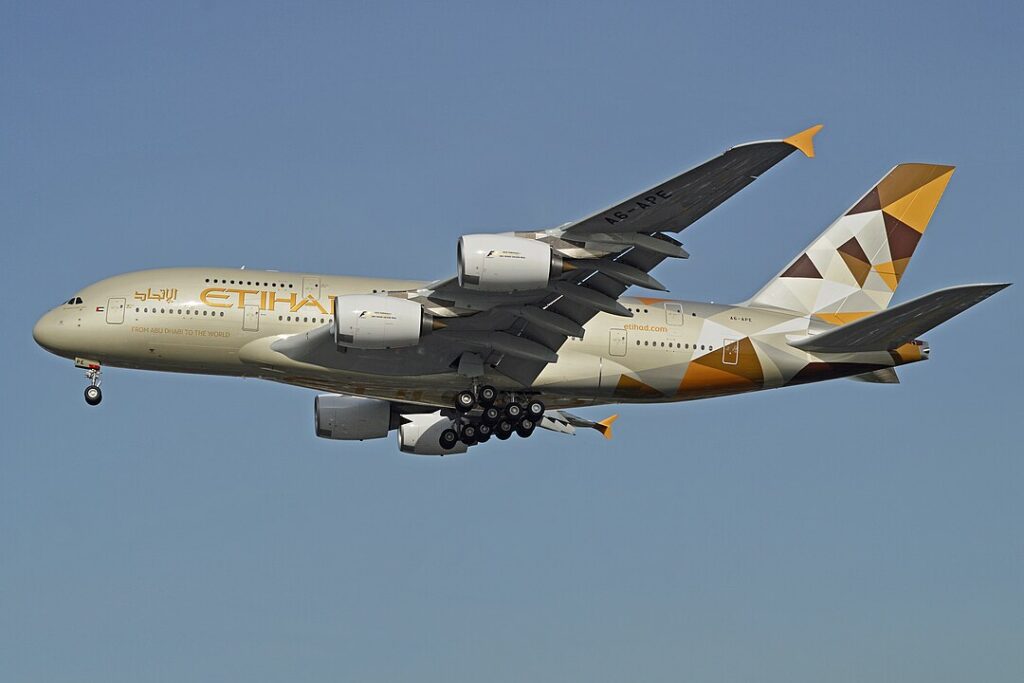
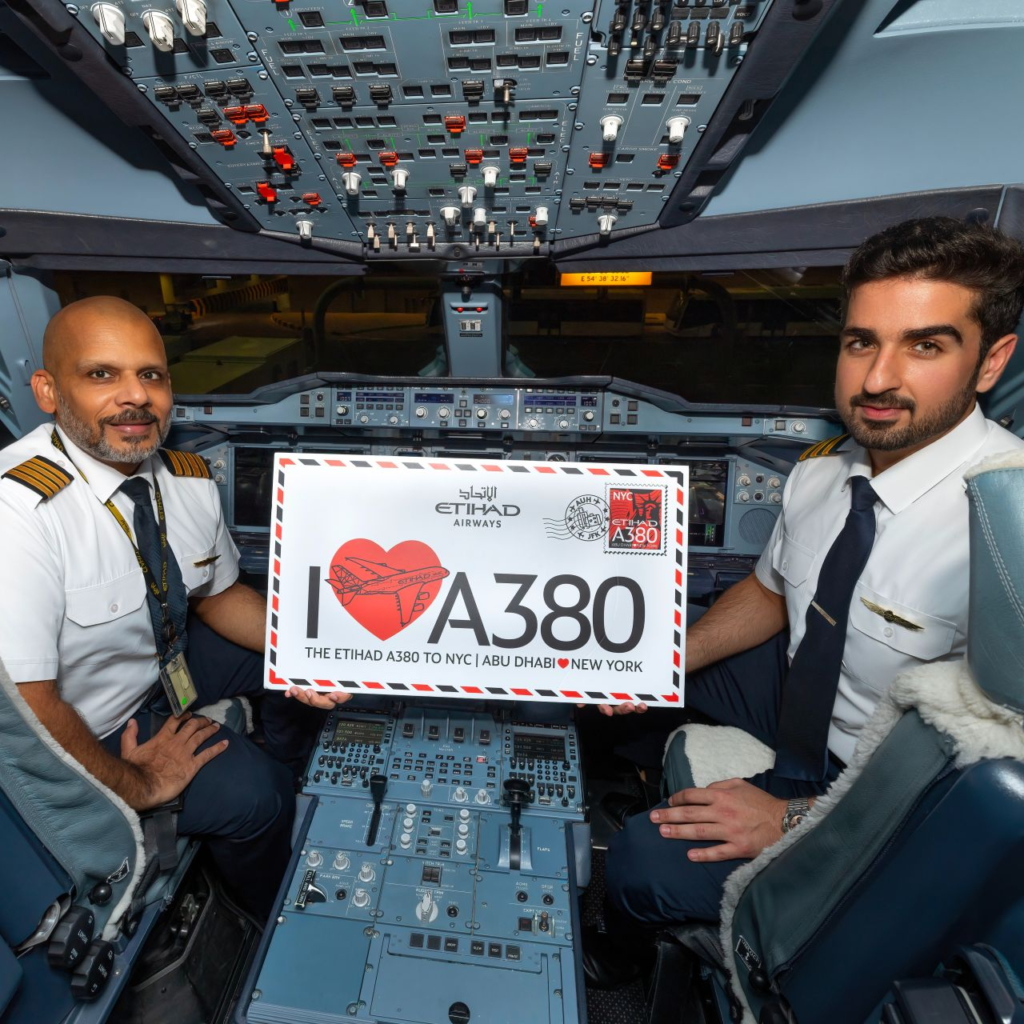
(TERUEL, SPAIN) Etihad Airways has begun scrapping part of its double‑deck fleet, with its first Airbus A380 quietly broken up in the dry air of a Spanish storage base. The aircraft, registered A6‑APA and known as Etihad’s very first A380, was grounded in March 2020 and has now been dismantled for parts after several years in storage at Teruel Airport.
Why this matters for Etihad and long‑haul travel
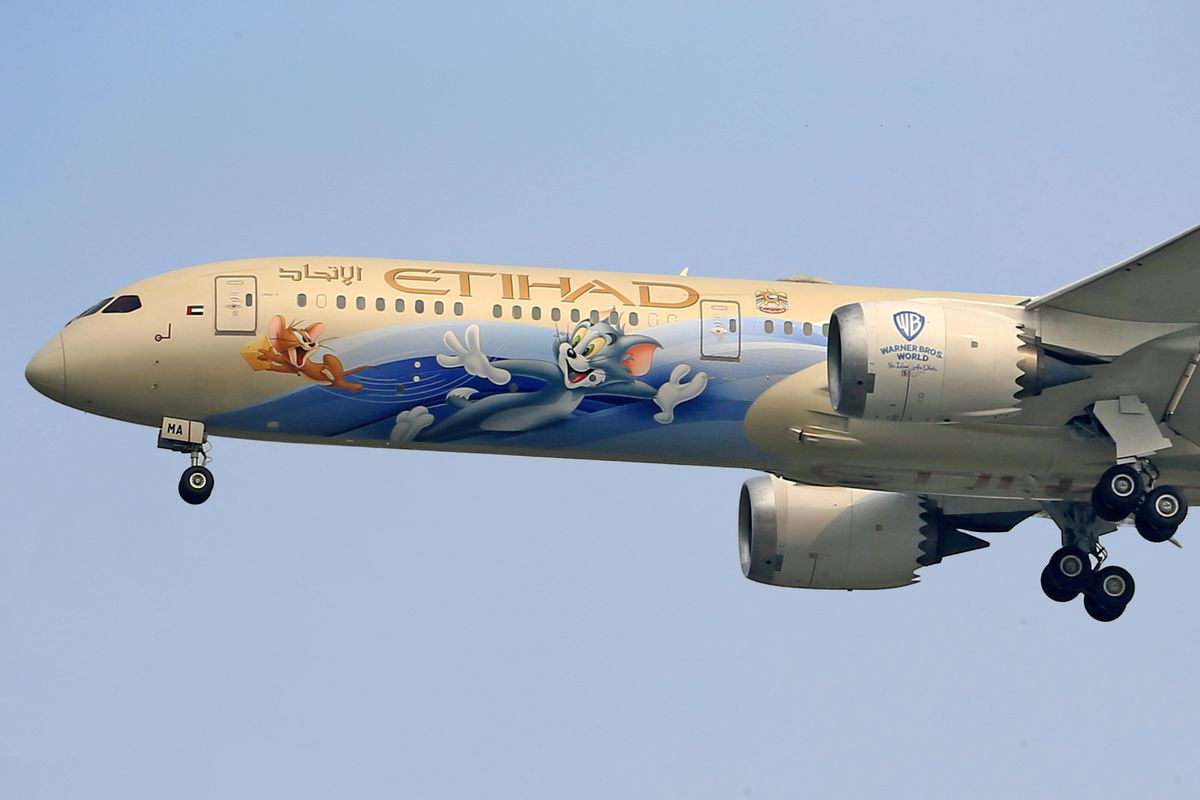
Before COVID‑19, the Airbus A380 symbolised Etihad Airways’ ambition to compete on dense routes linking Europe, Asia, Africa, and the ?? United States. When the UAE suspended most international flights in early 2020, A6‑APA was among the earliest wide‑bodies to be parked, reflecting both the sudden collapse in passenger demand and uncertainty over when global travel — including immigration‑linked journeys — would return.
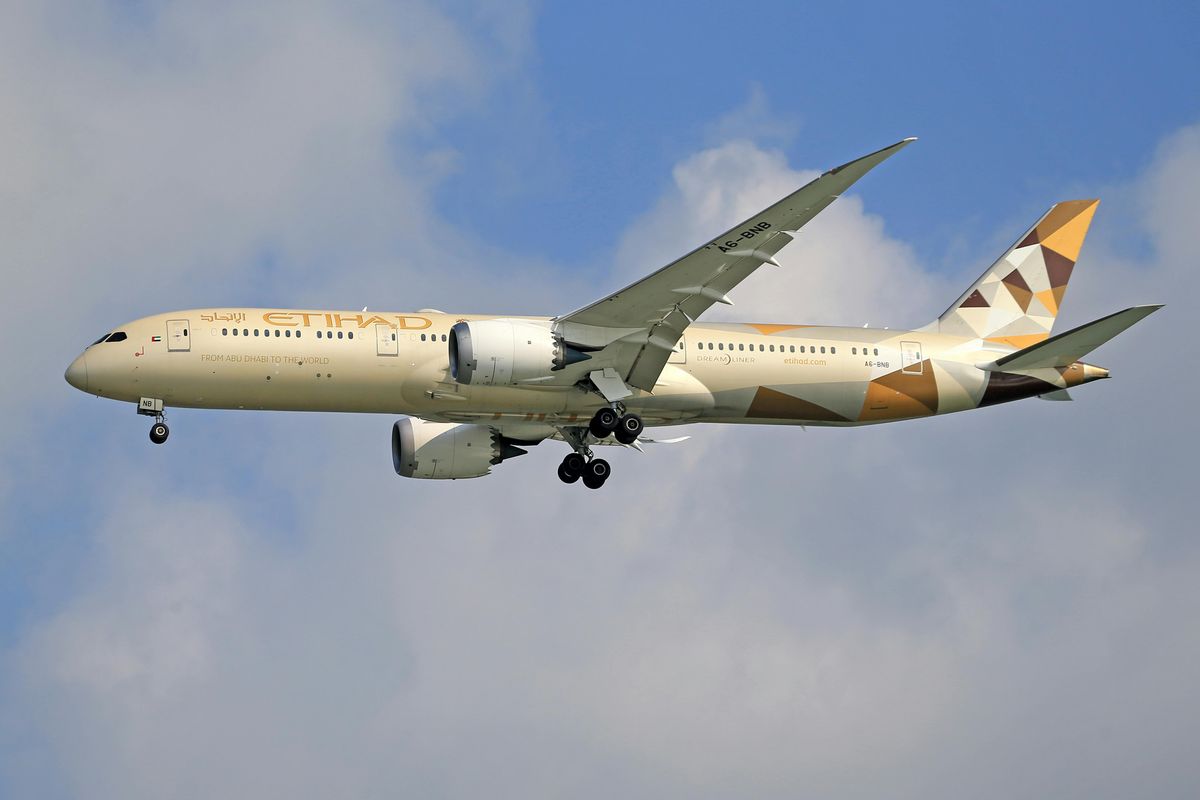
Stored for years in Spain’s high‑desert conditions, the aircraft has now been broken down so its engines, avionics, and cabin components can support the rest of the shrinking A380 fleet. The decision to part out the plane in 2025 is part of a wider restructuring and cost‑saving plan at Etihad Airways after years of financial losses, with the airline moving toward more fuel‑efficient twin‑engine aircraft instead of very large four‑engine jets.
Free toolB1/B2 Tourist Visa Stay Calculator onlineImportant: The retirement of A6‑APA signals both economic and operational shifts that affect route choices and capacity, with direct consequences for passengers who rely on Gulf hubs.
Economic and operational drivers
- Etihad cites high operating costs of the A380 and a long‑term drop in demand for such large aircraft as the main reasons for retiring A6‑APA.
- Running an A380 requires filling hundreds of seats per flight; uneven travel demand makes these economics hard to justify.
- The carrier is moving toward twin‑engine, fuel‑efficient jets that are easier to fill year‑round.
According to analysis by VisaVerge.com, these fleet changes often affect routes that matter to migrant workers, students, and families who depend on affordable connections through Gulf hubs.
Impact on travellers and migration‑linked travel
The shift away from very large jets has practical consequences:
- Fewer A380 flights can mean reduced seat availability on peak routes.
- Pressure increases on smaller wide‑bodies, even if schedules are adjusted.
- For people travelling for visa interviews, family reunions, work assignments, or study, these changes can affect:
- Seat availability
- Layover patterns and connectivity
- Travel cost and timing for critical appointments
The pandemic also interrupted immigration processes: when borders closed and consular services were cut back, demand for cross‑border travel for immigration purposes dropped sharply. Many who had planned to file or pursue cases — including those using the ?? State Department’s Form DS-160 online nonimmigrant visa application, available through https://travel.state.gov/content/travel/en/us-visas/forms/ds-160-online-nonimmigrant-visa-application.html — simply could not travel.
A mixed strategy: retirements and reactivations
Etihad’s approach has not been a straight retreat:
- The airline reactivated seven of its remaining A380s to handle surging demand, especially in premium cabins.
- It plans to return two more A380s to service by 2026 and 2027, even as A6‑APA is dismantled.
The exit of low‑cost rival Wizz Air Abu Dhabi from some markets, together with strong connecting traffic, contributed to keeping the superjumbo in the mix for now.
How this changes connectivity patterns
For frequent flyers and those using Abu Dhabi as a gateway, the result is a patchwork reality:
- Some corridors will see the A380 reappear on busy routes.
- Other long‑haul options will shift to smaller jets or see altered schedules.
- This is especially sensitive for immigrants and long‑term residents who schedule travel around events like visa renewals, naturalization ceremonies, or the start of academic terms.
For many migrants and students, the industry trend toward twin‑engine jets means:
- More flights with smaller wide‑bodies spread across the day, rather than a few ultra‑high‑capacity flights.
- Potentially more schedule choices, but fewer pressure‑valve high‑capacity flights during holiday peaks.
The human and symbolic side
The dismantling of A6‑APA carries a softer, symbolic dimension as well:
- Etihad has indicated parts of the aircraft will live on through memorabilia and upcycled items, allowing aviation fans to own a piece of the airline’s history.
- For expatriates, these pieces can evoke strong memories: first arrivals, tearful reunions, or final flights before moving on.
- The aircraft becomes a symbol of an era when mega‑hubs and superjumbos heavily shaped international mobility.
Policy, visas, and fleet choices
Airlines’ fleet decisions are closely tied to government policy and migration flows:
- Changes in visa schemes, temporary worker programmes, or student rules can quickly alter demand on air corridors.
- Governments publish entry and residency guidance on official portals such as the UAE government visa and Emirates ID page.
- Carriers then adjust capacity to match the flow of people those policies produce.
A shrinking A380 fleet doesn’t stop movement. Rather, it changes how movement is distributed across routes and aircraft types.
Practical timeline and core facts
| Item | Detail |
|---|---|
| Aircraft | A6‑APA (Etihad’s first Airbus A380) |
| Grounded | March 2020 |
| Dismantled for parts | 2025 (in Teruel, Spain) |
| Reason | High operating costs; lower long‑term demand for very large aircraft |
| Etihad fleet actions | Reactivated 7 A380s; plans to return 2 more by 2026 and 2027 |
| Policy links | Form DS-160 (US); UAE visa & Emirates ID |
Key takeaway
The scrapping of Etihad’s first Airbus A380 is more than a technical fleet note. It marks a moment where airlines align hard economics with the human realities of migration, work, study, and family travel. While A6‑APA will never again lift off, its components will support other aircraft still moving people across continents — even as the wider industry heads toward leaner fleets and more cautious growth.
This Article in a Nutshell
Etihad dismantled its first Airbus A380, A6‑APA, in Teruel in 2025 after storage since March 2020. The move reflects high operating costs and long‑term demand decline for very large four‑engine jets. Etihad is reallocating parts to support remaining A380s while shifting capacity toward fuel‑efficient twin‑engine aircraft. Seven A380s have been reactivated and two more are planned for return by 2026–2027. The decision affects route capacity, seat availability, and migration‑linked travel through Gulf hubs.