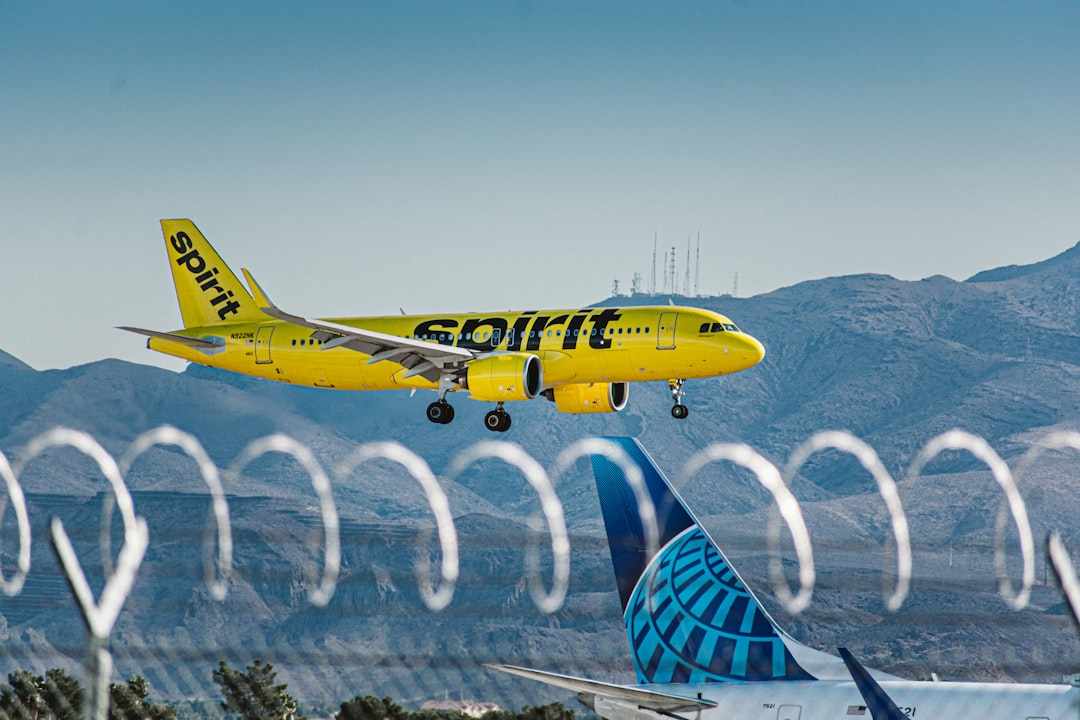
- Contractors are ferrying Spirit Airlines’ fleet to Arizona for storage and potential dismantling following the carrier’s collapse.
- Arizona’s dry climate slows aircraft deterioration and corrosion, making it ideal for preserving valuable components like engines.
- The recovery operation involves 91 Airbus jets nationwide, with dozens being moved to Goodyear and Marana airports.
(ARIZONA) — Spirit Airlines ceased operations after failed rescue and bailout efforts, and contractors are now ferrying the carrier’s repossessed Airbus A320 fleet to Arizona airports for storage and possible dismantling.
Captain Bob Allen of Nomadic Aviation Group is leading part of that recovery work, moving aircraft from sites Spirit abandoned, including Atlantic City, Fort Lauderdale, and Miami. His team completed 25 ferry flights this month, delivering planes to Goodyear Airport, west of Phoenix along West Buckeye Road, and to Marana Regional Airport, also called Pinal Airpark.
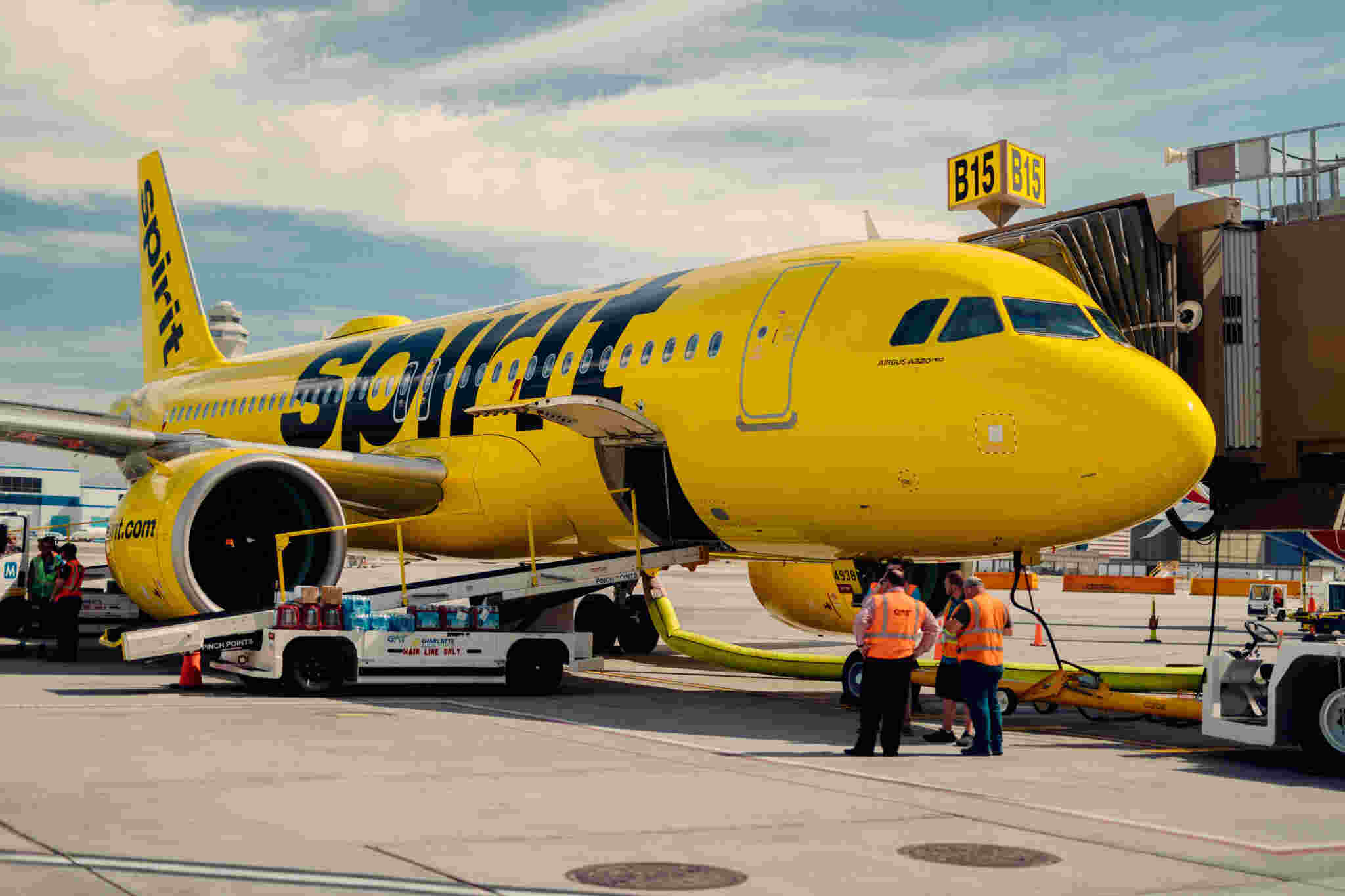
The operation has turned Arizona’s dry climate into a holding ground for the remains of a budget carrier that could not secure a rescue. Aircraft that once flew in Spirit’s bright yellow livery are now being parked, preserved, assessed for value and, in some cases, prepared for a future far from commercial passenger service.
About 20 former Spirit planes have already been moved to those Arizona sites. Another 20 are scheduled for relocation soon.
Across the country, the scale is larger. A total of 91 Airbus jets are involved across 26 airports nationwide.
Allen’s role sits at the center of that first stage. His work begins where the airline’s operations ended, at airports where aircraft were left behind after Spirit shut down, and continues with ferry flights that reposition those jets to storage fields built for long stays.
Arizona offers one advantage above all others: dry air. The climate slows the kind of deterioration that can take hold quickly in humid areas, especially corrosion, making airports there a practical destination for fleets that have stopped flying but still hold value.
That value is not limited to the fuselage. Engines are driving much of the interest in the aircraft, with each one priced at $15 million to $20 million, a figure comparable to the cost of an entire aircraft.
Companies including AerSale at Goodyear Airport are preserving the planes as decisions are made about what comes next. Some aircraft may return to service in another form. Others may be sold intact, broken apart for components, or held while owners and lessors weigh the market.
The bright yellow paint that made Spirit jets instantly recognizable has followed them into storage. Rows of parked aircraft now carry the airline’s old identity into a phase defined less by branding than by asset recovery, preservation schedules and court filings.
Future options include repainting and re-leasing the aircraft, selling whole planes, or parting them out. Each path carries a different timeline, a different cost structure and a different bet on whether a stored jet is worth more intact or in pieces.
Dismantling is the slower route. Recent court filings project that breaking up the fleet will take 6 months to 1 year per aircraft, with total costs exceeding $200 million.
Even before a plane reaches that stage, processing takes time. Initial turnaround work is estimated at 7 to 10 days per plane once operations ramp up.
That early work can determine what follows. Aircraft arriving from abandoned stations must be received, inspected, preserved and routed into the next decision, whether that means long-term storage, a return to the market, or disassembly.
The numbers show how much equipment remains in motion after an airline stops flying. Allen’s 25 ferry flights this month account for only part of a wider effort tied to 91 Airbus jets spread across 26 airports, with Arizona handling a visible share of the relocation work.
Goodyear and Marana have become focal points because they can absorb volume. About 20 former Spirit planes have already arrived, and another 20 are due soon, creating a pipeline from East Coast and Florida airports to desert storage ramps.
Those relocations also mark a shift in what an aircraft is. In regular service, a jet is scheduled around departures, crews and passengers. In repossession, it becomes a financial asset with several possible futures, each tied to condition, market demand and the value of parts that can be removed and sold.
Engines sit at the top of that equation. At $15 million to $20 million each, they can draw attention even when the rest of the plane faces an uncertain future, and that helps explain why preservation matters from the moment an aircraft lands in storage.
Dry conditions reduce corrosion, but storage is not passive. Companies such as AerSale keep aircraft in a state that protects their most valuable systems while owners decide whether repainting, re-leasing or sale makes economic sense.
Some planes may leave Arizona flying for another operator in different colors. Others may never fly passengers again, yielding engines, landing gear and other components to a parts market where time on the ground and environmental exposure affect price.
The size of the Spirit fleet in transition also means that disposal will not happen quickly. A dismantling timetable of 6 months to 1 year per aircraft stretches across a large inventory, and the court estimate of more than $200 million suggests the end of operations is producing a second, expensive phase long after flights stopped.
Initial processing of 7 to 10 days per plane gives a sense of the workload even before dismantling begins. Every arriving jet must move through the same first sequence, and that sequence repeats dozens of times as more aircraft come in.
Spirit’s collapse has therefore produced two landscapes at once: abandoned gates and parking positions where the airline once operated, and Arizona storage fields where its Airbus A320 fleet now waits for a verdict from owners, lessors and parts buyers.
Allen’s ferry missions from Atlantic City, Fort Lauderdale and Miami capture that transition in practical terms. One by one, aircraft leave the places where Spirit stopped flying and head west to a desert inventory of bright yellow jets, each carrying a price tag, a timeline and a limited set of possible endings.
At Goodyear Airport and Marana Regional Airport, the afterlife of Spirit Airlines is now visible on the ramp: about 20 former aircraft already parked, another 20 on the way, and a nationwide recovery effort involving 91 Airbus jets that has shifted from passenger travel to preservation, resale and teardown.