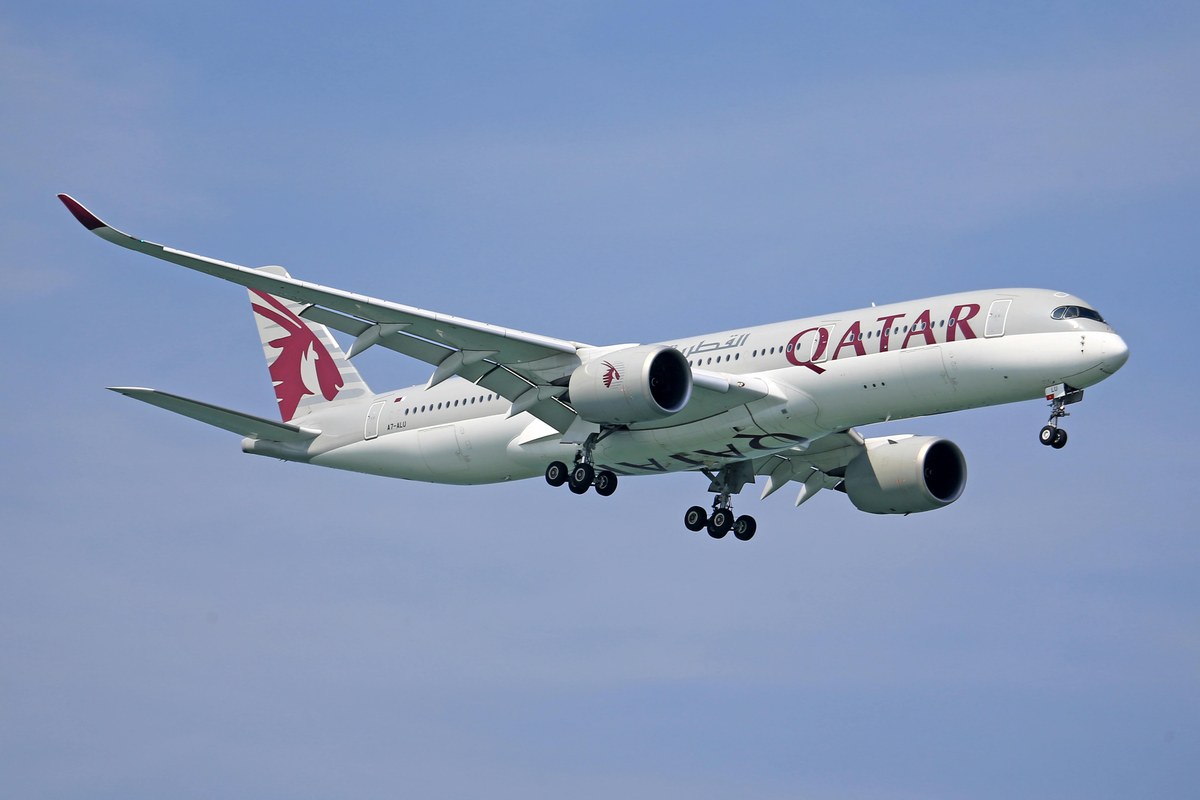
- Emirates President Tim Clark rejected ten Boeing 777X jets, citing excessive rework needed to meet current certification standards.
- The airline executive mocked Boeing’s search for new buyers, suggesting the early airframes are only suitable for scrap metal.
- Boeing has begun dismantling early test aircraft as upgrades are no longer economically viable amid $15 billion in charges.
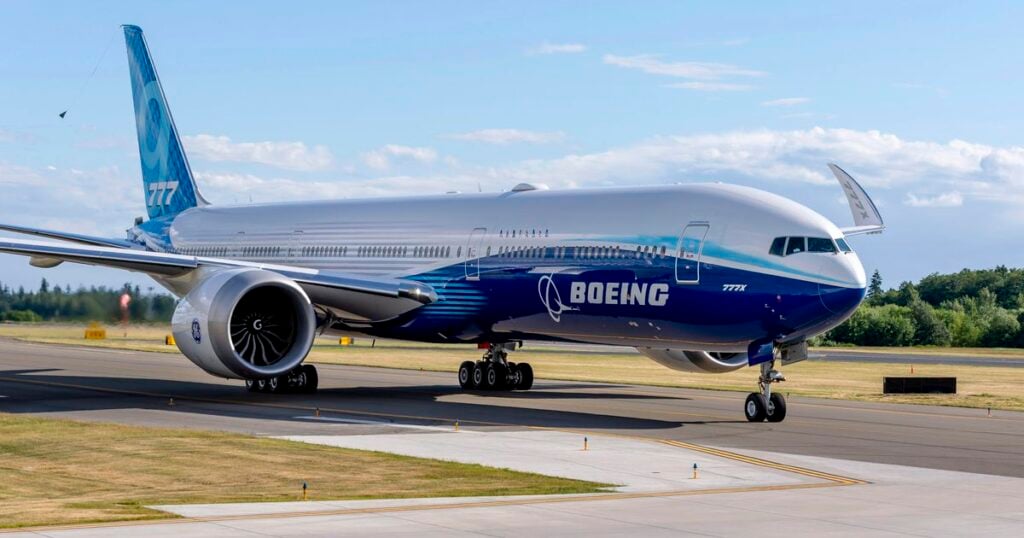
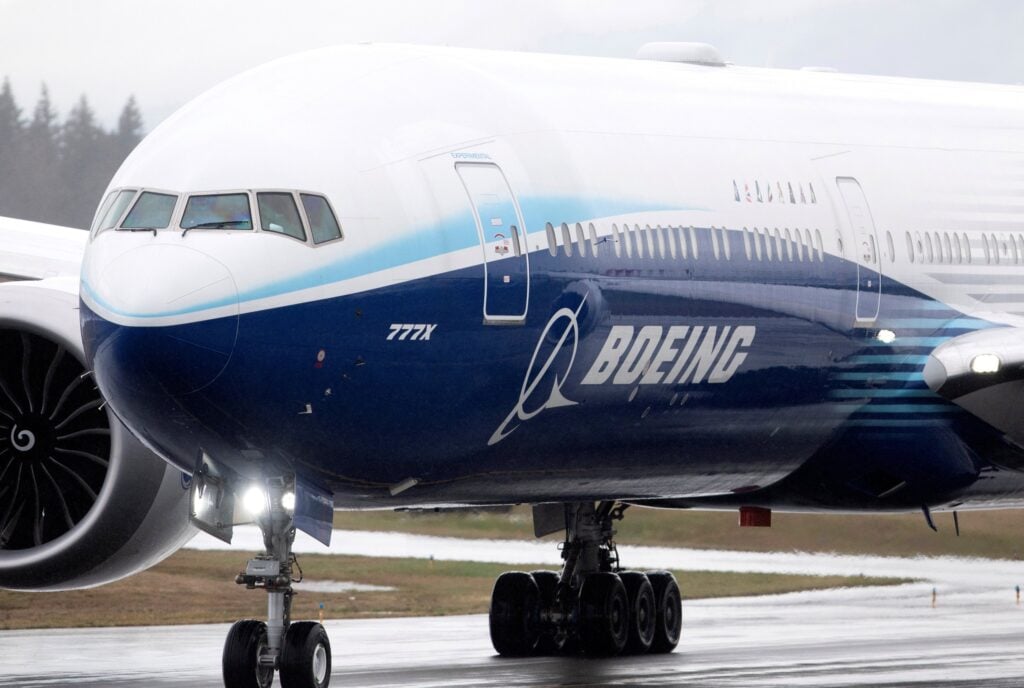
Sir Tim Clark said Emirates will refuse a batch of 10 Boeing 777X jets, arguing the early aircraft would need too much rework to meet current standards. He delivered the warning at the Farnborough International Airshow. The message was blunt.
Clark said the planes were "not fit for purpose" and would need a "patchwork of changes" before they could reach final certification standards. He had little patience for Boeing’s effort to place them elsewhere. No workaround.
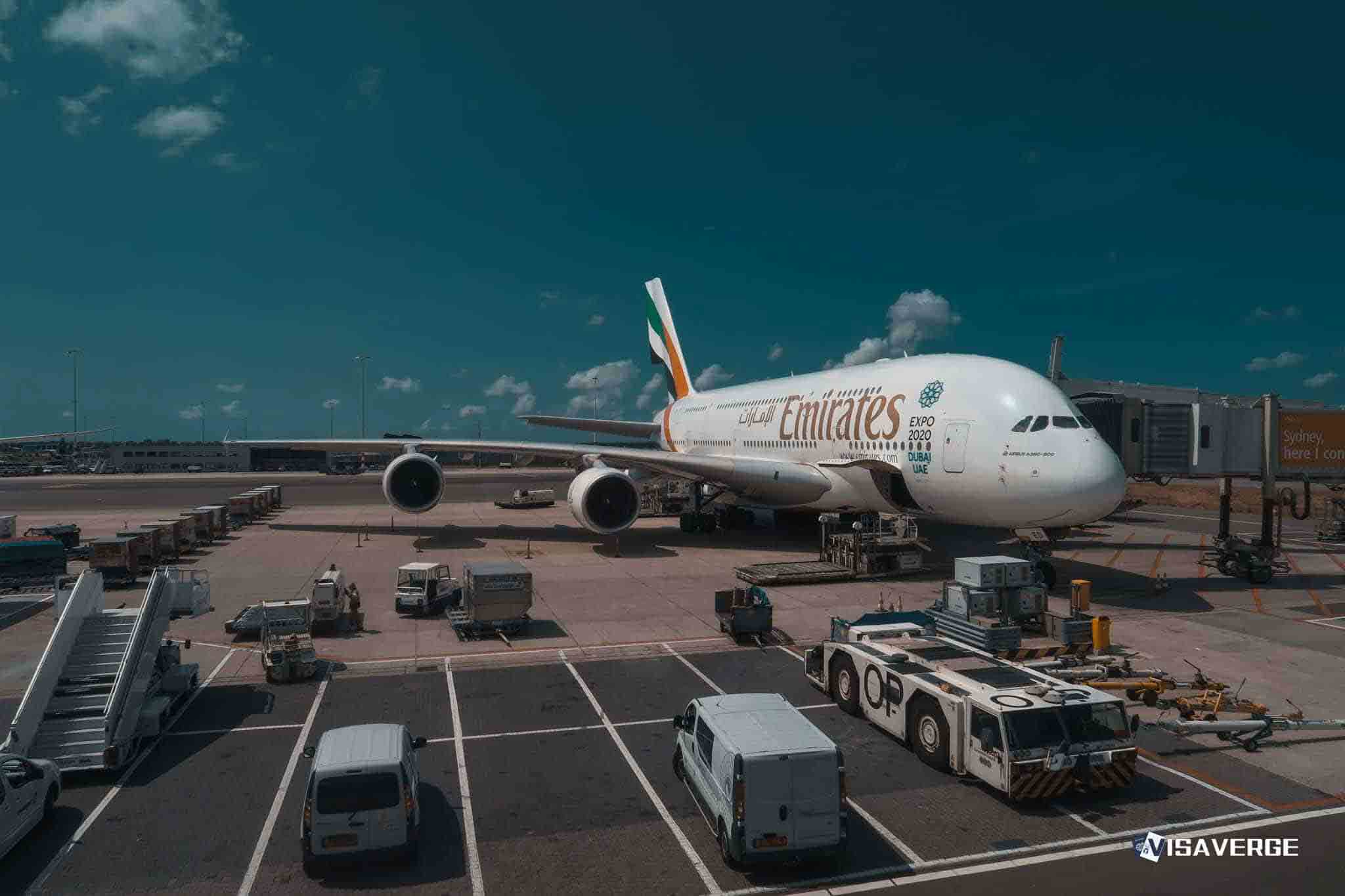
"We’re not taking that batch and that’s it."
Clark also mocked the idea of another buyer for the jets. He said:
"I understand that Boeing has been trying to find a home for the aircraft. Heinz would be interested – baked bean cans."
The dispute sits inside a much larger delay problem. The carrier has ordered 270 of the jets, and one report put the price at $US440 million ($629 million) each. The first airframe was built in 2019. Seven years later, the airline is still waiting.
The program has slipped far beyond its original 2020 schedule. First deliveries are now slated for 2027. Clark said the design had shifted so much that bringing those early jets up to date no longer made sense.
Sheikh Ahmed bin Saeed Al Maktoum, the airline’s chief executive, said at the Arabian Travel Market in 2026 that first deliveries were expected in the "latter half of 2026 or 2027." Clark said Boeing had also been looking for another customer for the early aircraft. He was not impressed.
Boeing is already cutting up early airframes
Boeing confirmed on July 20, 2026, that it had started dismantling the seventh 777-9 ever built, known as WH007. The aircraft carried the registration A6-EZT and had sat at Paine Field for six years without flying. A company spokesperson said the aircraft had reached the point where it was no longer worth upgrading.
"The company determines it is no longer economically viable to upgrade certain early-build aircraft to meet the latest certification standards."
The plane maker has booked approximately $15 billion in cumulative charges against the program as of mid-2026. That is the financial shadow behind the airframe work. The scrap list is growing.
Older jets are being kept alive to cover the gap
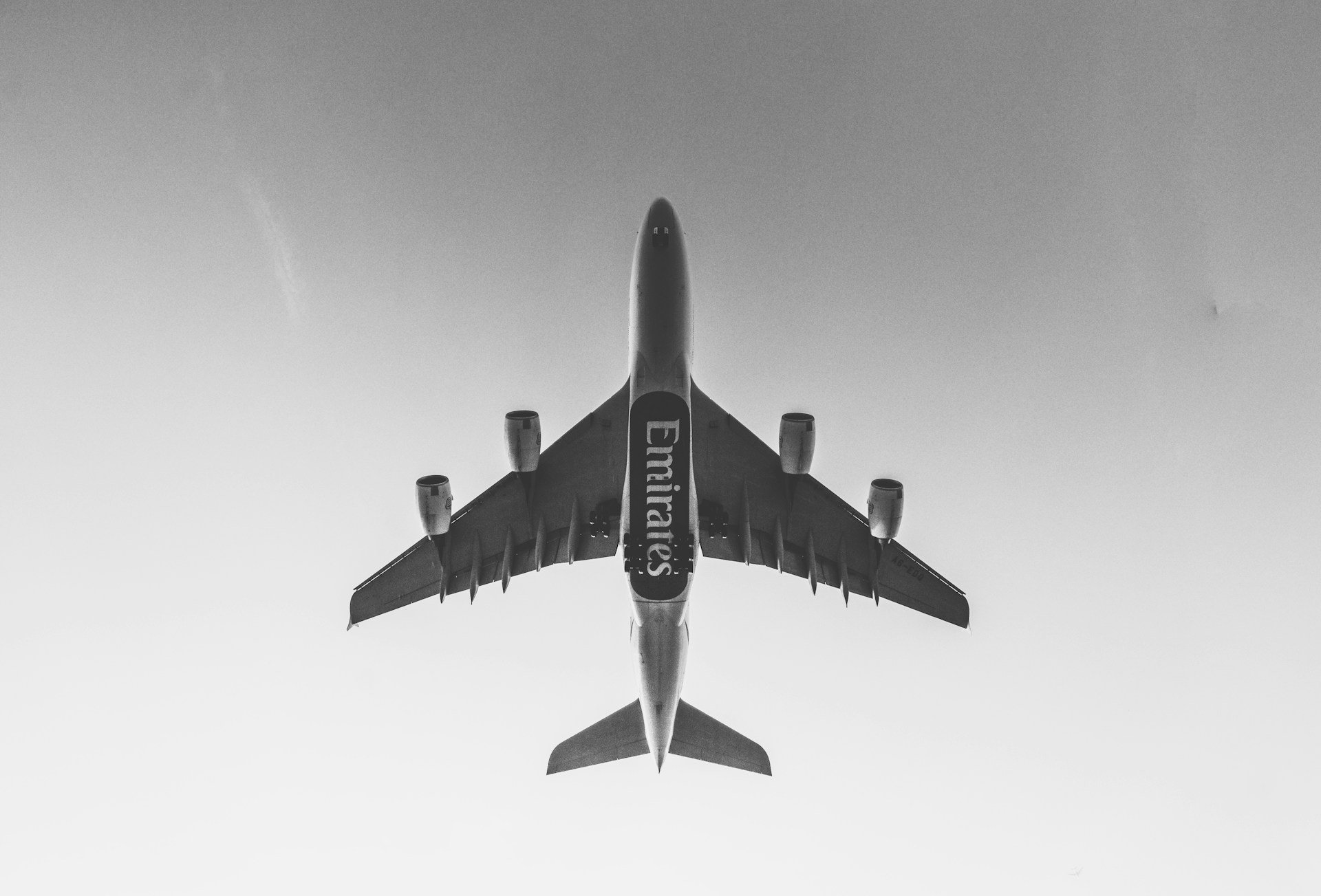
The delay has already forced the airline to spend heavily on the fleet it has now. It has launched a $3 billion+ retrofit program for its Airbus A380s and Boeing 777-300ERs so they can stay in service longer than planned. The new U-Dream headrests and updated business-class cabins were designed for the 777X, but their debut has been pushed back for years.
That leaves the carrier straddling two timelines at once. It is paying to refresh older jets while waiting for the next generation. The gap is expensive.
The final production standard is still waiting on regulators
The airline remains the largest customer for the 777X, with 270 aircraft on order, roughly half of all passenger 777X orders worldwide. Boeing is still running a rigorous test program for the GE9X engines and flight control software, and regulatory approval for the final production standard is still pending. More work lies ahead.
For Clark, though, the verdict on the first 10 jets is already set. The airline will not take them. That batch is done.