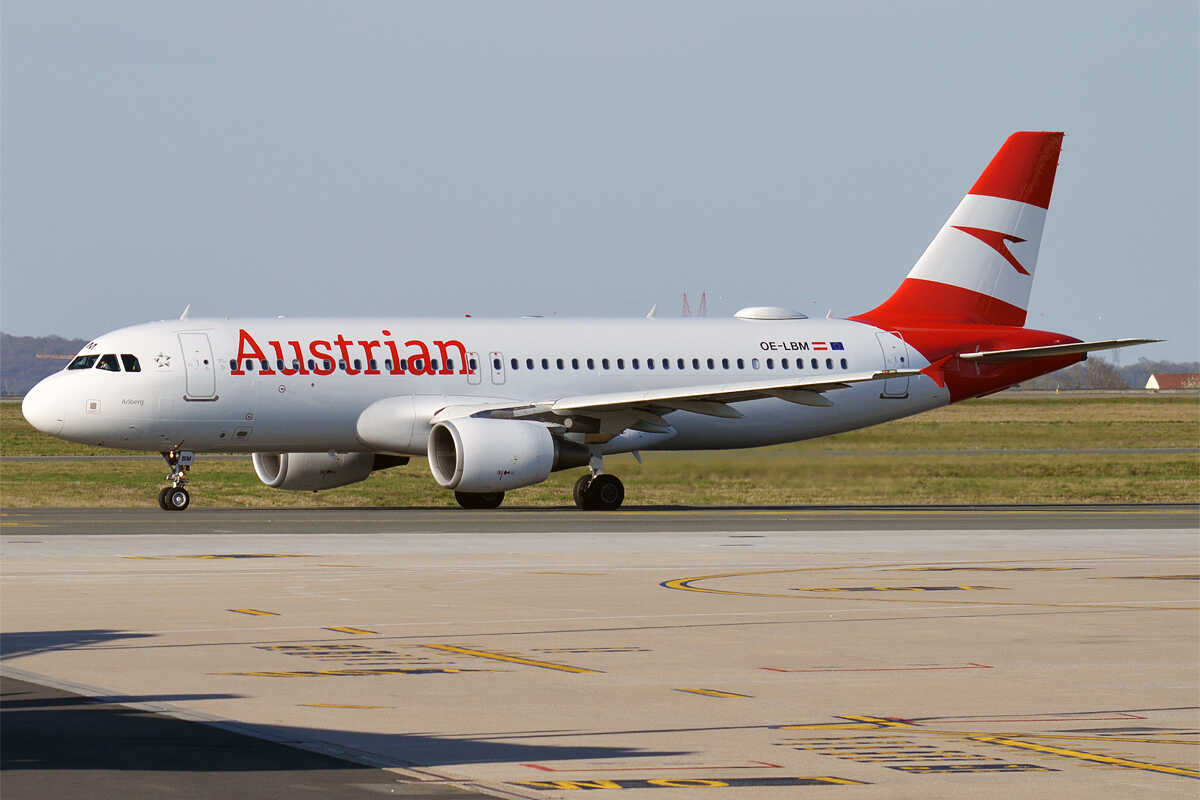
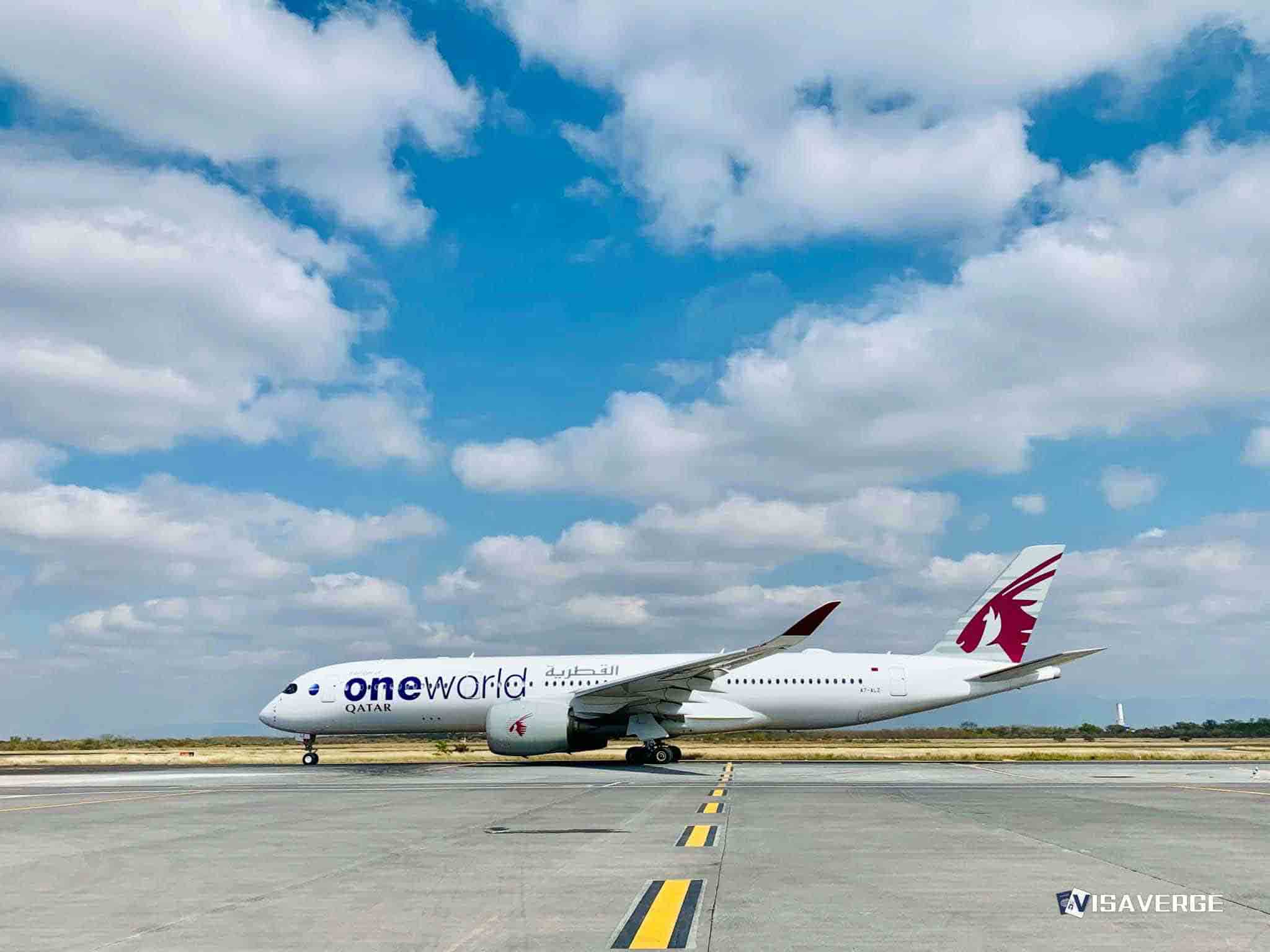
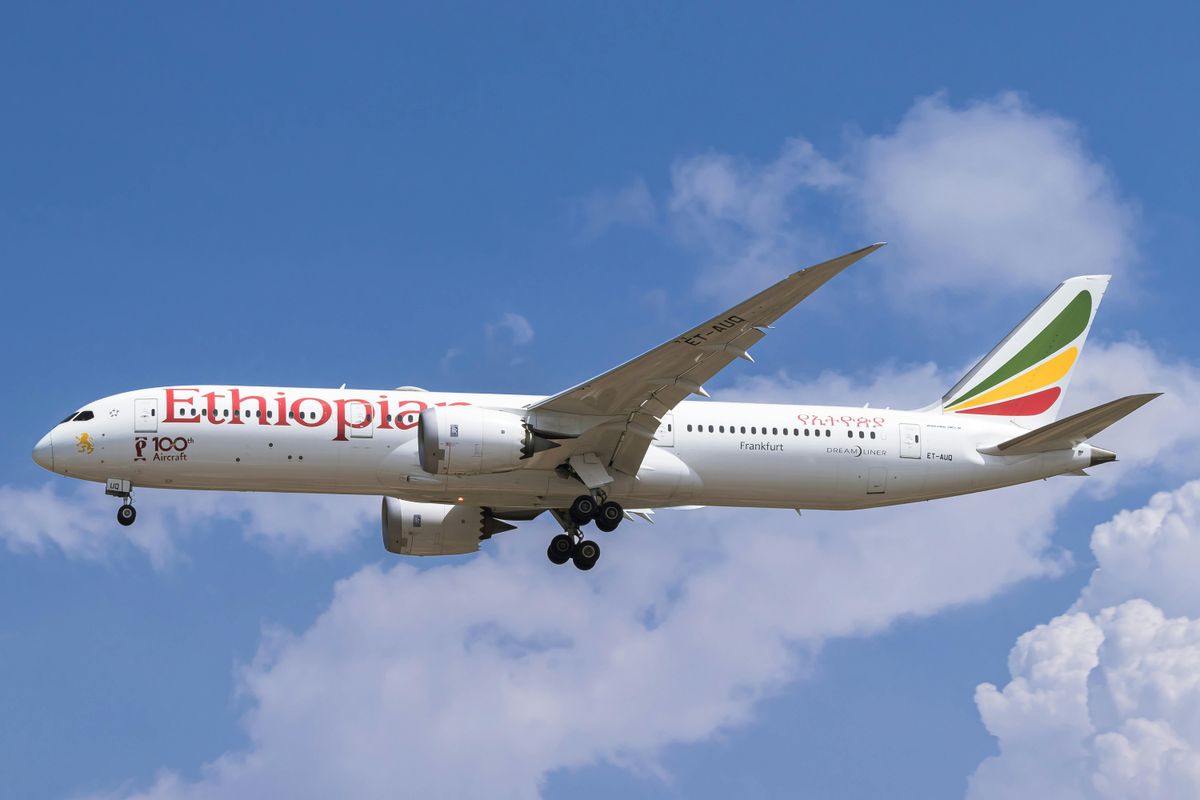
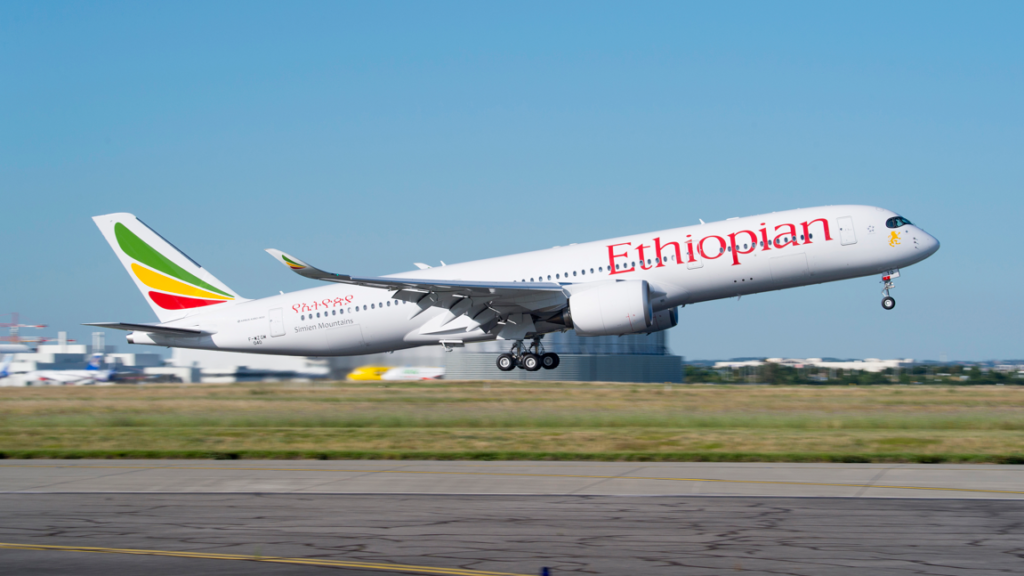
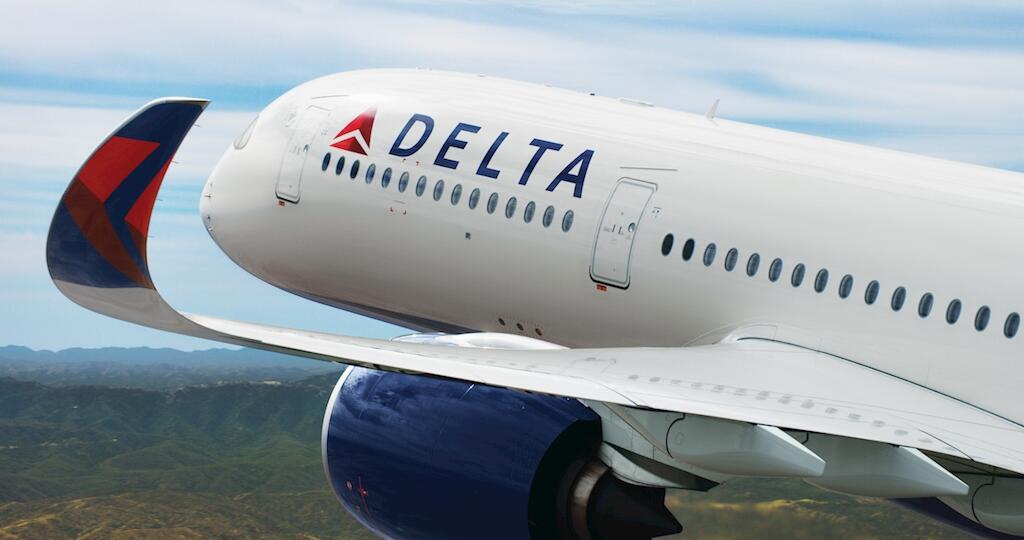
- SAS is weighing a large widebody order with Airbus and Boeing to modernize its long-haul fleet.
- The airline aims to finalize the deal during the second half of 2026.
- Key aircraft under review include the Airbus A350 and Boeing 787 for transatlantic growth.
(SCANDINAVIA) — SAS is weighing a bigger long-haul bet with Airbus and Boeing, and that could shape the cabin products, route map, and award space you see in the next few years. If you fly SAS across the Atlantic or connect through Copenhagen, this fleet decision could matter for seat comfort, premium-cabin capacity, and how many seats land in the market.
The airline is in talks over a large widebody order, with the Airbus A350 among the jets under review. Chief executive Anko van der Werff says SAS wants to finalize the deal in the second half of 2026. That puts the carrier at a crossroads between staying with Airbus and adding Boeing widebodies for the first time in its mainline long-haul fleet in years.
The immediate question is not just which jet is newer. It is which aircraft best fits SAS’s long-haul growth, especially as demand rebounds on North Atlantic routes and beyond. A larger order usually means more frequencies, more business-class seats, and more chances to redeem points when airlines release inventory.
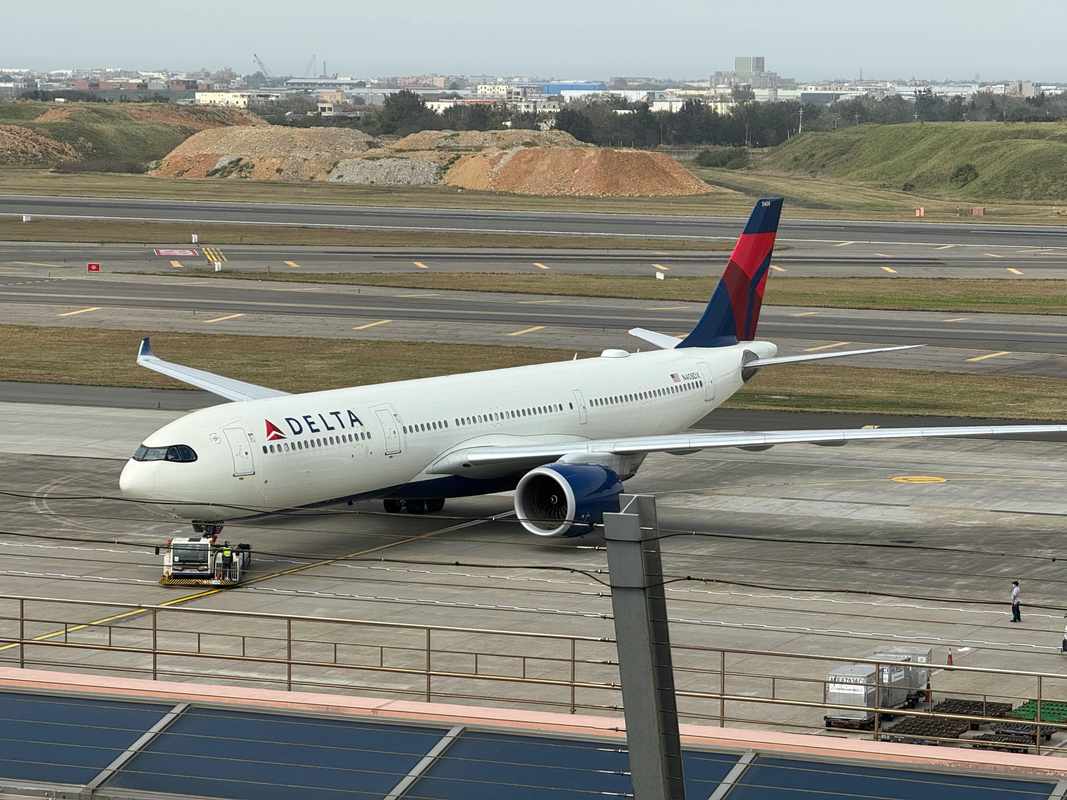
SAS is looking at both smaller widebody types and larger long-haul jets. The list includes the Airbus A330neo, Airbus A350, Boeing 787 Dreamliner, and Boeing 777X. That gives SAS a choice between lower trip costs and longer range, between familiar Airbus economics and the newer-generation Boeing cabins.
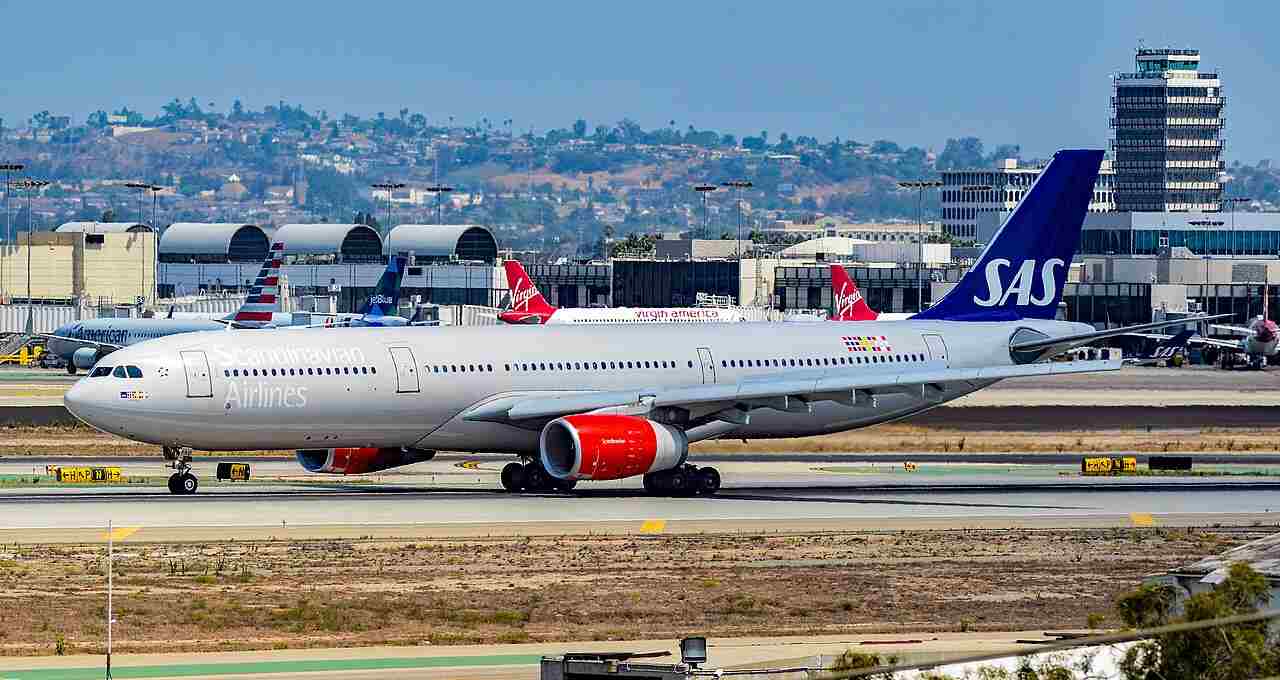
The airline already flies an all-Airbus mainline widebody fleet. Its current long-haul workhorses are the A330-300 and A350-900. That gives Airbus an obvious advantage, but Boeing still has a path if SAS wants a different cost profile, range profile, or delivery slot timing.
Van der Werff described the prospective order as large enough to “make people very interested.” That suggests a material fleet shift, not a modest top-up. A deal of that size usually ripples into schedules, premium seating, and loyalty inventory across the network.
| Option | What SAS gets | Likely traveler impact | Main tradeoff |
|---|---|---|---|
| Airbus A330neo | Lower-risk replacement for existing widebodies | Modern cabin, efficient long-haul flying, likely steady transatlantic expansion | Less range and prestige than the largest jets |
| Airbus A350 | Flagship long-haul aircraft with strong range and fuel burn | Better odds of premium-cabin growth and long-haul route flexibility | Higher capital cost than smaller widebodies |
| Boeing 787 Dreamliner | Efficient long-haul option with broad route reach | Could support thinner routes and more frequency | Would break SAS’s all-Airbus mainline widebody pattern |
| Boeing 777X | Largest and longest-range option in the group | More seats and potential for high-demand trunk routes | Delivery timing and size may be too much for some markets |
The A350 is the most familiar premium answer in SAS’s current setup. It already sits in the fleet, so pilots, crews, maintenance, and dispatch systems are built around Airbus widebodies. That lowers complexity and usually shortens the path from order to service.
The A350-900 also gives SAS the kind of range and fuel efficiency that long-haul carriers want when fuel prices swing. On board, passengers typically get a quieter ride, better cabin pressure, and modern interior layouts. Those factors matter on overnight flights to North America and Asia, where arrival fatigue can make or break a trip.
The A330neo sits lower on the scale. It is the practical choice if SAS wants newer aircraft without betting everything on an ultra-long-haul flagship. It would fit a carrier that wants better economics than older A330s while keeping an Airbus-only mainline widebody strategy intact. The cabin experience is usually solid, but the aircraft does not carry the same cachet as the A350.
The 787 Dreamliner would give SAS another efficient twin-aisle option, and one with a strong reputation among frequent flyers. The cabin humidity and window design are familiar selling points, and the aircraft often suits routes that are long, but not full-size flagship missions. A Dreamliner order would also give SAS more supplier leverage if Airbus delivery slots are tight.
The 777X is the outlier. It is the biggest aircraft in this group, and it would only make sense if SAS sees enough demand to fill a lot of seats on high-density long-haul routes. The plane is still tied to future delivery timing, which can matter just as much as cabin specs. If the airline needs capacity sooner, the 777X is harder to bank on.
That timing question matters for travelers because fleet deliveries shape when new premium cabins enter service. A faster Airbus order could mean newer seats sooner on routes that already have strong demand. A Boeing choice, if it includes the 787 or 777X, could widen SAS’s route options but also stretch the timeline.
SAS’s current all-Airbus widebody fleet gives the airline a clean operating baseline. It already knows how to rotate the A330-300 and A350-900 through its long-haul network, which helps with crew planning and maintenance efficiency. A mixed fleet would add flexibility, but it would also add complexity.
That mix-versus-standardization tradeoff matters to travelers in specific ways. Standardized fleets usually make it easier for airlines to keep cabins consistent, manage spare parts, and swap aircraft when delays hit. Mixed fleets can open new routes or better match aircraft size to demand, but seat maps can get less predictable.
Competitive pressure is part of the backdrop. Scandinavian and European carriers are fighting for premium long-haul traffic through hubs like Copenhagen, Oslo, and Stockholm. Air France, Lufthansa, British Airways, and KLM all use widebody fleets to defend transatlantic and intercontinental markets, and SAS needs enough scale to stay relevant in that fight.
The loyalty angle is just as important. A larger fleet can mean more award seats if SAS opens extra frequencies or launches new routes. It can also mean more premium-cabin inventory for EuroBonus members, especially if the airline grows business-class capacity faster than premium-demand growth.
Award travelers should watch two things. First, whether SAS adds more long-haul frequencies on routes that already perform well. Second, whether the airline uses the new jets to open markets that currently have weak or no nonstop service. Both changes can affect redemption options, especially on peak travel dates.
Choose the Airbus A350 if SAS wants the safest premium option with the strongest fit for its current fleet. The jet matches the airline’s existing widebody model and gives it the range to keep growing long-haul service without a full operational reset.
Choose the Airbus A330neo if SAS wants a more measured expansion. It fits an airline that wants better economics, but does not need the biggest flagship aircraft on day one.
Choose the Boeing 787 Dreamliner if SAS wants route flexibility and a different long-haul tool for thinner markets. It is the most obvious Boeing contender if the airline wants efficient size without jumping straight to the largest jet.
Choose the Boeing 777X if SAS expects enough demand to fill a much larger cabin on major long-haul routes. That is the boldest choice, and the one with the most timing risk.
The final call likely turns on delivery slots as much as aircraft preference. SAS has said it wants to wrap up the order in the second half of 2026, and discussions are still active with both manufacturers. If you collect SAS points or fly the carrier regularly, watch for route announcements after the order is signed; that is where the cabin and redemption impact will show up first.