- Hawaiian Airlines will replace nineteen Boeing seven-seventeen jets with larger Boeing seven-thirty-seven eight-hundreds starting in twenty-twenty-eight.
- The new aircraft increase seating capacity from 128 to 161 per flight.
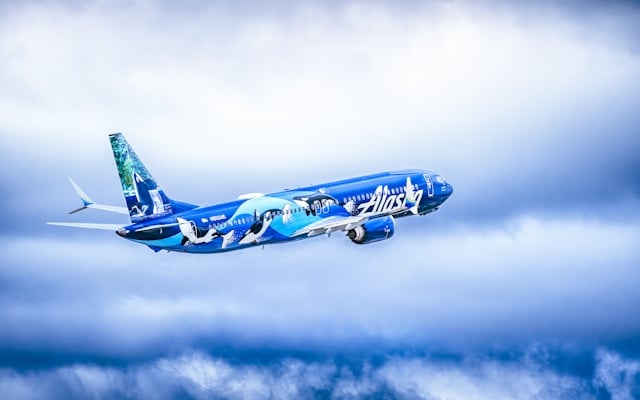
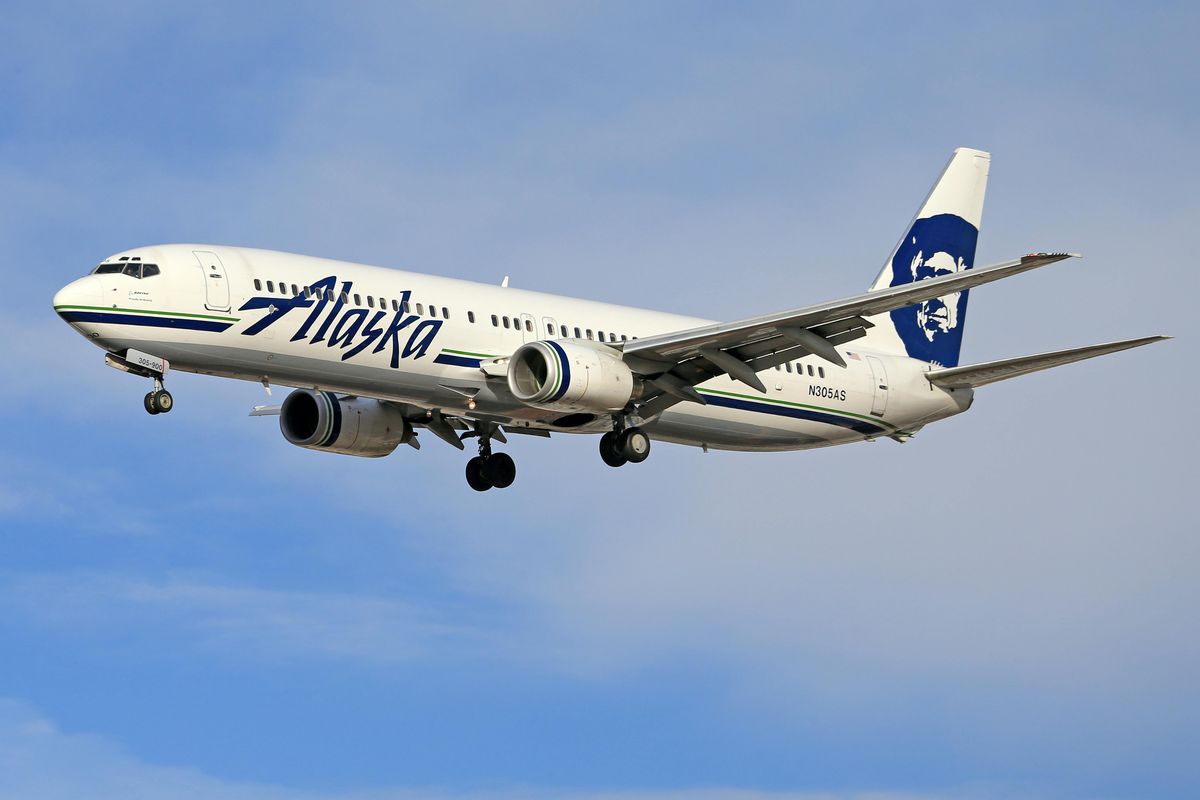
- An interim Alaska-branded seven-thirty-seven will begin service between Honolulu and Kahului in October twenty-twenty-six.
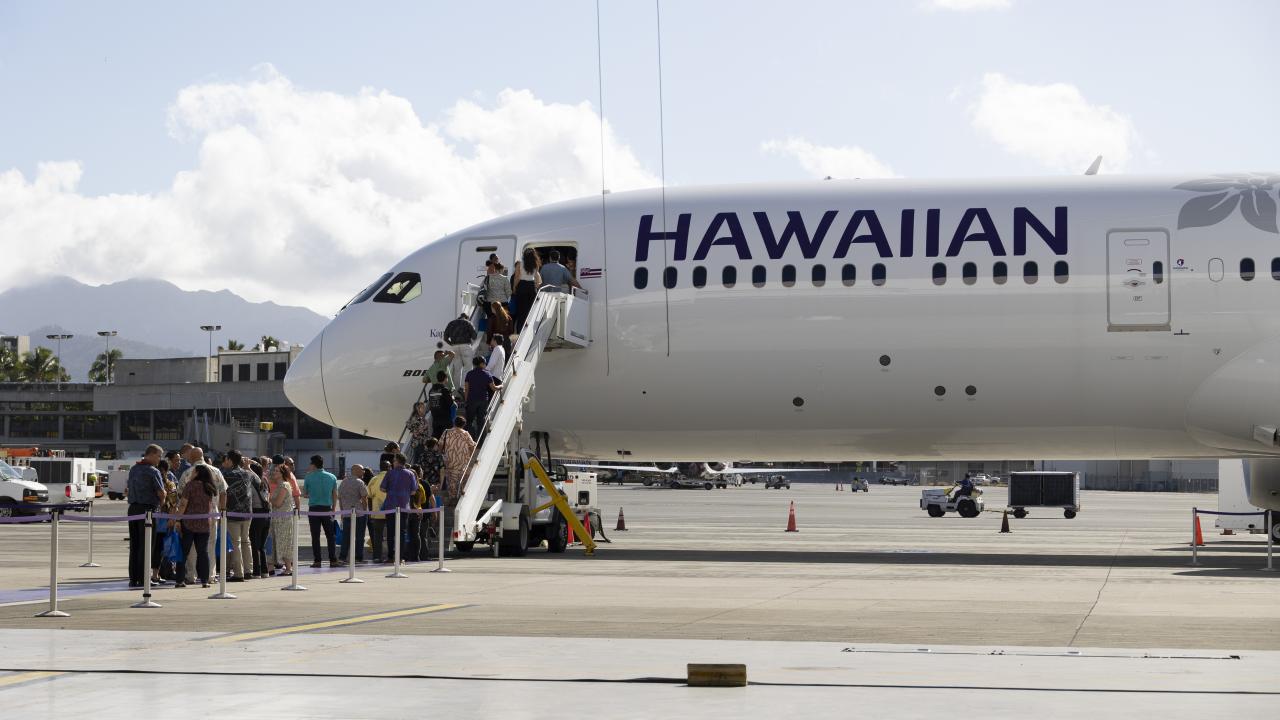
Hawaiian Airlines will retire its 19 Boeing 717s and replace them with larger 737 Next Generation jets as the carrier responds to strong demand on Neighbor Island routes. The 717s are all more than 20 years old, with an average age of approximately 25 years.
The replacement aircraft will be Boeing 737-800s. They will offer approximately 160 to 161 seats, compared with 128 on the current aircraft.
That adds roughly 32 to 33 seats per flight. The extra capacity is aimed especially at busy midday departures.
Diana Birkett Rakow, Hawaiian’s CEO, said the airline needs more seats “during the middle of the day.” The full fleet transition is scheduled to begin in 2028.
An interim change arrives sooner. One Alaska-branded 737-800 will begin three daily round trips between Honolulu and Kahului in October 2026, supplementing existing 717 service on the route.
Alaska Air Group acquired Hawaiian in 2024. Its longer-term plan calls for Hawaiian-branded 737-800s operated by Honolulu-based pilots and flight attendants, while maintaining frequent departures from morning through evening.
Larger aircraft will add seats across Hawaii’s core island network
The replacement plan affects the main inter-island markets linking Honolulu, Kahului, Līhuʻe, Kona and Hilo. The 717s have served as the workhorse aircraft for those short flights.
The aircraft will not provide the same cabin experience. The 717’s popular 2-3 seating arrangement, which leaves one side with only two seats, will give way to the 737-800’s standard 3-3 layout.
That means more middle seats. Passengers will also have access to high-speed Starlink Wi-Fi, 110V power outlets and USB charging.
| Aircraft | Seat capacity | Cabin details |
|---|---|---|
| Boeing 717 | 128 | 8 First Class seats and 120 Coach seats; 2-3 layout |
| Boeing 737-800 | Approximately 160 to 161 | More than 30 Premium Class seats; 3-3 layout |
The added seats are intended to help residents traveling for work, medical appointments and family visits, particularly during the busiest part of the day. The carrier also plans to preserve frequent service rather than replace multiple departures with fewer larger flights.
Alaska’s first 737-800 arrives before the 2028 rollout
The Alaska-branded aircraft will fly between Honolulu and Kahului three times daily in each direction beginning in October 2026. It will add capacity while the existing fleet remains in service.
Jim Landers, head of Hawai'i operations, described the aircraft as the foundation for the next phase of local flying.
“The 737-800 gives us a proven, capable platform for the next chapter of Neighbor Island flying.”
The broader transition is scheduled to start in 2028. Hawaiian-branded aircraft will eventually replace the 19 older jets across the network.
The 717 has supported up to 160 daily departures
The selection forms part of Alaska Air Group’s “Alaska Accelerate” strategic plan following its 2024 acquisition of Hawaiian. The 737-800 also gives the combined group a common aircraft platform for the Neighbor Island network.
Shane Tackett, president of Alaska/Hawaiian at Alaska Air Group, previously described the 737 as the “default” and “most likely answer” for replacing the 717s because of the operational synergy within the combined fleet.
The 717 has been out of production since 2006. Its ability to handle frequent short-cycle flights made it well suited to the island network, which has supported up to 160 daily departures across the fleet.
Older aircraft now require more difficult and expensive maintenance. The replacement plan addresses that challenge while adding seats on routes that remain central to daily life in the islands.
Rakow said communities and employees have a deep connection to the service.
“Neighbor Island service is part of the fabric of life in Hawai'i, and we know how deeply our guests, employees and communities care about its future. The airline needs the extra capacity during the middle of the day.”
The October 2026 Honolulu-Kahului schedule will be the first visible step in the change. The remaining 717s will continue flying until the wider 737-800 transition begins in 2028.