- DOJ admitted that officials transferred 116 detainees without notifying the court during a Miami brush fire evacuation.
- A litigation surge saw 1,800 habeas corpus petitions filed in Florida, representing a massive increase since 2023.
- Judge K. Michael Moore rejected staffing shortages as an excuse for violating judicial orders and disrupting legal representation.
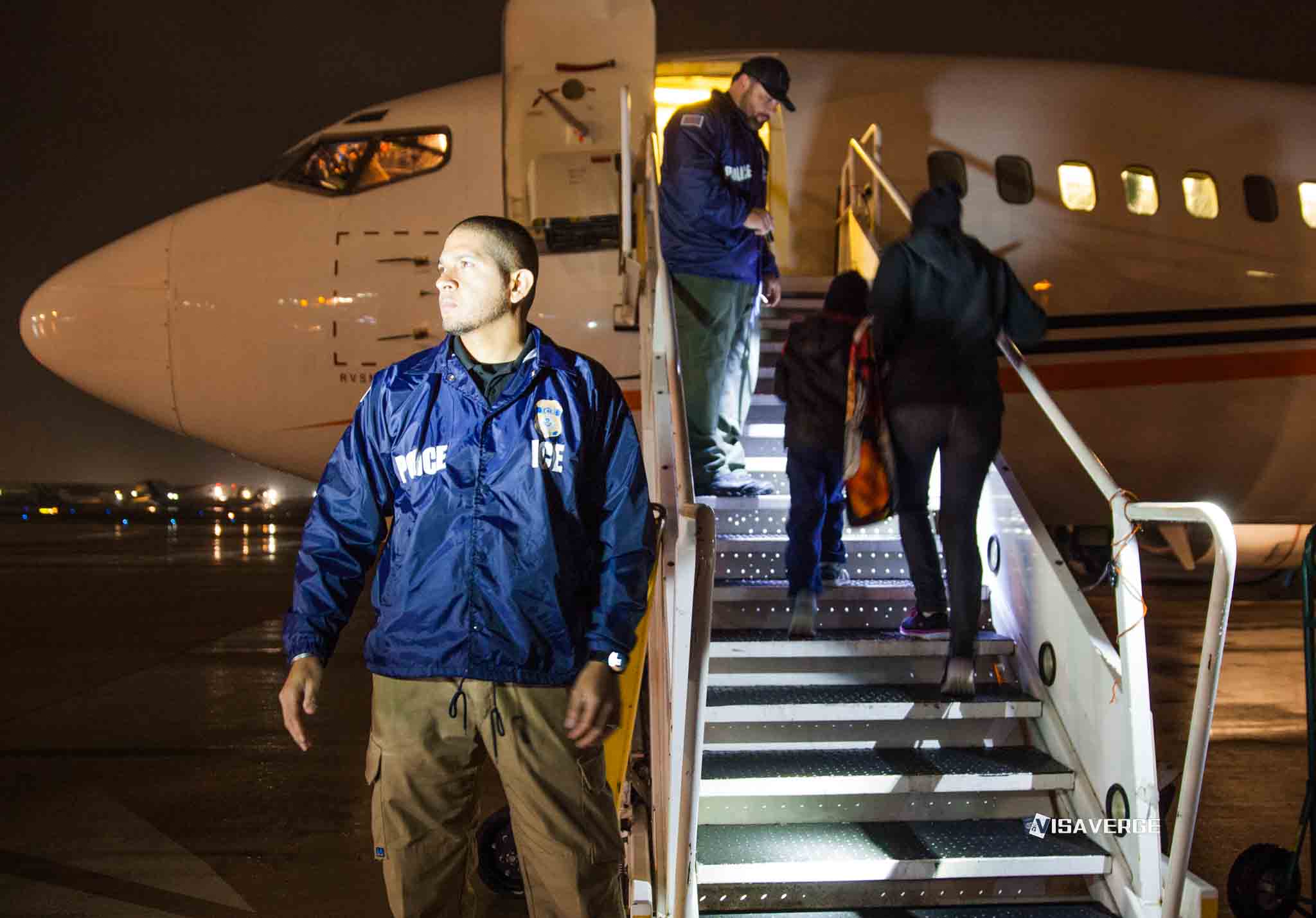
The Department of Justice acknowledged that federal officials moved 116 detainees out of South Florida without notifying the court, after brush fires forced an evacuation at the Krome Detention Facility in Miami-Dade County. The admission came during a July 16, 2026, hearing before U.S. District Judge K. Michael Moore.
The government initially reported 47 violations. DOJ attorneys later told Moore that 116 detainees with pending legal petitions had been transferred to facilities in Louisiana and Colorado, among other locations.

The transfers surfaced amid a sharp increase in detention litigation. About 1,800 habeas corpus petitions reached the Southern District of Florida between June 2025 and July 10, 2026. The district received 31 such petitions in 2023.
Detainees have won roughly 90% of petitions brought against the administration, while courts nationwide have issued nearly 10,000 rulings declaring its detention practices illegal. The Florida Fires episode exposed how emergency movements intersected with those court challenges.
Matthew Feely, a DOJ attorney representing the government, apologized during the July 16 hearing. He blamed the litigation burden in part on the administration’s policy of denying bond hearings to all detainees.
“We're struggling here, your honor. the amount of attorneys handling civil cases in the Southern District of Florida has plummeted by 40% since last year. [the situation] looks like a crisis of your own making.”
Feely said the DOJ civil division in South Florida had lost 40% of its attorneys over the past year. The staffing decline left officials managing a rapidly expanding docket.
The court demanded answers beyond the evacuation
Moore, a George H.W. Bush appointee, rejected the idea that the brush fires explained every transfer. He said some cases had no connection to the emergency.
“If you're telling me it's incompetence instead of willingness I can accept that. But we need competence. I don't want you to hide behind the brushfire, because there are cases that didn't have to do with [it].”
The judge returned to the issue on July 21, 2026, when he challenged the government’s explanation that it had been overwhelmed by the number of lawsuits.
“I'm sympathetic, but it looks like a crisis of your own making. If you didn't advance these legal theories you would not be getting sued.”
The court’s concerns center on whether officials complied with orders governing detainees who had pending petitions. Moving people across state lines can disrupt Florida-based representation and place them before judges in the Fifth Circuit, which is viewed as more receptive to the administration’s detention policies.
That disruption can carry practical costs. People transferred to Louisiana or Colorado may lose regular access to their Florida attorneys while continuing to contest their detention.
Bond-hearing policy drove the litigation surge
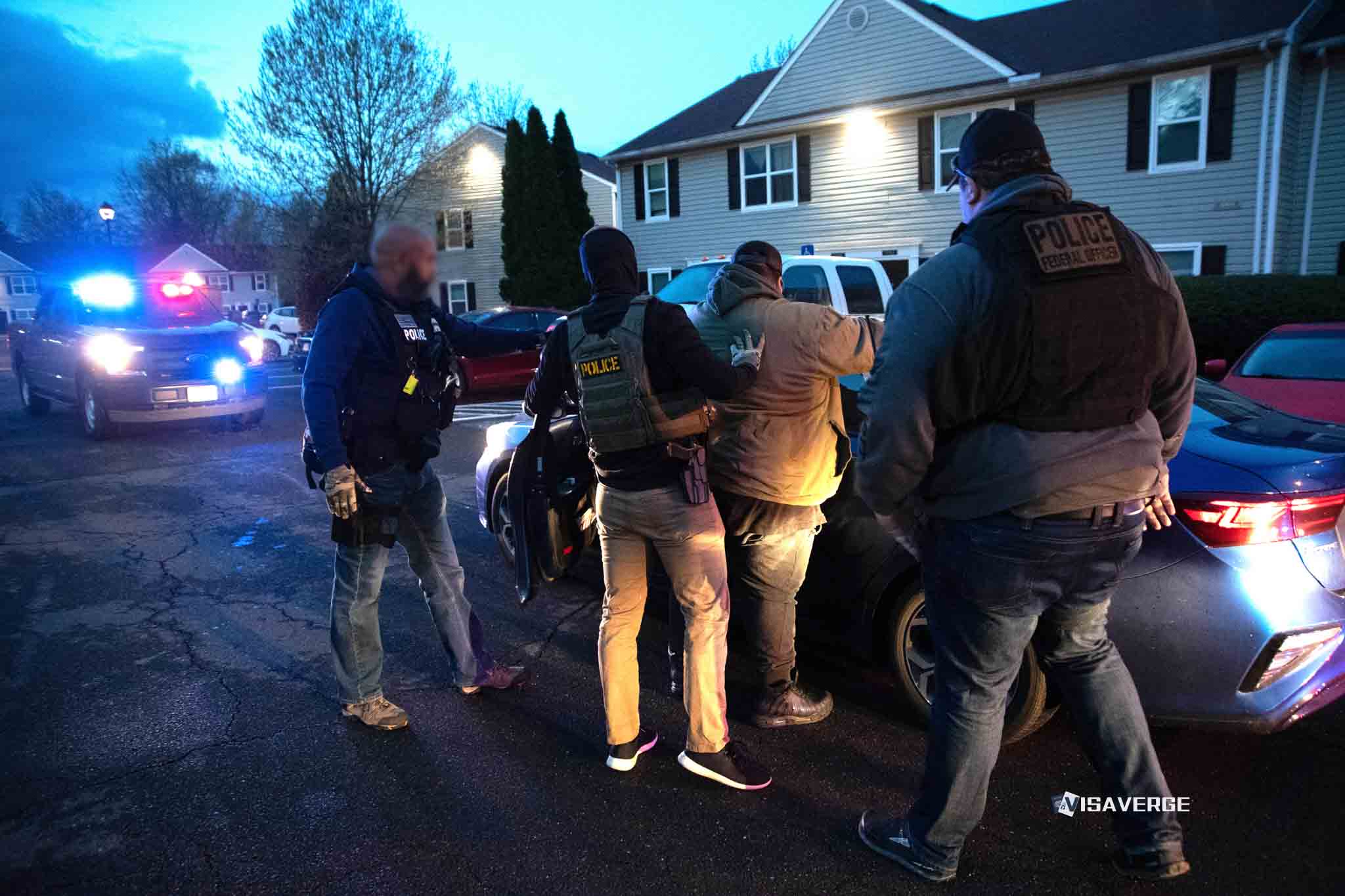
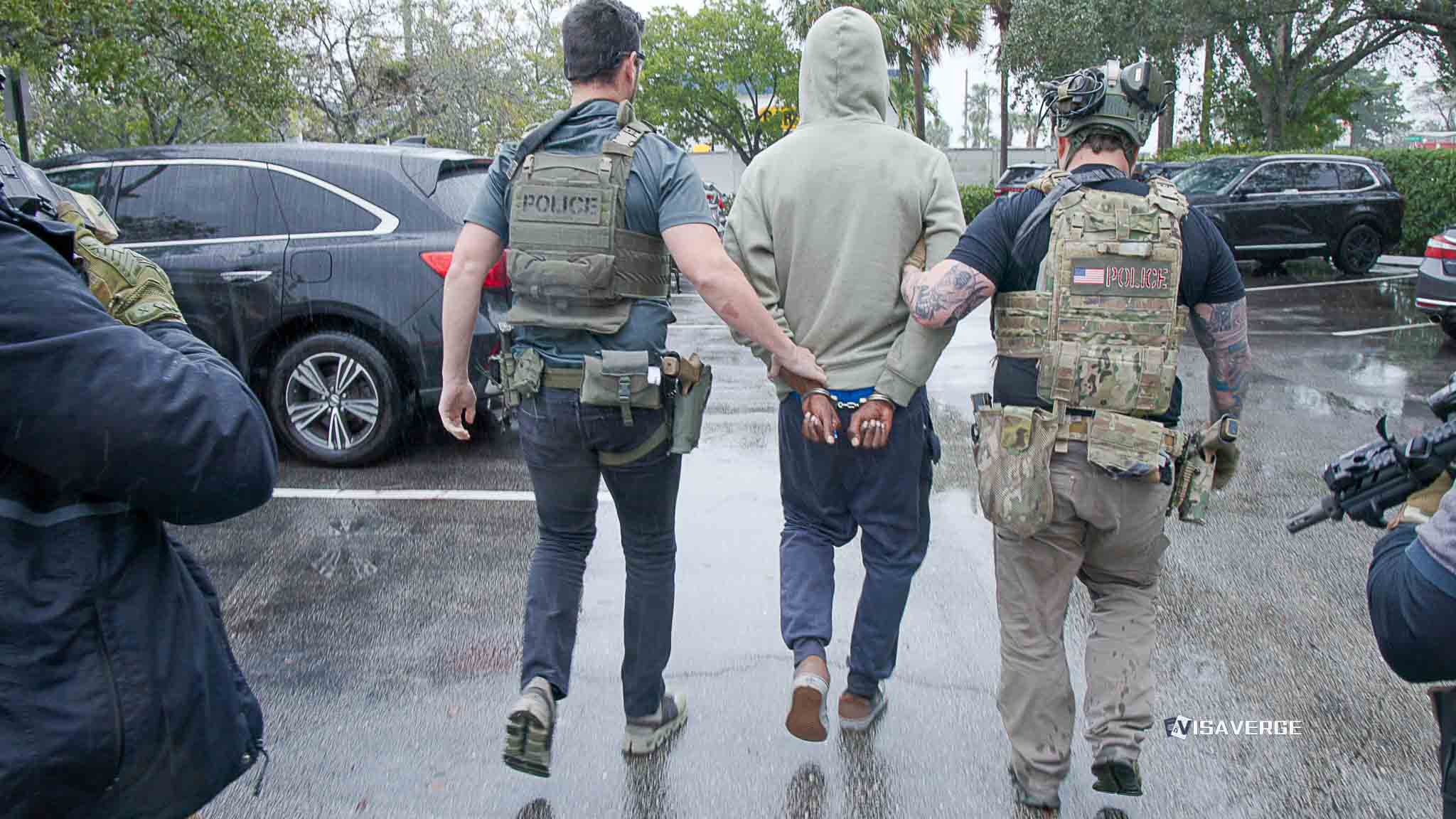
The administration’s position, now being challenged in the Supreme Court, is that migrants do not have a right to a bond hearing and may remain detained indefinitely while awaiting deportation. That policy helped produce the volume of cases described at the hearing.
Critics have characterized the transfers as “flooding the zone” or creating a “fog of war,” arguing that detainees were shuffled across state lines to avoid judges who had issued favorable rulings. The emergency evacuation provided an unplanned look at how those movements occurred.
The legal dispute also invokes the 14th Amendment’s due-process protections. Detainees’ habeas petitions have challenged the government’s handling of custody, hearings and transfers, producing a roughly 90% success rate in the Southern District of Florida.
The number of cases has strained both sides of the court system. The district’s petition total rose from 31 in 2023 to approximately 1,800 between June 2025 and July 10, 2026, while DOJ staffing fell by 40% over the past year.
Mullin defended enforcement as cases mounted
Homeland Security Secretary Markwayne Mullin, sworn in on March 31, 2026, has defended the administration’s enforcement approach. He did not issue a specific statement about the Miami-Dade transfers, but he described the broader policy during a June 2026 hearing.
“Partnership is vitally important. [DHS is] restoring the rule of law [and] removing dangerous criminal illegal aliens. making America safe for generations to come.”
The statement reflects the department’s public justification for aggressive enforcement, while the Florida litigation focuses on the government’s compliance with individual judicial orders.
The case volume has produced a widening gap between those positions. The Department of Homeland Security has emphasized enforcement and removal, while detainees have used habeas petitions to seek review of their custody and access to hearings.
The transfers also shifted cases away from the Florida court that had been handling them. That left attorneys and judges confronting the consequences after the evacuation rather than through a planned review of each detainee’s location and pending petition.
The July 16 hearing established the initial 47-violation figure and the later admission involving 116 people. Moore’s July 21 remarks kept the focus on whether staffing shortages could excuse noncompliance with court orders.
The Southern District of Florida litigation remains tied to the Supreme Court challenge over bond hearings. Until that dispute is resolved, the combination of indefinite detention, cross-state transfers and rising habeas filings will continue to test the administration’s handling of judicial oversight.