- Federal authorities removed one hundred forty-three inmates from Weld County within the first one hundred thirty-eight days of twenty twenty-six.
- District Attorney Michael Rourke warns that dozens of criminal cases including felonies may never reach a final resolution.
- A federal judge found ICE routinely violated law through warrantless arrests, ordering new training and reporting procedures.
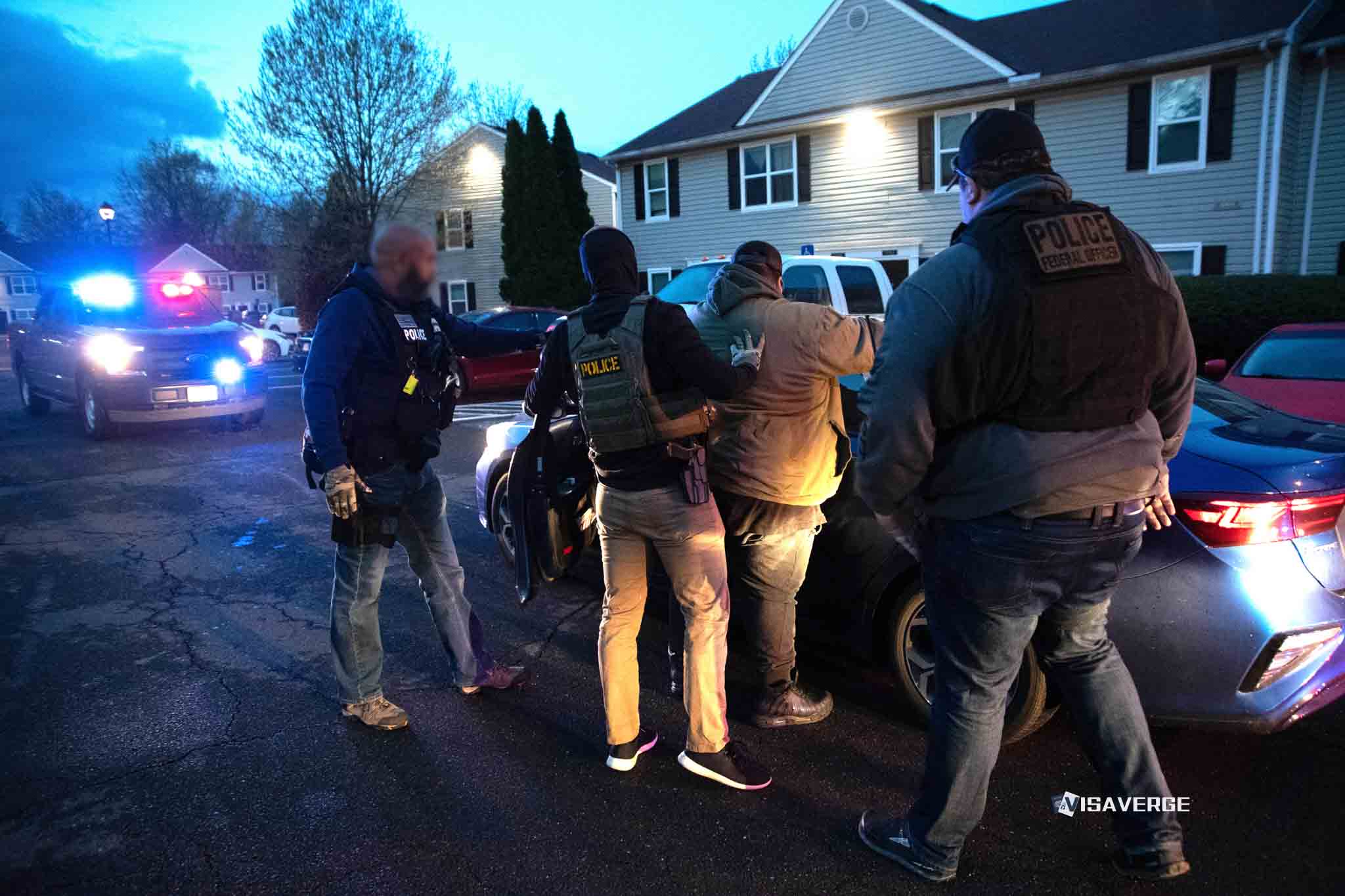
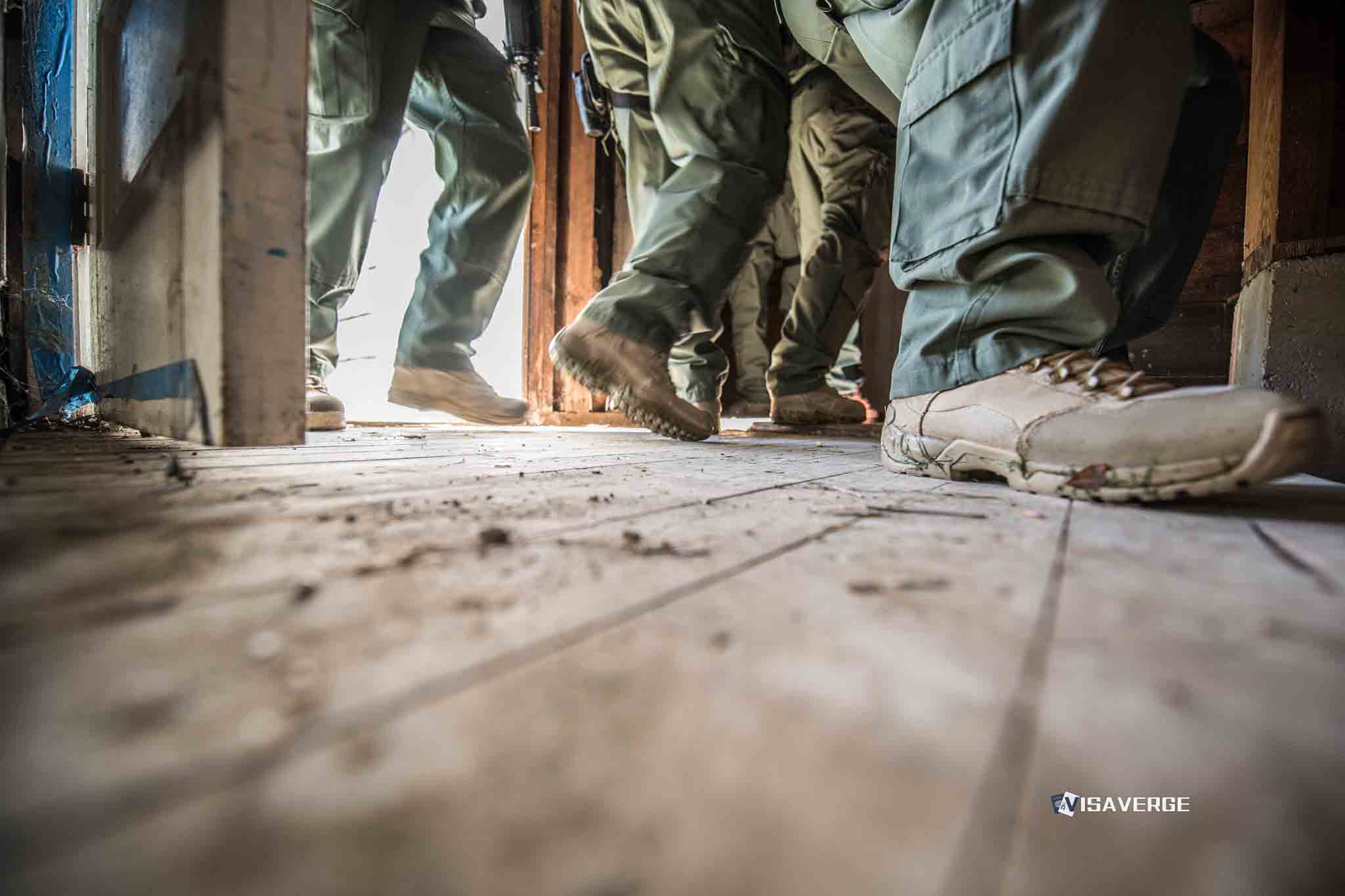
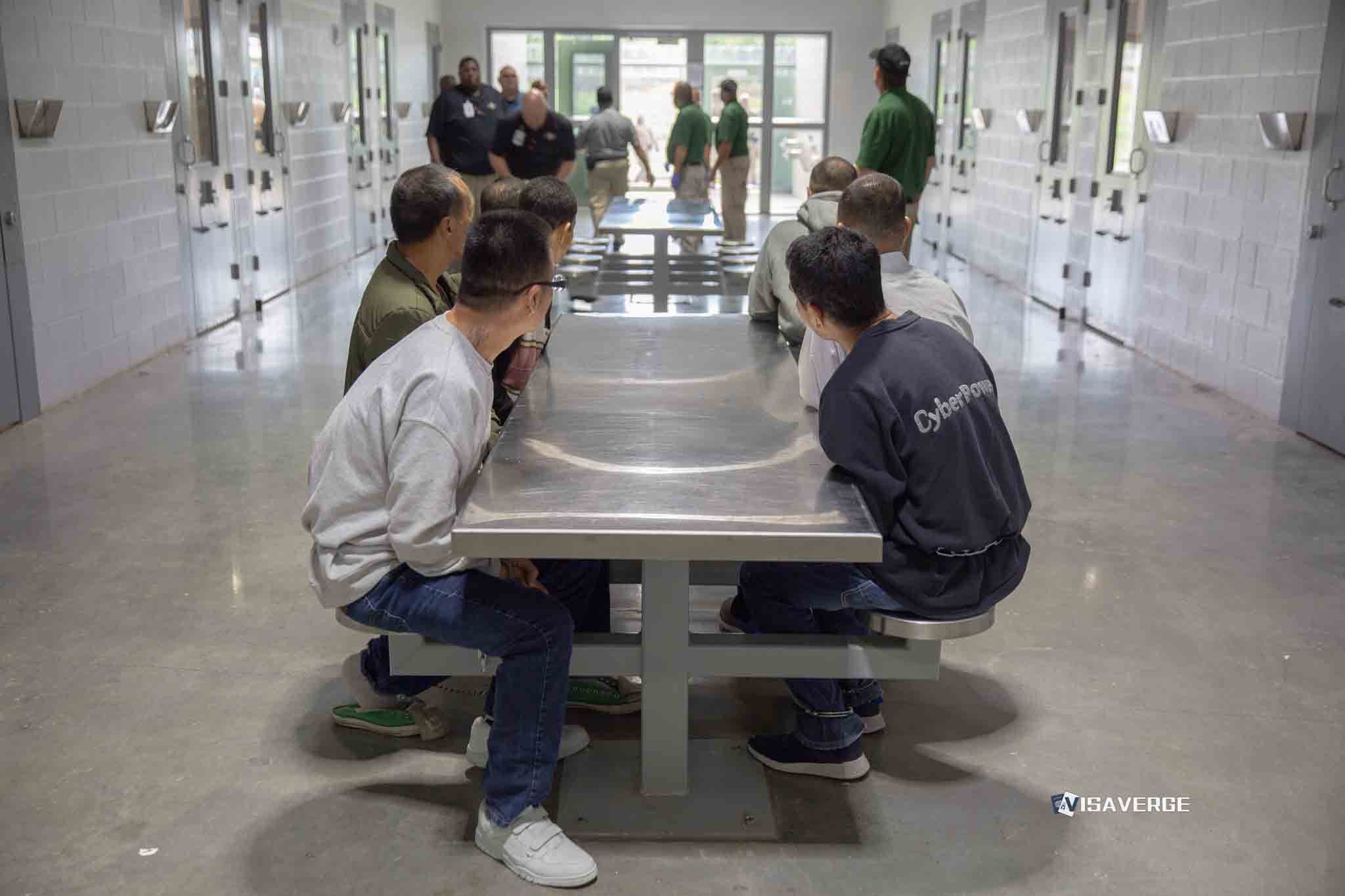
Federal immigration authorities removed at least 143 inmates from the local justice system during the first 138 days of 2026, leaving dozens of criminal cases in Weld County, Colorado, vulnerable to delay or collapse before trial.
District Attorney Michael Rourke said defendants have been taken into federal custody before they could appear in court. Some cases involve misdemeanors; others involve allegations including fentanyl distribution and child abuse.
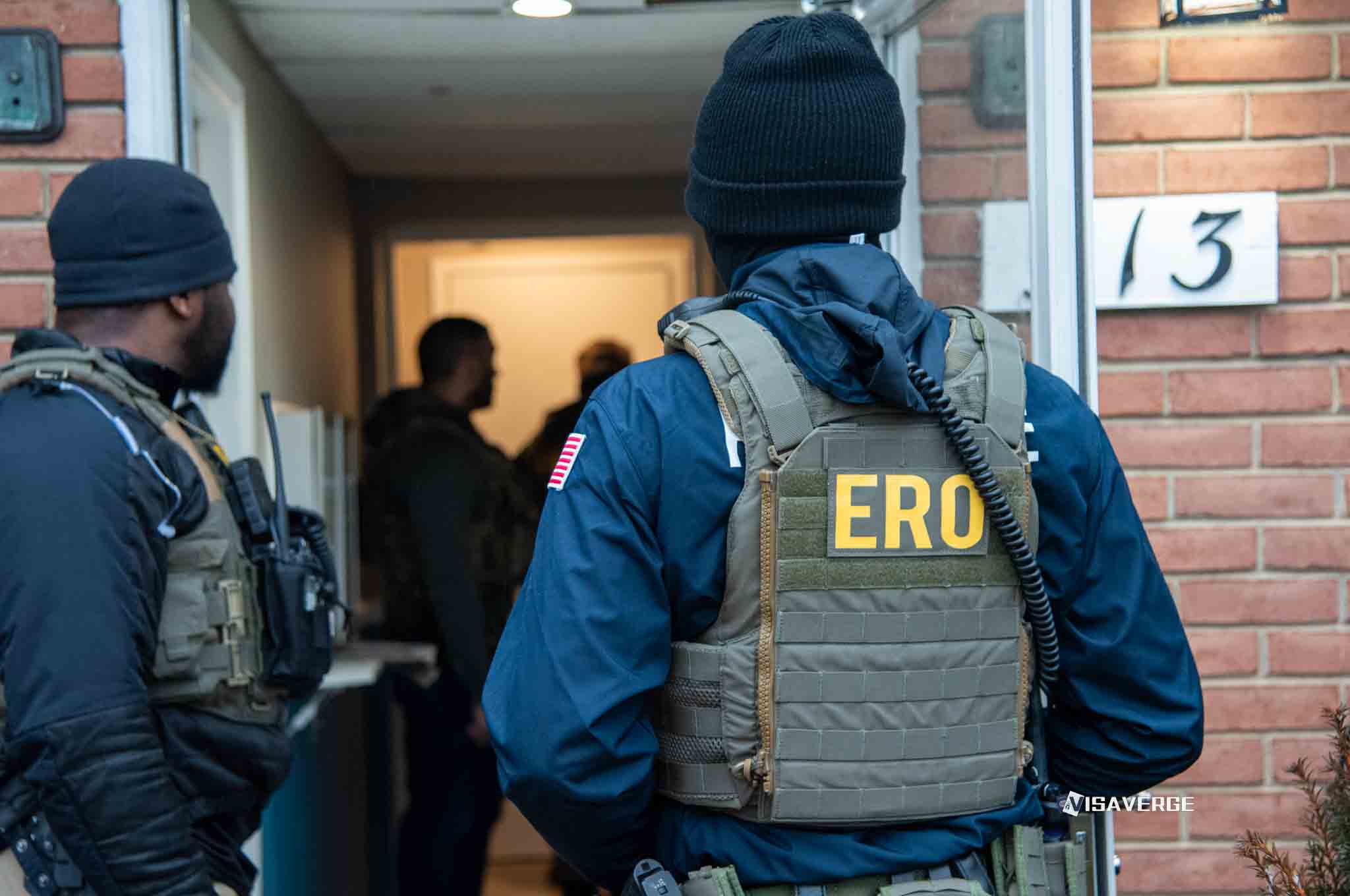
The practice has become known locally as a pretrial extraction problem. It does not automatically erase criminal charges, but it can take the accused beyond the county’s immediate reach and disrupt hearings, trials and restitution claims.
“The DA said he had dozens of cases that may never get resolved, because ICE arrested the defendants before they went to court,” Rourke said in a March 13, 2026 statement.
The removals have also affected victims and witnesses. “Prosecutors cannot move cases forward when victims or witnesses are afraid to participate or are deported before trial,” Rourke said.
Defendants disappear between hearings and trial dates
The reported removals span the criminal docket. Rafael Cabrera-Barron, who faced misdemeanor child abuse and drug-possession charges, failed to appear for his court case after federal agents took him into ICE custody.
Another case involves 19-year-old Eduardo Parral, who allegedly caused a fatal crash. Authorities transferred Parral to federal immigration custody before his state criminal trial could take place.
The immediate issue is access. Once a defendant leaves the local jail, prosecutors may have difficulty securing the person for a hearing or trial. A prosecution can stall, and a victim may be left without a verdict or restitution.
The pattern has been described as “Acquittal by Removal” in an April 2026 staff report. That report said rapid deportation priorities can produce an outcome resembling a presidential pardon, because the state case may never reach a final resolution.
The sheriff says federal tactics are changing local policing
Sheriff Steve Reams said the arrests create a separate problem for local law enforcement: residents may not distinguish county officers from federal immigration agents.
“When ICE is viewed on equal ground as any other law enforcement officer, that’s troubling, and that creates a slippery slope effect for those of us that are working at the local law enforcement level,” Reams said in a Jan. 26, 2026 radio interview.
The concern comes as federal agents have increasingly detained defendants during lunch breaks in trials or immediately after bond hearings, according to the April report. Local prosecutors were often not notified beforehand, the report said.
John Fabbricatore, the acting field office director for ICE ERO Denver during the earlier period cited in the material, defended the agency’s approach.
“Our sworn federal law enforcement officers unapologetically continue to do their job by removing criminal aliens who are a threat to public safety. we will also continue to warn the public that these misguided sanctuary laws put individuals and communities at risk,” Fabbricatore said in an official statement covering the 2025-2026 period.
A federal court later found repeated violations in Colorado
The conflict escalated in May 2026, when U.S. District Judge R. Brooke Jackson found that ICE officers in Colorado were “routinely” violating federal law through warrantless arrests.
Jackson ordered the agency to adopt new training and reporting procedures addressing “manifest noncompliance.” The ruling added a legal challenge to the operational dispute already playing out in county courts.
The cases also raise practical questions about who controls a defendant’s availability. State prosecutors handle the criminal charges, while federal immigration authorities control the person after an immigration arrest or transfer.
That division can leave a state court with a pending case but no defendant physically available for ordinary proceedings. The criminal case remains separate from the immigration case, yet the federal action can determine whether the state case moves forward.
Anna Kurtz, a lawyer with the ACLU of Colorado, described the human cost during a March 11, 2026 federal court hearing.
“Every violation causes profound harm to human beings that can’t be undone.”
New detention plans add another layer to the dispute
The local conflict continued after the reported case removals. On July 23, 2026, an interfaith group and a county resident sued the Town of Hudson to block a proposed 1,200-bed ICE detention facility at the former Hudson Correctional Facility.
The lawsuit targets a proposed expansion of federal detention capacity in the region. Its filing came as local officials were still tracking criminal cases affected by federal intervention.
A separate ruling changed bond policy. On July 1, 2026, the Tenth Circuit Court of Appeals held that an ICE guidance issued in July 2025 was unlawful because it denied bond to every detainee who had entered the country illegally.
That ruling addresses detention and bond, not whether state prosecutors can complete a criminal case after a defendant leaves local custody. The two systems nevertheless meet at the same point: whether the person remains available for court.
Prosecutors are tracking cases that leave the docket
Rourke’s office continues to maintain a public case tracker for prosecutions that “vanish” after federal intervention. The tracker is intended to show how many cases have stalled and preserve a record of what happened to them.
The cases range from low-level charges to serious felonies. That breadth makes the issue different from a single missed court date or an isolated transfer.
The reported pace also exceeds one person per day during the period reviewed. At least 143 inmates were removed in 138 days, while prosecutors said dozens of cases may never be resolved.
The unresolved question is whether defendants can be returned for state proceedings after federal detention or removal. Until that happens, victims may wait without restitution, prosecutors may lack a path to trial, and local courts may retain cases they cannot practically finish.
This article provides general information and is not legal advice. Consult a qualified immigration attorney about your specific case.