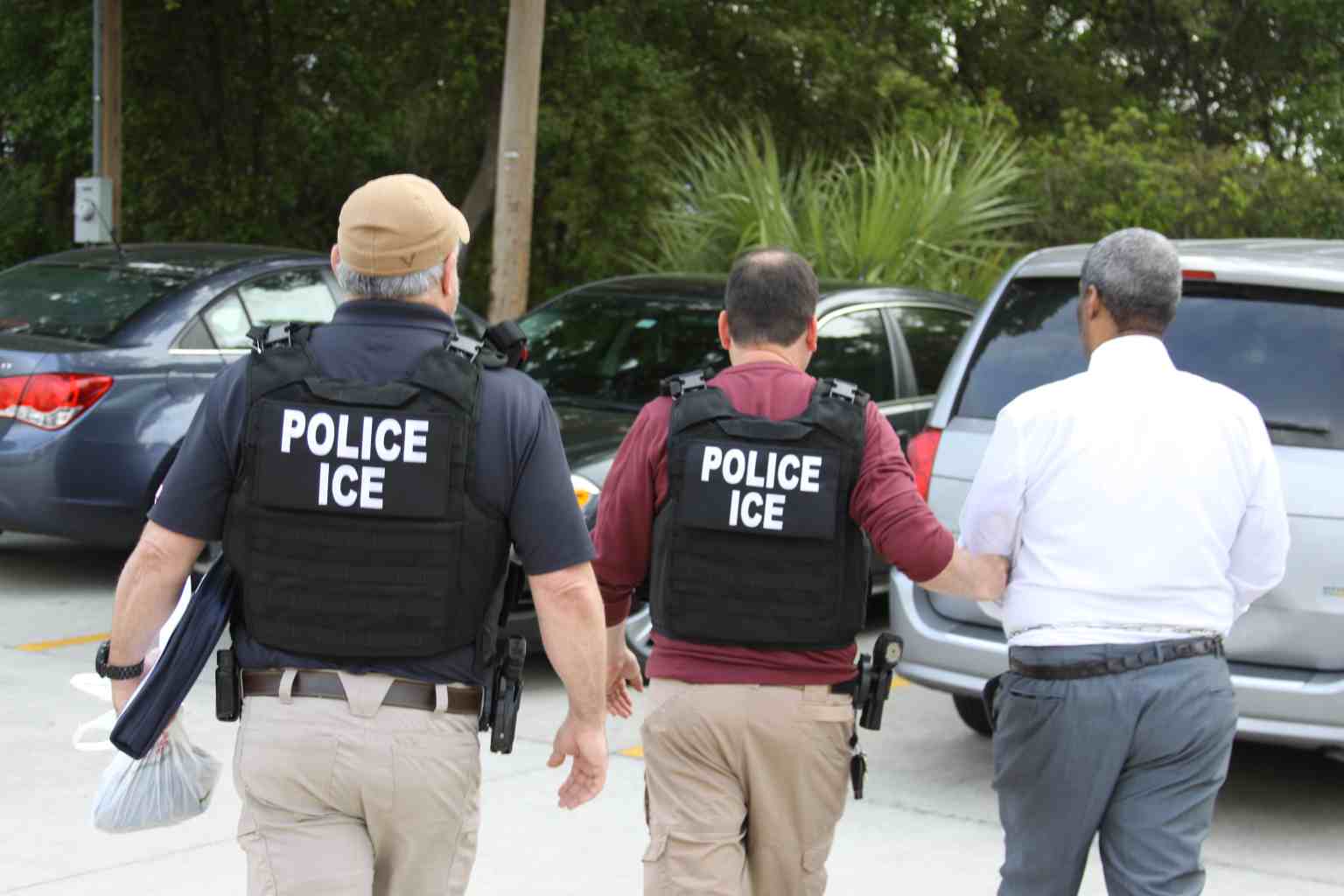
- The United States deported at least 25,447 people to third countries by August thirty-first, twenty twenty-six.
- About 20,000 were sent to Mexico, while others went to twenty-seven countries across Latin America, Africa, and the Pacific.
- A federal appeals court ruled the rapid third-country removal policy unlawful for failing to give migrants notice and a chance to object.
The United States deported at least 25,447 people to third countries by August 31, 2026, under agreements involving 35 countries, an investigation found. About 20,000 went to Mexico. The rest were sent to 27 other countries across Latin America, Africa, and the Pacific.
The transfers moved people to countries with no connection to their nationality or personal history. Seven additional agreements had been finalized but were not yet fully reflected in the receiving-country total.

The State Department’s Office of Remigration coordinated the arrangements. The office was created in May 2025 and headed by diplomat Christian Jove Ehrhardt.
Visa restrictions helped pressure governments to accept deportees. The administration also earmarked at least $410 million for the operation.
Internal State Department records divided that money among governments and international agencies. They set aside $81 million for signatory governments, more than $178 million for the International Organisation for Migration, and $123 million for UNHCR.
The amounts show how the program combined diplomatic pressure with payments to countries and organizations involved in the transfers. The agreements also vary.
The agreements spread deportees far beyond Mexico
The deals do not use one uniform standard for every transfer. They differ over which nationalities countries will accept and whether governments will take people with criminal records.
The investigation said officials approached 49 of Africa’s 54 countries about receiving third-country deportees. Court accounts identified Uganda, Equatorial Guinea, Liberia, and the Central African Republic among the countries used for transfers.
The number of signed agreements exceeds the number of countries that have received flights. A rights-group tracker counted at least 29 third countries already used for removals, while the investigation identified arrangements involving 35 countries.
The difference reflects two stages of the program: agreements completed on paper and transfers carried out in practice.
Eswatini received transfers from four countries
Eswatini has received 33 people since July. Early transfers included migrants from Vietnam, Laos, Cuba, and Jamaica.
The lawyers who examined the system said deportees could be held in countries where they had no ties or legal rights. They described the arrangement as a “legal black hole.”
“legal black hole”
The transfers therefore placed people under the control of governments with no apparent connection to their original cases. The agreements determine which groups can be sent and what receiving governments will accept.
The appeals court rejected rapid removals without advance notice
A federal appeals court rejected the Trump administration’s rapid third-country deportation policy on September 18, 2026. The ruling came from the U.S. Court of Appeals for the First Circuit.
The court said migrants must receive notice and an opportunity to raise fears of persecution or torture before removal. A related judicial account dated September 19, 2026, described the policy as unlawful for failing to provide that opportunity.
The decision upheld an earlier ruling from February 2026. That ruling found the Department of Homeland Security policy violated due process because migrants did not receive sufficient notice or a chance to contest removal.
The legal challenge came after the administration had already sent more than 25,000 migrants to third countries. The court’s ruling addressed the process used before removal, not only the destinations selected afterward.
The program’s future reach will depend partly on the seven finalized agreements not yet fully reflected in receiving-country figures. It will also depend on whether individual governments accept the nationalities and criminal-record categories covered by their deals.
The investigation’s count stands at 25,447 people through August 31, 2026. The transfers had already reached Mexico, 27 other countries, and at least 29 third-country destinations tracked by rights groups.