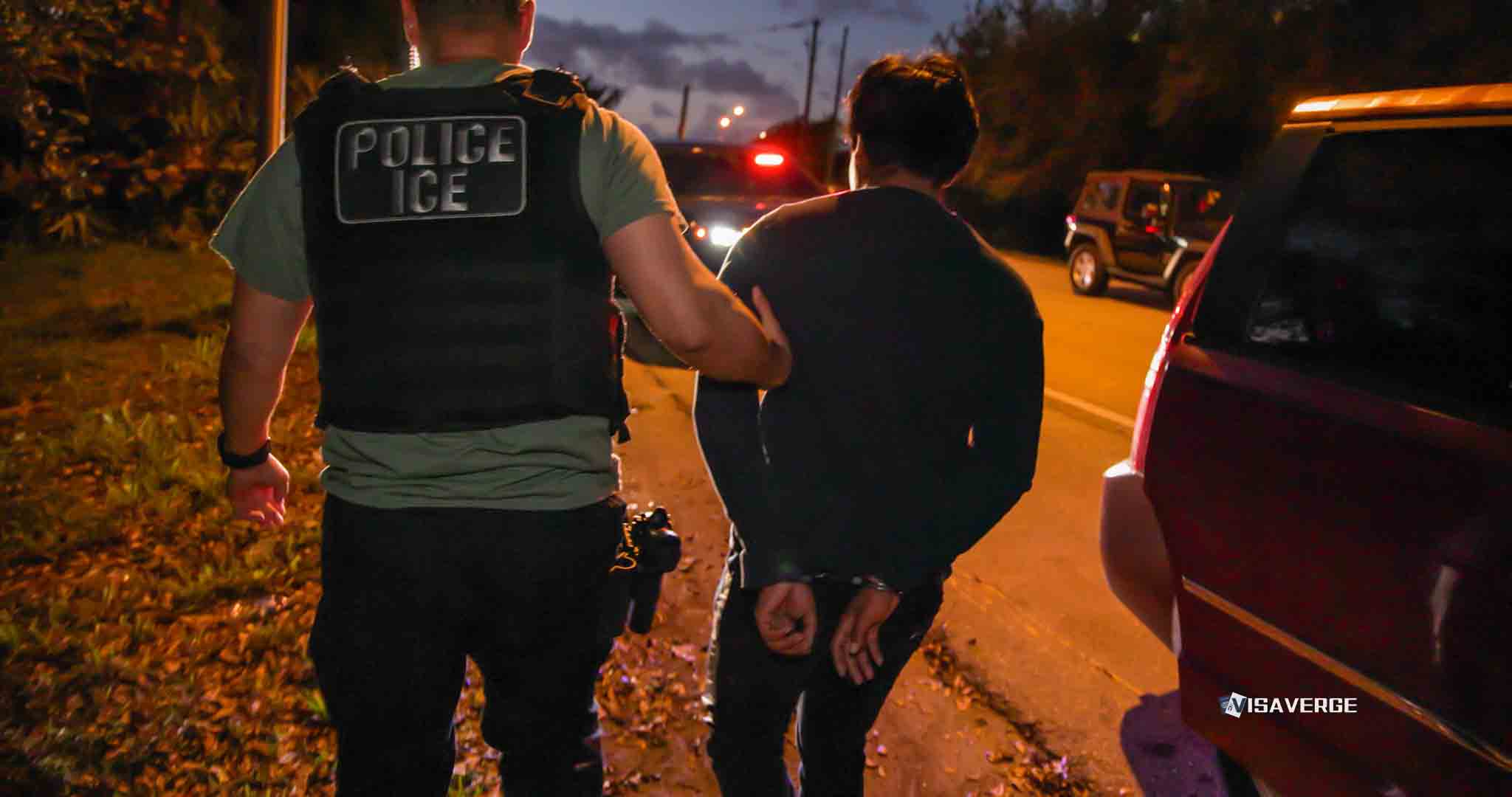
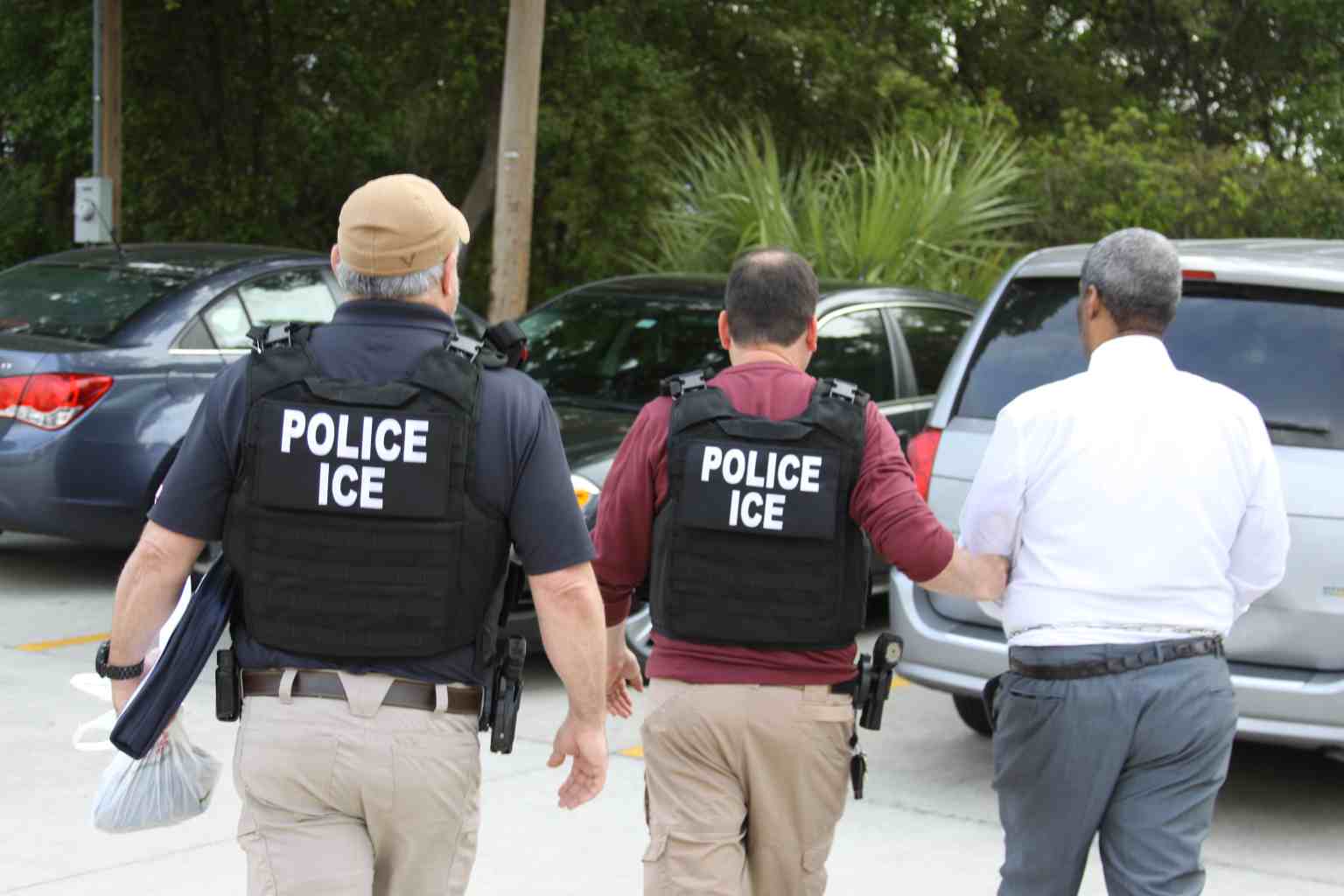
ICE officer Christian Castro was indicted by a federal grand jury on September 2, 2026 on six counts of making materially false statements to the FBI, then appeared in federal court on September 5, 2026 and pleaded not guilty. He was released on a $75,000 unsecured bond with a GPS ankle monitor, while the Minnesota state case moved forward separately.
- The U.S. Attorney’s Office said DOJ is still evaluating the evidence and has not ruled out additional charges in the federal case.
- Minnesota Attorney General Keith Ellison said Castro made his first appearance in Hennepin County District Court on September 17, 2026, waived future extradition proceedings, and was released on $200,000 bail.
- State-court conditions include electronic home monitoring, no firearms, and no contact with witnesses.
- The Minnesota Attorney General’s office said Castro’s next state-court appearance is set for November 3, 2026.
- Federal prosecutors charged Christian Castro with false statements about the January 14 shooting of Julio Cesar Sosa-Celis.
- Minnesota separately filed four assault counts and one false-reporting count against the ICE officer.
- Castro was released from Cameron County Jail after Texas delayed the extradition warrant to Minnesota.
Federal prosecutors charged Christian Castro, a 52-year-old ICE officer, on September 3, 2026, with making false statements to investigators about the January 14 shooting of Julio Cesar Sosa-Celis, a Venezuelan man wounded in the leg during an immigration crackdown in Minneapolis.
The federal case follows a disputed account of the encounter. Castro told investigators that the man and another person attacked him with a broom handle and a snow shovel.
Video evidence later challenged that version. Prosecutors dropped the original case against the two men.
Minnesota authorities then pursued charges against the officer. The federal allegations remain separate, and the charging documents were described as under seal.
Castro’s employment had already been affected. He was suspended without pay in February 2026 while the investigation continued, according to a senior Homeland Security official.
Minnesota brought its own assault and false-reporting case
Hennepin County Attorney Mary Moriarty announced the state prosecution, which accuses Castro of four counts of second-degree assault and one count of falsely reporting a crime connected to the shooting.
The state case grew from the same encounter. Initial accusations said the Venezuelan man and another man assaulted an officer using household and winter tools, but later video evidence undercut the account that prompted those allegations.
The federal charge focuses on what Castro told federal investigators. Minnesota’s prosecution addresses the alleged assault and the report of a crime.
The shooting occurred during Operation Metro Surge, a federal immigration enforcement operation in Minneapolis. The Venezuelan man suffered a gunshot wound to the leg.
| Date | Development |
|---|---|
| January 14, 2026 | The shooting occurred during the Minneapolis crackdown. |
| February 2026 | ICE suspended Castro without pay while the federal investigation continued. |
| May 29, 2026 | Castro was arrested in Texas. |
| September 3, 2026 | Federal prosecutors charged him with lying to investigators. |
Texas officials delayed Castro’s transfer
Castro, described as a deportation officer based at ICE in Harlingen, Texas, was held in the Cameron County Jail after his arrest. His detention became part of a separate dispute over whether Minnesota could bring him back for prosecution.
Texas Gov. Greg Abbott did not immediately sign an extradition warrant seeking Castro’s transfer to Minnesota. The delay kept the extradition process from moving forward at once.
Judge Fernando Rodriguez Jr., a federal judge in the Southern District of Texas, denied Minnesota’s request to keep Castro in custody. Cameron County Sheriff Manuel L. Treviño later confirmed that Castro had been released.
He left jail last week before the federal charge became public on September 3, 2026. The release did not resolve either prosecution.
Federal and state cases now proceed on separate tracks
The state charges arose after the initial assault case against the two men unraveled. Federal authorities later charged the officer separately over his statements to investigators.
A senior Homeland Security official said the agency’s investigation could lead to discipline, including termination of employment, as well as criminal prosecution. Castro’s suspension without pay began in February and continued while investigators examined the shooting and his account of it.
The federal charge announced Thursday centers on the alleged statements. The Minnesota case centers on the shooting and the report that followed it.
The September 3, 2026, federal announcement adds a new prosecution to a case that began with a January encounter, moved through Minnesota court proceedings, and included an extradition fight in Texas.
This article provides general information and is not legal advice. Consult a qualified immigration attorney about your specific case.