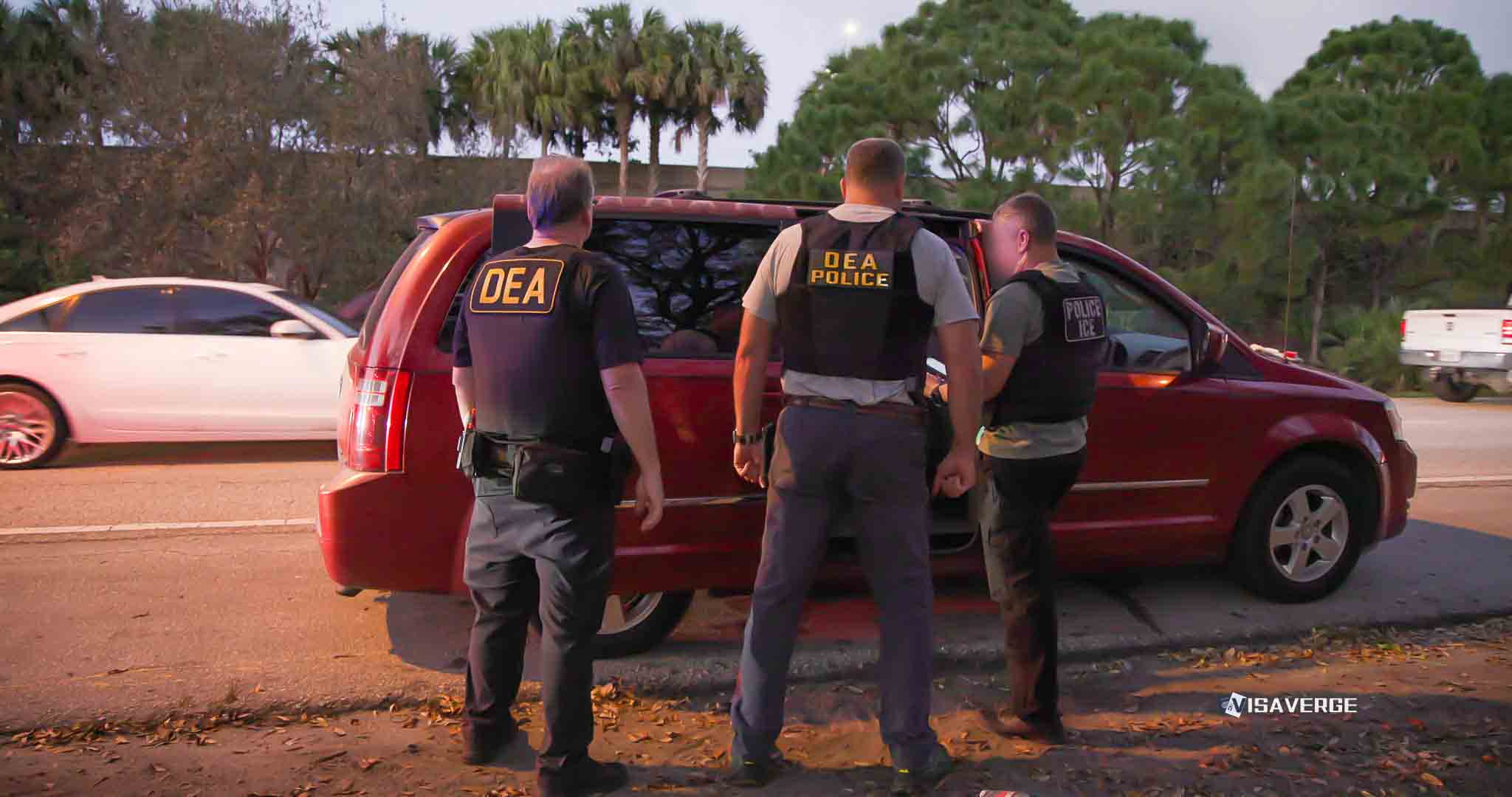
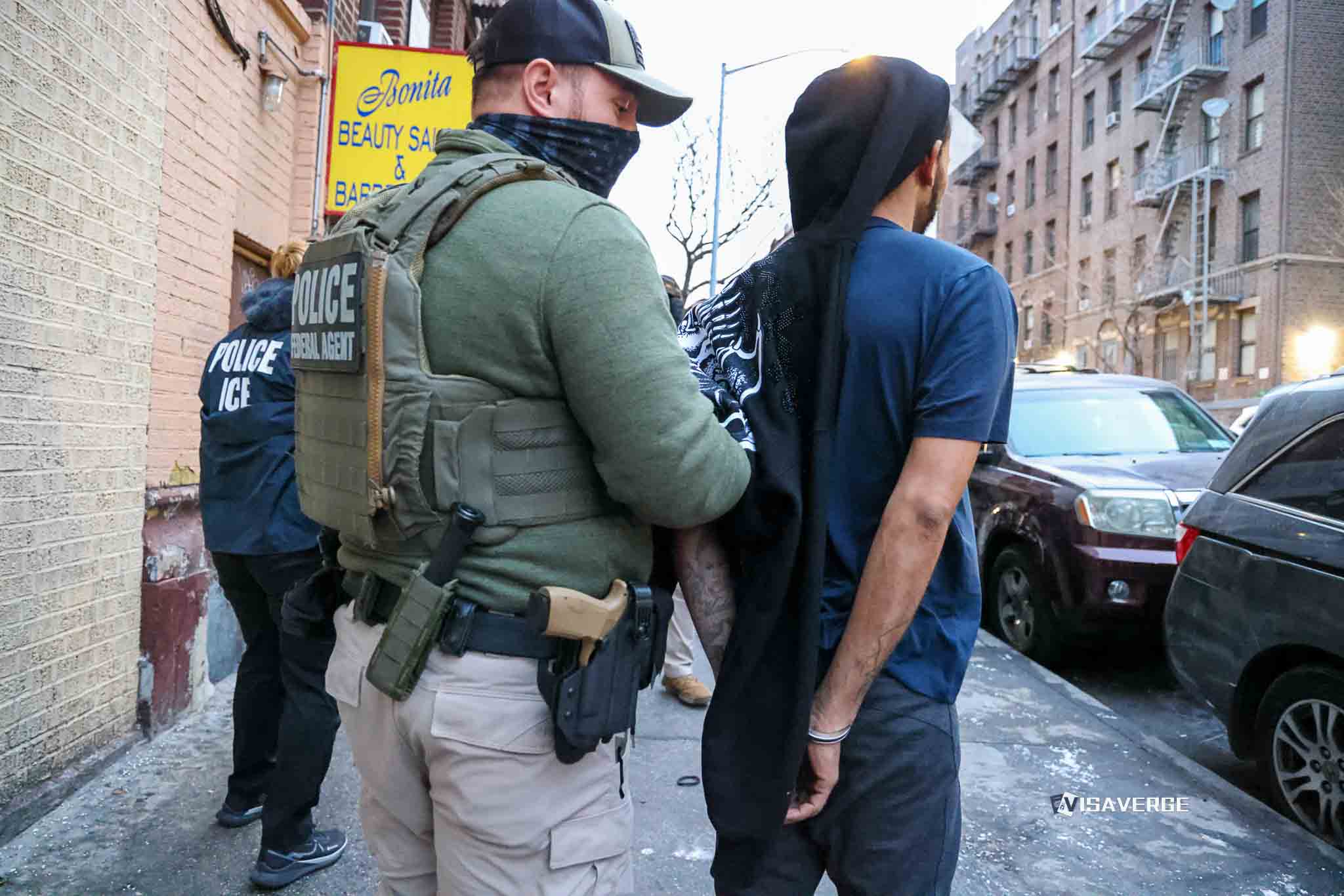
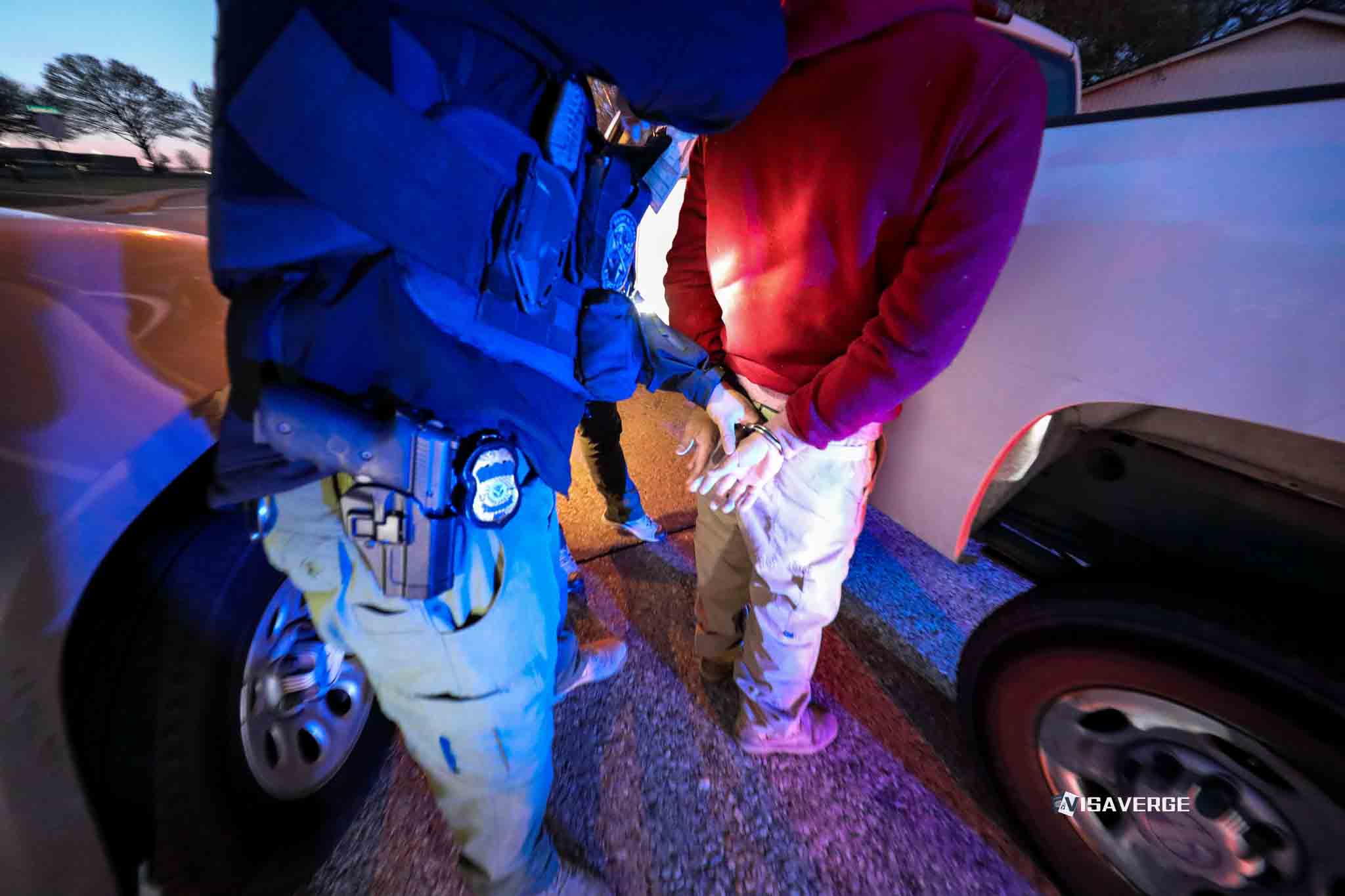
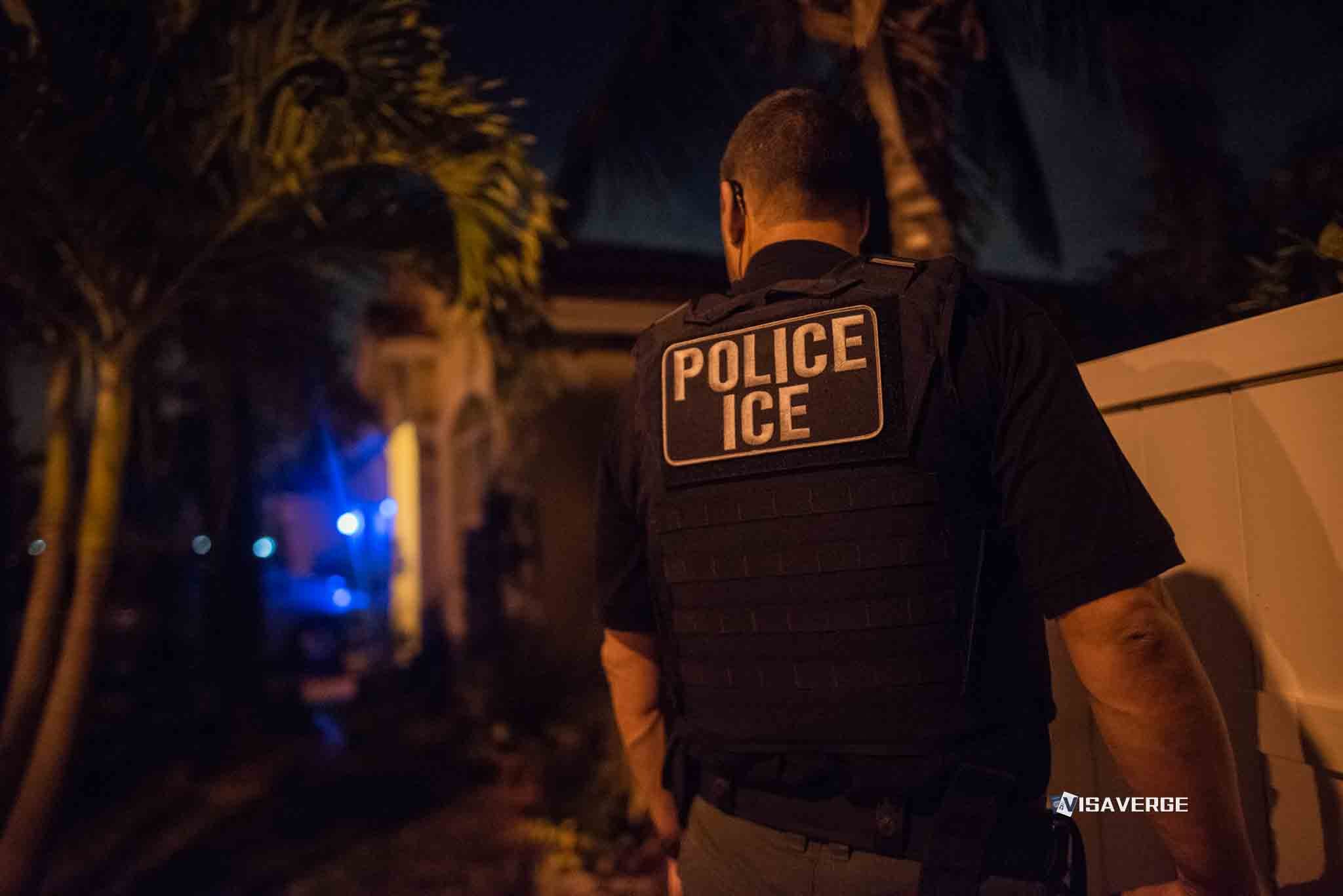
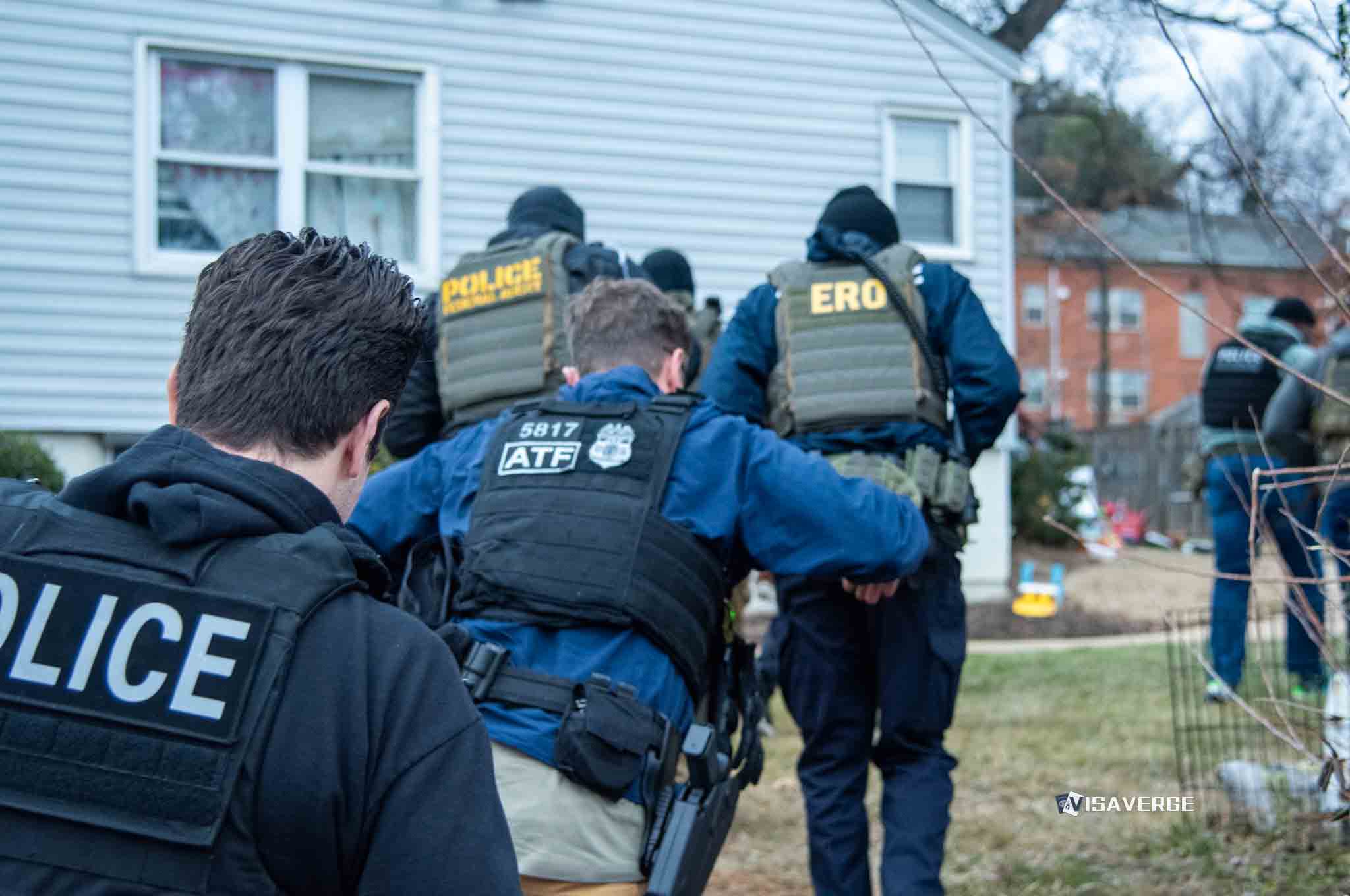
(FRANKLIN PARK, ILLINOIS) An Immigration and Customs Enforcement agent shot and killed 36-year-old Silverio Villegas-Gonzalez during a traffic stop in Franklin Park on September 12, 2025, sparking protests, official investigations, and sharp demands for transparency from Illinois leaders. State officials, including Governor J.B. Pritzker, say ICE has been unwilling to share full details of the operation. Federal officials counter that the agent acted within training and law, and that the shooting followed a life-threatening attempt by the driver to flee.
What officials say happened
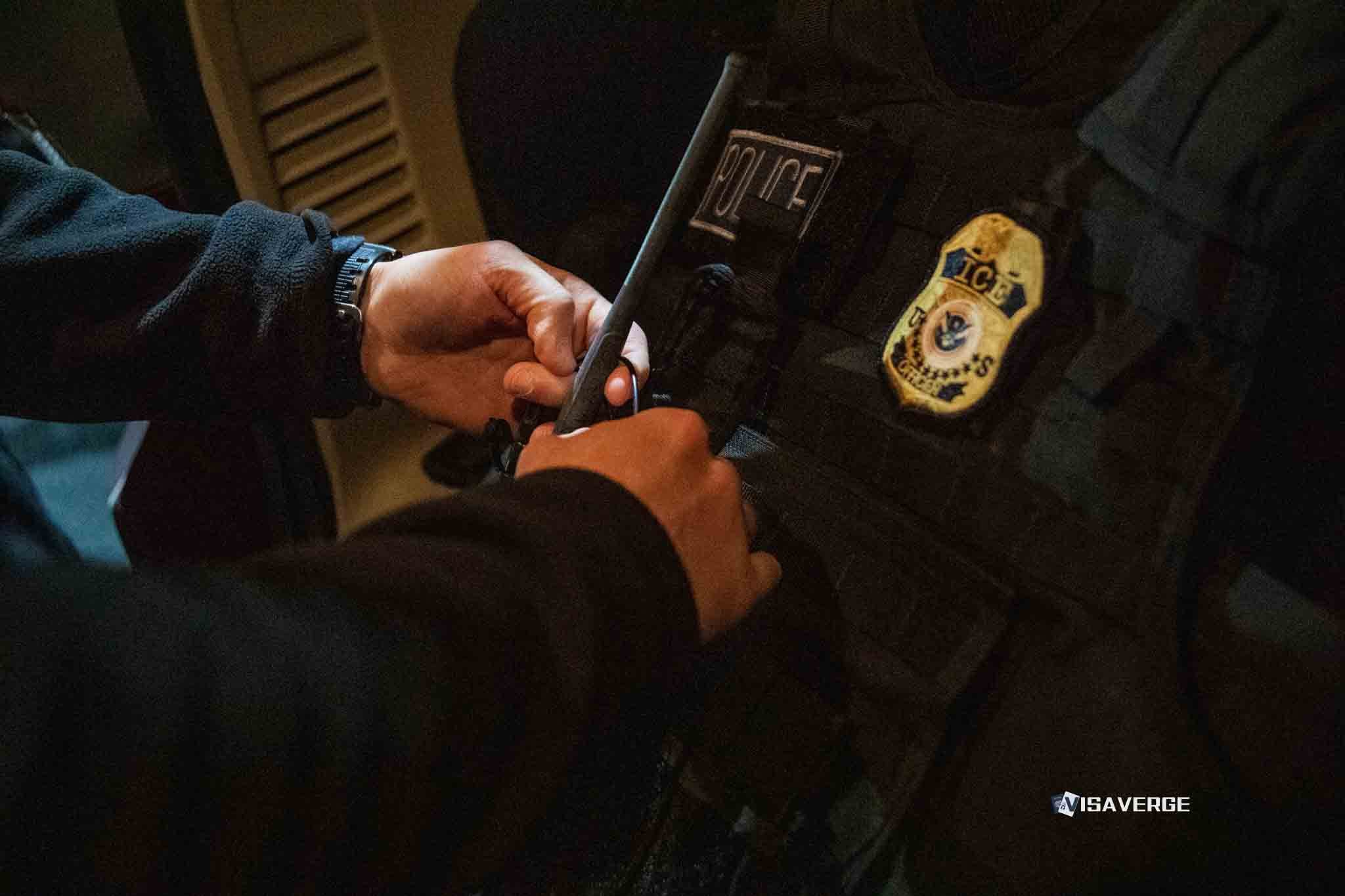
According to the Department of Homeland Security, Villegas-Gonzalez, a Mexican national with prior reckless driving incidents and no lawful status in the United States, tried to escape after ICE officers attempted a targeted vehicle stop.
DHS says he drove into officers and dragged one agent a significant distance. The agent then fired, striking Villegas-Gonzalez, who crashed and later died at a hospital.
Free toolUSCIS Receipt Number DecoderThe ICE agent suffered severe back injuries, cuts to his hands, and knee tears; he has since been released and is in stable condition.
Federal officials assert the team followed protocol. ICE and DHS spokespeople have stressed that the agent used force to protect public safety and fellow officers during a fast-moving, dangerous encounter.
| India | China | ROW | |
|---|---|---|---|
| EB-1 | Feb 01, 2023 ▲109d | Jul 01, 2023 | Current |
| EB-2 | Nov 01, 2013 | Oct 01, 2021 ▲30d | Jan 01, 2025 |
| EB-3 | Jan 01, 2014 | Jan 08, 2022 ▲7d | May 15, 2024 ▼109d |
| F-1 | Jan 22, 2020 | Jan 22, 2020 | Jan 22, 2020 |
| F-2A | Sep 22, 2026 ▲31d | Sep 22, 2026 ▲31d | Sep 22, 2026 ▲31d |
Surveillance and bystander videos recorded parts of the confrontation, but not all footage or reports have been released, with officials citing ongoing investigations by internal DHS oversight and local authorities. There is no public timeline for findings.
ICE says its internal review process is standard after any use of force. That process includes:
1. Collecting statements
2. Preserving video
3. Assessing whether agents complied with policy
While these steps are routine, the level of public disclosure varies, and the agency has not committed to releasing full surveillance or body camera footage at this stage. The lack of a clear schedule has fueled frustration among local leaders and civil rights groups.
Key takeaway: The federal account stresses officer safety and adherence to protocol, while the public and state leaders demand fuller disclosure of video and investigative findings.
Transparency fight and community impact
Governor Pritzker has demanded the release of all surveillance and body camera videos, along with a full accounting of the events leading up to the stop and the fatal shot. U.S. Rep. Chuy Garcia (D-IL) also called for comprehensive disclosure and an independent review.
Advocates and community groups have organized rallies across the Chicago area, including outside migrant processing sites. They argue that aggressive enforcement tactics put immigrant families at risk and increase fear in neighborhoods with mixed-status households.
Immigrant rights organizations describe the Franklin Park shooting as excessive and racially motivated. They urge state and local governments to push for stronger oversight of ICE operations, especially in suburban streets where bystanders can be swept into tense scenes.
Leaders warn that eroding trust reduces cooperation with police and can undercut broader public safety goals. The fallout is already visible:
– Parts of local Mexican Independence Day celebrations were canceled over concerns about more ICE activity and potential unrest.
– Children are anxious; families are staying home.
– Parents are mapping alternate routes to work to avoid known enforcement areas.
– Schools and social service providers report increased stress among recent arrivals from Mexico and Central America.
Policy backdrop and investigations
This incident comes amid an expanded enforcement push under President Trump’s second term. ICE operations in greater Chicago have intensified in recent weeks.
According to analysis by VisaVerge.com, more than 200,000 arrests have been made nationwide since the start of the term, part of a broader campaign aimed at people with prior criminal or traffic offenses. That trend has renewed debate in sanctuary jurisdictions about how federal priorities intersect with local policing and civil rights protections.
So far, there have been no public changes to ICE’s use-of-force rules or transparency requirements linked to this case. But pressure is building: state and federal lawmakers in Illinois are weighing proposals such as:
– Mandatory release of video within set deadlines after shootings
– Independent investigations separate from DHS internal review
Legal experts and civil rights lawyers say ICE’s current silence undermines trust and may conflict with due process principles when the government uses deadly force.
Law enforcement voices emphasize that agents often face split-second choices. They note that vehicle-based encounters are hazardous, especially when a driver attempts to ram or drag officers. Training instructs agents to prevent escapes that could threaten the public and fellow officers, but trainers also caution that firing into moving vehicles poses risks to nearby drivers and pedestrians. That tension is why video evidence is vital for public confidence.
Questions officials and residents want answered
Residents and local officials are asking for basic details, including:
– Why was the stop conducted at that location and time?
– What alternatives did agents consider?
– Were supervisors aware of or did they approve the operation plan?
– Were warning commands clearly given?
Without a timeline for evidence release, the information vacuum is widening. Local officials say they need details to brief constituents and calm tensions, especially in busy corridors across suburban Cook County where commuters and families share the road.
What happens next
The outcome will depend on the quality and transparency of parallel inquiries:
– DHS oversight will examine adherence to policy.
– Local authorities will explore potential criminal questions (none announced so far).
If investigations find policy gaps, Illinois lawmakers are likely to press for changes such as:
– Clear protocols for releasing surveillance and body-worn camera footage
– Automatic referrals to independent entities after any ICE-involved shooting
Practical steps being encouraged by community groups and attorneys:
– Know your rights and keep emergency contacts handy
– Document lawful encounters safely from sidewalks or private property
– Store key documents in a secure place and share plans with trusted friends
– People with prior removal orders or unresolved cases should consider consulting legal counsel
The federal government encourages reporting misconduct concerns to oversight bodies. For official guidance on DHS structure and accountability functions, see the Department of Homeland Security: https://www.dhs.gov.
State offices have opened lines for residents with information or questions related to the Franklin Park case, and lawmakers say they will continue to press for a clear accounting of the events.
The core dispute remains: whether the use of deadly force during this ICE operation was necessary and proportional, and whether the government will share enough information for communities to judge that claim. The answer will shape public trust not only in Franklin Park, but across Illinois and beyond.
Families in immigrant neighborhoods say they want safe streets and fair treatment—two goals that should align, not compete, when agencies pursue enforcement on suburban roads.
This Article in a Nutshell
On September 12, 2025, ICE agents stopped a vehicle in Franklin Park, Illinois, that led to the fatal shooting of 36-year-old Silverio Villegas-Gonzalez. DHS reports he attempted to flee, drove into officers and dragged one agent; the agent fired, striking Villegas-Gonzalez, who later died at a hospital. The agent sustained severe injuries but is now stable. Federal officials maintain the team followed protocol; state leaders including Governor J.B. Pritzker and Rep. Chuy Garcia demand release of surveillance and body camera footage and an independent review. Investigations by DHS oversight and local authorities are underway with no public timeline. The incident has spurred protests, heightened fear in immigrant communities, and renewed policy debates about transparency, mandatory video release, and independent investigations into ICE use-of-force incidents.