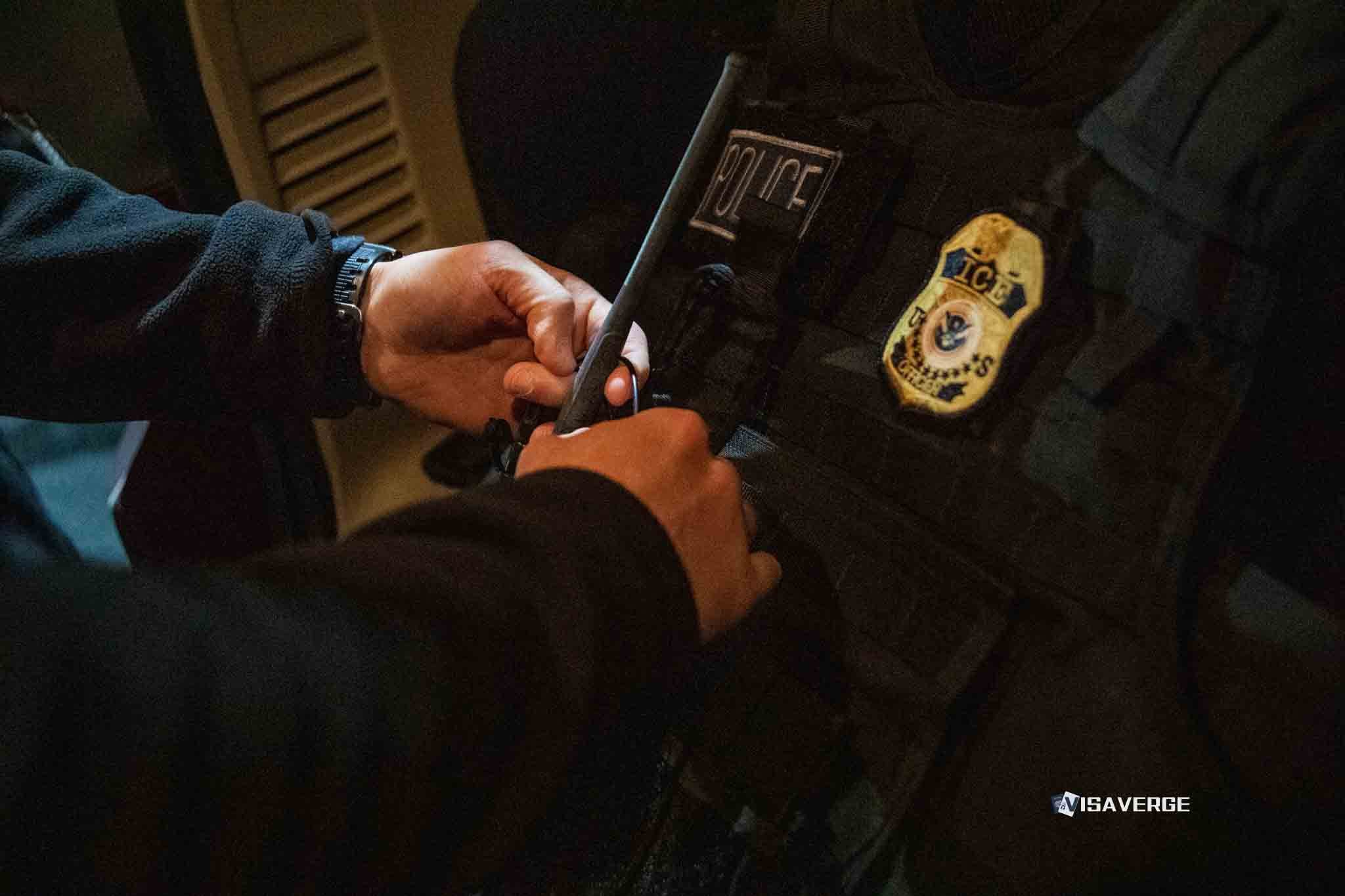
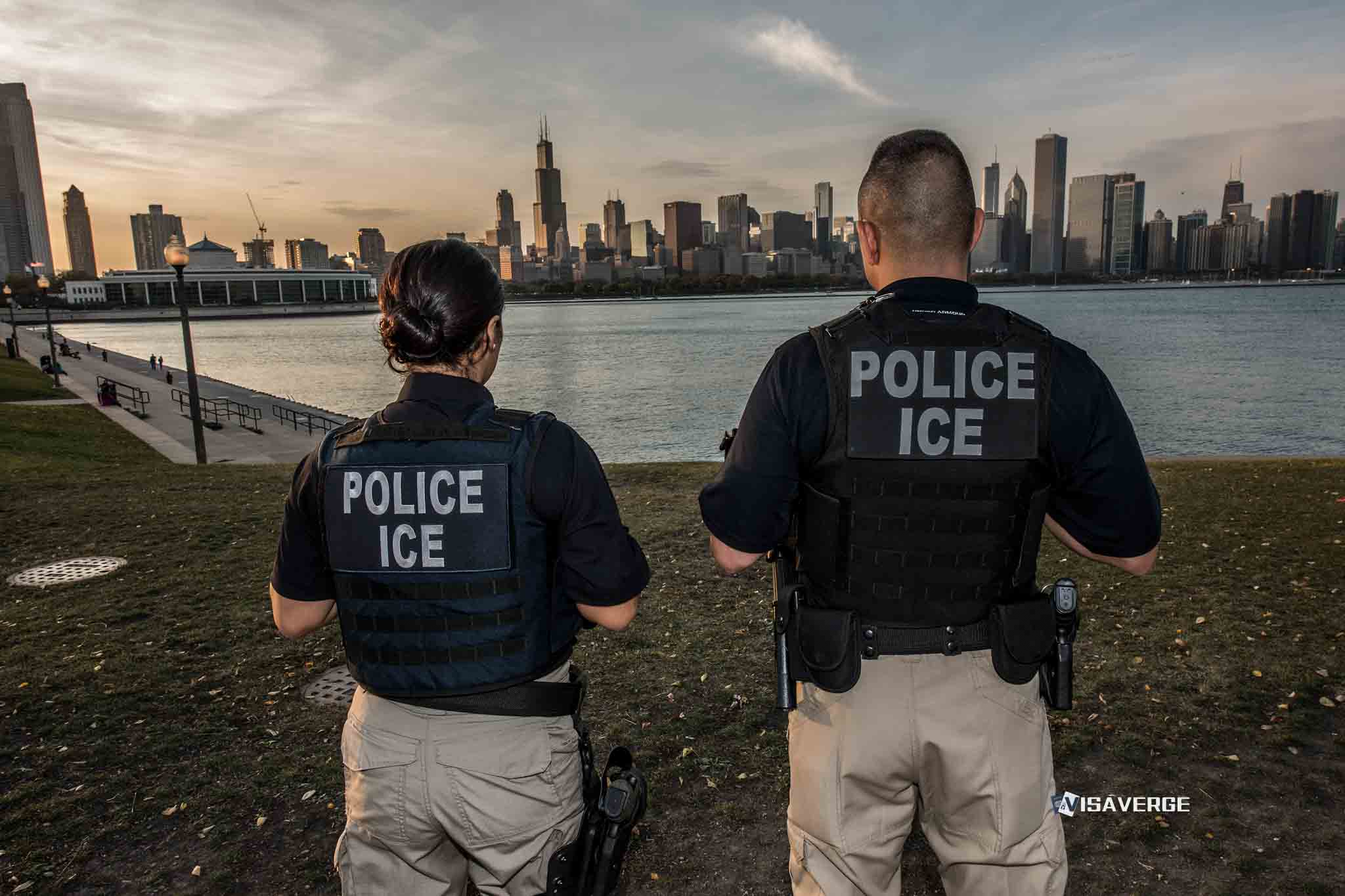
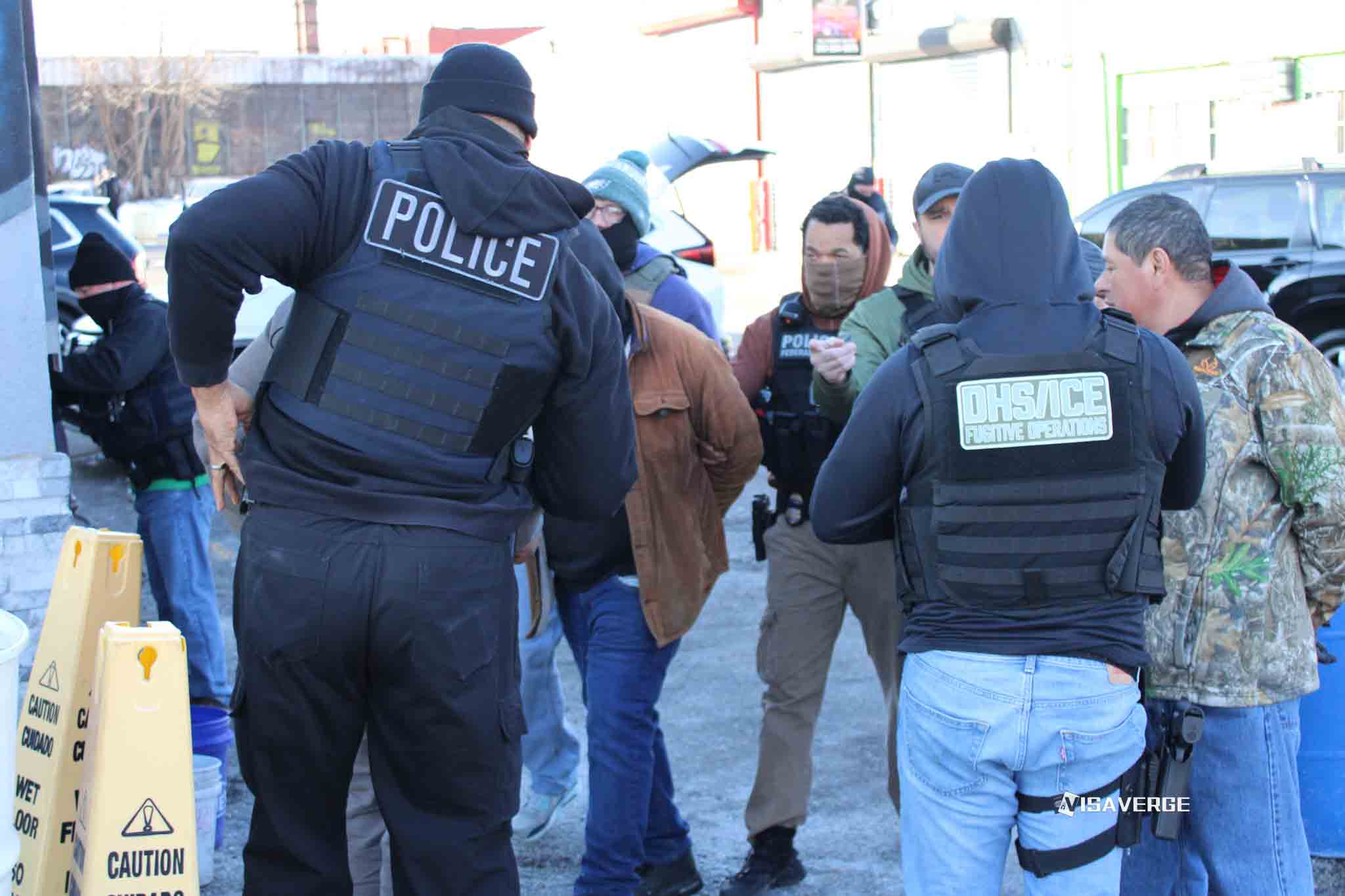
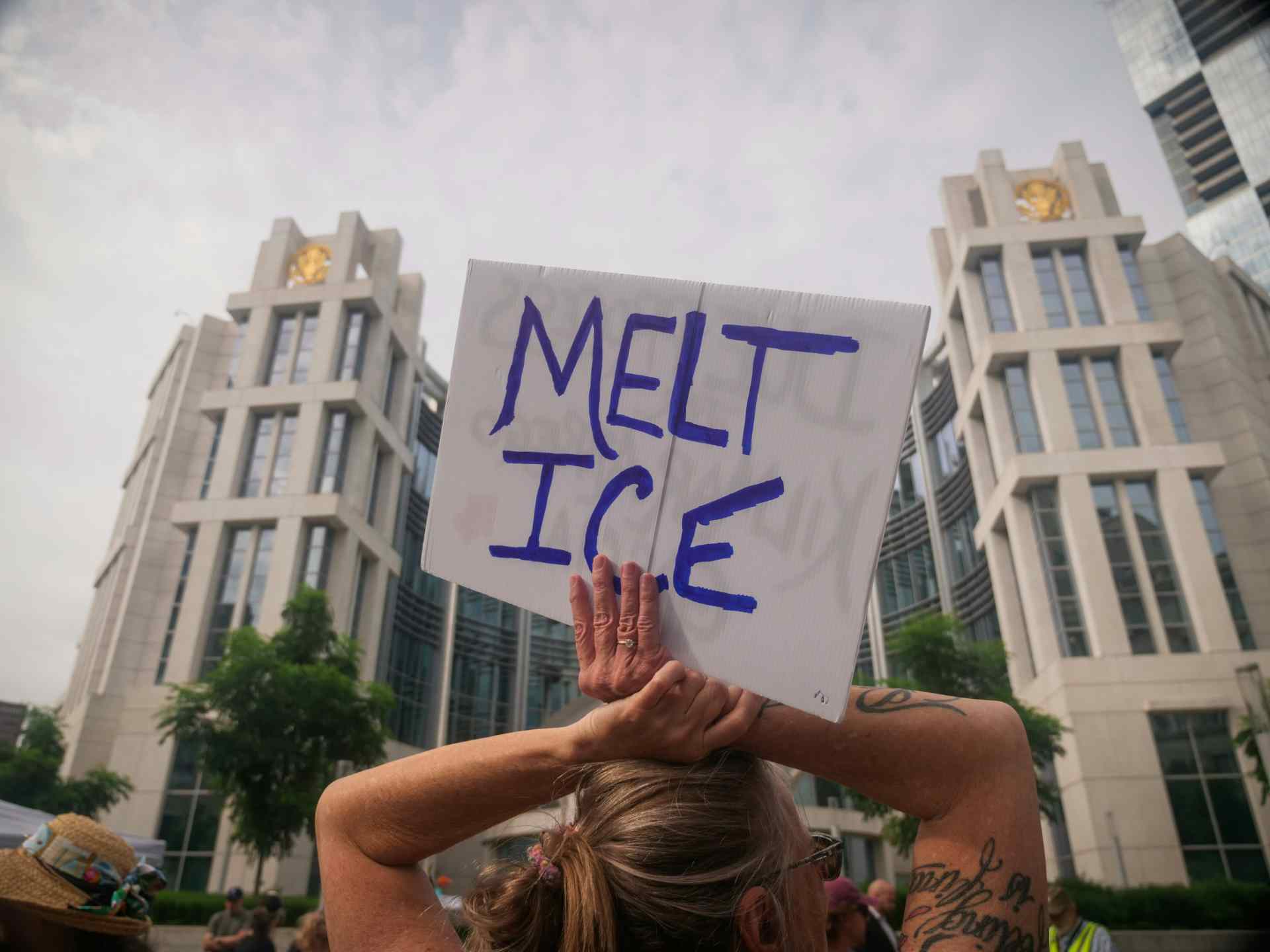
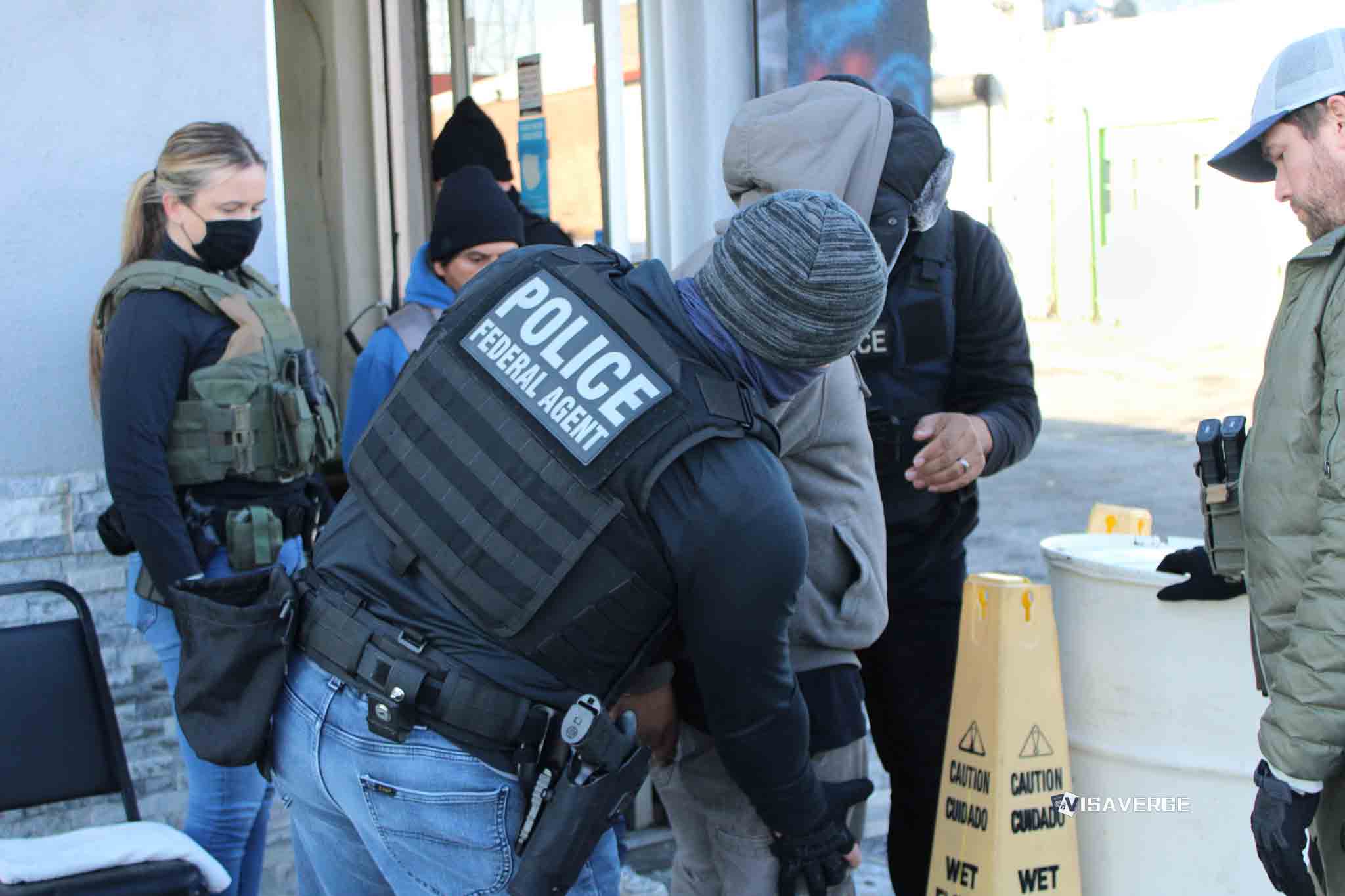
- An off-duty ICE agent faces misdemeanor battery charges after a gas station confrontation with an activist.
- The incident occurred amid Operation Midway Blitz, a high-profile federal immigration enforcement surge in Chicago.
- Accountability mechanisms include criminal and administrative reviews, though felony charges were officially declined during screening.
(BROOKFIELD, ILLINOIS) — A local misdemeanor case can become a national immigration-oversight flashpoint when the accused is a federal officer, and that is the process now unfolding after an off-duty ICE agent was charged following an encounter with an immigrant rights activist at a Brookfield gas station.
1) Incident overview: what happened and why it matters
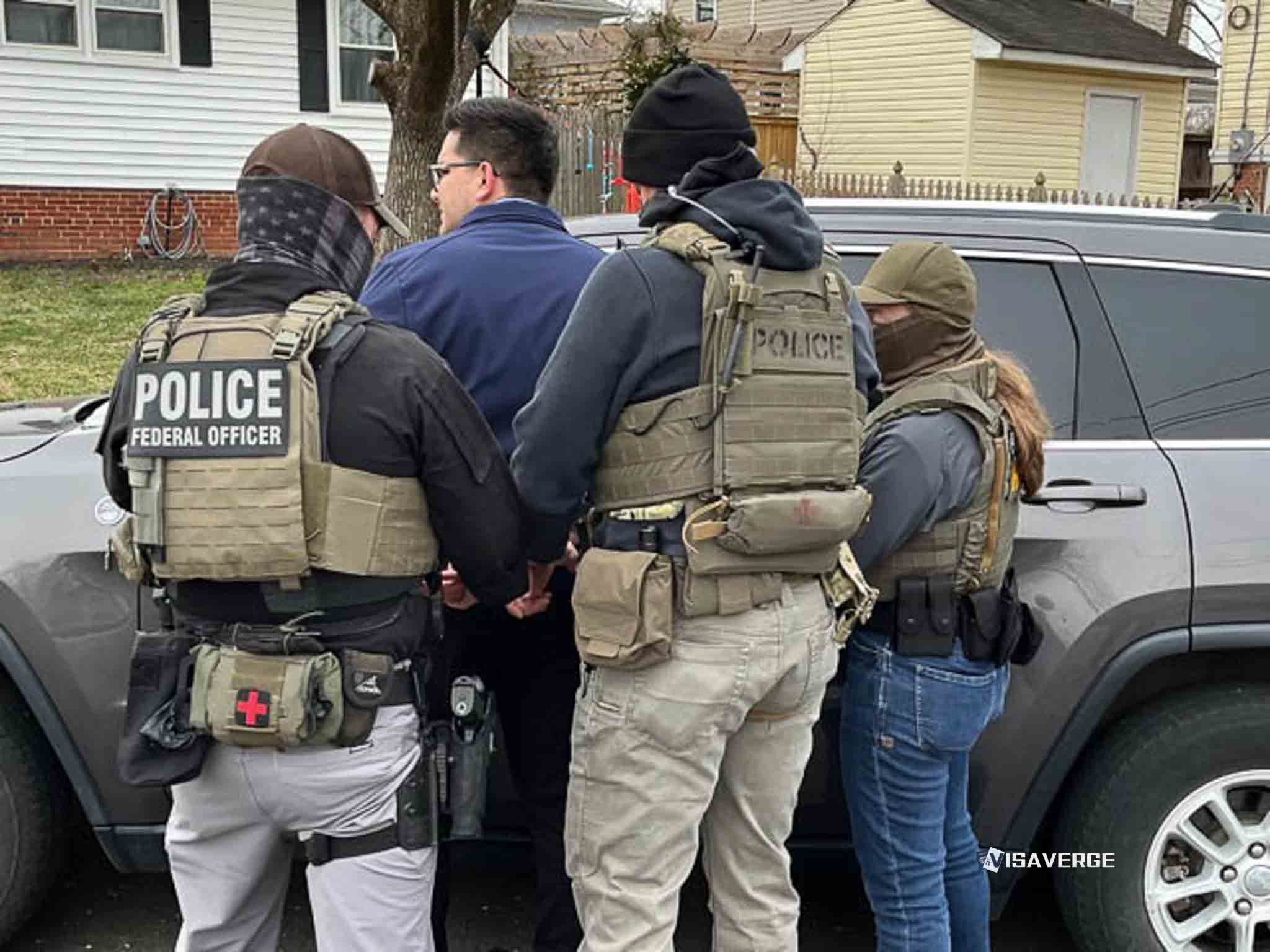
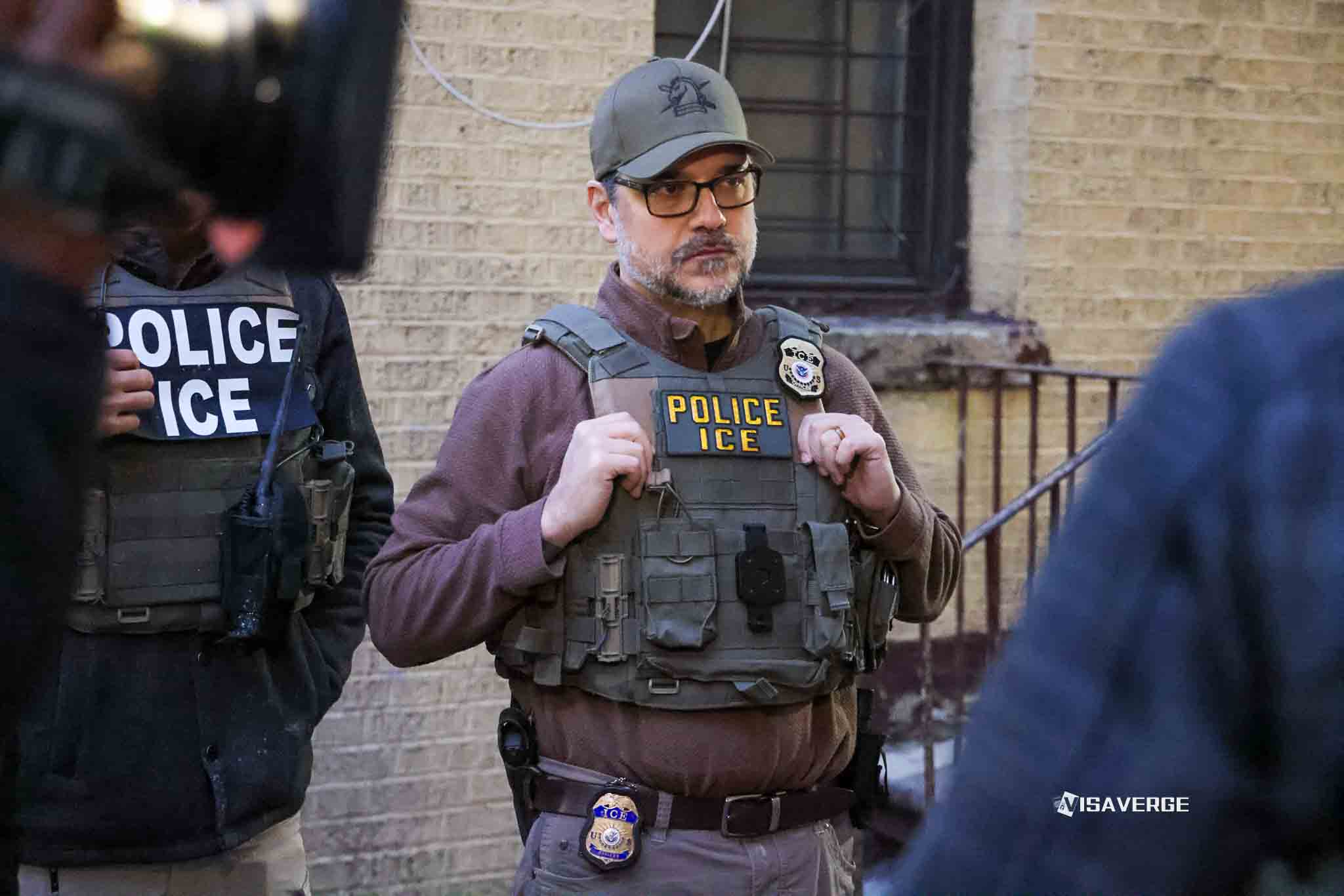
According to the Brookfield Police Department, an off-duty ICE agent, Adam Saracco, stopped to fuel his vehicle at a gas station in Brookfield, Illinois, after leaving a nearby immigrant detention center.
A 68-year-old attorney and immigrant rights activist, Robert Held, was filming from a public sidewalk. Held alleges Saracco approached him, tried to seize his phone, and threw him to the ground. Police investigated.
Charges were filed weeks later as one count of misdemeanor battery, after prosecutor review. The case is set for a court appearance in March 2026.
Even when an encounter is “off-duty,” it can still raise oversight questions. That is because (1) federal officers are subject to agency conduct rules, (2) the public may connect the incident to enforcement practices, and (3) public confidence often turns on how transparently authorities respond.
| India | China | ROW | |
|---|---|---|---|
| EB-1 | Feb 01, 2023 | Aug 01, 2023 ▲31d | Current |
| EB-2 | Nov 01, 2013 | Oct 01, 2021 | Apr 01, 2025 ▲90d |
| EB-3 | Jan 22, 2014 ▲21d | Jan 22, 2022 ▲14d | Jun 15, 2024 ▲31d |
| F-1 | Jan 22, 2021 ▲366d | Jan 22, 2021 ▲366d | Jan 22, 2021 ▲366d |
| F-2A | Oct 22, 2026 ▲30d | Oct 22, 2026 ▲30d | Oct 22, 2026 ▲30d |
A criminal charge is an allegation, not proof. The court process determines guilt or innocence, and administrative reviews can proceed separately.
2) Charges, investigation, and court appearance: how a local case typically moves
For readers trying to follow what happens next, it helps to separate police investigation, prosecutor screening, and court procedure.
Step-by-step: the typical local pathway (and what’s happening here)
- Initial incident report and evidence collection (police). The Brookfield Police Department typically gathers witness statements, video, and any physical evidence.
Documents commonly created/collected:
- Incident/offense report
- Witness statements
- Medical or EMS records if injuries are claimed
- Surveillance video requests and downloads
- Any photos of injuries or property damage
- Prosecutor screening (Cook County State’s Attorney). Prosecutors decide what charges, if any, can be proved beyond a reasonable doubt and assess admissibility and defenses.
Why this matters here: Authorities have said felony charges were declined at screening, and a misdemeanor was approved instead. That is not a finding that nothing happened; it usually signals the evidence best matches a lower charge, or key elements for a felony are not provable.
- Filing of a criminal complaint/information and first court settings. In misdemeanor cases, the state commonly files a charging document and sets the matter for an arraignment or status date.
What to expect: The judge states the charge and advises rights. The defendant enters a plea (often “not guilty” at the start). The court sets dates for discovery and future hearings.
- Discovery and pretrial motions (the evidence phase). Common documents include police body-camera footage (if any), squad video, 911 calls, surveillance video, discovery disclosures, and witness lists.
Either side may file motions, such as motions to compel video, suppress statements, or limit evidence.
- Resolution point: dismissal, plea, diversion, or trial. Many misdemeanor cases resolve without trial. Outcomes vary based on evidence quality, witness availability, and legal rulings.
Timelines and delays
Misdemeanor cases often take months. Continuances are common, especially when video evidence must be obtained, authenticated, and reviewed.
Scheduling can also slow cases.
If you are a witness with video, preserve original files and metadata. Deleting or editing content can reduce evidentiary value later.
3) Operation Midway Blitz: enforcement context around the incident
The Saracco case is drawing extra attention because it arises during Operation Midway Blitz, a federal immigration enforcement surge described as beginning in September 2025 with a broad Chicago-area scope.
Public descriptions have referenced participation by federal agents and National Guard involvement. Official messaging has framed the initiative as focused on public safety and targeting serious offenders.
Critics argue such operations can create spillover effects in neighborhoods, including fear of filming, reporting, or cooperating with authorities.
This Brookfield incident is separate from the stated goals of Operation Midway Blitz. Still, it is occurring in the same enforcement environment. That proximity often intensifies scrutiny when allegations involve force, filming, or credibility disputes.
4) Official statements and political context: why messaging affects accountability
No public DHS or ICE statement has specifically named Saracco in connection with the misdemeanor battery charge. However, DHS and DOJ officials have issued broader statements during this period emphasizing officer safety, enforcement priorities, and prosecutions for attacks on law enforcement.
For example, DHS statements have condemned violence toward officers and stressed “utmost professionalism,” while the U.S. Attorney for the Northern District of Illinois has described working with federal partners to maintain peace and “respect individual rights,” while prosecuting federal crimes.
These statements matter because they establish the public framework agencies use to describe:
- What counts as interference versus protected observation
- Expectations for professionalism and de-escalation
- Transparency norms when allegations arise
It also helps to distinguish agency communications (DHS/ICE messaging about enforcement) from prosecutorial communications (DOJ/U.S. Attorney statements about federal criminal enforcement). This Brookfield case is in state court, not a federal prosecution.
5) Policy, oversight, and local governance: what can happen outside the courtroom
When an allegation involves a federal officer, there may be parallel accountability tracks beyond the criminal docket.
Common oversight mechanisms
- State or local commissions and documentation efforts — Illinois leaders may create commissions or reporting systems after high-profile allegations to document patterns, identify policy gaps, and recommend transparency measures.
- Inspector General or civil rights reviews — Depending on facts, allegations may be referred for internal review or civil-rights inquiry; those processes have different standards than criminal court.
- Legislative hearings and public records pressure — Elected officials may hold hearings, request records, or seek intergovernmental agreements affecting cooperation with federal operations.
Body cameras and transparency as an accountability lever
Video evidence can clarify disputes about who initiated contact, how force was used, and whether warnings were given. Funding decisions can affect whether cameras are deployed consistently, whether footage is retained, and how quickly it is released under applicable rules.
A key point for readers: criminal accountability (a conviction or acquittal) is not the same as administrative accountability (discipline, retraining, policy revision). Either can occur without the other.
Filming police or agents in public is often lawful, but the boundaries can vary with location, interference claims, and state law. If you are involved in an incident, get legal advice before making detailed public statements.
6) Impact and statistics: what operational metrics can (and cannot) show
Large enforcement efforts are often judged by counts: arrests, charges, prosecutions, and removals. Those metrics can become political shorthand for “success” or “overreach.”
Here, reported metrics tied to Operation Midway Blitz include a defined number of criminal cases and a significant share ending in dismissals or dropped charges.
Without full case-by-case records, dismissal rates can reflect many factors, including weak or conflicting evidence, probable-cause disputes, witness noncooperation or credibility issues, prosecutor discretion and triage, and litigation delays and discovery problems.
What those metrics typically do not prove by themselves is that officers acted unlawfully in every case, or that prosecutors acted in bad faith. But the numbers can sharpen oversight demands for practices that improve reliability, such as body cameras, consistent report-writing, and clear use-of-force policies.
7) Official sources and further reading (how to verify updates)
For readers tracking developments, start with official pages that publish statements, enforcement announcements, and case-related press releases:
- DHS Newsroom
- ICE Newsroom
- DOJ U.S. Attorney’s Office (Northern District of Illinois): DOJ U.S. Attorney’s Office (Northern District of Illinois)
Immigration-law note (why this matters to noncitizens)
If a noncitizen is arrested, charged, or is a complaining witness in a high-profile incident, immigration consequences can be real. Criminal charges may affect bond, detention risk, or relief eligibility.
Potential issues can involve inadmissibility or deportability grounds under INA § 212 and INA § 237, and detention authority under INA § 236. The details depend on the charge, disposition, and the person’s status.
Anyone who is not a U.S. citizen and has police contact should consult an immigration attorney before entering a plea or signing statements.
This article provides general information about immigration law and is not legal advice. Consult a qualified immigration attorney for advice about your specific situation.
Resources
- AILA Lawyer Referral
- Immigration Advocates Network