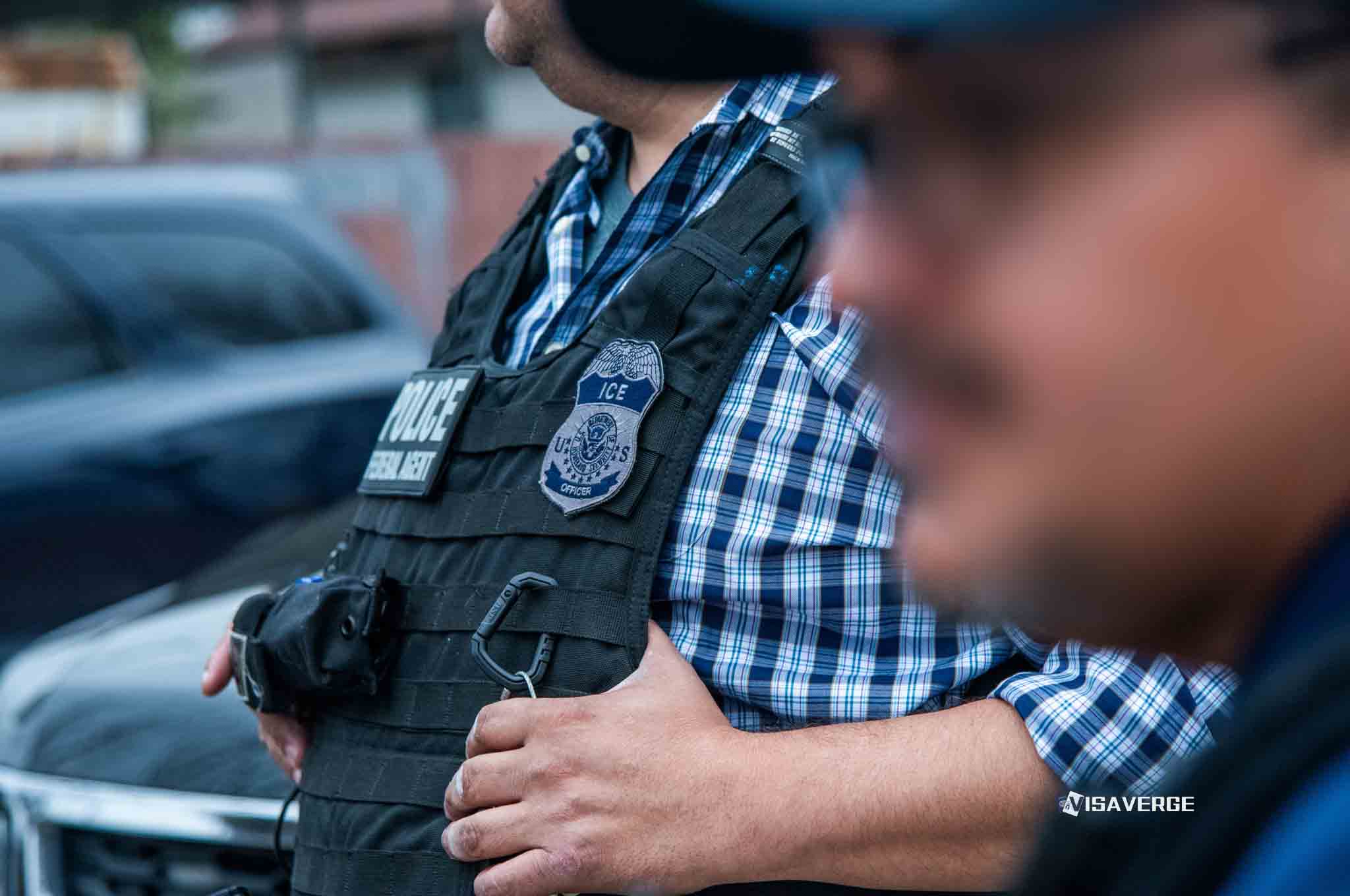
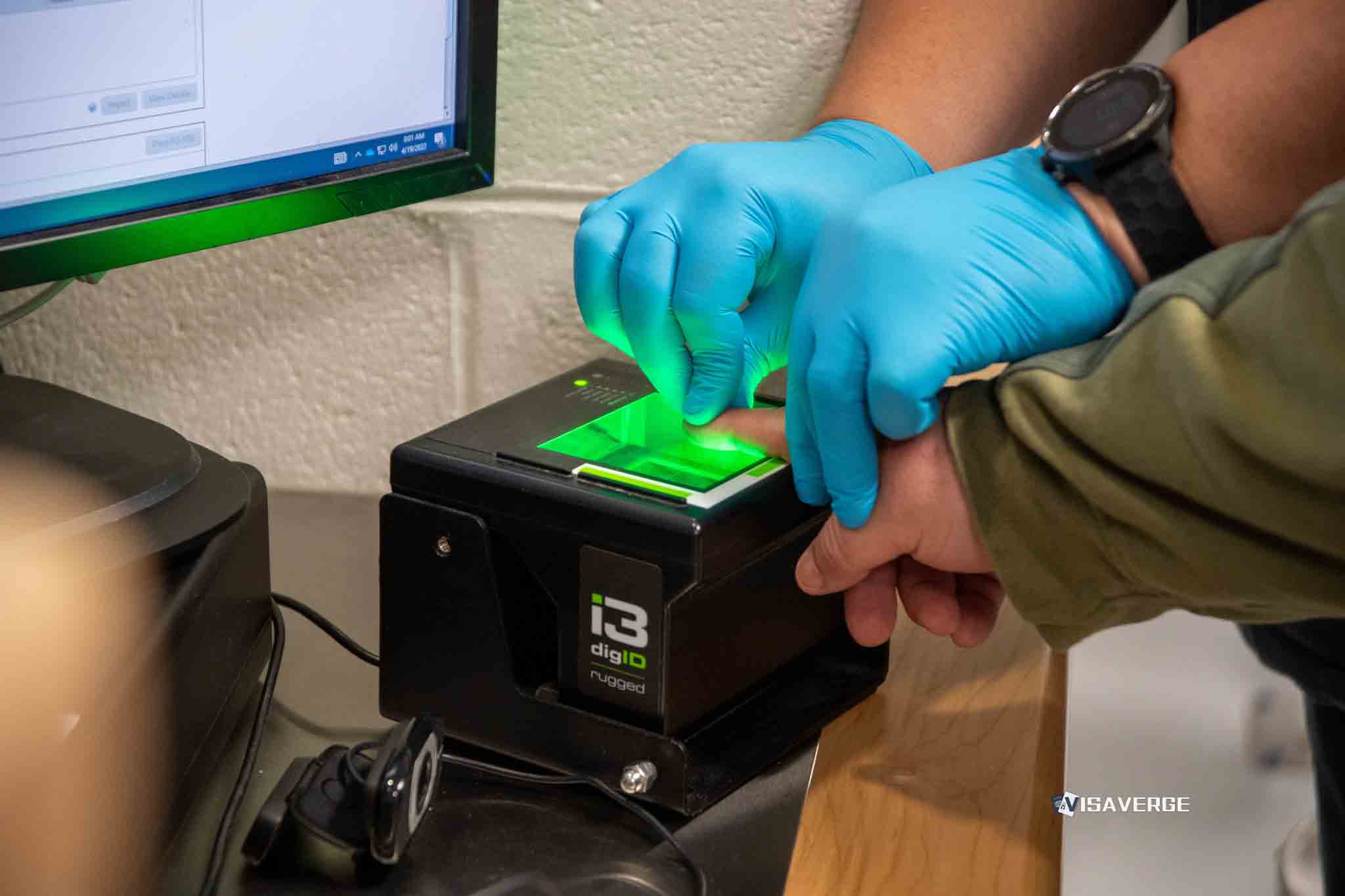
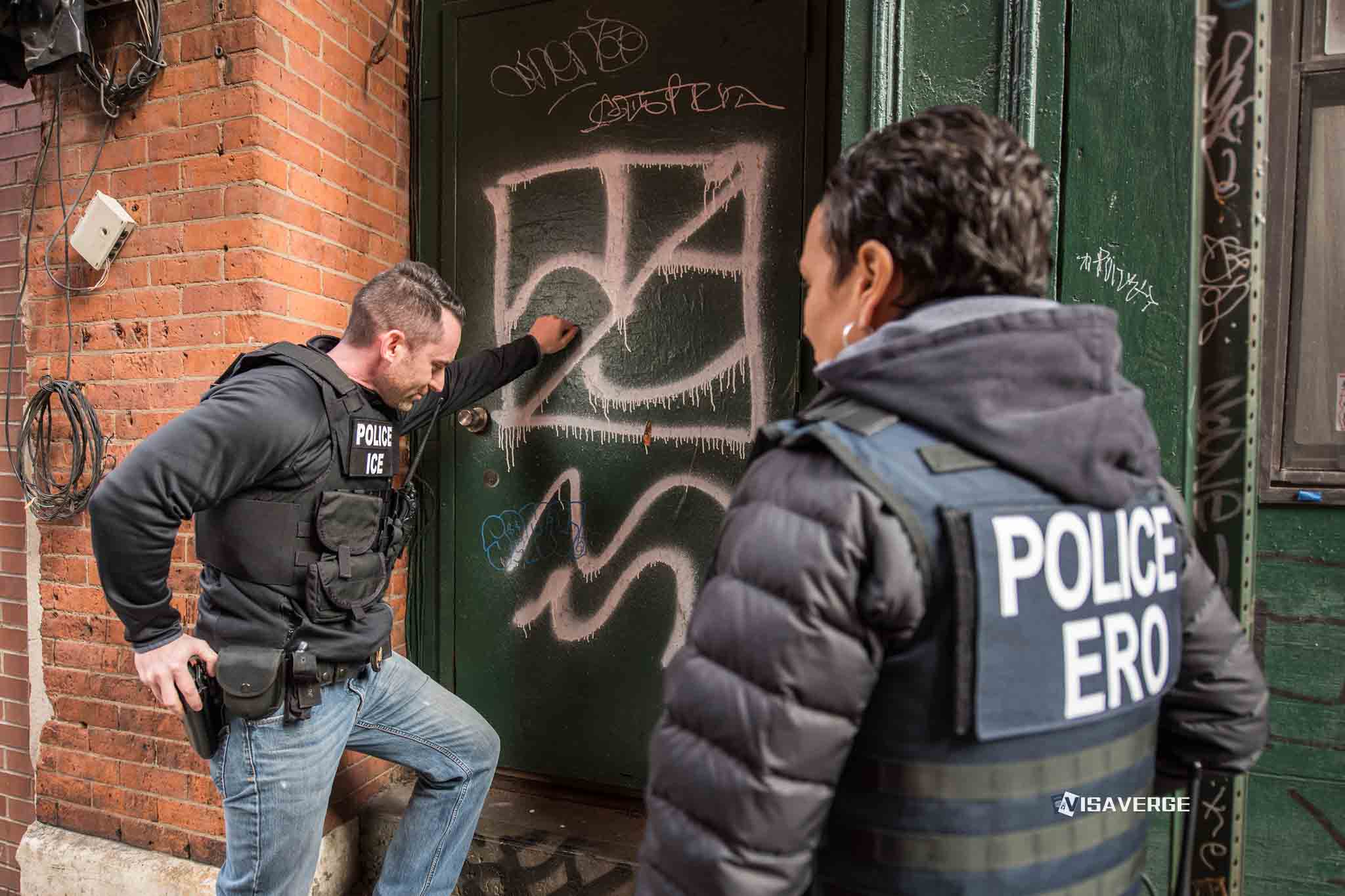
Holding / Practical impact: There is no federal statute or published DHS/DOJ regulation that categorically makes it illegal to record ICE officers in public. In much of the country, federal appellate precedent recognizes a First Amendment right to record on‑duty law enforcement in public places, subject to reasonable time, place, and manner limits and laws against obstruction. The Trump Administration’s recent public claims that filming ICE is “illegal” in more situations may increase street‑level confrontations, but they do not erase those constitutional protections. They also may create new suppression and credibility disputes in removal cases when recordings document enforcement conduct.
This is a fast‑moving legal and political fight with uneven rules across circuits. It is also a practical safety issue for immigrants, witnesses, and advocates.
The “case” to watch: how constitutional recording rights collide with immigration enforcement
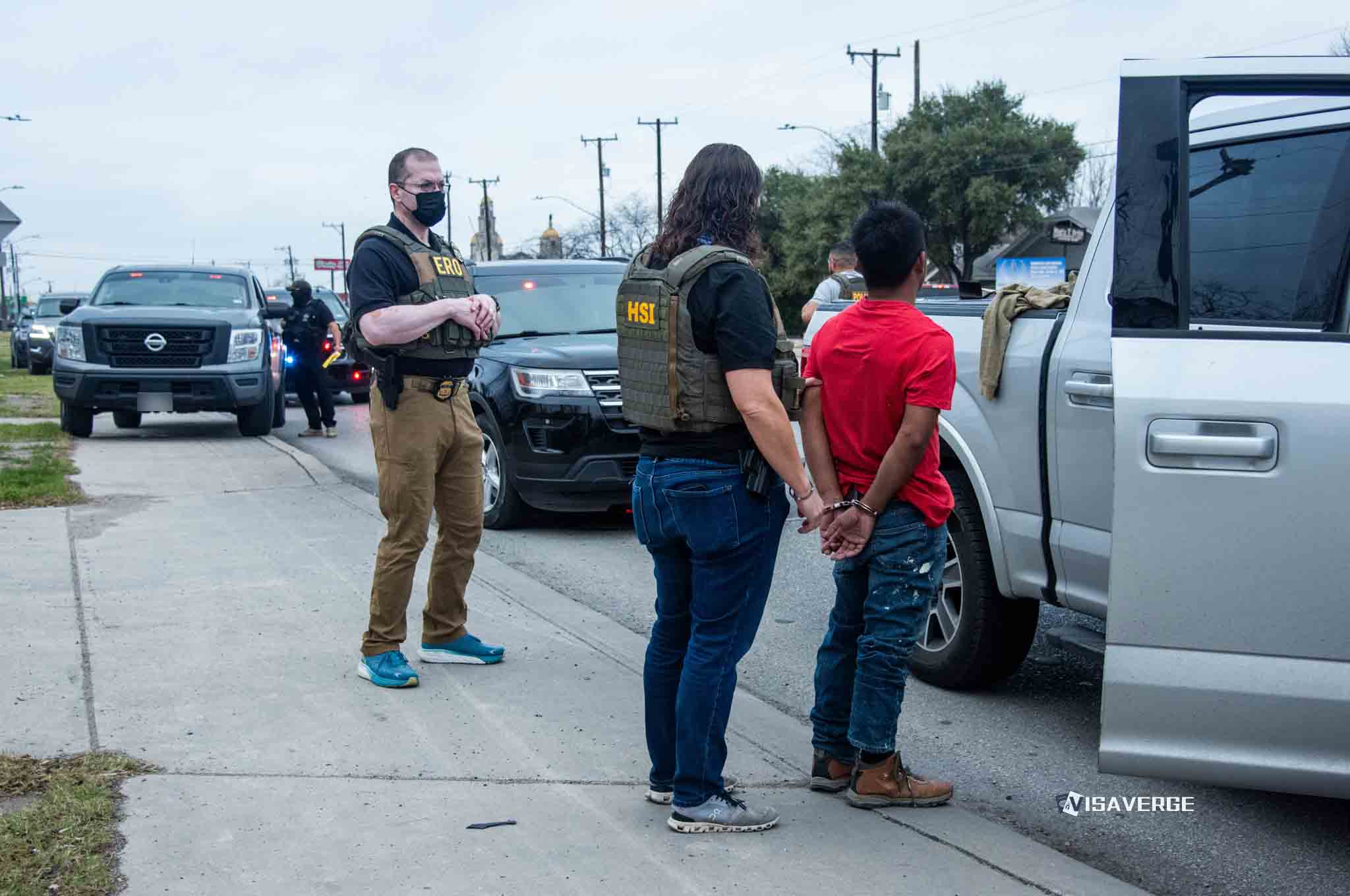
Unlike a single BIA precedent that squarely decides “recording ICE,” the controlling law is a patchwork of First Amendment appellate decisions and Fourth Amendment doctrine. Still, immigration court is where the consequences often land. When arrests begin a removal case, the facts of the encounter matter.
Key BIA authorities that commonly arise in immigration litigation:
| Authority | Citation | Role in proceedings |
|---|---|---|
| Suppression in removal proceedings / prima facie showing for evidentiary hearing | Matter of Barcenas, 19 I&N Dec. 609 (BIA 1988) | Addresses suppression in removal proceedings and requires a prima facie showing to justify an evidentiary hearing. |
| Regulatory violations as basis for remedies when prejudice shown | Matter of Garcia‑Flores, 17 I&N Dec. 325 (BIA 1980) | Recognizes that regulatory violations can support remedies where prejudice is shown. |
Neither decision creates a First Amendment right to record — federal courts do. But these BIA cases shape how recordings and enforcement conduct are litigated once a case reaches EOIR.
Key facts driving the current controversy
Recent reporting describes DHS and ICE officials asserting that members of the public do not have a right to record ICE during certain operations. The administration frames some filming as “interference” or a security threat. The reporting also notes there is no new act of Congress and no Federal Register rule announcing a nationwide filming ban.
The issue intensified after a high‑profile enforcement incident in Minneapolis in which bystander video captured an ICE officer fatally shooting Renee Nicole Macklin Good. Federal officials criticized protesters and bystanders, while local officials emphasized the recordings’ public value.
When a recording is the best contemporaneous evidence, disputes shift from “what happened” to “who controlled the evidence.”
The governing legal framework: the First Amendment right to record, with limits
Across many circuits, courts have recognized that recording on‑duty officers in public is protected expressive activity. The right is not unlimited. The government can impose content‑neutral time, place, and manner restrictions tied to safety and operational needs.
Recurring lines courts draw in practice:
- Public place vs. secure area. Sidewalks and parks are different from secure federal facilities.
- Recording vs. obstructing. Filming is different from physically interfering, blocking movement, or refusing lawful dispersal orders.
- Distance and compliance. Recording from a reasonable distance is treated differently than close‑range behavior that creates safety risks.
ICE’s general arrest and enforcement authority comes from INA § 287 and related regulations. That authority does not include a general power to prohibit public observation or lawful recording. Officers may, however, enforce other laws that are content‑neutral, including trespass or obstruction statutes, if the facts support them.
Warning (practical reality): Even where the First Amendment protects recording, an officer may still arrest or detain a person who they claim is interfering. The legal challenge usually happens later, not on the sidewalk.
Why this matters in immigration court: recordings can affect removability, suppression, and relief
Most removal cases are not dismissed simply because an enforcement encounter was contentious. Immigration court has narrower suppression rules than criminal court. Still, recordings can be decisive in three primary ways:
1) Recordings can undermine the government’s version of events
If video contradicts an officer’s report, it can affect credibility findings and the weight given to documents. That can matter in bond hearings and merits hearings.
2) Recordings can support motions to suppress or terminate in rare but important situations
Under Matter of Barcenas, 19 I&N Dec. 609 (BIA 1988), the respondent generally must make a prima facie showing to obtain a suppression hearing. Video may supply that showing.
Suppression arguments most often focus on the Fourth Amendment. They also may involve coercion or egregious conduct. Some circuits allow broader suppression theories than others.
3) Recordings can corroborate fear‑based claims or mitigation
Videos documenting threats, raids, or targeting may corroborate parts of an asylum or withholding narrative. They can also affect discretionary analysis in cancellation or other relief.
Warning (immigration consequences): If you are undocumented or in proceedings, filming ICE can create enforcement attention. It can also create statements or identifiers that become evidence. Speak with counsel before taking risks.
How the Trump Administration’s position could change future cases
Even without a new statute, public claims that filming is “illegal” may produce operational changes. Those changes can show up in litigation.
- More “interference” arrests and seizure‑of‑phone disputes: Expect more disputes over whether bystanders crossed the line into obstruction, and litigation over phone seizure, deletion allegations, and chain‑of‑custody problems.
- More FOIA and discovery fights, with limited tools in EOIR: Immigration court discovery is limited compared to criminal court. Respondents often rely on FOIA and subpoena practice. ICE’s resistance to recordings can make these fights more central.
- Increased civil‑rights litigation alongside removal defense: Civil suits under constitutional theories may proceed separately from immigration cases. Those outcomes can indirectly help respondents by producing records, findings, or settlements.
Circuit variation and unsettled areas
There is broad agreement among several circuits that recording police in public is protected. However, the contours vary by jurisdiction. Some circuits articulate the right more clearly than others. Qualified immunity doctrine also complicates civil damages claims, especially for older encounters.
Two recurring unsettled questions especially relevant to ICE operations:
- How close is too close? Courts often uphold officer safety perimeters when narrowly applied.
- What counts as “secure” in an ICE action? Sidewalk enforcement differs from operations inside controlled‑access buildings.
If you are evaluating risk, the federal circuit where the incident occurs can materially change the analysis.
Any dissents?
Because the current dispute is not centered on a single Supreme Court ruling, there is no single “dissent” to summarize. The more common split is over how strongly the right to record is stated, and how often officers receive qualified immunity in civil cases.
Practical takeaways for immigrants, families, and community observers
- Filming ICE in public is generally lawful, especially from a reasonable distance. That is consistent with the First Amendment in many jurisdictions.
- Do not cross physical barriers or enter nonpublic areas. Trespass issues can be straightforward.
- Do not interfere with an operation. Blocking movement, grabbing equipment, or refusing a lawful order can change the legal picture quickly.
- Assume escalation is possible. The administration’s rhetoric may increase confrontation risk even where the law favors recording.
- If you are in proceedings, plan with counsel. A well‑intended recording can still create identification, admissions, or exposure.
Deadline (evidence preservation): If an incident occurs, preserve the original file immediately. Keep metadata intact. Back it up securely. Time matters if litigation follows.
Warning (do not delete): If law enforcement seizes a device, do not consent to deletion or “review” beyond what counsel advises. Document names, badge numbers, and locations if safe.
Bottom line
The headline claim that it is “illegal to record videos of ICE” overstates the law. The better statement is narrower: recording is often protected, but it can be restricted in specific, fact‑based circumstances tied to safety, security, and obstruction. The Trump Administration’s posture may change behavior on the ground, but it does not automatically change constitutional doctrine.
Because the consequences can include arrest, device seizure, and immigration exposure, anyone planning to record or publish ICE activity should get jurisdiction‑specific advice from a qualified attorney.
Official government resources
- EOIR Immigration Court information: EOIR Immigration Court information
- USCIS (benefits and case tools): USCIS (benefits and case tools)
- Immigration and Nationality Act (Cornell LII): law.cornell.edu/uscode/text/8
Resources:
– AILA Lawyer Referral
⚖️ Legal Disclaimer: This article provides general information about immigration law and is not legal advice. Immigration cases are highly fact‑specific, and laws vary by jurisdiction. Consult a qualified immigration attorney for advice about your specific situation.
This analysis explores the legal tension between ICE enforcement and the First Amendment right to record in public. While the administration asserts that filming interferes with operations, federal courts largely uphold the right to document on-duty officers. Recordings are increasingly critical in immigration proceedings for challenging officer credibility and supporting motions to suppress evidence, though practitioners warn of the practical risks of arrest and identification during filming.