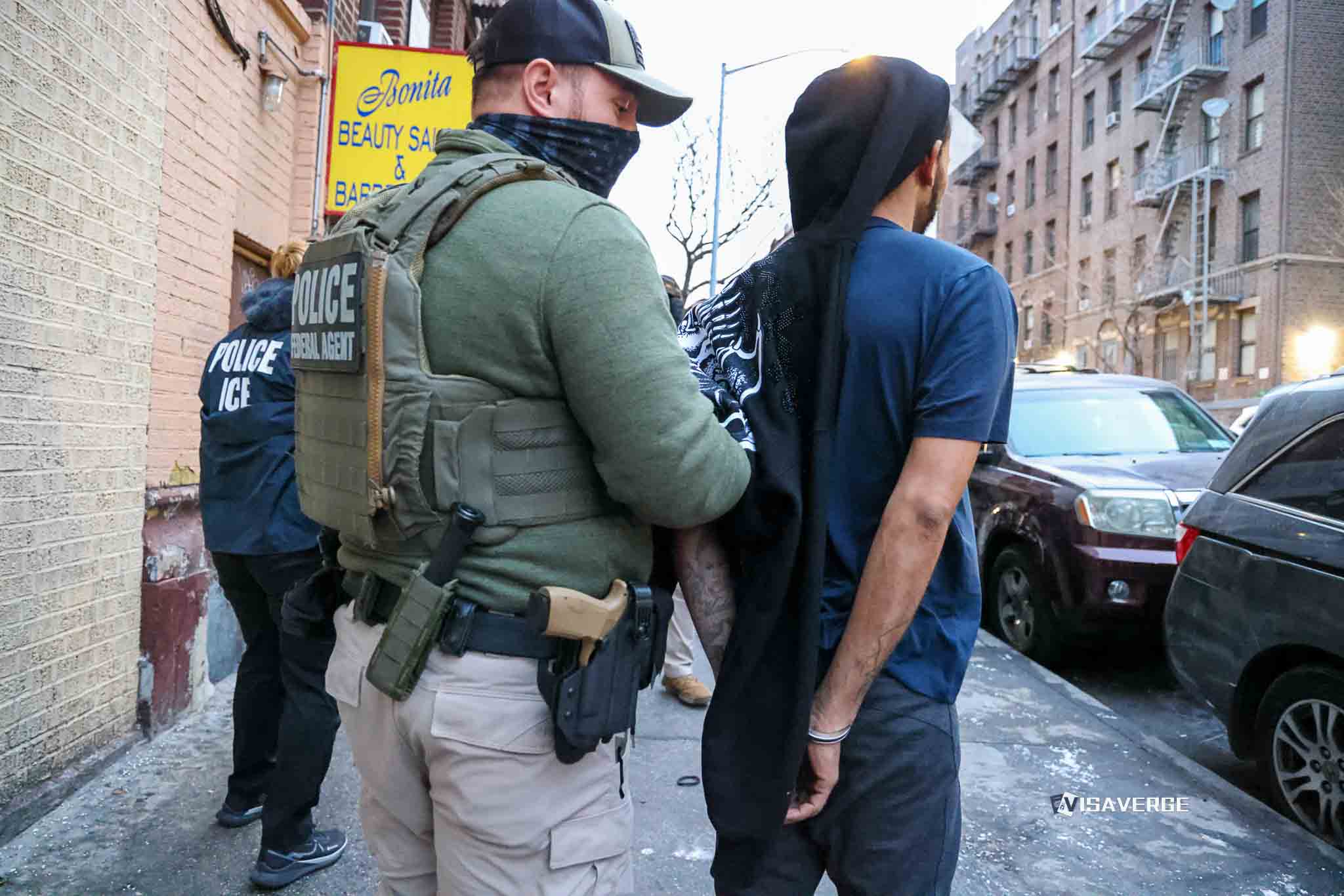
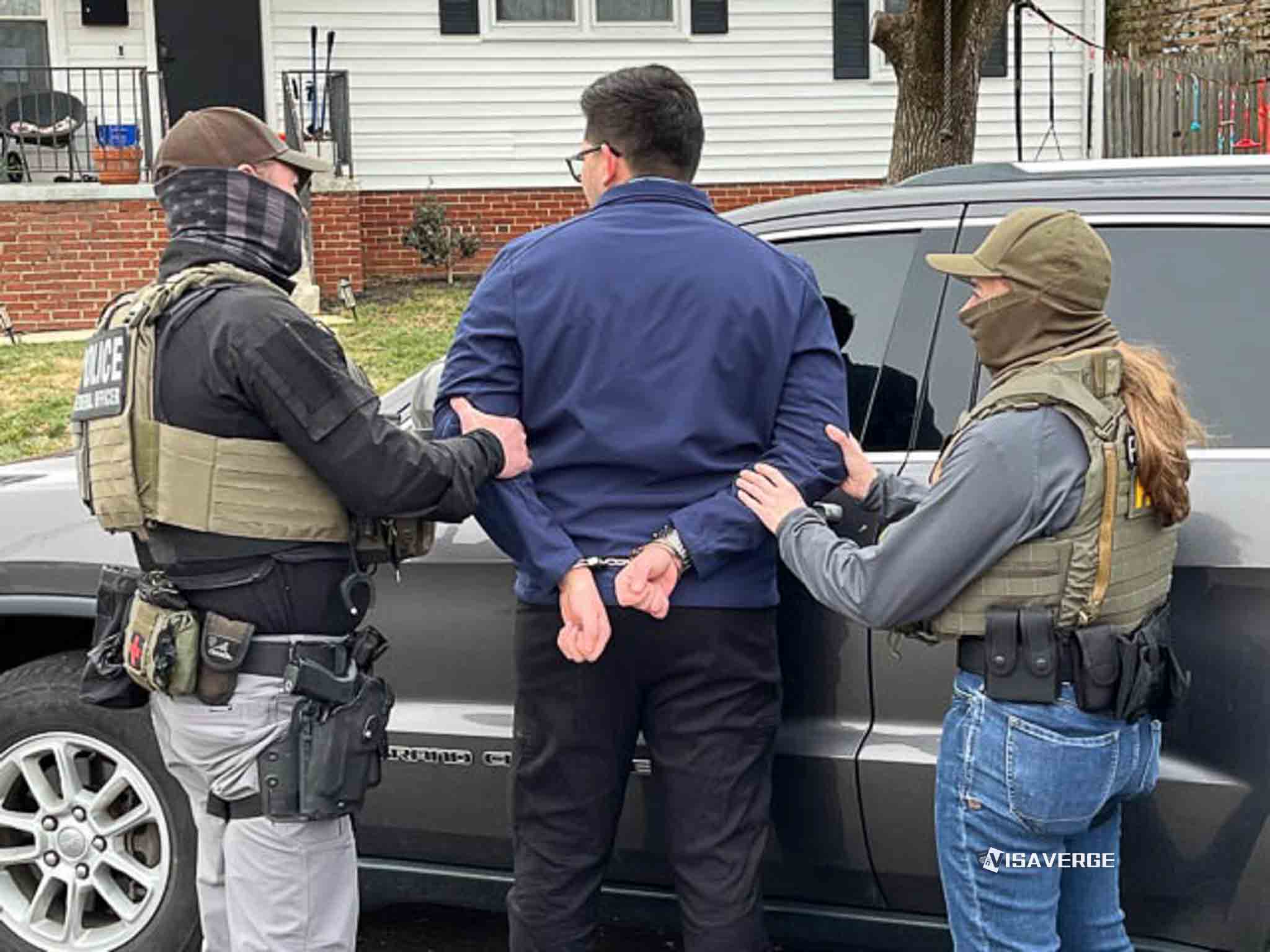
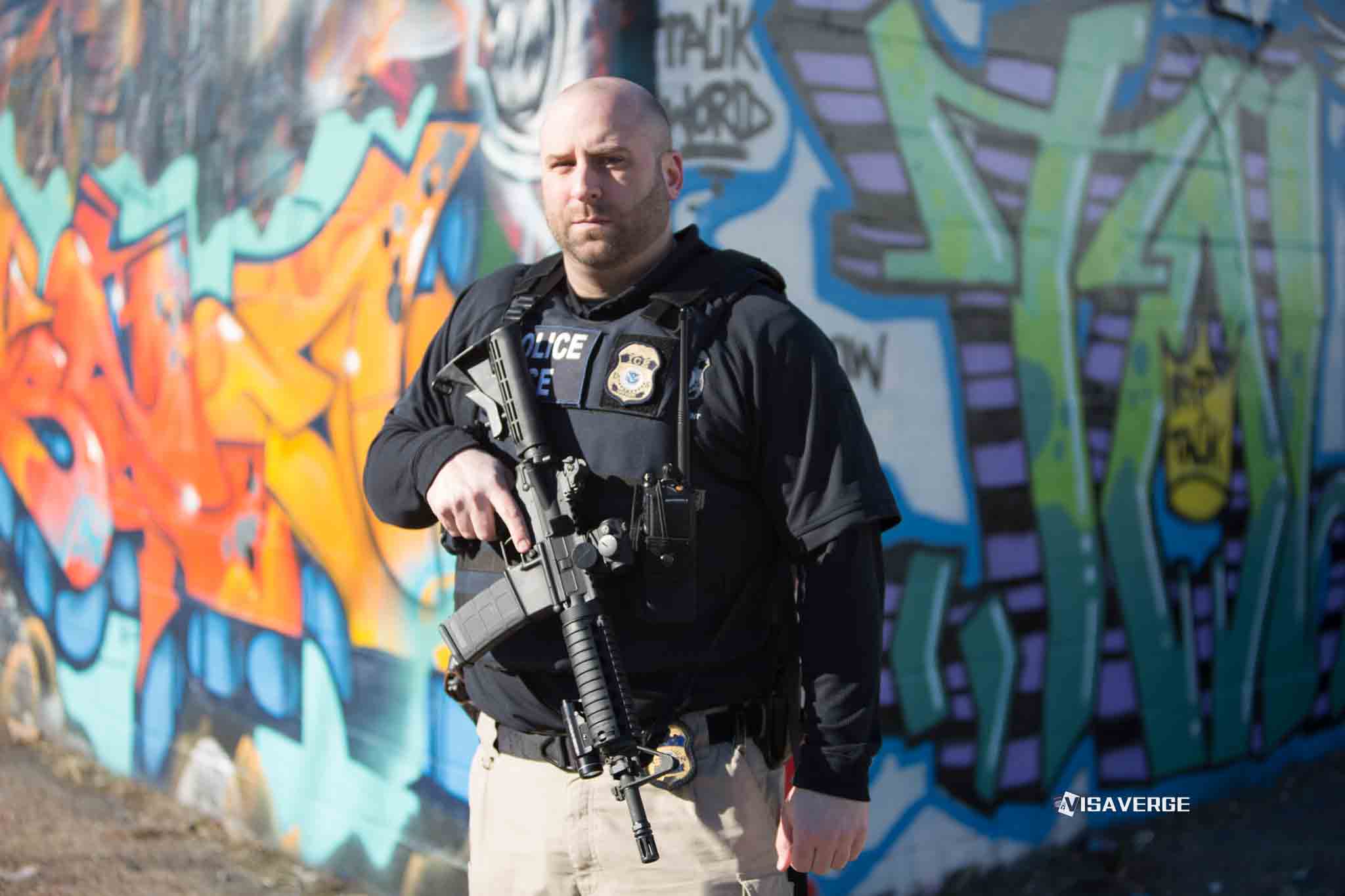
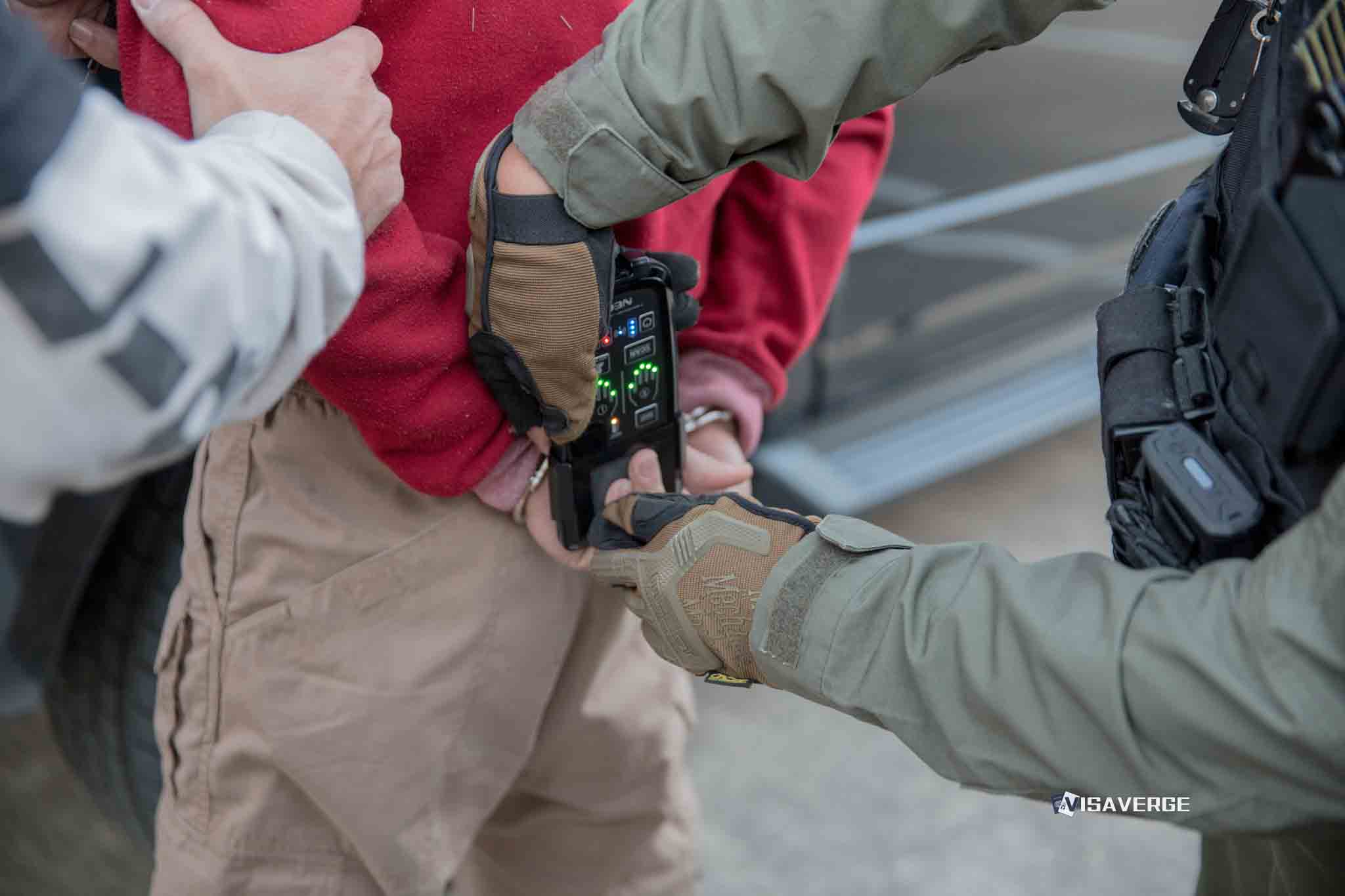
- ICE is equipping all field officers with nationwide body cameras by the end of August twenty twenty-six.
- A review committee maintains control over footage release based on the agency’s best interests.
- The rollout follows two fatal shootings in July twenty twenty-six that lacked any video evidence.
ICE will give field officers body cameras nationwide while retaining broad control over whether the public sees recordings from shootings and other serious encounters.
The agency’s February 2025 policy says officials may release footage within 72 hours after an incident involving a death or serious injury. It also allows them to withhold the video when disclosure is not in the agency’s “best interests.”
Free toolUSCIS Receipt Number Decoder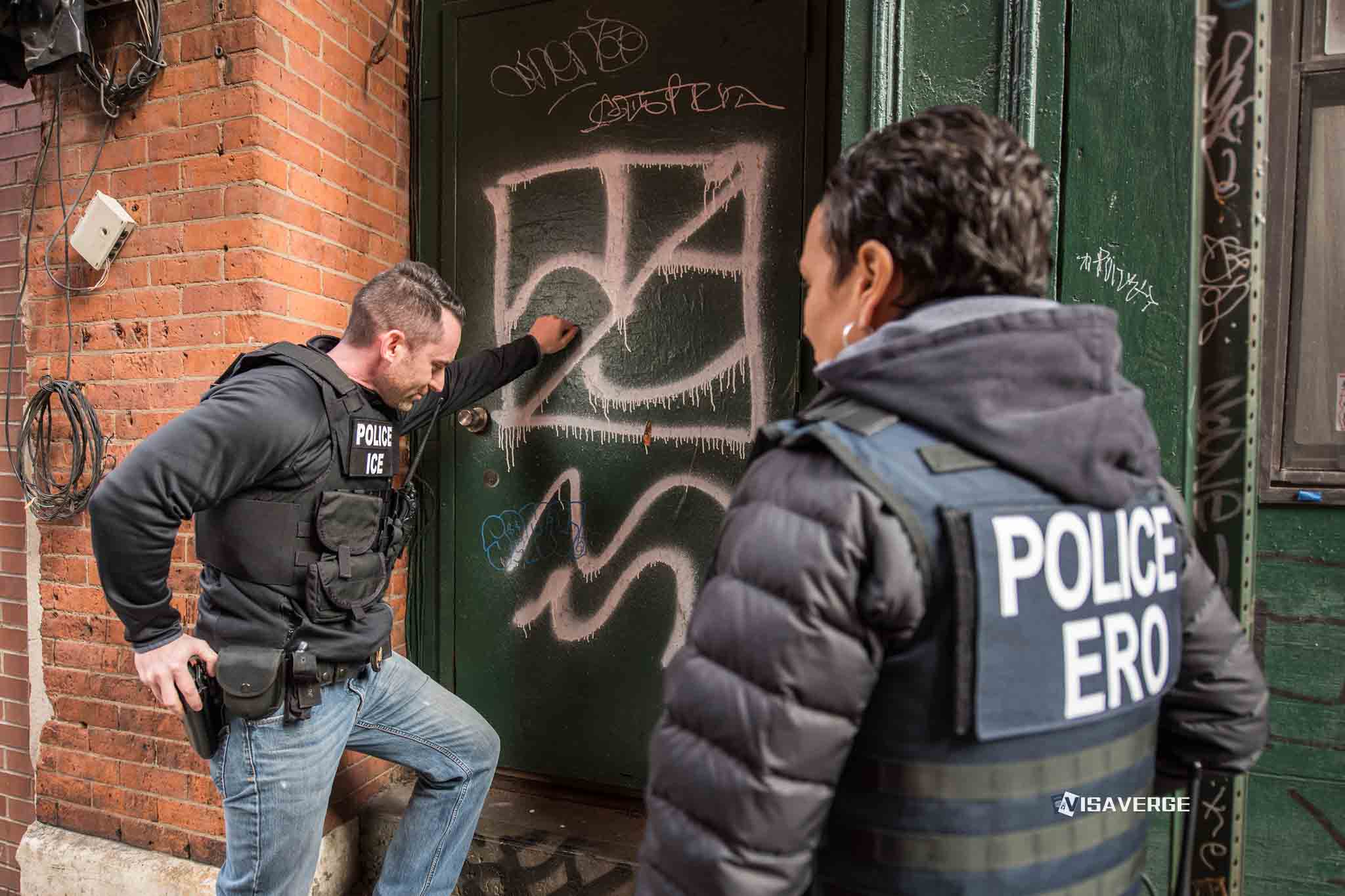
The rollout accelerated after two fatal shootings in July 2026. Neither encounter produced body-camera footage, intensifying scrutiny from lawmakers and civil rights groups.
Acting ICE Director David J. Venturella defended the policy Saturday, saying officials had confused expedited release rules with the agency’s broader authority over recordings.
"The AP fundamentally mischaracterized ICE’s body-worn camera policy by conflating the expedited release of footage following a serious bodily injury or death in custody with ICE’s broader authority to release body-worn camera footage. . ICE policy permits expedited release when appropriate—and clarifies that it’s not appropriate to release footage when doing so could compromise investigations or privacy. This approach mirrors other federal law enforcement agencies’ policies and is fully consistent with the Freedom of Information Act and the Privacy Act. At the same time, we’re committed to transparency and accountability, and we’re on track to equip every officer and agent in the field with body-worn cameras by the end of August, ahead of our original timeline."
Venturella issued the statement on August 8, 2026. The policy’s rollout timeline has set the end of September 2026 as the nationwide target, while the acting director now says the equipment could reach every field officer by the end of August.
The difference is a faster target, not a change to the release standard. The agency still decides when disclosure serves its interests.
A committee reviews serious incidents before the public can see them
The policy sends footage from serious incidents to a review committee made up of senior agency officials and lawyers. The ICE Director can block or delay release when “specific and compelling circumstances” exist.
The review standard applies to shootings and encounters that cause death or serious injury. A 72-hour release remains possible, but it is not automatic.
The policy also requires redactions before release. Officials must remove officers’ faces, names and badge numbers, citing privacy and safety concerns. Critics argue those redactions can make individual accountability harder.
Investigations and privacy form the stated basis for withholding footage. Families connected to fatal encounters may therefore face delays or denials while officials review the recordings.
The policy says its release approach complies with the Freedom of Information Act and the Privacy Act. Those laws do not eliminate the agency’s internal review process.
Two July shootings exposed the gap before cameras arrived
In Houston, an officer shot and killed a man who was driving to work. In Biddeford, Maine, an officer with a history of violent behavior shot a 25-year-old motorist.
Neither shooting appeared on body-camera footage. The incidents helped drive criticism of the agency’s earlier failure to equip officers.
The delays followed President Donald Trump’s 2025 decision to rescind a Biden-era order requiring federal body-camera use. The agency had also received a historic $75 billion infusion in 2025 but still lacked equipment after the policy change.
The department began buying devices after the shootings. It spent $30.9 million in July on equipment from Axon Enterprise, and more than half of field officers now have cameras.
More than 800 cameras recently went to the Houston area. Congress had separately allocated $20 million in April 2026 for the “procurement, deployment, and operations of body-worn cameras.”
Officers must record routine enforcement activity
The operating rules require officers to activate cameras during routine enforcement work. That includes arrests, search warrants and emergency responses.
Every field arrest team must include at least one officer equipped with a body-worn camera. The equipment is intended to document encounters, but the release policy governs what outsiders may later view.
White House “Border Czar” Tom Homan said in July that recordings would often support officers’ accounts.
"Body cameras actually exonerate agents more than they [implicate them]. . ICE officers [will] be required to have at least one body camera recording during future vehicle stops."
Homan made the statement on July 19, 2026. Vehicle stops will be among the encounters covered by the recording requirement.
The policy’s public-access rules remain separate from the recording obligation. An officer may have to activate a camera even when officials later determine that releasing the footage would not serve the agency’s best interests.
The agency spent millions as scrutiny intensified
The July purchase from Axon followed the two fatal shootings and the congressional allocation earlier in the year. More than half of field officers had received devices by early August.
The Houston distribution added more than 800 cameras to the agency’s equipment rollout. Officials now face two deadlines: the policy’s end-of-September nationwide target and Venturella’s statement that every field officer could be equipped by the end of August.
The cameras will create recordings where none existed during the Houston and Biddeford shootings. Public access will still depend on the review committee, senior officials, lawyers and the director’s decision under the “best interests” standard.
This article provides general information and is not legal advice. Consult a qualified immigration attorney about your specific case.