- USCIS awarded Axon Enterprise a $159,675 contract on September 1, 2026, for body-worn cameras and related technology.
- The order includes network, storage, and training support, but records do not say how many cameras were bought.
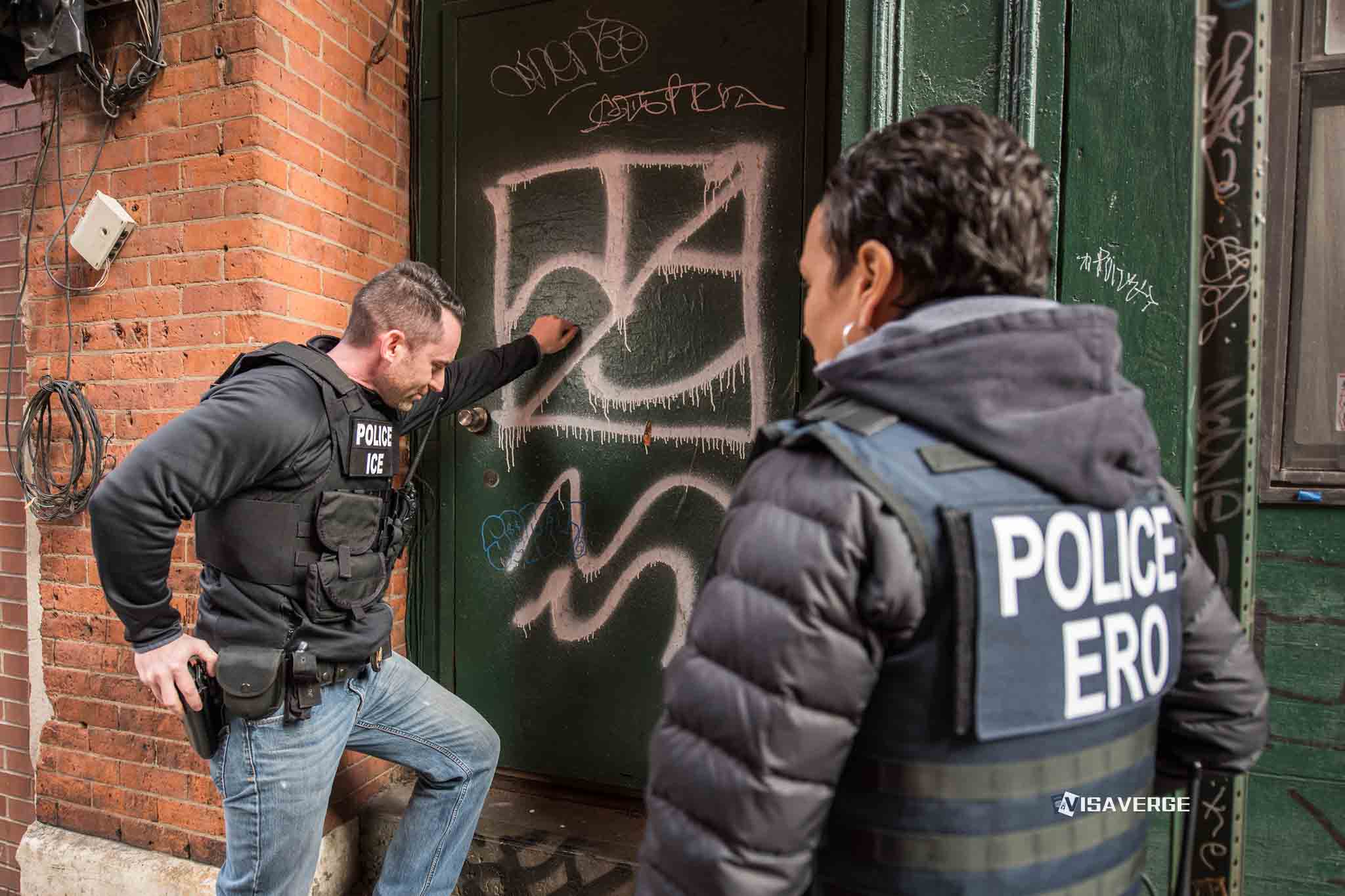
- The purchase aligns with USCIS expanding into arrests, warrants, and fraud investigations, not just benefit adjudication.
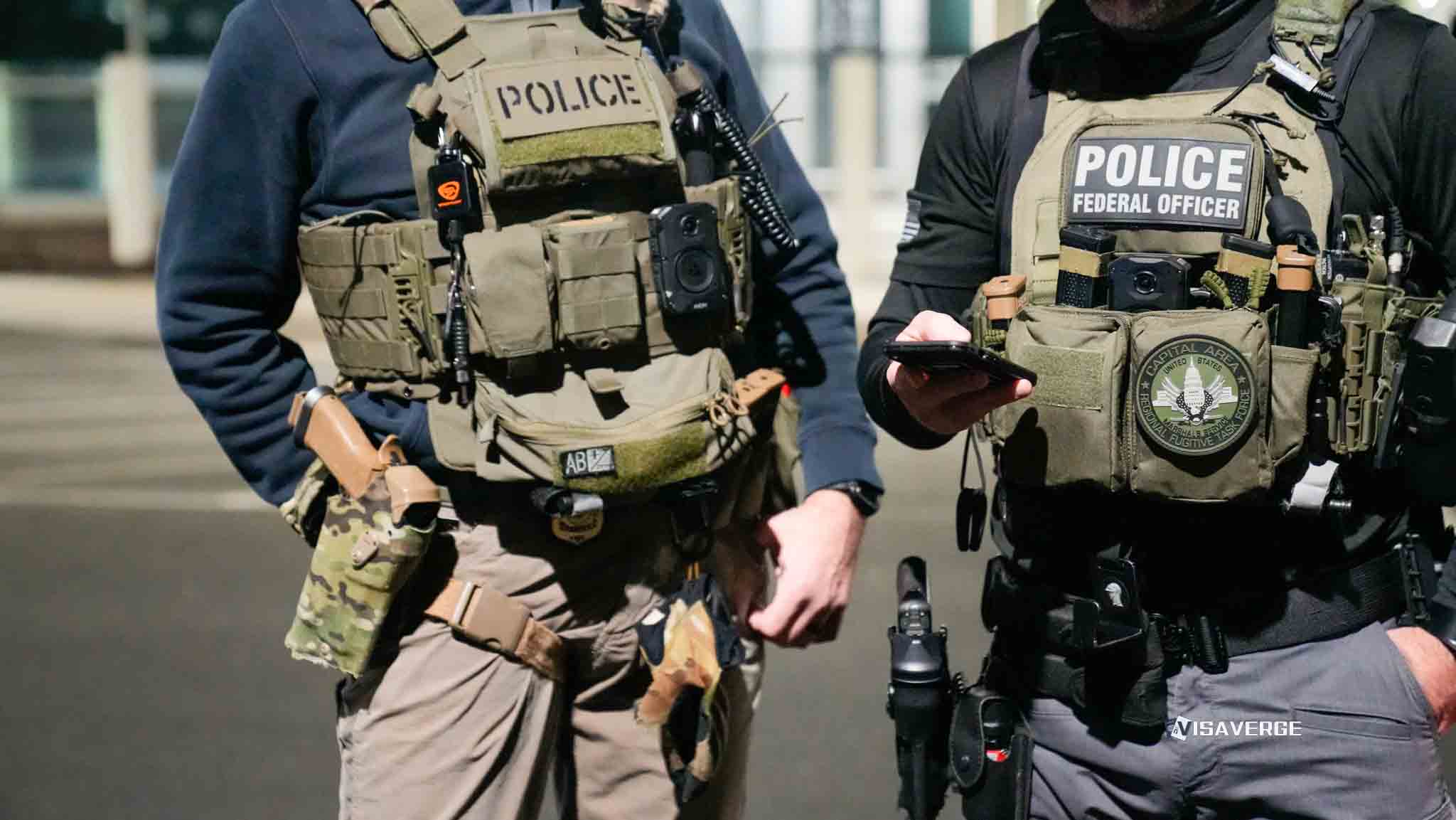
U.S. Citizenship and Immigration Services awarded Axon Enterprise an approximately $159,675 contract on September 1, 2026, for body-worn cameras and the technology needed to operate them. The purchase comes as the agency develops a broader investigative and law-enforcement role.
The order includes associated equipment, network and storage capabilities, and user training. Its place of performance is Camp Springs, Maryland.

The contract runs through August 31, 2027. Procurement records do not identify the number of cameras involved.
The amount is modest beside body-camera programs operated by major federal law-enforcement agencies. The buyer makes the purchase notable: the agency has traditionally been known for deciding immigration benefits, not conducting conventional policing.
Most immigrants encounter the agency while seeking green cards, U.S. citizenship through naturalization, employment authorization, family-based immigration benefits, certain humanitarian benefits, or changes and extensions of immigration status. Arrests and large-scale enforcement operations have more commonly been associated with U.S. Immigration and Customs Enforcement and U.S. Customs and Border Protection.
The camera order follows a push to give special agents arrest and warrant powers
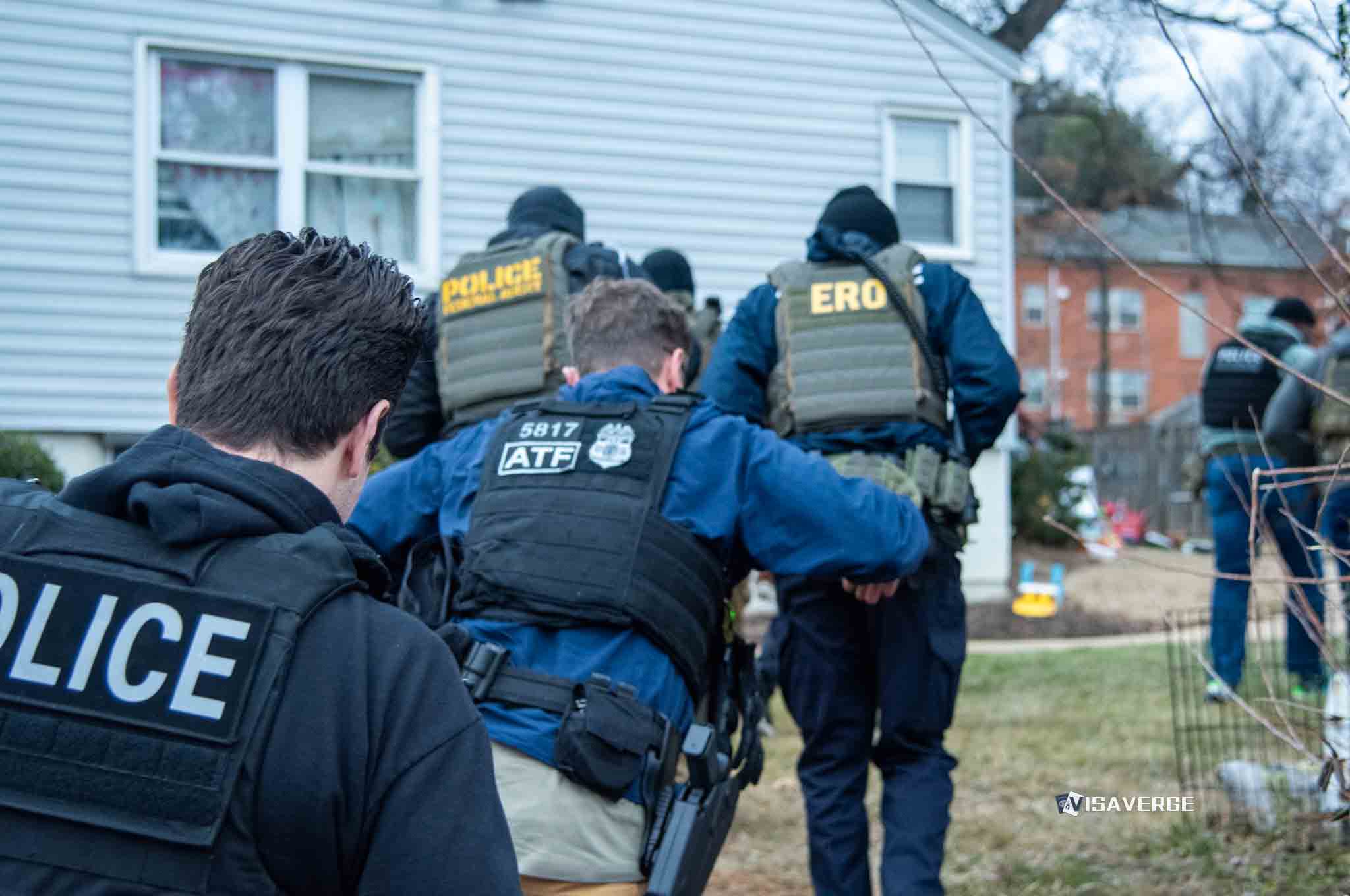
The procurement arrives alongside efforts to recruit and train special agents with authority normally associated with federal criminal investigators. Those powers can include carrying firearms, making arrests, and executing search warrants and arrest warrants.
Their expected work includes immigration fraud, threats to national security and other violations of immigration law. The shift creates a possible path from identifying a problem in an application to investigating suspected wrongdoing connected with it.
That is a change from the agency’s familiar public role. It has traditionally decided whether applicants qualify for immigration benefits. It is now also building capacity to investigate suspected violations tied to those benefits.
Cameras fit the fieldwork associated with that expansion. They can capture an audiovisual record of encounters between government agents and members of the public.
The order builds a recording system, but leaves its deployment unsettled
Recordings may document encounters, preserve evidence, support reviews of agents’ conduct and help resolve disputes about what happened during an enforcement action. They can also provide evidence when a member of the public or an agent describes an encounter differently.
The purchase covers more than devices. Network capacity, storage and training point to the infrastructure for an operating system rather than a one-time equipment acquisition.
The procurement does not disclose how many cameras the agency bought. It also does not say which personnel will receive them, whether the devices will be assigned specifically to new special agents, or precisely where they will be deployed.
The records leave operating rules open as well. They do not disclose when cameras must be activated, who can access recordings, how long footage will be retained, or when recordings may be released.
A relatively small initial order could reflect a limited deployment or an early stage of a broader program. The procurement record alone establishes neither conclusion.
The purchase also does not establish a “green card crackdown.” It does not show that ordinary adjustment-of-status or naturalization interviews will routinely be recorded. The available procurement details do not identify such a deployment.
Fraud cases could move beyond benefit adjudication
The agency already reviews applications and petitions for inconsistencies, fraudulent documents, sham relationships and other possible misrepresentations. Its Fraud Detection and National Security functions have long helped identify potentially fraudulent cases.
A case with warning signs may produce a Request for Evidence, a Notice of Intent to Deny or a denial. When evidence points to possible criminal or immigration-law violations, the matter could instead develop into a formal investigation.
Marriage-based immigration is one area where fraud investigations already receive close attention. A genuine marriage remains a lawful basis for obtaining permanent residence, and the camera purchase does not change the eligibility requirements for legitimate couples.
Deliberately entering a marriage mainly to evade U.S. immigration laws can carry serious consequences. Officers examine evidence about whether a marriage is genuine, particularly when inconsistencies or other fraud indicators appear.
The same concerns can arise in other immigration programs when applicants submit fabricated documents, make false statements or deliberately conceal material information. Expanded investigative capabilities could give the agency additional tools in cases involving organized or serious fraud.
The new investigative role does not erase the lines between DHS agencies
The agencies retain different statutory missions and organizational responsibilities within the Department of Homeland Security.
| Agency | Role described in the material |
|---|---|
| U.S. Citizenship and Immigration Services | Processes and adjudicates millions of immigration applications and petitions |
| U.S. Immigration and Customs Enforcement | Holds a principal role in immigration enforcement in the interior of the United States |
| U.S. Customs and Border Protection | Holds major responsibilities at the border and ports of entry |
The benefits agency therefore has not simply become another version of ICE. It continues to process and adjudicate immigration cases while developing a more substantial investigative function.
ICE and CBP already operate in more traditional law-enforcement environments. Their camera programs sit within missions that have long included interior enforcement, border operations and work at ports of entry.
The change at the benefits agency is institutional. An application can remain a benefits matter, but evidence of suspected fraud may also lead to investigative activity when the facts support that step.
A recording could serve accountability as well as enforcement. It may help document an allegation of inappropriate conduct, or clarify an agent’s claim that someone resisted, threatened investigators or provided misleading information.
Applicants should keep filings truthful and supported by genuine records
Applicants and petitioners should:
- Submit truthful information throughout the application process.
- Keep statements consistent across forms, interviews and supporting materials.
- Use genuine documentation to support applications and petitions.
- Avoid fabricated records and false statements, even if they appear likely to improve a filing.
- Treat material discrepancies seriously, because intentional misrepresentations can carry immigration consequences.
Material misrepresentations can have serious immigration consequences. Some forms of immigration fraud can also expose individuals to criminal investigation.
Legitimate applicants should not interpret the camera purchase as evidence that every routine case will become a criminal inquiry. The procurement records do not provide deployment details supporting that conclusion.
Operating rules will determine how much the camera program changes encounters
Policies will shape the balance between investigative work and public accountability. The agency’s rules will need to address when cameras must be activated, who can access recordings, how long footage is retained and when recordings may be released.
The initial purchase could mark a limited deployment or an early phase of a broader program. The procurement does not resolve that question.
The next concrete indicators will be personnel assignments, camera-use policies and any additional acquisitions. Those details will show whether the technology remains confined to a small investigative unit or becomes part of a wider enforcement operation.
This article is for general informational purposes only and does not constitute immigration or legal advice.