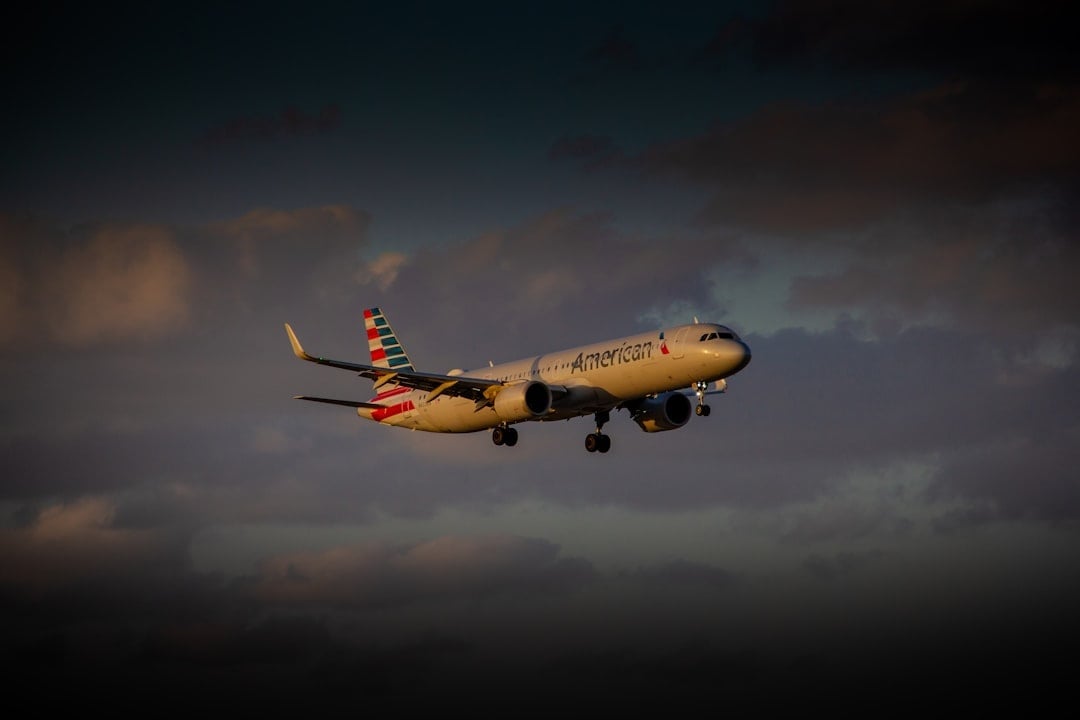
- American Airlines will restore seatback entertainment screens on more than 800 narrowbody aircraft.
- New Airbus and Boeing deliveries will get screens starting in 2028, with retrofits continuing into the early 2030s.
- Premium seating will grow from 25% to 40% of the narrowbody fleet as part of a broader cabin upgrade.
American Airlines will bring seatback entertainment screens back to more than 800 narrowbody aircraft, reversing its long-running push to make passengers stream movies and shows on personal devices. New Airbus and Boeing deliveries will receive the systems starting in 2028.
The carrier plans to retrofit existing aircraft at the same time. The work should run into the early 2030s.
Free toolB1/B2 Tourist Visa Stay Calculator online
American announced the change Tuesday, August 18, 2026, alongside a plan to add more premium seats. The strategy targets travelers willing to pay more, as the airline works to narrow its profit gap with Delta Air Lines and United Airlines.
The company framed the program as part of a wider cabin overhaul.
“With high-speed Starlink connectivity and American’s portfolio of premium onboard offerings, the next-generation seatback experience will create a more personalized, connected travel experience,” the carrier said.
The screens will not simply replicate the older entertainment systems. American says the new setup will use 4K technology, Bluetooth audio connectivity, USB-C charging at every seat, personalized viewing recommendations, and interactive maps showing destinations and real-time flight information.
The carrier also described the displays as having “industry-leading screen sizes.”
New deliveries arrive first while most existing jets wait for retrofits
The first screen-equipped aircraft are scheduled to arrive in 2028. Retrofit work will begin that year and continue through the early 2030s.
American already has screens on more than 140 widebody and Airbus A321XLR aircraft. Twelve internationally configured A321XLRs are among those aircraft and already carry the equipment.
The planned retrofit scope is narrower than the headline fleet figure suggests. Andrea Koos, a carrier spokesperson, clarified that not every existing narrowbody aircraft will receive the upgrade.
| Aircraft group | Planned treatment |
|---|---|
| New Airbus and Boeing aircraft | Delivered with screens starting in 2028 |
| 132 Airbus A319s | Retrofit scope |
| 310 domestic-configured A321s | Retrofit scope, across two versions |
| 303 Boeing 737-800s | Retrofit scope |
| 103 737 Max 8s | Retrofit scope |
| 48 older Airbus A320s | Not upgraded because they are scheduled for retirement |
The listed retrofit groups total 848 aircraft. American says more than 800 narrowbody aircraft will ultimately have screens.
Premium seating will expand as American targets higher-spending travelers
The screen rollout accompanies a much larger premium-seat plan. Premium seating is set to grow from 25% to 40% of the narrowbody fleet.
That shift gives the cabin changes a commercial purpose beyond inflight entertainment. American is pairing seatback screens with Starlink Wi-Fi and other onboard upgrades in an effort to attract higher-spending customers.
The airline had previously removed screens from many narrowbody jets. Passengers instead used their own phones, tablets, or laptops to access streamed entertainment.
American is now reversing that approach.
The company called the combined package a broader “portfolio of premium onboard offerings.” The release linked the offering to Starlink connectivity and other cabin improvements, rather than treating the screens as a standalone equipment project.
The new system is designed to keep passengers connected while giving them another way to watch content. Bluetooth pairing will let travelers use compatible wireless audio devices, while USB-C charging will be available at every seat.
Interactive flight maps will add destination and live-flight details to the entertainment interface. Personalized recommendations will tailor viewing suggestions to individual passengers.
The retrofit list covers four major aircraft groups
The aircraft targeted for upgrades include 132 Airbus A319s, 310 domestic-configured A321s in two versions, 303 Boeing 737-800s, and 103 737 Max 8s.
Those aircraft represent the existing domestic-oriented groups identified for the work. Older Airbus A320s scheduled to leave the fleet are excluded.
American’s existing screen-equipped aircraft provide a partial head start. More than 140 widebody and Airbus A321XLR aircraft already have seatback screens, including the 12 internationally configured A321XLRs identified in the rollout details.
The carrier is headquartered in Fort Worth, Texas. Koos’s clarification sets a boundary around the retrofit program: some current aircraft will remain without the new systems until retirement.
New aircraft will therefore provide the earliest consistent access to the redesigned entertainment experience. Passengers flying on existing jets may encounter different cabin configurations during the transition.
The rollout will stretch into the early 2030s
American expects the full installation program to finish in the early 2030s. New deliveries begin the visible change in 2028, but the broader fleet will change gradually as aircraft enter retrofit schedules.
The carrier announced the screens and premium-seat expansion together on August 18, 2026. Its plan combines a higher share of premium seats with 4K entertainment, Bluetooth audio, USB-C charging, Starlink Wi-Fi, and updated flight information displays.