- American Airlines plans to close a $3 billion profit gap through premium cabins and loyalty revenue.
- The carrier will increase premium seating 50% on long-haul flights by the end of the decade.
- Labor unions expressed unanimous no-confidence in CEO Robert Isom amid concerns over staffing for new suites.
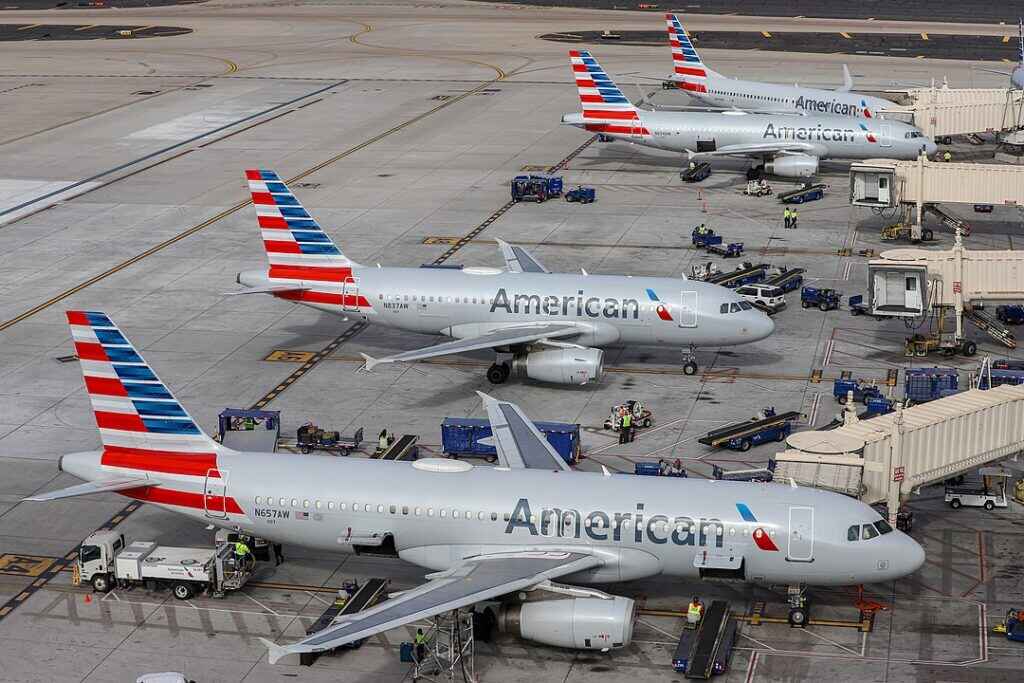
American Airlines CEO Robert Isom outlined a multi-year effort to close more than $3 billion in annual profit separating the carrier from United Airlines and Delta Air Lines. The plan centers on premium cabins, larger lounges, loyalty revenue, new wide-body aircraft and more reliable operations.
United earned $3.4 billion in 2025, while Delta earned $5.0 billion. American reported net profit of just $111 million, producing a 0.2% margin. Isom did not set a deadline for narrowing the difference.
“The long-range plan is certainly making up the margin gap,” Isom said. He also said American and its nearly 140,000 employees want “to be best at everything that we do.”
The airline operates about 6,500 flights per day, the largest network in North America. Its executives now say the harder task is persuading passengers to pay more for those flights.
Chief Financial Officer Devon May framed the test in revenue terms. “what we will measure over time is: Are we closing this revenue gap and closing the unit revenue gap?” May said.
Premium seats and lounges will carry the recovery plan
American is evaluating Boeing and Airbus for a major new order, with a decision expected by year-end 2026. Isom said new wide-body planes will be central to the carrier’s next phase.
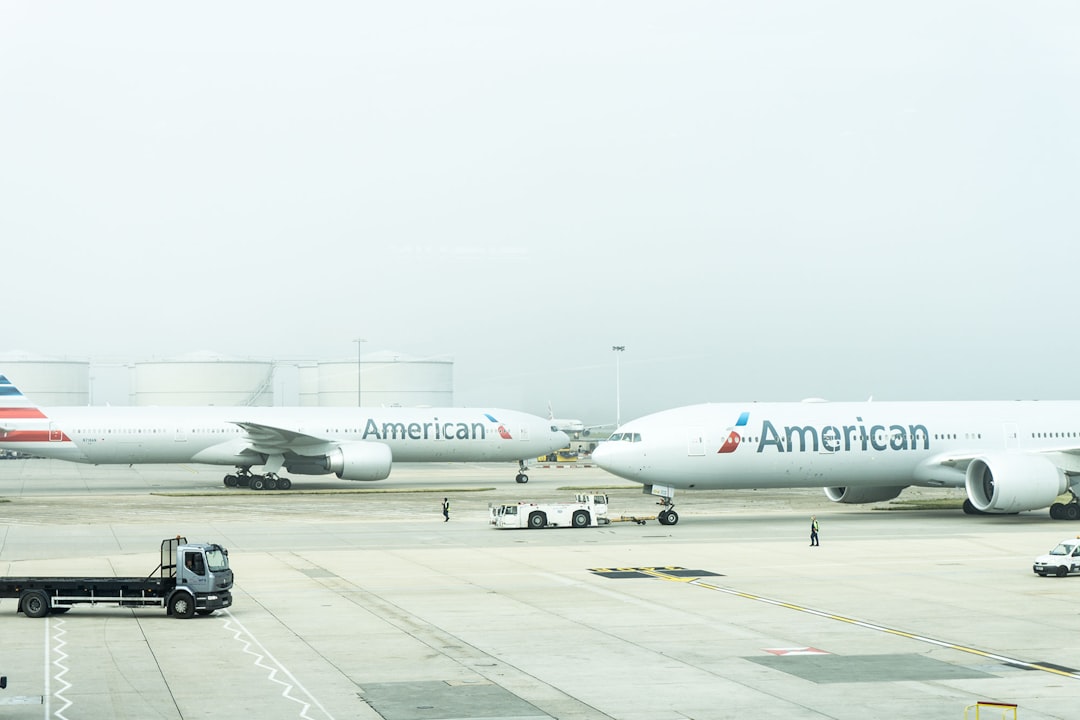
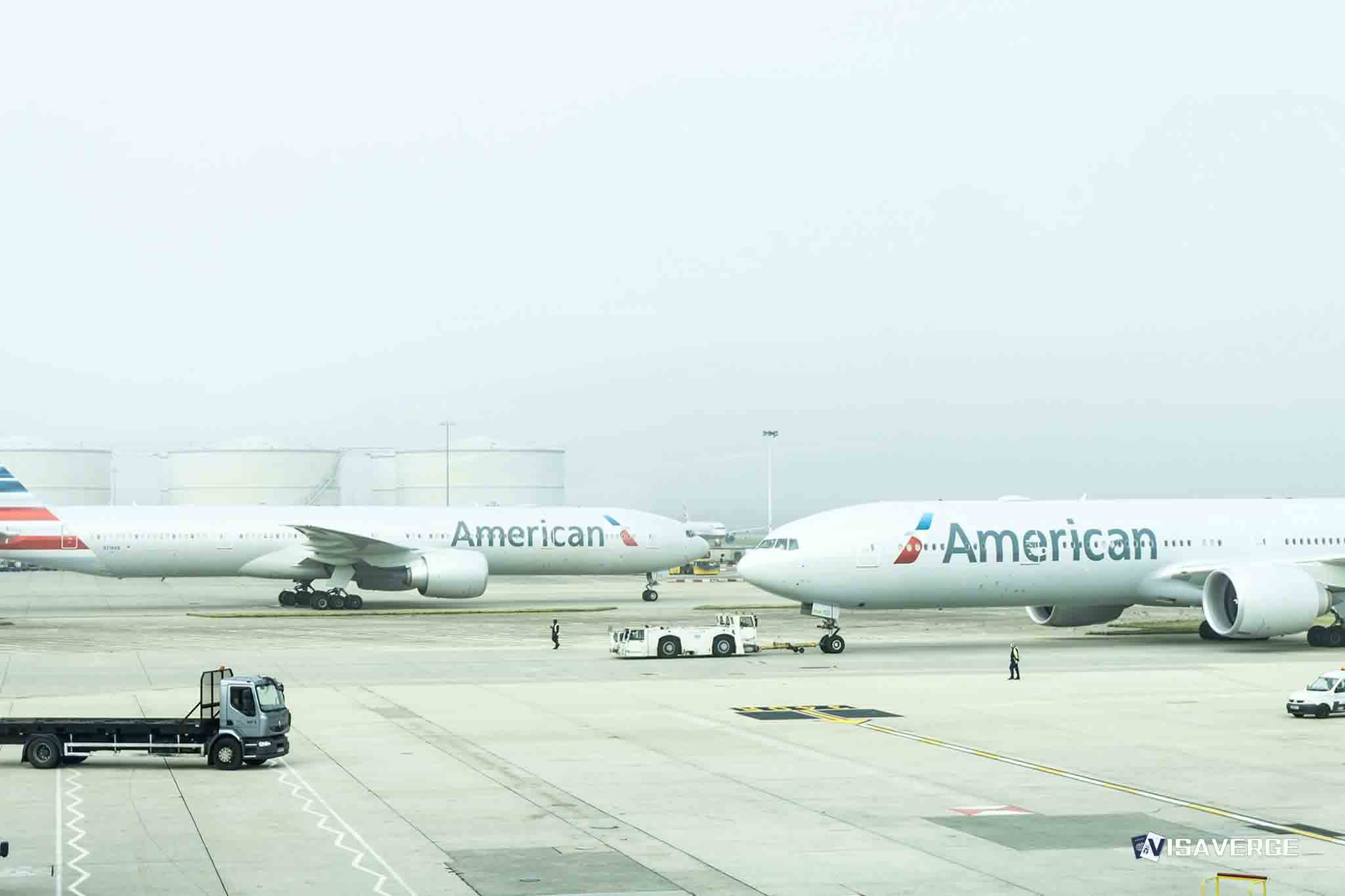
The carrier plans to increase premium seating by 25% on its Boeing 777-200ER fleet. It also aims to expand long-haul premium seating by 50% by the end of the decade.
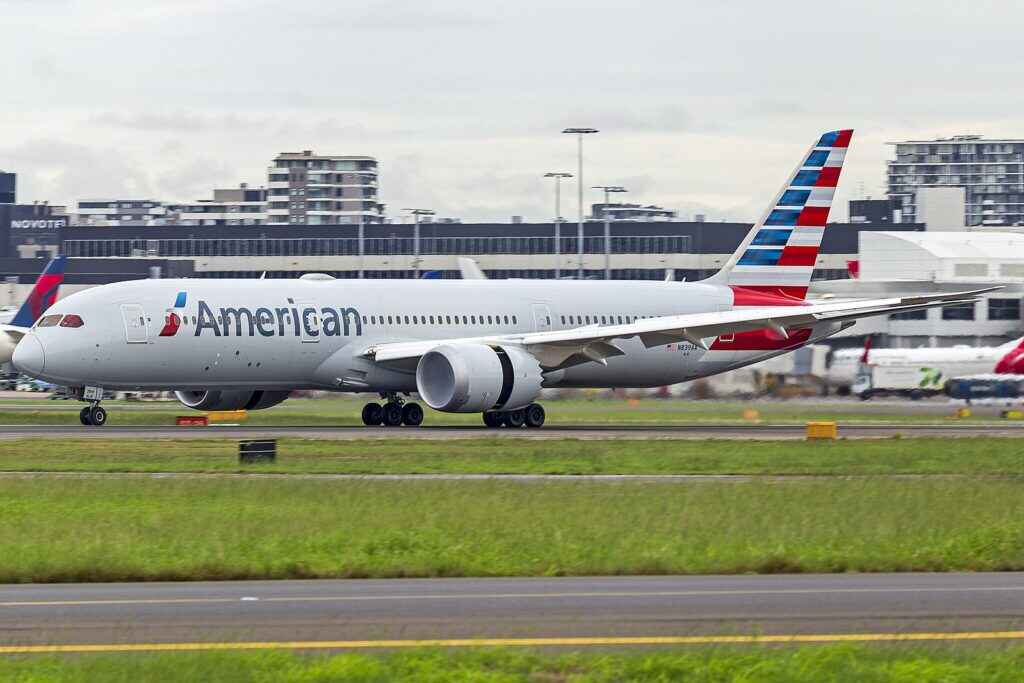
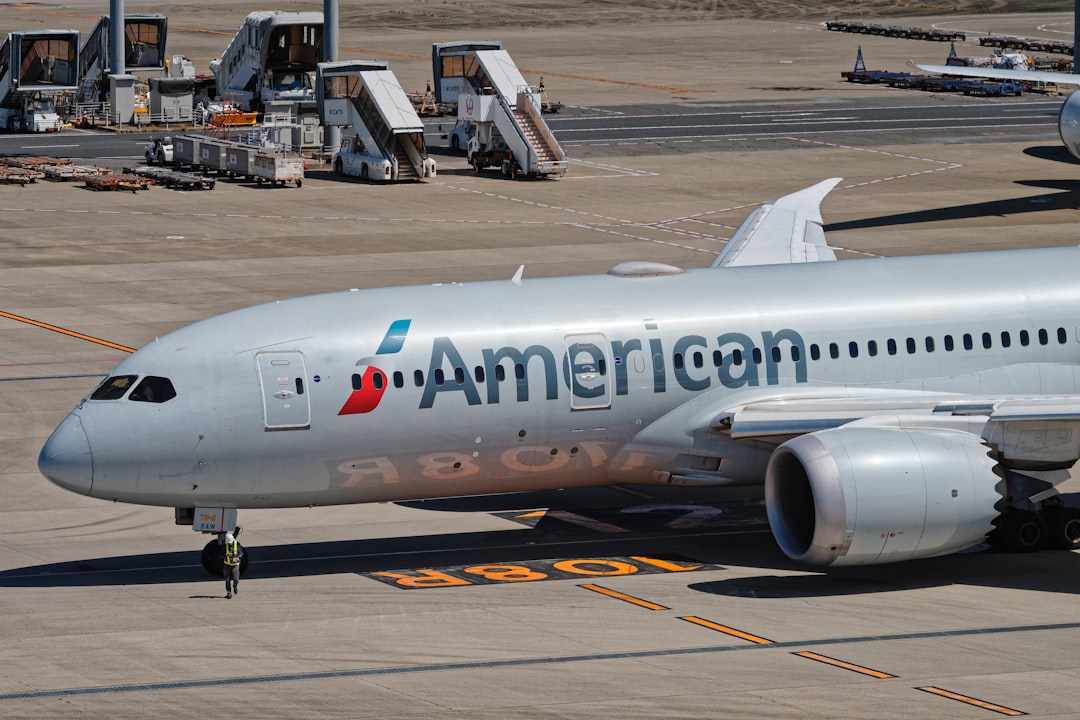
The cabin strategy already has a flagship product. Flagship Suites, with sliding privacy doors, wireless charging and Bluetooth, debuted on Boeing 787-9P aircraft in June 2025. Retrofitting began on the 777-300ER fleet in early 2026.
Heather Garboden, the airline’s chief customer officer, said, “Every aspect of our new 787-9 is designed to feel premium in nature.”
The lounge push will be especially visible at Dallas Fort Worth. Garboden confirmed plans for a 37,000-square-foot Admirals Club in Terminal C, which would become the carrier’s largest lounge.
American is also positioning its largest hub for the broader makeover. Dallas Fort Worth is undergoing a $12 billion renovation that includes a new grab-and-go lounge concept.
The carrier is selling more than a bigger seat
Premium travel is only one part of the proposed revenue shift. American wants stronger loyalty revenue and better reliability to attract higher-spending corporate and leisure passengers.
The carrier completed its rollout of Starlink satellite Wi-Fi across its mainline fleet in mid-2026. The service is intended to compete with Delta’s free Wi-Fi offering.
Executives are pursuing what the research describes as a pivot toward the “Delta model,” rather than the older “network is the product” philosophy. Project Olympus marks that change as the airline enters its centennial year, 1926–2026.
The company also reduced total debt to $34.7 billion by mid-2026, its lowest level since 2015. Analysts project adjusted earnings per share of $0.64 in 2026 and potentially $2.58 by 2027.
Those projections are not company targets. They show the scale of the earnings improvement investors expect if the premium strategy works.
More premium service will test staffing levels
The cabin upgrades bring an operational question: whether the airline has enough employees to deliver the service it is promising.
Julie Hedrick, president of the Association of Professional Flight Attendants, said, “As American introduces 70 Business Suites. they’re expecting a reduced number of Flight Attendants to deliver significantly more personalized service.”
Flight attendants have cited burnout after staffing on certain long-haul jets fell from 13 to 11. The concern is that expanded business-class cabins will require more individualized attention while fewer crew members cover the aircraft.
Labor tensions had already escalated. Flight attendant and pilot unions held a unanimous no-confidence vote against Isom in February 2026.
Passengers are likely to see a sharper split in the onboard product. Higher-end travelers are positioned to receive more consistent Flagship branding and upgraded amenities, while economy passengers face buy-on-board changes and continued tight seating configurations.
Investors want proof that the gap is closing
The transformation comes as investors remain cautious. The stock recorded a 12% weekly drop in mid-July 2026 amid fuel headwinds.
Analysts have set a long-term price target of $20, reflecting a bet on Isom’s premium-heavy transformation. The proposed aircraft purchase, cabin upgrades and lounge investments will require American to raise revenue without losing the cost discipline reflected in its debt reduction.
May’s measure gives the strategy a straightforward test: whether American closes both the overall revenue gap and the unit revenue gap with its larger rivals.
The aircraft decision is the next fixed point. American expects to choose between Boeing and Airbus by year-end 2026, while the airline continues retrofitting its 777-300ER fleet and expanding premium capacity toward the end-of-decade target.