- JetBlue is overhauling its fare structure to separate the onboard experience from ticket rules and flexibility.
- The airline will launch BlueFirst domestic first class on reconfigured aircraft starting in late twenty twenty-six.
- The strategy targets one point two billion dollars in incremental earnings to return to profitability by twenty twenty-eight.
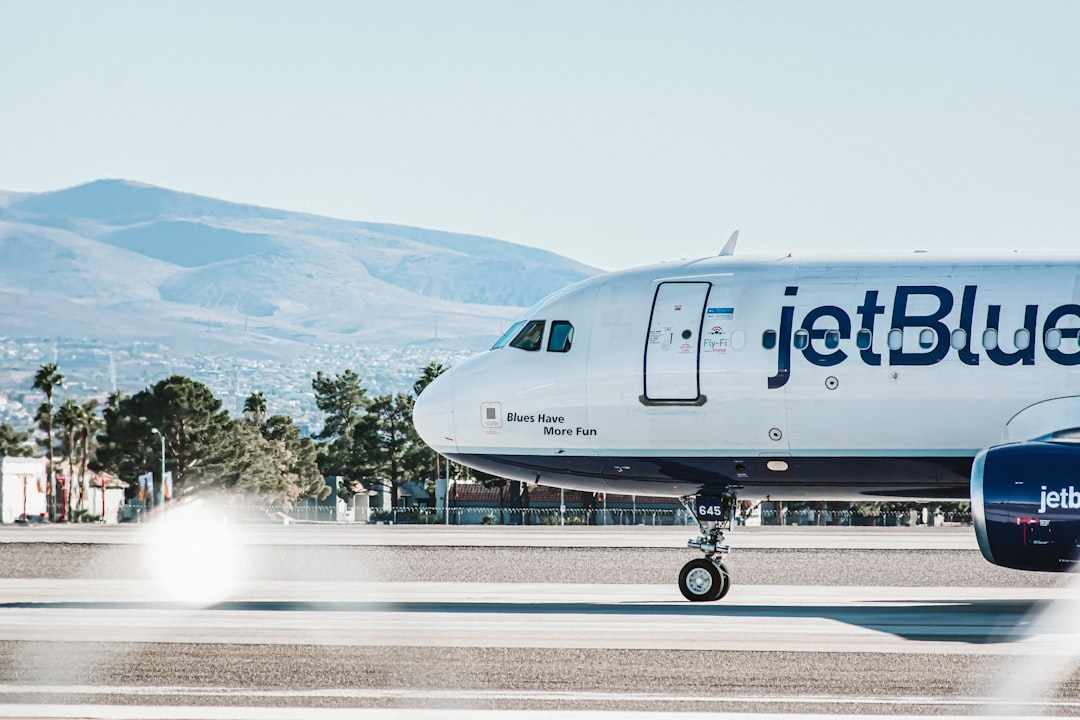
JetBlue announced a new fare structure on July 27, 2026, separating the onboard experience from the rules attached to a ticket as it prepares to launch BlueFirst domestic first class later in 2026. The new booking options will begin appearing in the coming days.
Customers will make two choices at checkout. They will first select an onboard experience, then choose a fare based on seat selection and refundability.
Free toolB1/B2 Tourist Visa Stay Calculator online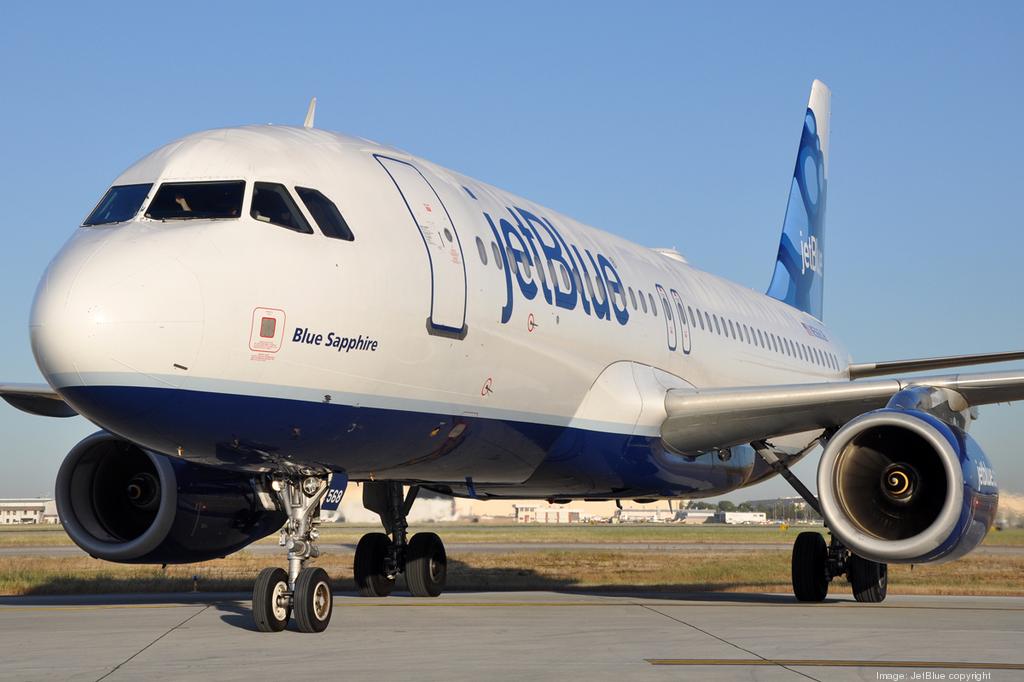
Marty St. George, the airline’s president, said the redesign would let customers book in “two simple clicks.”
“With the introduction of BlueFirst and our recently improved EvenMore experience, we want to make sure customers can easily find the JetBlue experiences they are looking for. In two simple clicks, customers will be able to book what’s right for them. First, the onboard experience, and then the fare option depending on their preferences around seat selection and refundability.”
The four onboard choices are Main, EvenMore, BlueFirst, and Mint. Main replaces the Core economy name and includes free Wi-Fi, seatback entertainment, and snacks. EvenMore offers extra legroom and priority perks.
The airline’s lie-flat premium cabin remains available. It will not be sold with a Base fare.
Carry-on bags will come with all three fare options. Customers who booked under the previous structure keep the benefits attached to those reservations. TrueBlue Mosaic members and JetBlue credit card holders also keep their current perks.
The fare tiers separate the seat from the ticket rules
The new system pairs each onboard product with Base, Standard, or Flex. Seat selection and change rules vary by tier.
| Fare tier | Seat selection | Changes and cancellations |
|---|---|---|
| Base | Not included | Cancellations produce travel credit, minus fees |
| Standard | Included | No change fees |
| Flex | Included | No change fees and refunds to the original form of payment for eligible cancellations |
Base is the most restrictive option. It is not available for the lie-flat cabin.
Standard includes seat selection and no change fees. Flex adds refunds to the original form of payment for eligible cancellations.
The structure allows customers to choose the onboard product separately from ticket flexibility. Someone can select a premium cabin and then choose whether seat selection, change protection, or refundability matters most.
Existing reservations will not be shifted into the new terms. Benefits already attached to earlier bookings remain in place, along with current perks for Mosaic members and eligible cardholders.
Recliner seats will reshape three non-lie-flat aircraft types
The new first-class cabin will enter Airbus A220, A320, and non-Mint A321 aircraft. Retrofits are scheduled to begin later in 2026.
A prototype installation was targeted for a test aircraft in June 2026. The work is expected to continue into 2028, based on one analysis of the rollout.
The seats are expected to use Collins Aerospace MiQ recliners. They are described as offering 36–37 inches of pitch and up to 10 inches of recline.
The aircraft changes will also affect Main seating. Its pitch is expected to fall from 32 inches to 30 inches as the new premium cabin is installed.
That reduction changes the economy experience even when a customer does not buy a first-class seat. The retrofit program covers the A220, A320, and non-Mint A321 fleets, while the lie-flat aircraft remain outside that specific installation plan.
The airline has not published an exact launch date for the new cabin. It has said only that the debut will come later in 2026.
Premium revenue drives the airline’s broader turnaround plan
The fare redesign and aircraft work form part of the JetForward strategy, which targets $1.2 billion in annual incremental EBIT and a $1.00 EPS by 2028.
Ursula Hurley, the airline’s chief financial officer, said during the Q2 2026 earnings call that the company was on a path to a positive operating margin in 2027. She also said the first-class product could produce 5 percentage point growth in revenue per available seat mile once mature.
The airline has not posted a full-year profit since 2019. CEO Joanna Geraghty launched the strategy after rising operating costs and the blocked merger with Spirit Airlines.
Delta and United have also moved toward premium unbundling. The approach gives travelers more ways to pay for a premium seat without automatically buying every flexibility feature.
The fare design places those tradeoffs directly in the booking path. A customer who values the seat can choose the cabin first, then decide how much protection to purchase.
New lounges will add an airport component
The airline is also preparing its first airport lounges under the BlueHouse brand. The first location is planned for JFK Terminal 5 in late 2026, followed by Boston Logan in 2027.
The lounge plan extends the premium strategy beyond the aircraft. It adds airport facilities to the new seating and fare options as the carrier seeks more revenue from higher-value travel.
The booking changes will arrive before the aircraft rollout. Customers will see the revised fare structure in the coming days, while retrofits begin later in 2026 and the first-class debut remains scheduled for later this year.