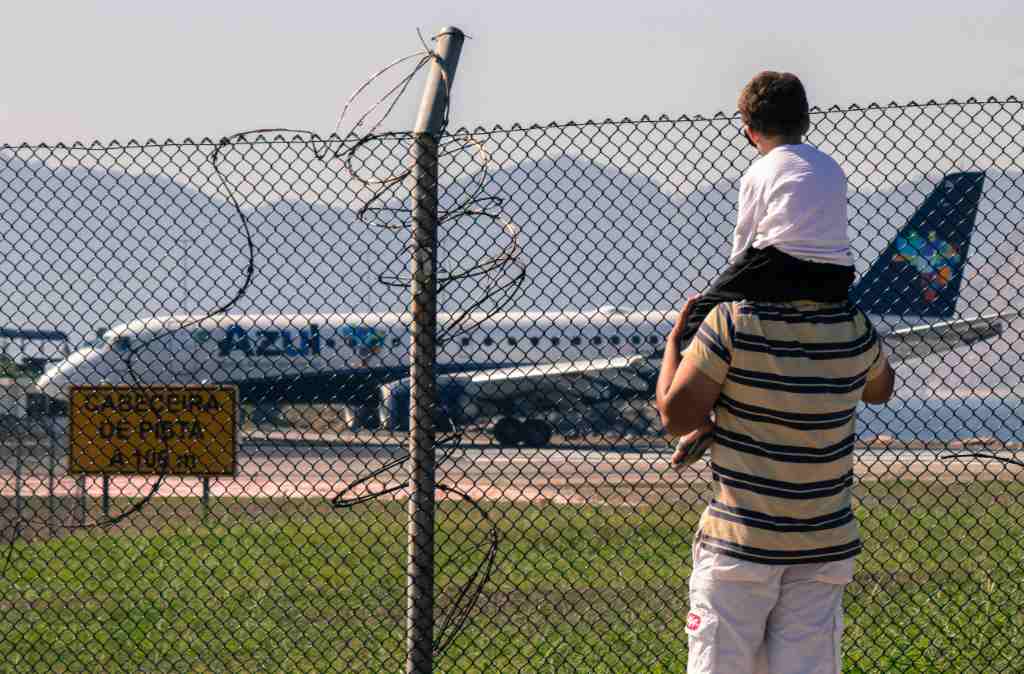
The U.S. Embassy in Brasília said on August 13, 2026 that graffiti sprayed on its wall was “unacceptable” and confirmed it was coordinating with local authorities while consular operations continued normally. The vandalism comes as diplomatic tensions with Brazil have intensified after the Trump administration revoked the visa of Brazil’s ambassador to Washington, Maria Luiza Ribeiro Viotti, on August 4, 2026.
- The embassy said the vandalism was “inaceitável” / “unacceptable” and that it had contacted local authorities about the incident.
- The embassy’s statement said the graffiti did not disrupt consular processing and that services were still operating normally.
- On August 4, 2026, the United States revoked the visa of Brazil’s ambassador to Washington, Maria Luiza Ribeiro Viotti.
- Reuters reported on July 30, 2026 that Brazil had withheld approval of the next U.S. ambassador, further worsening the rift.
- The Trump administration revoked the diplomatic visa of Brazil’s ambassador Maria Luiza Ribeiro Viotti on Tuesday.
- The move is a reciprocal response to Brazil denying entry to U.S. diplomats and stalling on ambassador nominees.
- Tensions are rising ahead of Brazil’s October twenty twenty-six general elections and ongoing trade tariff disputes.
The Trump administration revoked the diplomatic visa of Brazil’s ambassador to the United States on Tuesday, Aug. 4, 2026, after Brazil denied entry to two American diplomats and delayed approval of Washington’s nominee for ambassador in Brasilia.
Free toolDS-160 Form Filling Online Helper ToolThe State Department identified the Brazilian envoy as Maria Luiza Ribeiro Viotti. Officials described the move as reciprocal, but said it did not expel her from the United States.
Viotti’s A-category diplomatic visa was canceled. If she leaves the country, she would need to apply for a new visa before returning.
The measure remains reversible. U.S. officials said they delayed the revocation several times to give Brazil’s government an opportunity to approve the American nominee.
“Reciprocity is the name of the game. We’ve had a situation in which our diplomats were being denied the ability to do routine common work between the two countries. we've taken reciprocal action with respect to a Brazilian diplomat here to make the point that it can't always be one-sided.”
A State Department official made the comment during a background briefing Tuesday. The department said Washington had communicated with Brasilia for weeks and accused Brazilian officials of repeatedly delaying the matter.
The administration also said Viotti had not been declared persona non grata, a formal diplomatic expulsion designation. Additional measures remain possible if Brazil continues delaying or refuses to grant formal acceptance, known as agrément, to the U.S. nominee.
Washington links the visa decision to two separate diplomatic blockages
Brazil denied visas last month to two U.S. diplomats, including Riley Barnes, the assistant secretary of state for Democracy, Human Rights, and Labor. Barnes and his team remain unable to enter Brazil.
Brazilian officials alleged that the American officials intended to interfere in the country’s election by questioning the integrity of its electronic voting system. The State Department rejected that allegation as a “baseless lie” and said the planned visit involved routine work for the Bureau of Democracy, Human Rights, and Labor.
The second dispute concerns Daniel (Danny) Perez, whom President Donald Trump nominated as ambassador to Brazil on June 1. Perez is a former Florida House speaker and a close ally of Secretary of State Marco Rubio.
Brazil has stalled its approval of Perez. In diplomatic practice, the host government’s formal acceptance of an ambassadorial nominee is called agrément.
The State Department spokesperson said the visa action would remain in place unless Brazil accepts the nominee.
“This is a reciprocal action. Should the ambassador leave the country, she would need to reapply for a visa. We communicated continually with the Brazilian government for weeks and have given the Brazilian government every opportunity to do the right thing, yet they have continually delayed and obfuscated.”
The spokesperson added:
“This is not a PNG [persona non grata], though additional diplomatic options remain on the table should the Brazilian government continue to delay, or if they refuse, agrément [formal acceptance of a nominee].”
The diplomatic dispute is unfolding alongside tariffs
The visa fight comes as Washington applies new economic pressure to Brazil. The United States imposed tariffs ranging from 25% to 50% on various Brazilian products.
Those duties have raised costs for businesses in both countries. The administration says the broader pressure is aimed at the government of President Luiz Inacio Lula.
Trump said Tuesday that he was angry with Brazil and defended his authority to choose U.S. diplomatic representatives.
“We are very angry with Brazil. We've already imposed heavy tariffs because they're doing something very unfortunate. President Trump has the right to determine who represents the American people and interests around the world.”
The tariffs and the diplomatic measures now form parallel pressure points in the relationship. One affects trade. The other affects the movement and representation of diplomats.
Viotti can remain in the United States, but her canceled visa restricts her ability to travel and return. Barnes remains barred from Brazil, limiting the work his team can conduct there on human rights and electoral standards.
Brazil’s October vote adds an electoral dimension
Brazil is scheduled to hold general elections on Oct. 4, 2026. Lula is seeking a fourth term against Sen. Flávio Bolsonaro, the son of former President Jair Bolsonaro.
The Trump administration maintains close ties with the Bolsonaro family. That relationship has sharpened the political contrast between Washington and Brazil’s leftist government as the election approaches.
The visa dispute began in part with Brazil’s July decision to deny entry to U.S. officials. Brazilian authorities said those officials planned to question the reliability of the electronic voting system and influence the election.
The State Department said the officials’ mission was routine. The disagreement has left Barnes and his staff outside Brazil while the two governments argue over access, election oversight and diplomatic representation.
The administration’s regional policy has also produced friction with the Brazilian government over Venezuela and Palestine. Those disagreements sit alongside the dispute over the ambassadorial nominee and the denied visas.
The next step depends on Brazil’s decision on Perez
The immediate condition set by Washington is formal approval of Perez. Until then, Viotti remains in the United States without a valid diplomatic visa, while the U.S. diplomats denied entry remain outside Brazil.
The State Department has described the revocation as reversible rather than final. The decision can therefore change if Brazil accepts the nominee and the two governments resolve the current impasse.
The Oct. 4 election will take place while that impasse remains linked to broader disagreements over trade, diplomacy and Brazil’s political direction.