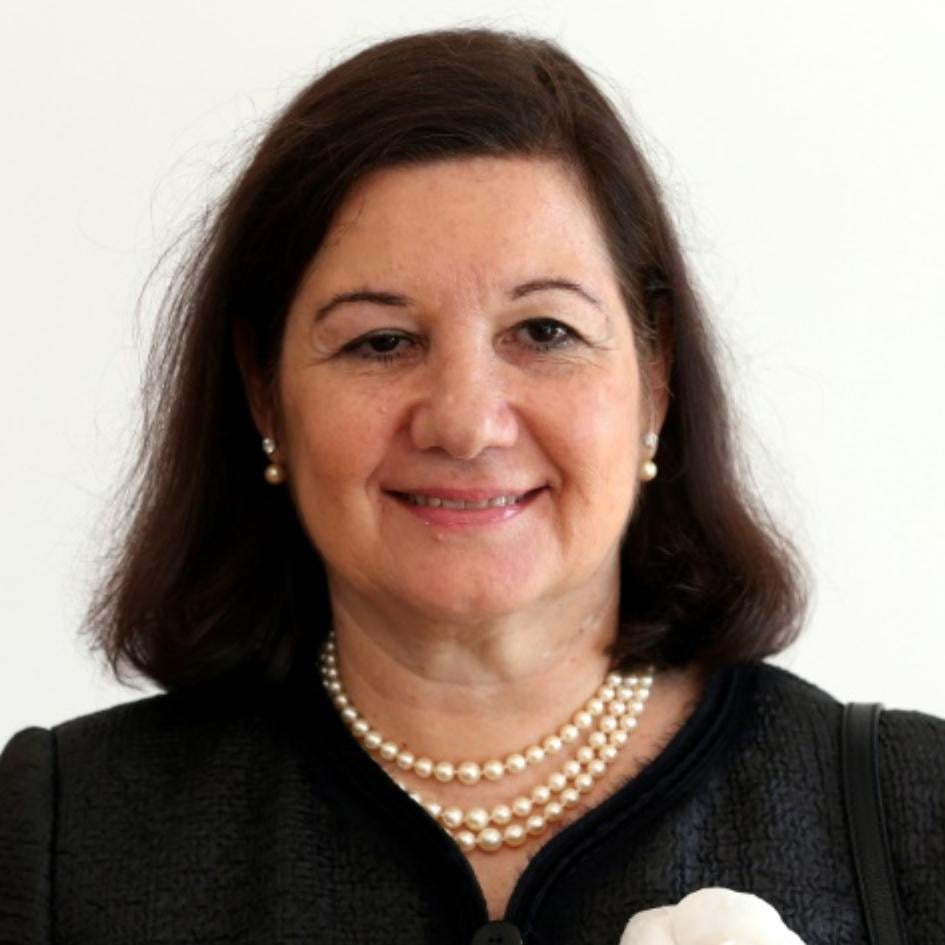
The U.S. Embassy in Brasília was vandalized on Thursday, August 13, 2026, with graffiti condemning the United States spray-painted on one wall as diplomatic tensions with Brazil deepened. The embassy called the incident “inaceitável” / “unacceptable”, said it had contacted local authorities, and confirmed that consular operations were continuing normally. On August 4, 2026, the Trump administration also revoked the visa of Brazil’s ambassador to the United States, Maria Luiza Ribeiro Viotti.
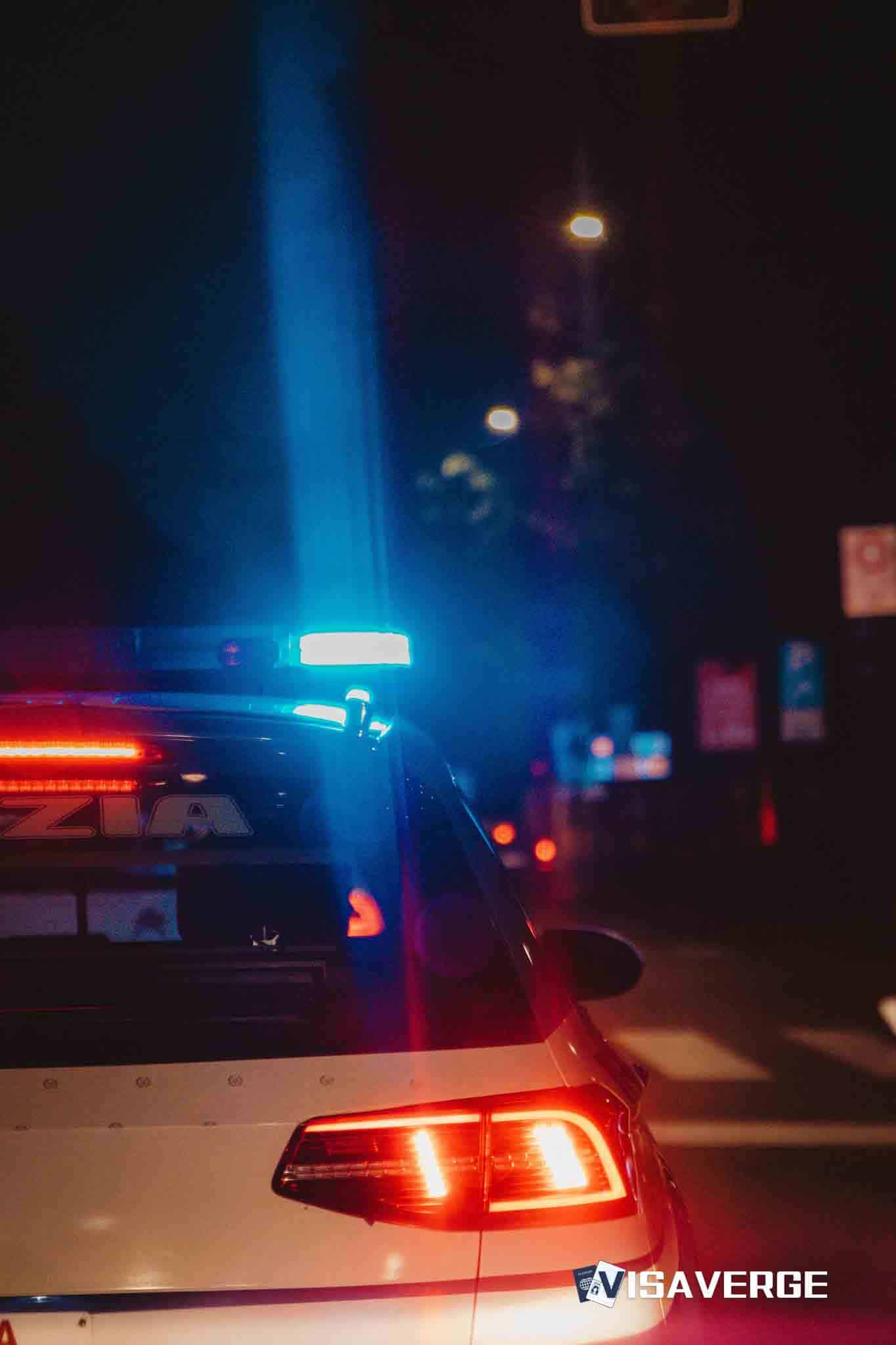
- Police detained one man in connection with the vandalism and later released him, while the embassy’s wall was defaced in Brasília with the message “The USA makes war and profits from death”.
- The U.S. Embassy said the graffiti on its premises was “unacceptable”, that authorities had been contacted, and that consular services were still operating normally.
- The broader rift escalated on August 4, 2026, when the United States revoked the visa of Maria Luiza Ribeiro Viotti after Brazil declined to approve the next U.S. ambassador to Brasília.
- Brazil denied visas to U.S. officials scheduled to visit Brasília for election-related discussions in July 2026.
- U.S. tariffs of up to 37.5% on Brazilian exports took effect the same day as the denial.
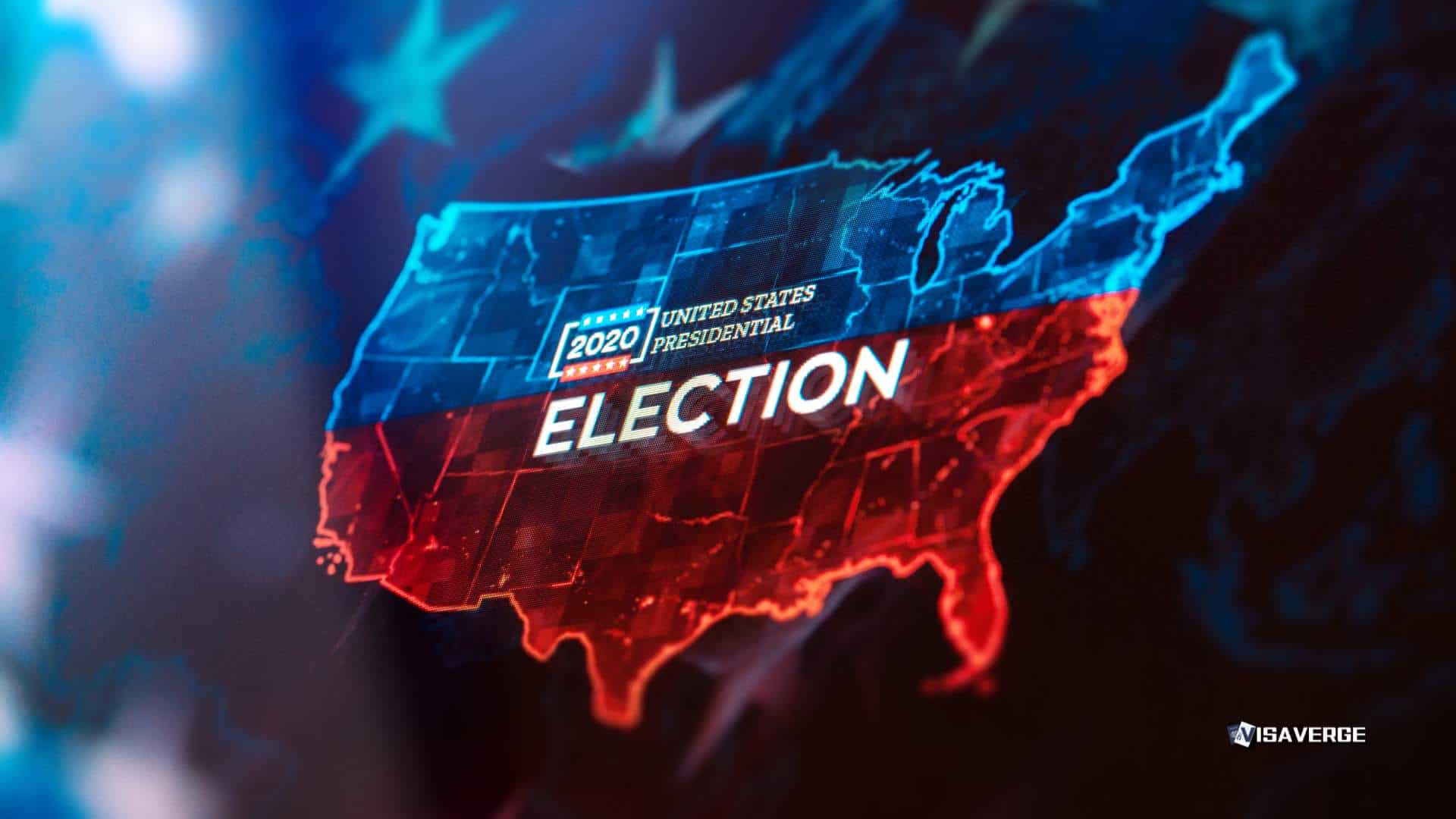
- The dispute centers on allegations of interfering with electoral integrity ahead of Brazil’s October 4 presidential election.
Brazil denied visas on Friday, July 24, 2026, to two U.S. State Department officials who planned to visit Brasília before the country’s October 4 presidential election, triggering a dispute over whether the delegation would examine election integrity or undermine confidence in the vote.
Assistant Secretary of State Riley M. Barnes and Deputy Assistant Secretary Samuel Samson had scheduled the trip for July 27–30. Their agenda included talks with local authorities about election integrity, religious freedom and freedom of expression.
The visit will not go ahead. Brazilian officials called the proposed mission an American “ploy” aimed at meeting electoral skeptics and producing a report that would delegitimize the country’s electronic voting system.
| India | China | ROW | |
|---|---|---|---|
| EB-1 | Feb 01, 2023 | Aug 01, 2023 ▲31d | Current |
| EB-2 | Nov 01, 2013 | Oct 01, 2021 | Apr 01, 2025 ▲90d |
| EB-3 | Jan 22, 2014 ▲21d | Jan 22, 2022 ▲14d | Jun 15, 2024 ▲31d |
| F-1 | Jan 22, 2021 ▲366d | Jan 22, 2021 ▲366d | Jan 22, 2021 ▲366d |
| F-2A | Oct 22, 2026 ▲30d | Oct 22, 2026 ▲30d | Oct 22, 2026 ▲30d |
Officials in Brasília described the mission as “completely incompatible with Brazilian democracy.” The State Department rejected that account the next day.
“Any insinuation of a 'ploy' to undermine a democratic nation's election is a baseless lie. This was a routine visit consistent with the Bureau of Democracy, Human Rights, and Labor statutory mandate.”
A State Department spokesperson issued the statement on July 25. Washington described the trip as routine and tied to the bureau’s statutory mandate, while Brazilian officials portrayed it as an effort to cast doubt on the country’s electoral institutions.
The rejected delegation was scheduled to discuss three issues
Barnes is Assistant Secretary of State for Democracy, Human Rights, and Labor. Samson is Deputy Assistant Secretary for the same bureau.
Their planned meetings covered three subjects. Election integrity stood alongside religious freedom and freedom of expression.
Brazilian sources alleged that the delegation’s actual objective was narrower and more political. They said the officials intended to meet electoral skeptics and prepare a report challenging the legitimacy of the vote.
The election has sharpened the disagreement. Incumbent Luiz Inácio Lula da Silva is set to face Senator Flávio Bolsonaro, a key ally of President Donald Trump and the son of former President Jair Bolsonaro.
The competing descriptions extend beyond the visit’s stated agenda. Brazilian officials have framed the dispute around national sovereignty and democratic self-government. Washington has framed it around the responsibilities of its democracy and human-rights bureau.
Tariffs took effect as the visa dispute erupted
The visa decision came on the same day a new round of U.S. tariffs on thousands of Brazilian exports officially took effect. The duties range from 25% to 37.5%.
The U.S. Trade Representative cited “unfair competition practices” and “forced labor” as the justification. Agriculture and manufacturing rank among the affected sectors.
| Measure | Detail |
|---|---|
| Tariff range | 25% to 37.5% |
| Effective date | July 24, 2026 |
| Affected goods | Thousands of Brazilian exports |
| Justification cited | “unfair competition practices” and “forced labor” |
The timing placed blocked diplomatic travel beside new economic penalties. The two governments were also confronting one another over electoral scrutiny and organized crime designations.
Washington designated PCC and CV as Foreign Terrorist Organizations
The Trump administration designated First Command Capital, known as PCC, and Red Command, known as CV, as Foreign Terrorist Organizations in May and June 2026. The administration identified them as the country’s two largest criminal organizations.
The designations followed a May visit to Washington by Senator Flávio Bolsonaro. The Lula administration condemned the action as “political interference.”
The FTO designations give U.S. authorities broader legal powers to freeze assets and prosecute individuals who provide material support to the groups. That authority adds a security dimension to the dispute over trade and the election mission.
The measures also connect the election dispute to the political relationship between Trump and Bolsonaro. Flávio Bolsonaro is running against Lula while serving as a key ally of the U.S. president.
Brazilian officials fear a report could fuel unrest
Brazilian authorities fear that a U.S.-sponsored report questioning the voting process could fuel domestic unrest similar to events that followed the 2022 Brazilian election.
The concern centers on the possible effect of an outside assessment during an active presidential campaign. A report that questioned the electoral system could become part of the country’s domestic argument over the vote’s legitimacy.
The dispute reflects a broader change in the relationship. The United States is increasingly scrutinizing the democratic processes of an ally, while the Brazilian government has rejected that scrutiny as interference in its internal political affairs.
The visa denial therefore removed more than two officials from a travel schedule. It also stopped planned meetings that would have placed U.S. officials directly in contact with Brazilian authorities and critics of the electoral process.
The October 4 vote now anchors the diplomatic dispute
The scheduled election remains the next major date in the confrontation. Lula and Senator Flávio Bolsonaro are the named contenders, while the trade measures and criminal-group designations continue to shape relations between their governments.
Barnes and Samson had been scheduled to arrive in Brasília before the vote. Their denied visas removed those meetings from the diplomatic calendar, but the disagreement over the purpose of the trip remains public.
The highest tariff rate is 37.5%, and the designations against PCC and CV provide U.S. authorities with additional tools against the groups. The election on October 4 will take place against that combined backdrop of trade pressure, security policy and competing claims about electoral integrity.
This article provides general information and is not legal advice. Consult a qualified immigration attorney about your specific case.