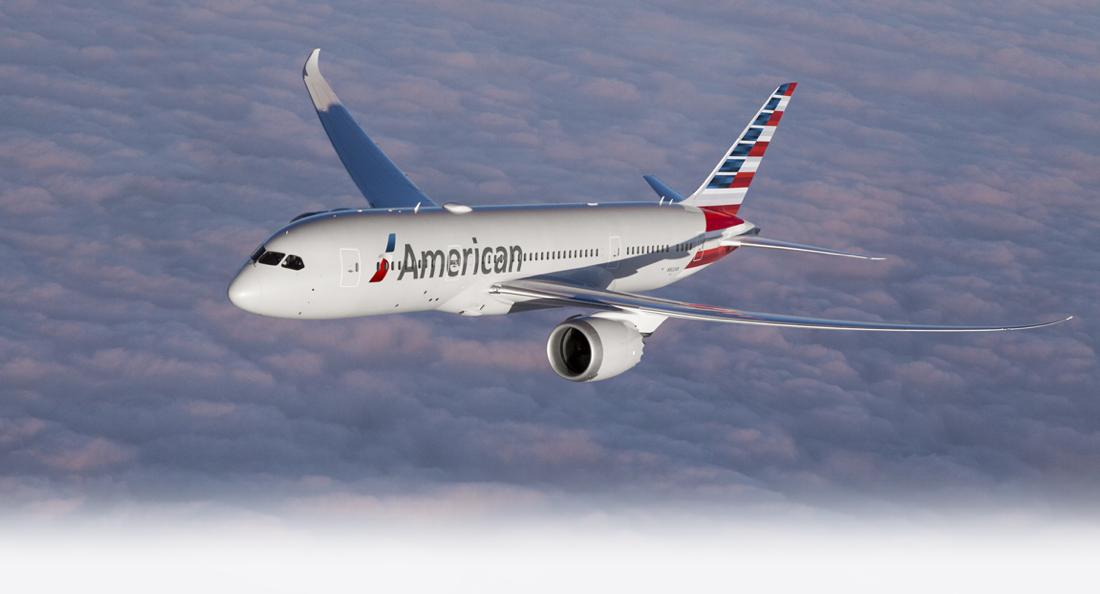
- A severe cold front diverted twenty-two aircraft to Colorado Springs due to extreme turbulence and wind.
- Medical teams treated five injured passengers on the tarmac, with one person requiring hospital admission.
- Denver International recorded eight hundred fifty-three delays and forty-four cancellations during the weather event.
A cold front sent 22 Denver-bound aircraft to Colorado Springs on Monday, forcing emergency crews to treat five passengers after turbulent flights landed at Colorado Springs Airport. One passenger went to a hospital in stable condition.
The diversions came as aircraft approached Denver International Airport between about 4:40 p.m. and 8 p.m. MDT on August 3, 2026. The diverted group included 18 domestic and four international flights.
Free toolB1/B2 Tourist Visa Stay Calculator online
Colorado Springs Fire Department teams prepared on the ground before the aircraft arrived. Ashley Franco, a department spokesperson, said crews positioned medical units on the tarmac and at a gate so responders could reach passengers without driving between locations.
“We basically staged our medical teams at the airport, one on the tarmac and another at the gate as planes continued to divert so we did not have to drive back and forth as planes landed.”
Turbulence prompted medical evaluations for five passengers from five different aircraft. The hospitalized passenger remained stable, while local medical officials did not release that person’s identity.
The weather also disrupted the Denver airport far beyond the diverted aircraft. FlightAware recorded 853 delays and 44 cancellations there as gusty winds and shifting wind directions accompanied the advancing front.
Emergency crews met diverted aircraft on the tarmac
Colorado Springs responders placed medical personnel where the aircraft would arrive. Several travelers reported bumpy landings, nausea and injuries linked to the turbulence.
The response covered multiple aircraft arriving during a concentrated period. The first diverted plane landed at about 4:40 p.m., and the last arrived around 8 p.m.
Aidan Ryan, a spokesperson for the Colorado Springs airport, said the facility stayed open throughout the disruption and credited airport staff, airline partners, emergency responders and supporting agencies with coordinating the response.
“Colorado Springs Airport remained open and operational throughout the event. COS and CSFD appreciate the coordinated efforts of airport personnel, airline partners, emergency responders and supporting agencies.”
All 22 aircraft left the airport by 10 p.m. Monday. Passengers on some flights stayed aboard while crews waited for conditions in Denver to improve, and the aircraft then continued to their intended destinations or hubs.
The official airport figure counted 22 diversions. Other reports placed the number as high as 29 during the same afternoon disruption, but the confirmed breakdown was 18 domestic aircraft and four international aircraft.
United accounted for more than half of the confirmed diversions
United Airlines said 12 of its mainline jets were among the diverted aircraft. The airline said none of the injuries occurred specifically on its flights.
That placed United’s mainline operation at more than half of the confirmed diversions. Other carriers also had aircraft redirected south as pilots and controllers managed the changing conditions.
A Denver air traffic controller described the approaching traffic buildup in recorded audio:
“There are about 30 planes within 30 miles going straight into the airport that are not going to be landing.”
The controller’s warning captured the scale of the rerouting near Denver. Aircraft already close to the airport had to change course rather than continue toward their planned runways.
Winds near the Front Range changed the landing picture quickly
The approaching cold front produced wind gusts of up to 40 miles per hour and rapidly shifting directions near the surface. Stronger winds above ground level added to the conditions facing aircraft on approach.
Meteorologist Mary Gilbert said the combination created challenging conditions for pilots attempting to land in Denver. The airport’s position on the leeward side of the Rocky Mountains can also contribute to atmospheric instability.
Mountain flying frequently produces turbulence near Denver. Monday’s winds made the approach difficult enough for pilots and controllers to prioritize alternate airports farther south.
The Federal Aviation Administration said diversions can result from thunderstorms, very strong winds and low visibility. The pilot in command ultimately chooses where the aircraft will divert.
“Weather-related diversions can occur due to factors including thunderstorms, very strong winds, and low visibility. The pilot in command ultimately decides where to divert the aircraft.”
That decision can occur after an aircraft has already entered the region around its destination. The recorded controller communication indicated that planes within 30 miles of the airport were among those unable to land as planned.
The disruption ended Monday night, but the delay wave was broader
The diverted aircraft cleared Colorado Springs by 10 p.m. Monday. Operations at both airports had returned to normal by August 4, 2026.
The 853 delays and 44 cancellations at the Denver airport reflected the wider effect of the front, not only the 22 aircraft that landed at the alternate airport. Travelers affected by the disruption could face connecting-flight changes even after the weather itself moved through.
Passengers whose aircraft diverted remained subject to the operating decisions of their airlines and flight crews. Some continued onward after waiting aboard their planes, while others traveled to their intended hubs before completing their journeys.
The medical response ended without a reported fatality. One person remained hospitalized in stable condition Tuesday morning, and the other four passengers received evaluations without a reported hospital admission.
The combination of mountain turbulence, gusting winds and changing surface directions made Monday’s event a concentrated test of airport and airline coordination. The response teams were already positioned when the diverted aircraft began landing, and every confirmed diverted plane departed before the night ended.