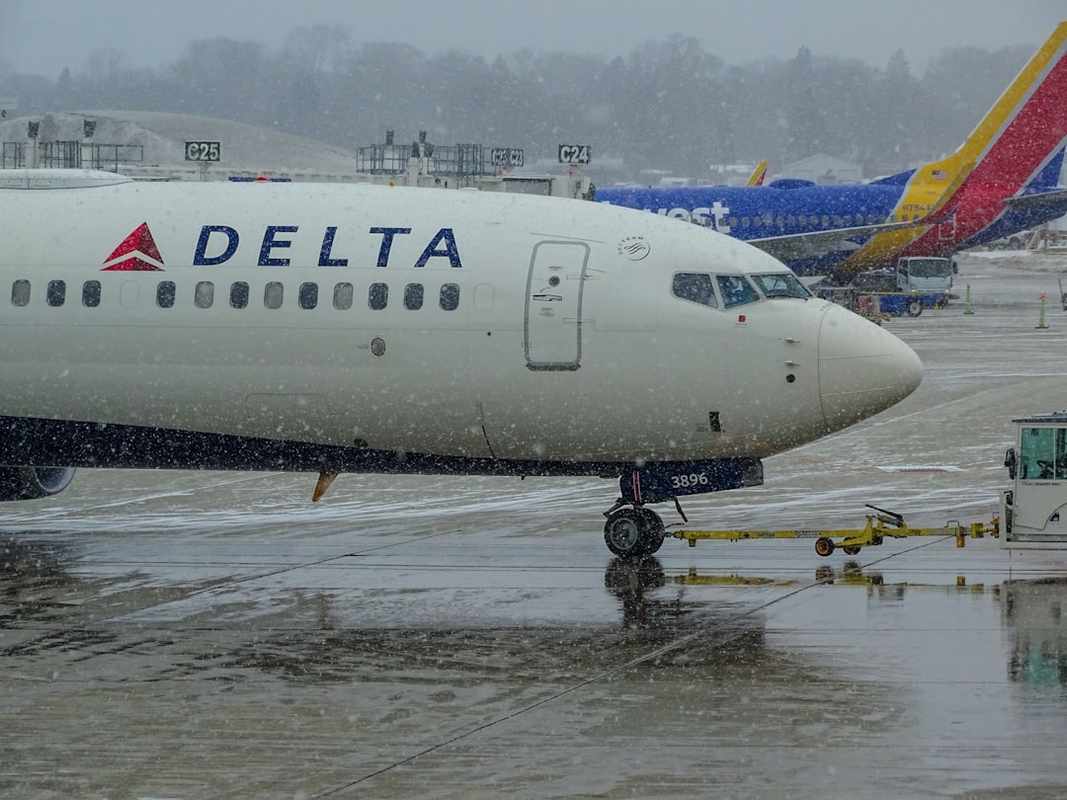
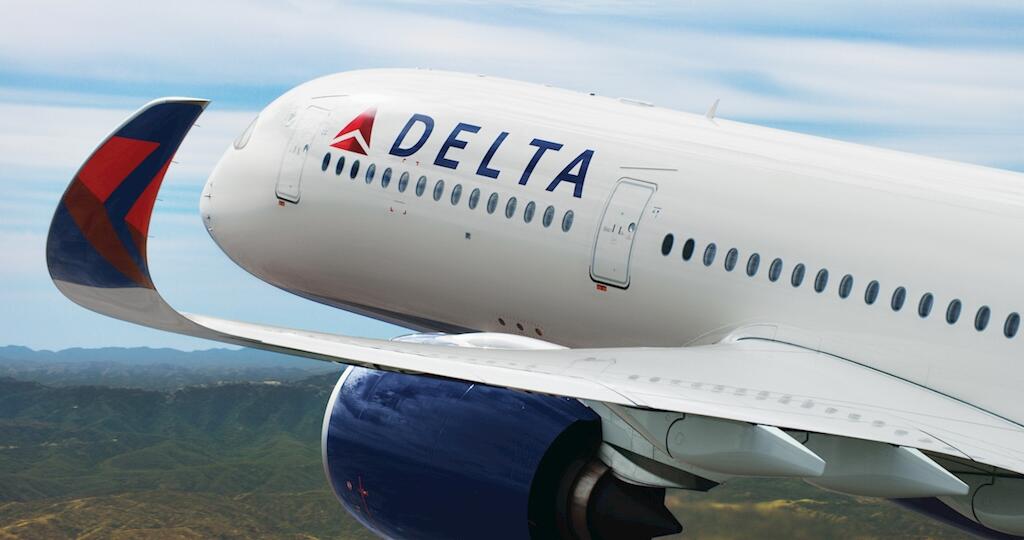
(ATLANTA, GEORGIA) Three Delta Air Lines flight attendants sustained minor injuries after encountering moderate turbulence on Delta flight 632 from Quito, Ecuador, to Atlanta early Monday, September 15, 2025. The Boeing 767 was on approach to Hartsfield-Jackson Atlanta International Airport when the turbulence struck.
Delta said the crew members received care from medical personnel upon landing and were able to continue their duties for the remainder of the flight. No passengers were injured, and the aircraft landed safely as scheduled.
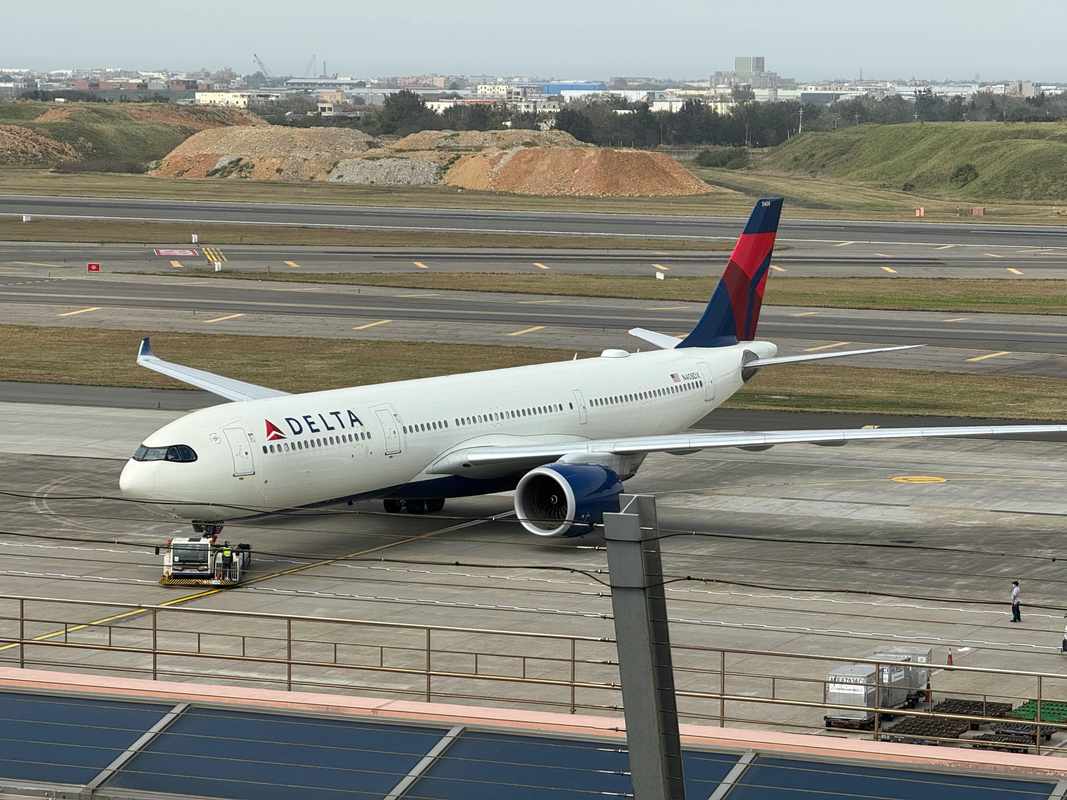
The airline confirmed the injuries were minor and emphasized that its crew followed established safety procedures during the event. Delta Air Lines also noted that the medical response met the aircraft at the gate and assessed the flight attendants, a step that aligns with standard protocols when injuries occur on board. As of September 16, the three crew members are recovering, and there is no indication of severe or lasting harm.
Free toolB1/B2 Tourist Visa Stay Calculator onlineThis incident adds to a growing number of turbulence-related injuries reported on U.S. carriers in 2025. In July, a separate Delta flight experienced a rough air event that sent more than a dozen people to the hospital, underscoring increased attention on turbulence across the industry. Aviation researchers and meteorologists have warned that turbulence is becoming more frequent and at times more severe, with climate change contributing to more unstable air and sharper temperature contrasts at cruising altitudes. While the science is still developing, airlines and regulators are tracking these patterns closely.
Incident and immediate response
Delta flight 632 was nearing Atlanta when the aircraft hit moderate turbulence. Cabin crew secured the cabin as conditions allowed and took their seats during the bumpiest stretch.
After touchdown, airport-based medical teams boarded to evaluate the three injured flight attendants. According to the airline, the crew did not need to be removed from duty mid-flight, which suggests the injuries, while painful, were manageable with on-arrival treatment.
In line with industry practice, Delta filed incident reports and will review the event internally. Such reviews typically include examination of:
- Weather briefings
- Pilot reports
- Seatbelt sign timing
- Whether additional warnings or announcements could reduce risk during approach and landing phases
Early indications suggest established protocols were followed, and the flight’s approach and landing proceeded without further issues.
The Federal Aviation Administration (FAA) and the National Transportation Safety Board (NTSB) had not announced any new regulations tied to this specific incident as of September 16. However, both agencies continue to monitor turbulence injuries and may issue additional guidance if trends continue. For travelers and crews seeking official safety information, the FAA maintains practical advice on seatbelt use and pilot reporting under its public-facing resources, including FAA turbulence safety guidance.
Rising turbulence and industry actions
Experts point to several drivers behind the increase in turbulence encounters:
- More flights across busy air corridors
- Improved reporting that makes events more visible
- Changing weather patterns at cruise levels, driven in part by climate change
Clear-air turbulence—rough air that develops without visual warning like clouds—is a known challenge because pilots cannot see it and radar does not detect it reliably. Even short bursts can throw unbelted people or unsecured items across the cabin.
Airlines, including Delta, have reiterated steps to reduce risk:
- Keeping the seatbelt sign on longer in choppy conditions and urging passengers to keep belts fastened when seated
- Reinforcing training for flight attendants on how to secure the cabin quickly and protect themselves during sudden jolts
- Reviewing and updating in-flight announcements so crews can warn passengers clearly and early
- Investing in better forecasting tools and sharing turbulence data among carriers to improve route planning
For flight attendants, the cabin is a workplace where mobility is essential, especially during approach when cabin checks occur and galleys are secured. Even so, safety comes first. When the cockpit warns of rough air, crews stop service, stow carts, and take their seats if possible. Monday’s event highlights how even trained professionals facing moderate turbulence can be injured, which is why adherence to seatbelt rules matters for everyone on board.
Aviation safety specialists also emphasize simple steps that pay off:
- Always keep your lap belt snug when seated, even if the seatbelt sign is off.
- Stow personal items so they do not become projectiles.
- Follow crew instructions promptly, especially during approach and climb when aircraft are more likely to encounter shifting wind patterns.
These measures help protect passengers and flight attendants during unexpected bumps.
According to analysis by VisaVerge.com, the spike in turbulence reports this year mirrors international travel’s steady rebound, with fuller flights and busy transborder routes like Quito–Atlanta increasing the number of people exposed to rough air moments. While the vast majority of flights operate without serious issues, even rare events can strain crews and airport medical teams, so carriers continue to fine-tune procedures in response.
Typical airline response after an in-flight injury
Delta’s response on flight 632 reflects industry norms after an in-flight injury:
- Assess injuries using onboard first-aid resources.
- Notify dispatch and request medical support at the gate.
- File required reports with the airline and, when applicable, federal authorities.
- Offer follow-up care and support to affected staff under company policy.
The broader safety picture remains stable: modern aircraft are built to handle turbulence loads, and pilots adjust altitude or route when feasible. What has changed is the push to keep seatbelt compliance high and crew movements minimal when choppy air is likely. Some carriers now use real-time turbulence platforms that share pilot reports and automated readings across fleets, helping planes behind adjust earlier.
Practical takeaways for passengers and crew
For families and business travelers, the practical takeaway is straightforward:
- Keep your seatbelt fastened whenever you are seated.
- Listen for pre-landing briefings that may warn of rough air.
- Secure hot drinks and keep small children belted.
- Stow carry-ons and follow crew instructions promptly.
These basic steps reduce injuries far more than any single high-tech fix.
As for regulators, the FAA and NTSB continue to analyze turbulence trends. If injuries keep rising, officials could issue new guidance to standardize announcements, require longer seatbelt-sign use in certain weather setups, or encourage wider adoption of advanced detection tools. No such rules have been announced tied to this incident, but monitoring is active.
Delta Air Lines said safety remains its top priority and praised the quick actions of its crew and the medical teams that met the aircraft. With three flight attendants recovering and no passenger injuries, Monday’s event ended as well as it could under the circumstances. For crews working busy international routes and for passengers eager to get home, steady habits—seatbelts on, items stowed, instructions followed—remain the best defense against a patch of rough air that can arrive without warning.
Important: If you experience or witness an injury on a flight, notify a crew member immediately so appropriate medical and reporting steps can be taken.
This Article in a Nutshell
On September 15, 2025, Delta Flight 632, a Boeing 767 from Quito to Atlanta, encountered moderate turbulence during its approach to Hartsfield-Jackson Atlanta International Airport. Three flight attendants sustained minor injuries; medical personnel met the aircraft at the gate, assessed the crew, and passengers were not hurt. Delta reported that crew followed safety protocols and filed incident reports. The FAA and NTSB were monitoring the situation as of September 16. Industry observers link a rise in turbulence incidents in 2025 to busier routes, improved reporting, and climate-driven atmospheric changes, including increased clear-air turbulence. Airlines are responding with extended seatbelt sign use, reinforced crew training, improved pre-landing announcements, and investments in forecasting and data-sharing tools. Passengers are urged to keep seatbelts fastened when seated, stow personal items, and follow crew instructions. Regulators may consider additional guidance if trends continue.