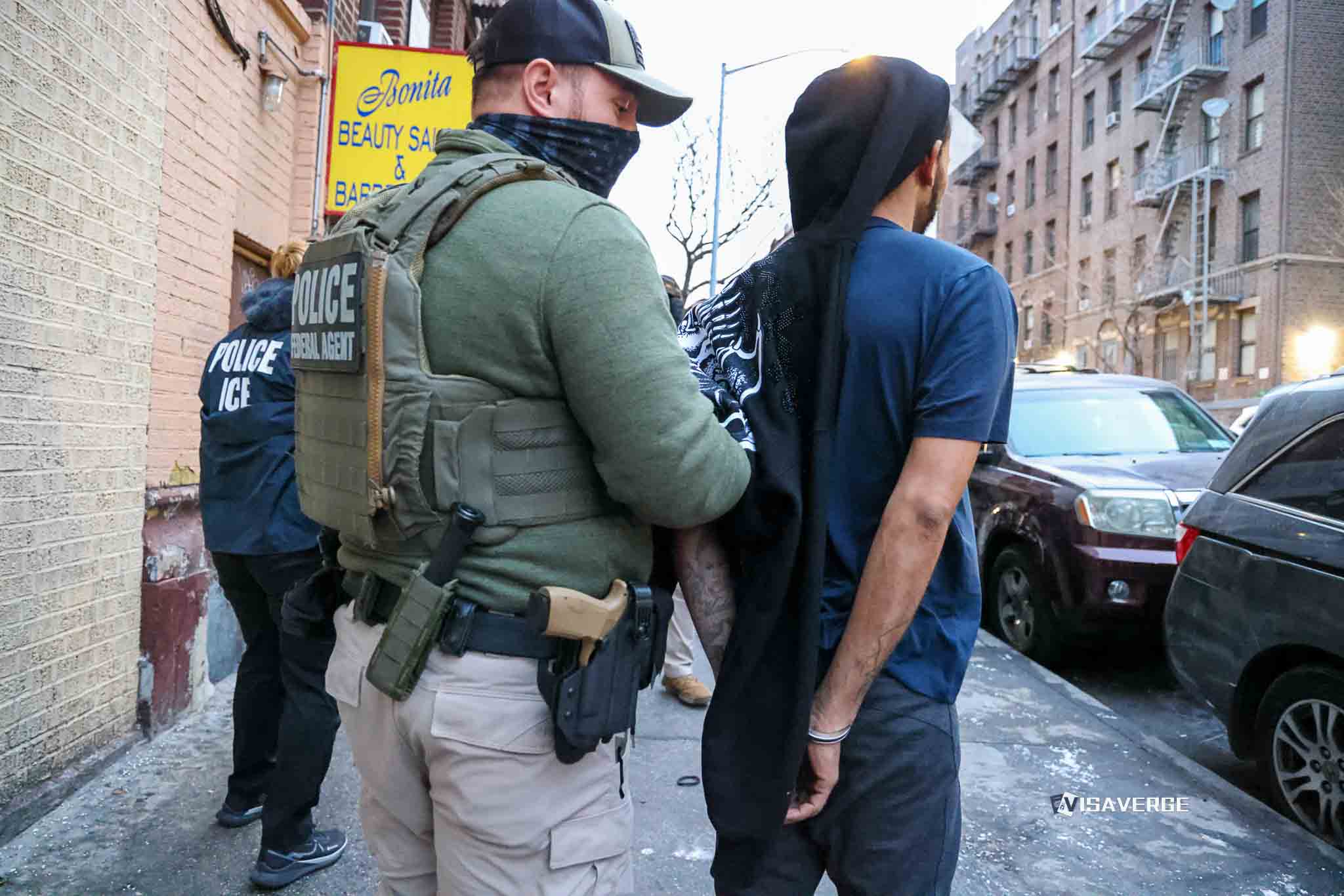
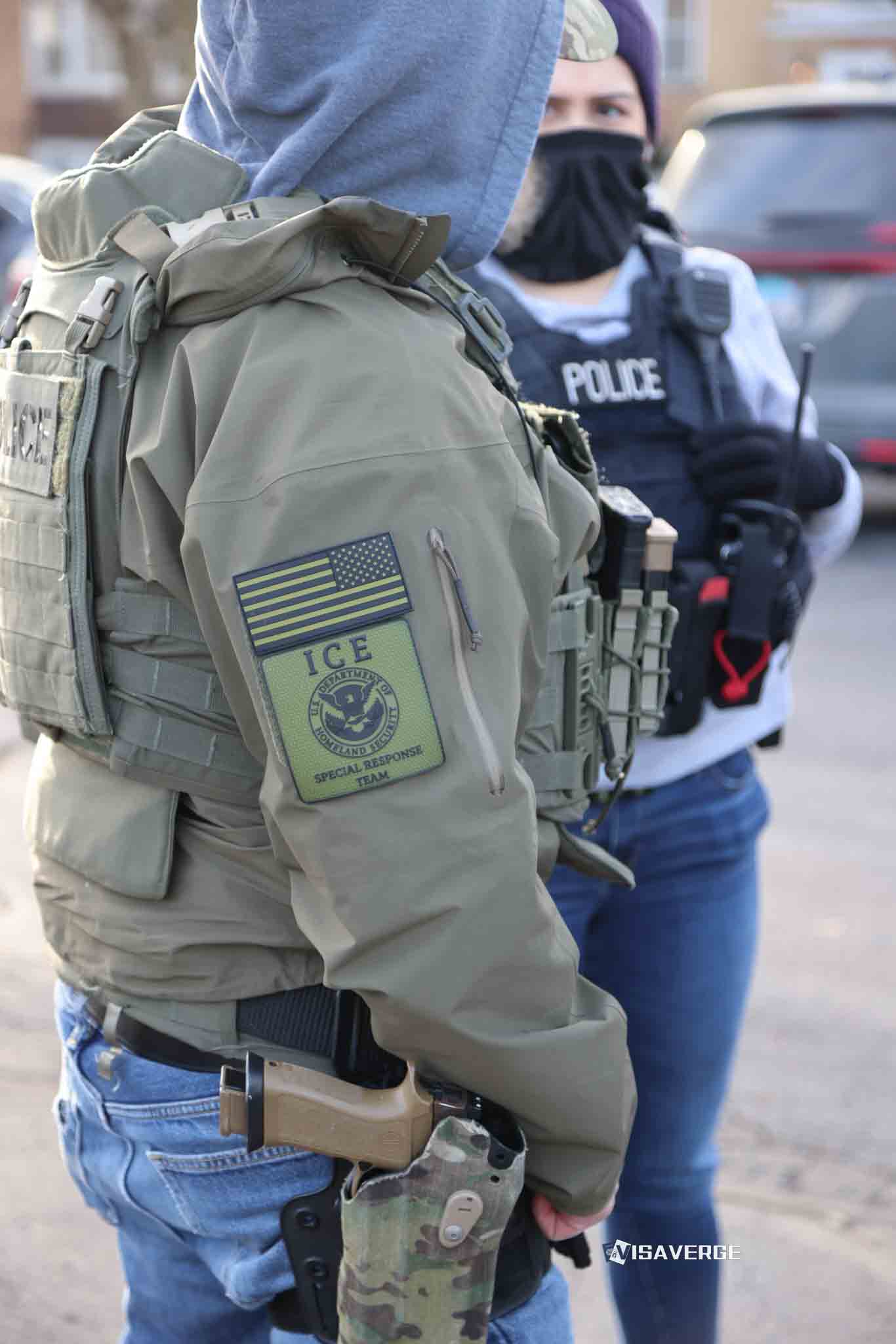
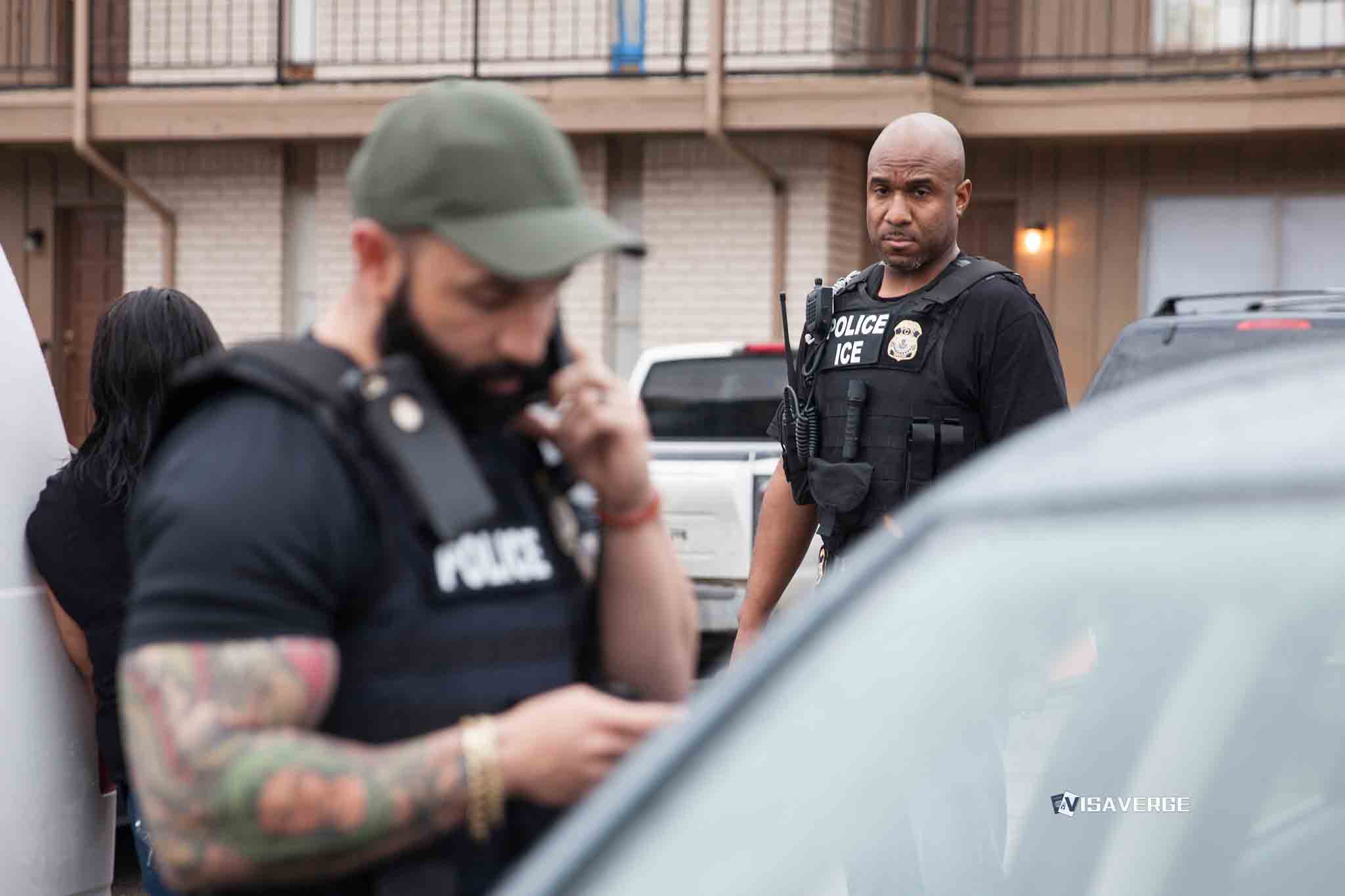
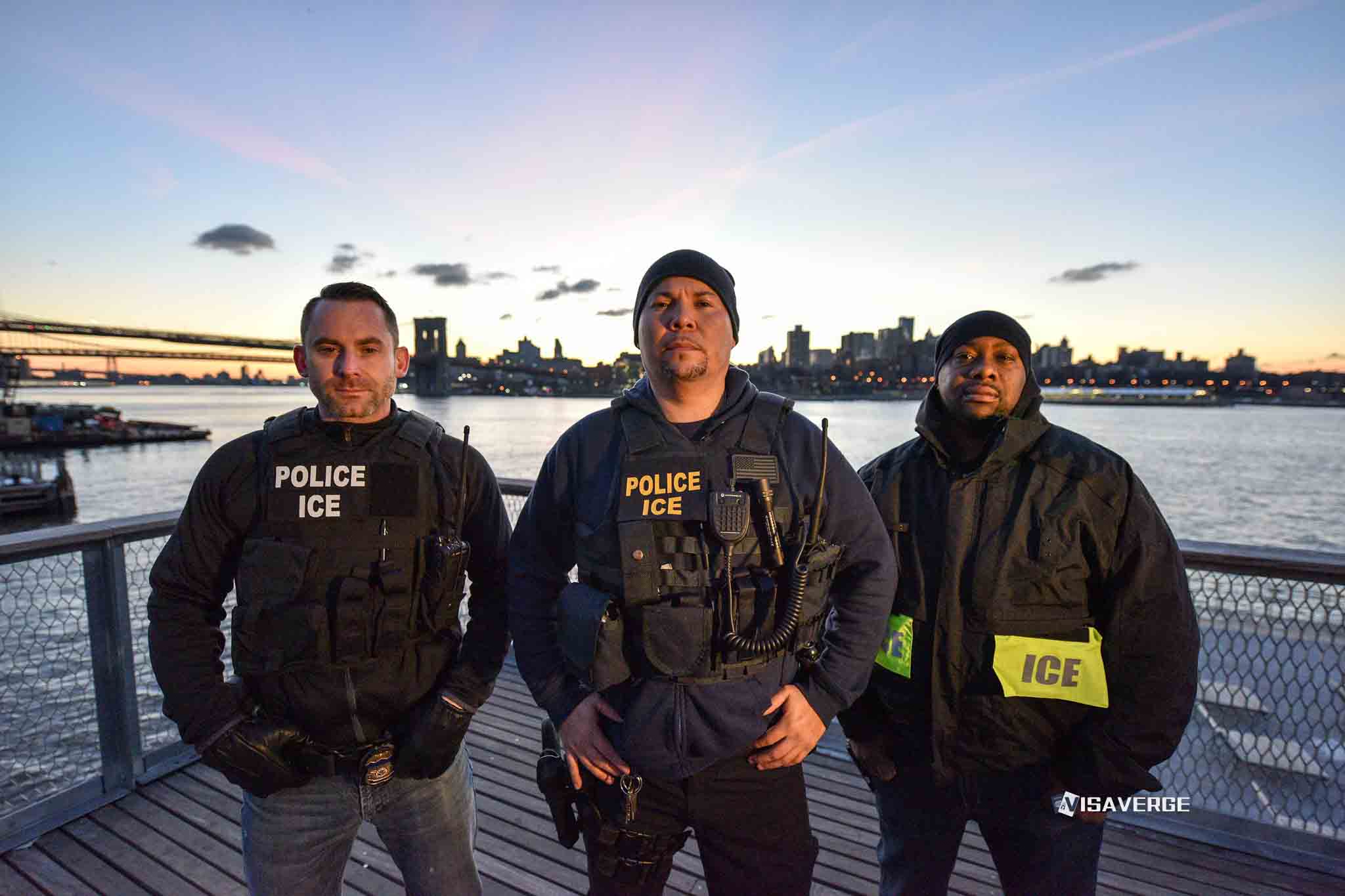
ICE arrested 50,000 people in August 2026, keeping its nationwide enforcement campaign at a record-level pace and roughly matching July’s total. The surge also continued into new settings, with arrests reported at airports, courthouses, and immigration check-ins as the agency broadened tactics beyond earlier city-focused operations.
- ICE’s August total was reported at roughly 50,000 arrests, with final figures still pending as of September 1, 2026.
- ICE’s July 2026 arrest total was 49,571, described as the highest monthly total of the second Trump administration.
- The Department of Homeland Security said ICE was making about 20 to 40 arrests per day at airports targeting passengers with expired visas.
- Acting Director David Venturella said the agency would finish equipping every field officer and agent with body-worn cameras by the end of August, and Tom Homan said officers will be required to record vehicle stops with at least one body camera.
- ICE set a new historical record by arresting 51,000 individuals during the month of July twenty twenty-six.
- Enforcement shifted to airports and traffic stops using intelligence-driven tactics to minimize public visibility and disruption.
- The detention population reached sixty-eight thousand, approaching the all-time peak of seventy thousand set earlier this year.
ICE arrested 51K individuals in July, setting the highest monthly total in DHS history. The arrests marked a sharp increase in the administration’s immigration enforcement campaign.
Free toolUSCIS Receipt Number DecoderThe July total reached approximately 51,000, according to data from the Department of Homeland Security and U.S. Immigration and Customs Enforcement. The agency averaged 1,645 arrests per day.
June had held the previous monthly record, at roughly 43,000 arrests. The July figure surpassed it by about 8,000.
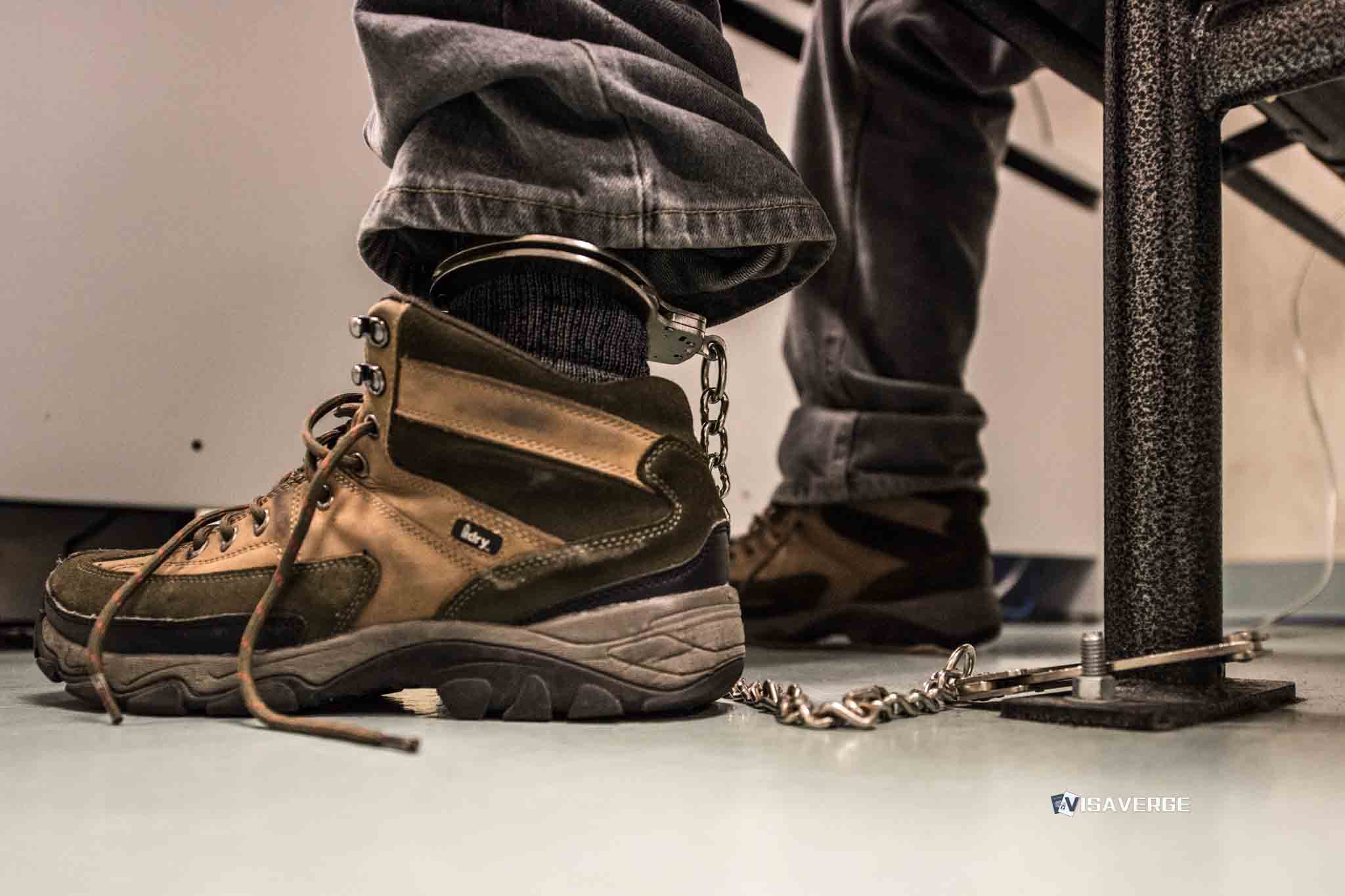
ICE detention also expanded. About 68,000 people were held in custody in early August, approaching the all-time record of 70,000 set in January 2026.
Assistant Secretary Lauren Bis described the enforcement drive as a public-safety operation. In a statement released July 30, she said the administration’s approach was reducing crime by removing people it characterized as criminal unauthorized immigrants.
"Under the leadership of President Trump, crime rates across the country have plummeted to historic lows. It is common sense. When you remove criminal illegal aliens from the country, crime rates plummet."
Bis also said in a July 22 statement that nearly 70% of ICE arrests involved people charged or convicted of a crime in the United States.
ICE shifted arrests toward airports, check-in offices and traffic stops
The July campaign relied on less visible, high-volume operations rather than the large raids associated with 2025. Officials described the tactics as intelligence-driven, with more cooperation between ICE and the Transportation Security Administration at transit hubs.
Airports, immigration check-in offices and traffic stops became key arrest locations. Homeland Security Secretary Markwayne Mullin, who took office in early 2026, has promoted a “quieter” enforcement strategy designed to carry out the administration’s promise of a massive deportation operation while reducing public disruption.
White House Border Czar Tom Homan said July 19 that officers would face a new recording requirement during vehicle stops.
"ICE will require its officers to record vehicle stops with at least one body camera."
Two campaigns helped drive the monthly total
The ongoing “Worst of the Worst,” or WOW, campaign focused on people with convictions for violent crimes. The listed offenses include homicide, sexual assault and human trafficking.
A separate operation ran during the 2026 FIFA World Cup in July. ICE’s Homeland Security Investigations arrested 905 suspects and rescued 180 victims in the nationwide human-trafficking crackdown known as Operation Red Card.
The administration has framed the campaigns around dangerous offenders. The detention population, however, includes people whose cases do not fit that description.
Officials face scrutiny over arrests and vehicle stops
Some estimates say as many as 70% of people in ICE detention have no criminal convictions. Those estimates also include people who held valid work authorization or parole documents when officers arrested them.
The enforcement increase followed two fatal shootings by federal agents during traffic stops in Texas and Maine in July. Officials briefly imposed a moratorium on vehicle stops after the incidents, then overturned it within 24 hours.
Federal judges and sanctuary jurisdictions have also increased resistance to the administration’s policies. Some judges have ruled against mandatory detention requirements.
The DHS newsroom, ICE newsroom and ICE’s Enforcement and Removal Operations statistics page provide the agencies’ public records and announcements. The government also maintains the official Worst of the Worst database.