Gov. Ferguson Says ICE Agents May Have Violated Washington’s Masking Law
On November 21, 2026, ICE officers arrested two people on a Seattle-Tacoma jet bridge as they boarded an Alaska Airlines flight, and Gov. Bob Ferguson said the agents may have violated Washington's face-covering law.
At a glance
- ICE arrested two people on a Sea-Tac jet bridge on November 21, 2026.
- Washington's face-covering law has applied to covered officers since March 19, 2026.
- Whether an exception applies depends on the circumstances; Ferguson says the agents violated the law.
Reviewed November 23, 2026 Checked against app.leg.wa.gov, lawfilesext.leg.wa.gov and ICE
On November 21, 2026, U.S. Immigration and Customs Enforcement (ICE), the federal agency that enforces immigration laws, arrested two people on the jet bridge at Seattle-Tacoma International Airport as they boarded Alaska Airlines Flight 1306 to Los Angeles. The operation disrupted boarding and delayed the flight.
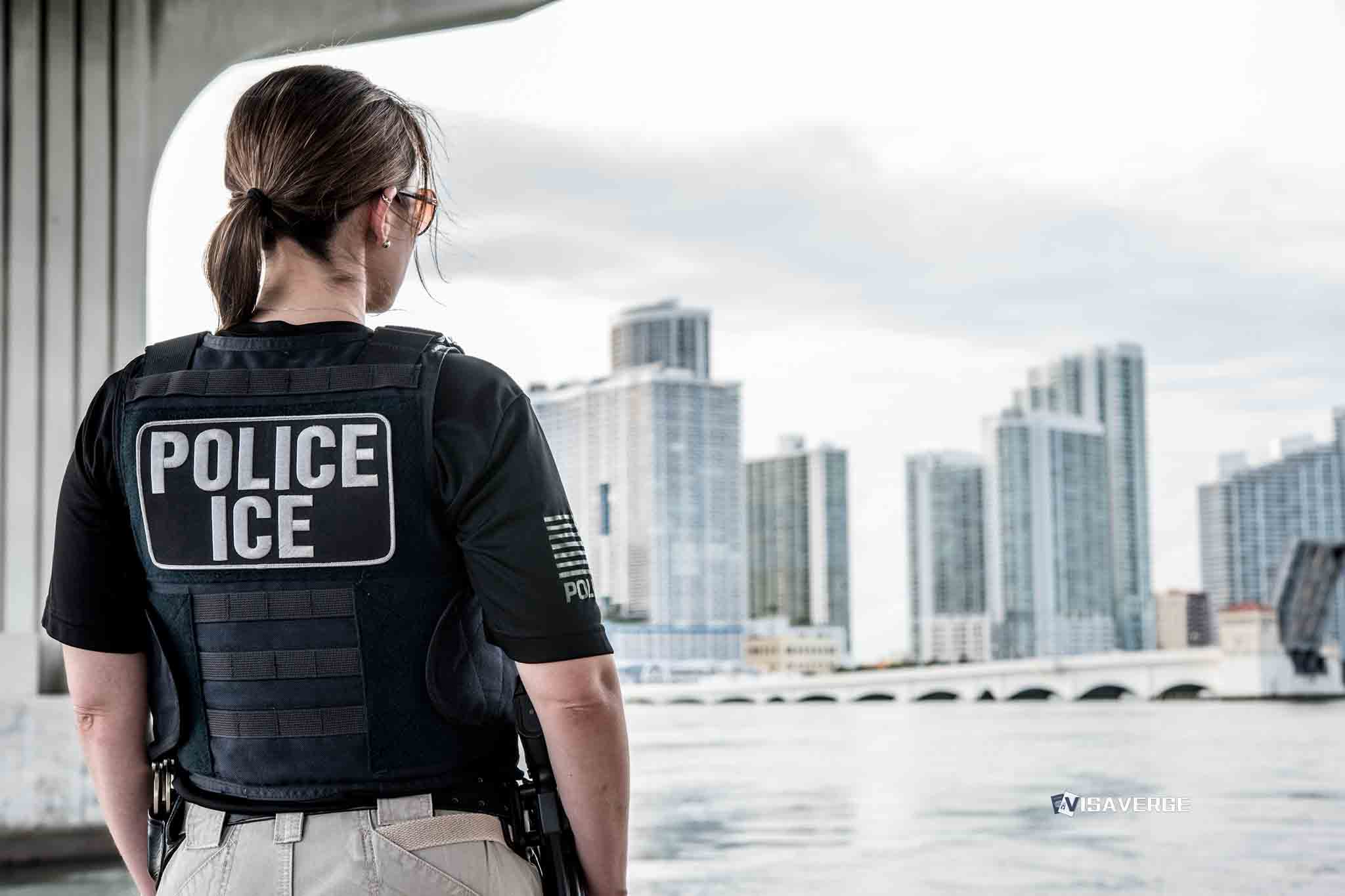
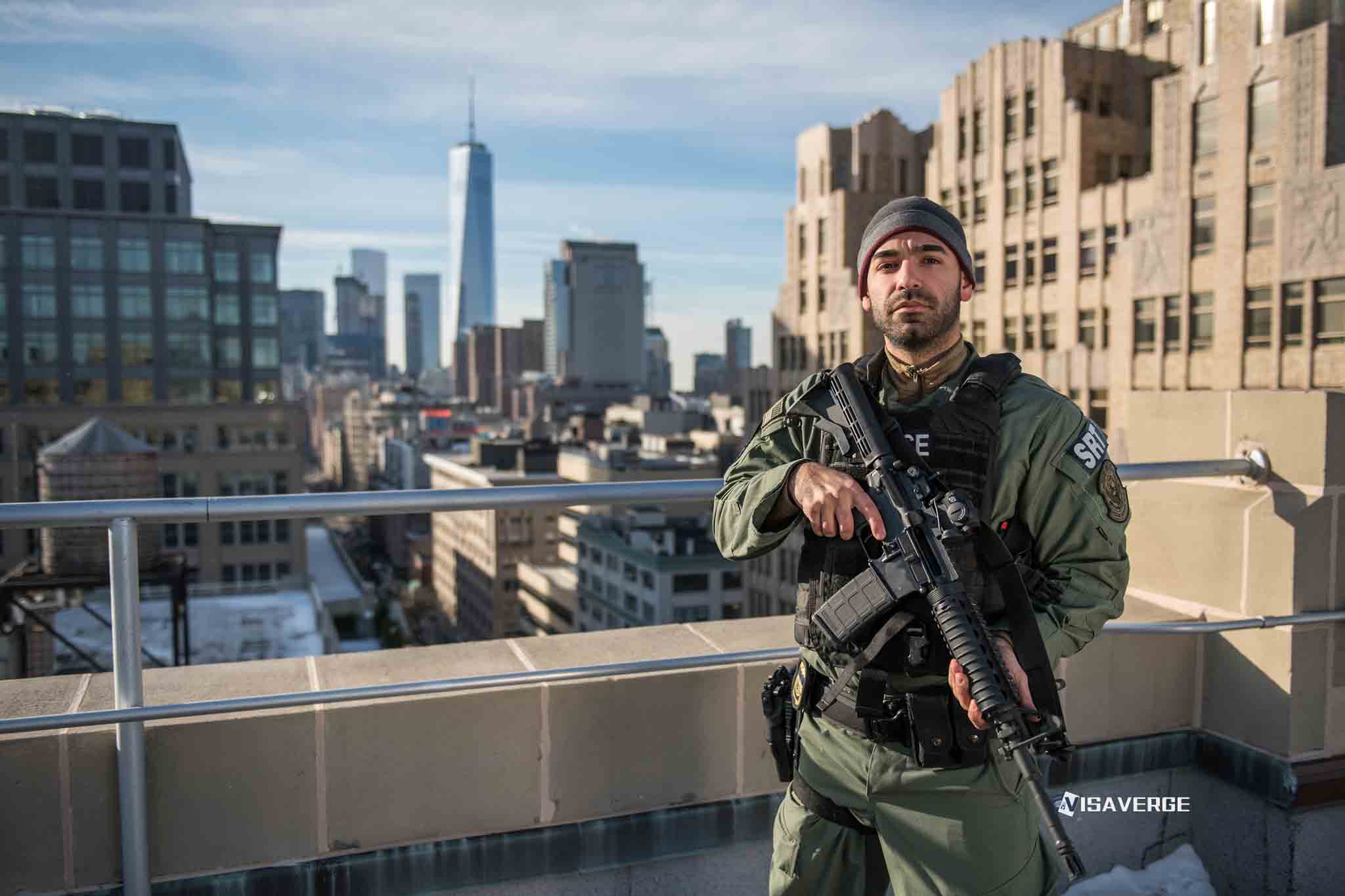
Washington’s law restricting covered officers’ use of face coverings has been in force since March 19, 2026, and includes qualifying federal officers. Gov. Bob Ferguson said he believed the agents violated it. Ferguson condemned their conduct and described video of the arrests as horrific and chilling; Seattle Mayor Katie Wilson called the tactics shown in the video unacceptable and un-American.
What ICE said about the arrests
ICE said the operation began at approximately 8:05 a.m. Pacific time and targeted Ricardo Larrondo Mendoza, whom the agency described as a Mexican national who overstayed his visa. ICE said it arrested Sofia Hernandez Mejia after alleging she threw hot coffee at officers. The agency described her as a Mexican national who had also overstayed her visa and said she would be charged with assaulting a federal officer.
ICE also said other travelers obstructed and assaulted its officers. Those are the agency’s statements about the arrests.
Who Washington’s face-covering law covers
Washington’s law on law-enforcement officers’ use of face coverings, RCW 10.116.052, bars a covered officer from wearing a facial covering while interacting with the public in the performance of the officer’s duties. The law’s definition of a law-enforcement officer includes a U.S. government employee or agent authorized to carry firearms and make warrantless arrests whose duties involve enforcing U.S. criminal, customs or immigration laws.
The law defines a facial covering as an opaque mask, garment or other item that conceals or obscures a person’s facial identity. It excludes:
- A translucent shield or clear mask that does not conceal facial identity.
- An N95 medical or surgical mask used to protect against disease or infection, or another mask or device needed to protect against toxins, gas, smoke or other hazardous environmental conditions.
- A helmet used to protect the head while travelling on a bicycle, wheeled all-terrain vehicle, snowmobile, helicopter or another vehicle for which a helmet may be used.
- A head or face covering worn for religious purposes.
The prohibition has exceptions for an officer working as an undercover operative during an active undercover operation; protective gear necessary for special weapons and tactics team duties; and personal protective equipment required or authorized under the federal Occupational Safety and Health Act or chapter 49.17 RCW. An active undercover operation must be a planned act authorized by supervising agents, an agency or a court warrant. It uses an undercover operative to intentionally interact with a suspected criminal violator or others, or to obtain evidence of criminal activity. An undercover operative is an officer using an assumed name or cover identity to interact with people or organizations outside law enforcement to collect evidence of criminal activity.
Ferguson said state officials were investigating how the agents accessed the jet bridge. Whether an exception to the face-covering prohibition applies depends on the circumstances.
What the law allows after a detention
A person detained in violation of the statute may bring a civil action for damages against the officer in the officer’s official capacity. The law says an officer is not liable if, at the time of detention, the officer complied with the requirement that a peace officer be reasonably identifiable by a clearly displayed name or other information on the uniform that the public can see and the agency can use to identify the officer.
A claimant who prevails may recover, upon request, compensatory damages, punitive damages, costs and reasonable attorney fees, injunctive relief, or other relief the court considers appropriate.
What the Port said about airport access and protocols
The Port of Seattle said immigration enforcement actions at Sea-Tac are conducted without the Port’s participation or knowledge. Port Commissioner Hamdi Mohamed said federal agents have access throughout the airport using federal badges, giving them access different from airport employees. Mohamed said the Port is not warned in advance about ICE enforcement and that she had requested advance notice.
The Port said it had repeatedly asked for airport protocols, and that local federal immigration authorities had previously agreed to protocols. It described the incident as distressing for the affected family and nearby passengers, and said Port officials continued engaging federal officials to understand what occurred.
What ICE says about warrants
ICE says its officers do not need judicial warrants to make arrests and may arrest people they believe are unlawfully present in the United States. The agency identifies Form I-200 as a civil administrative warrant authorizing the arrest of people suspected of violating immigration law. It identifies Form I-205 as a warrant authorizing the removal of people with final removal orders.
ICE says trained, authorized immigration officers may issue both forms without a judge, and that ICE issues an I-205 only after an immigration judge issues an executable removal order. The agency’s immigration enforcement frequently asked questions explain its position.
What happens next
The Port said it was speaking with the U.S. Department of Homeland Security (DHS), the federal department responsible for immigration enforcement, about whether previously agreed Sea-Tac protocols were breached.
Keep reading
More in Airlines →

What to do now
- People detained by federal immigration officers in Washington: Bring a civil action for damages against the officer in the officer’s official capacity if detained in violation of the statute.
Who this affects
Sources
Primary documents and official agency releases referenced in this story.