- Tampa and Des Moines are the first to privatize staffing and technology through the TSA Gold+ model.
- The shift aims to increase operational resilience during federal funding disruptions and government shutdowns.
- Private contractors will manage staff and gear while TSA maintains security oversight and regulatory authority.
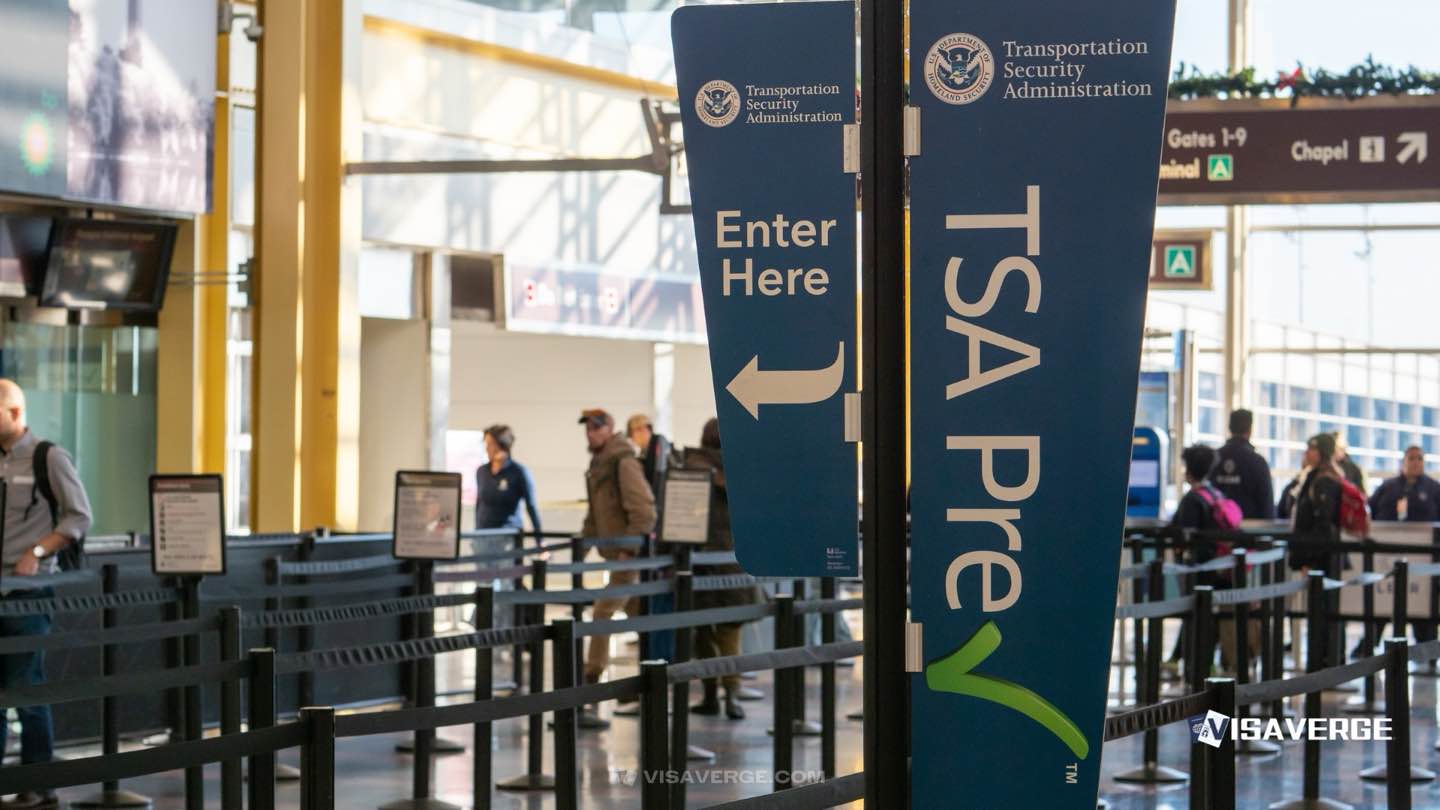
Tampa International Airport and Des Moines International Airport have become the first U.S. airports to join the TSA’s Gold+ privatization model, shifting management of screening staff and checkpoint technology to private contractors while keeping federal security oversight in place.
The airports opted into the expanded framework as the Transportation Security Administration prepares to receive vendor proposals by July 31, 2026. Contracts are projected to begin around September 28, 2026.

Tampa has set May 31, 2027, as its target for completing the operational transition. Des Moines will also move forward under the new structure, although the material does not provide a separate full-transition date.
Passengers will not buy or enroll in Gold+. It is an airport operating model, not a traveler program like TSA PreCheck or CLEAR.
Adam Stahl, the Senior Official Performing the Duties of TSA Deputy Administrator, outlined the change during a July 20, 2026, town hall with airport employees. He said the program would give airports more control over local operations while preserving federal requirements.
“TSA Gold+ enables airports to both tailor operations to their unique needs and accelerate innovation, all while ensuring robust security standards.”
The TSA’s official Gold+ program page describes the initiative as an effort to “pair the Screening Partnership Program (SPP) with TSA's innovation authorities to enable cutting-edge aviation security solutions.”
Private contractors will manage people and technology
Gold+ expands on the existing Screening Partnership Program, or SPP. Under the traditional program, private companies staff airport checkpoints, but TSA manages the screening equipment.
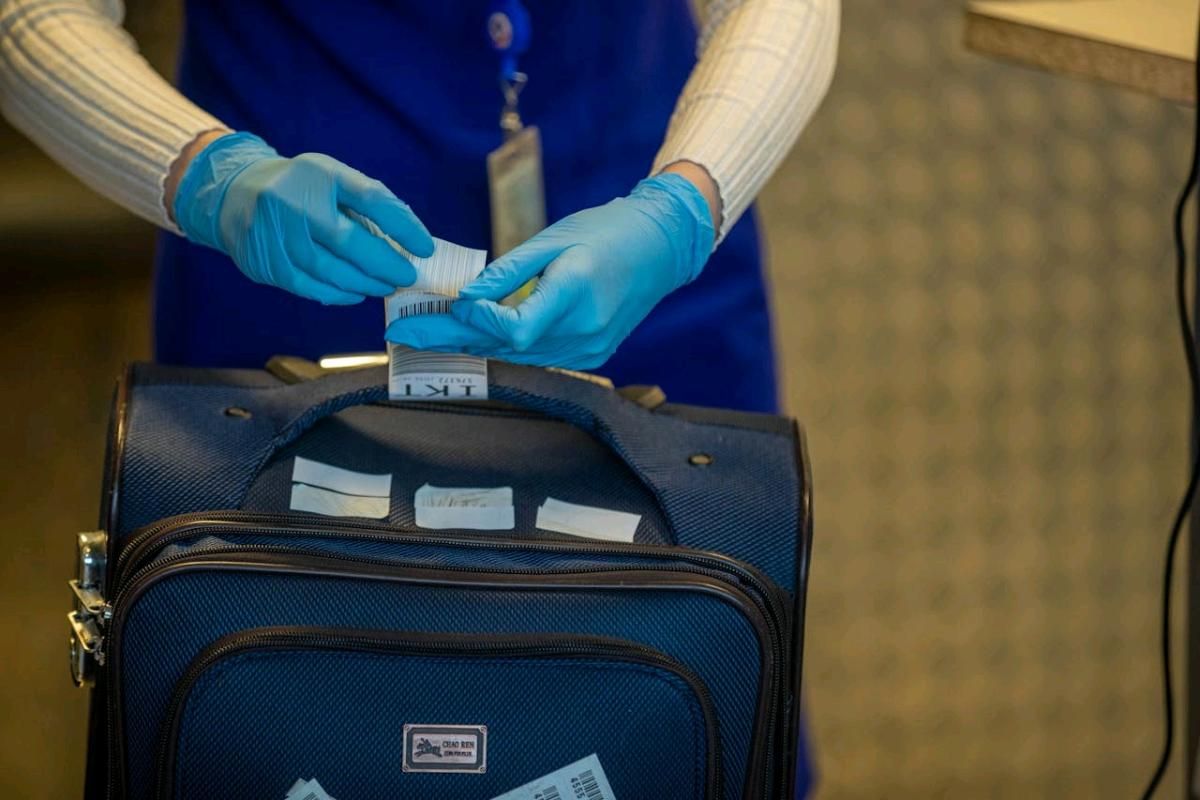
The new model combines both functions. Private contractors will manage the screening workforce and the technology stack, while TSA retains regulatory authority over the checkpoints.
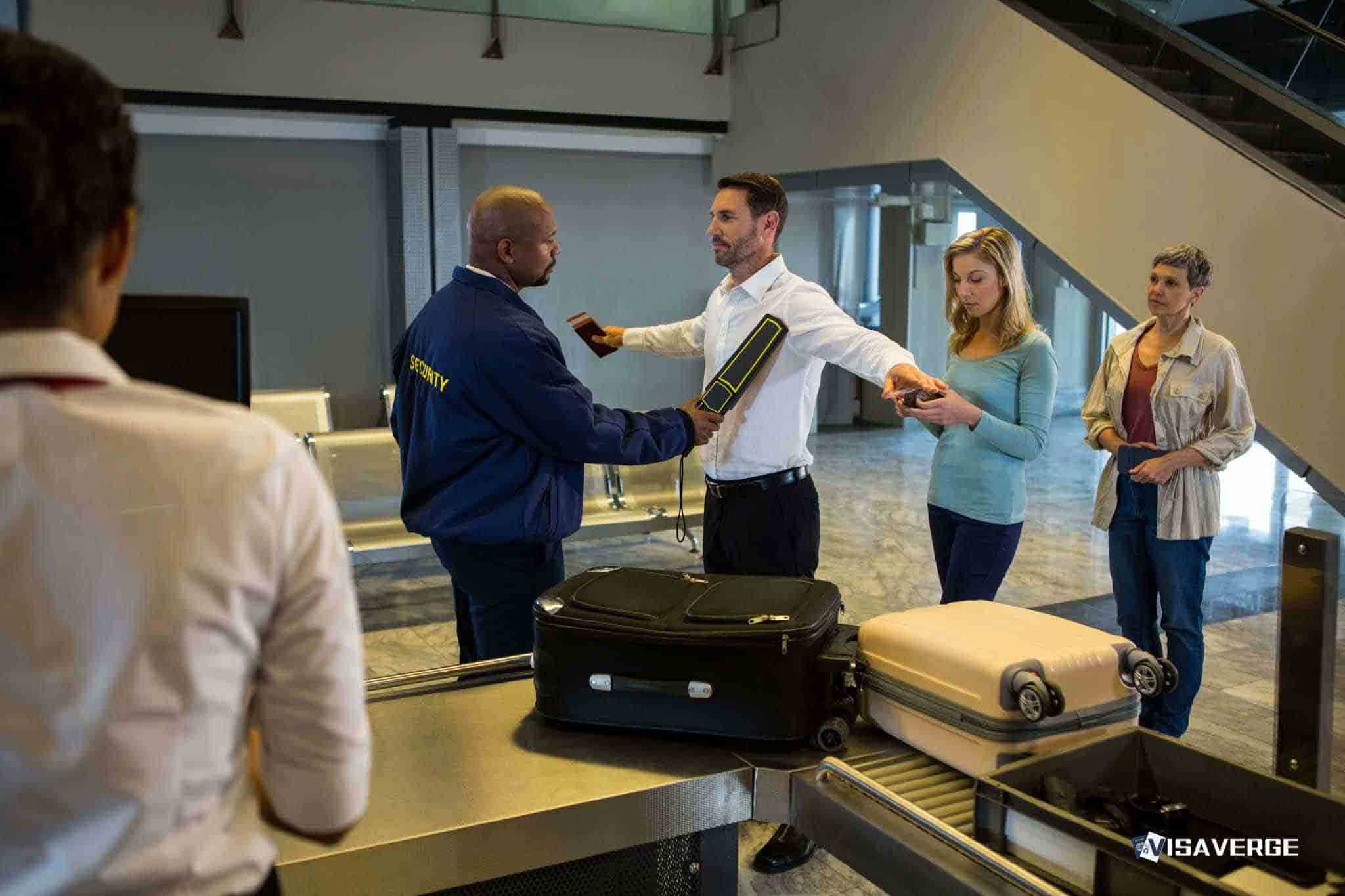
Federal standards still apply. Travelers will continue following the same rules for identification, liquids and PreCheck privileges, regardless of which company operates a checkpoint.
The arrangement could eventually bring technologies such as E-Gates and image-on-alarm-only screening to participating airports. Those tools are part of the private-sector innovation effort described for Gold+.
Tampa airport officials said the decision would provide more flexibility during funding disruptions and in designing checkpoint upgrades.
“TPA's decision to join TSA Gold+ reflects the Airport's strong commitment to modernization, innovation, and operational resilience in aviation security. The change to privatization not only reduces disruption risks caused by lapses in federal appropriations or government shutdowns but also allows greater flexibility in exploring new screening checkpoint infrastructure and technology to enhance the customer experience.”
The statement came July 20, 2026.
About 800 Tampa employees face a transition
The change affects approximately 800 employees at Tampa. Stahl told workers they could pursue several paths as the airport moves toward private management.
They may apply for jobs with the contractor selected for the new operation. They may also request transfers to another federalized airport or seek positions at another federal agency.
Retirement is another option for employees who qualify. The choices apply as the airport prepares for its targeted May 31, 2027, conversion date.
The material does not provide a comparable employee figure for Des Moines. Both airports, however, are the first participants in the expanded Gold+ framework.
Gold+ follows a year of funding and labor changes
The initiative arrives alongside the administration’s Fiscal Year 2027 budget proposal. That proposal seeks to cut more than 9,400 TSA personnel through expanded privatization and estimates $529.3 million in savings from federal compensation.
The policy also follows a 75-day Department of Homeland Security shutdown from Feb 14 to April 30, 2026. Roughly 45,000 TSA officers worked without pay during that period.
Private contractors would continue receiving payment under existing contracts during future federal funding lapses, which supporters of the model say could reduce the risk of a shutdown disrupting the screening mission.
Labor rules changed earlier in the year. On January 11, 2026, a new framework rescinded collective bargaining rights for TSA screening officers.
The administration argued that the change was needed for “national security agility.”
Two airports lead a limited privatization program
As of July 2026, 21 of approximately 440 commercial airports participated in some form of privatized screening. Most operated under the older SPP model rather than Gold+.
Tampa and Des Moines therefore represent the first expansion beyond private staffing alone. Their participation tests a system in which one private contractor can oversee both the workforce and checkpoint technology under TSA’s rules.
The immediate milestones are already set. Vendors must submit proposals by July 31, contracts are projected to start around September 28, and Tampa expects its full transition by May 31, 2027.