- Major U.S. airlines are opposing a federal mandate to force smaller airports to use private security screening.
- The proposed 2026 budget seeks to cut over 9,400 TSA workers and reduce agency funding by $1.5 billion.
- Industry leaders argue private screening should remain an option rather than a mandatory replacement for federal officers.
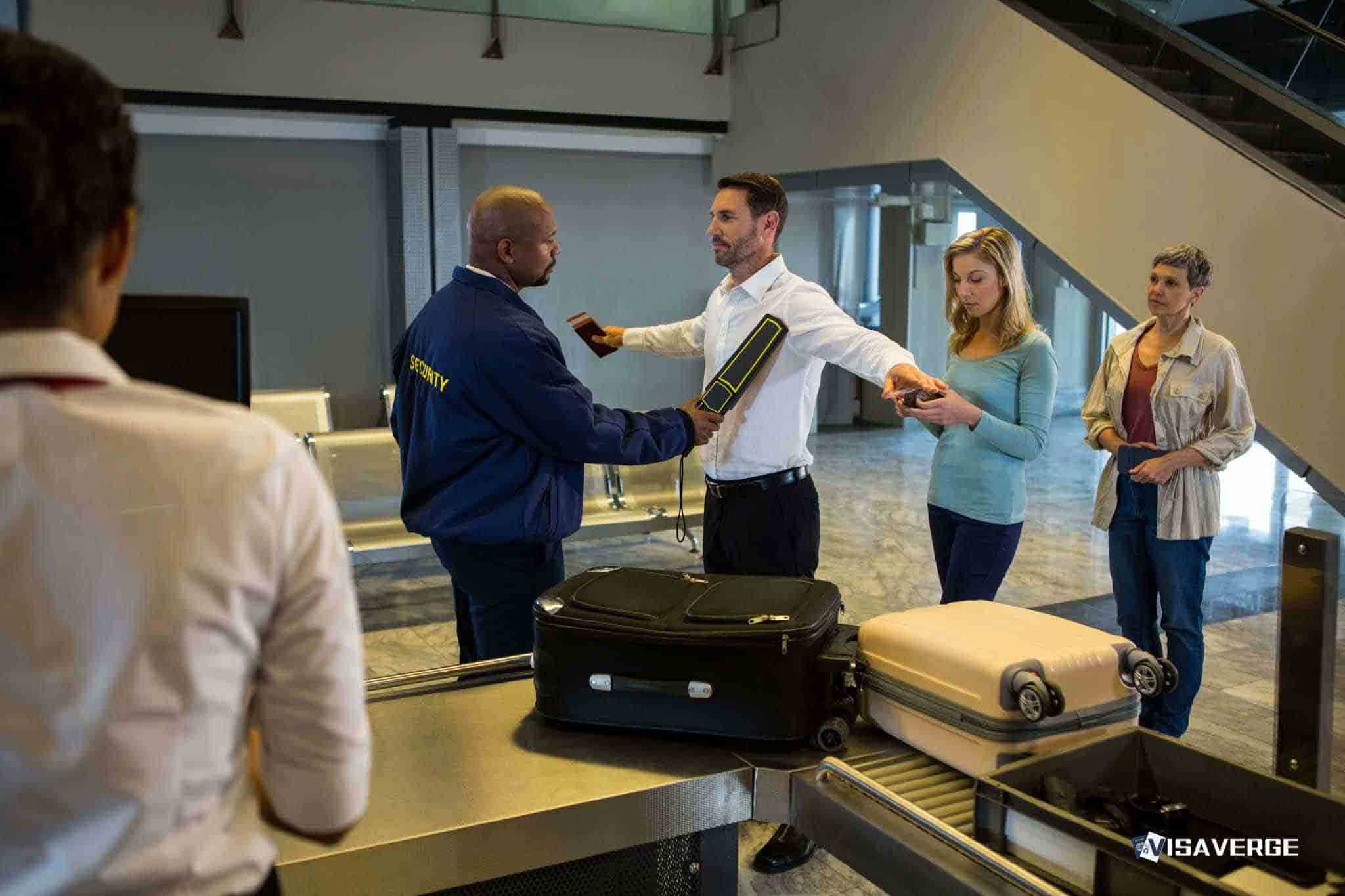
(UNITED STATES) — U.S. airlines are opposing the Trump administration’s plan to require smaller airports to use private security screening instead of Transportation Security Administration officers, setting up a fight over a budget proposal that the administration says would shrink the agency’s workforce and costs.
Airlines for America CEO Chris Sununu is scheduled to tell a U.S. House committee that keeping private screening as an option for airports, and not a mandatory program, is “paramount to the U.S. aviation industry.”

The White House proposal would require smaller airports to switch to private security screening. The administration says the change would cut the TSA payroll by more than 4,500 jobs.
President Trump’s budget proposal goes further, calling for cuts of more than 9,400 TSA workers and a reduction in the TSA annual budget of just over $1.5 billion. Those figures place the screening debate inside a broader push to reduce the agency’s size.
Private screening already exists at some U.S. airports under the TSA’s Screening Partnership Program (SPP). That program allows airports to contract with private companies while still operating under federal TSA standards.
That existing structure sits at the center of the industry’s argument. Airlines are not rejecting private screening outright; they are opposing a federal requirement that would force smaller airports to replace TSA operations with private contractors.
Sununu’s planned testimony draws that distinction directly. Airlines for America’s position is that private screening can work as an alternative, but should not become a required replacement for TSA screening at smaller airports.
The administration has framed the proposal as a way to reduce TSA payroll and budget. In that telling, shifting smaller airports to contractors would trim personnel costs while leaving screening in place.
Supporters of privatization say private operators could improve efficiency and technology. Critics warn that a wider move away from federal screeners could affect consistency and security oversight.
Those competing arguments are not about whether screening would continue. Under the current Screening Partnership Program (SPP), private screeners still work under TSA standards and federal oversight.
That distinction matters to the dispute in Washington. The program already gives airports a path to contract with private companies, but the airlines’ trade group is pushing back against turning that option into a mandate for smaller airports.
The numbers in President Trump’s budget proposal sharpen the stakes. A cut of more than 9,400 TSA workers and just over $1.5 billion from the agency’s annual budget would reach well beyond one operational change, even as the administration points to more than 4,500 jobs in payroll savings tied to the smaller-airport screening shift.
Industry opponents have cast the question in operational terms rather than ideological ones. Their argument is that private screening may be workable in some places, but a forced replacement for TSA operations at smaller airports would go too far.
That leaves lawmakers weighing two versions of the same program. One side sees private security screening as a broader tool for cutting payroll and shrinking the federal role at smaller airports; the other wants the same model left in place as an airport-by-airport choice under TSA oversight.
Sununu’s message to the House panel captures that divide in a single line: keeping private screening as an option for airports, and not a mandatory program, is “paramount to the U.S. aviation industry.”