- A former captain alleged whistleblower retaliation against United Airlines during a Denver hearing on May 19, 2026.
- The dispute involves a 2024 flight where a baseball coach entered the cockpit and sat in the pilot’s seat.
- The hearing examines if the pilot was fired for protected safety reporting or for the security breach itself.
(DENVER, COLORADO) — A former United Airlines captain began an AIR21 whistleblower retaliation hearing on May 19, 2026, alleging the airline fired her after she reported a cockpit security incident on a charter flight carrying the Colorado Rockies.
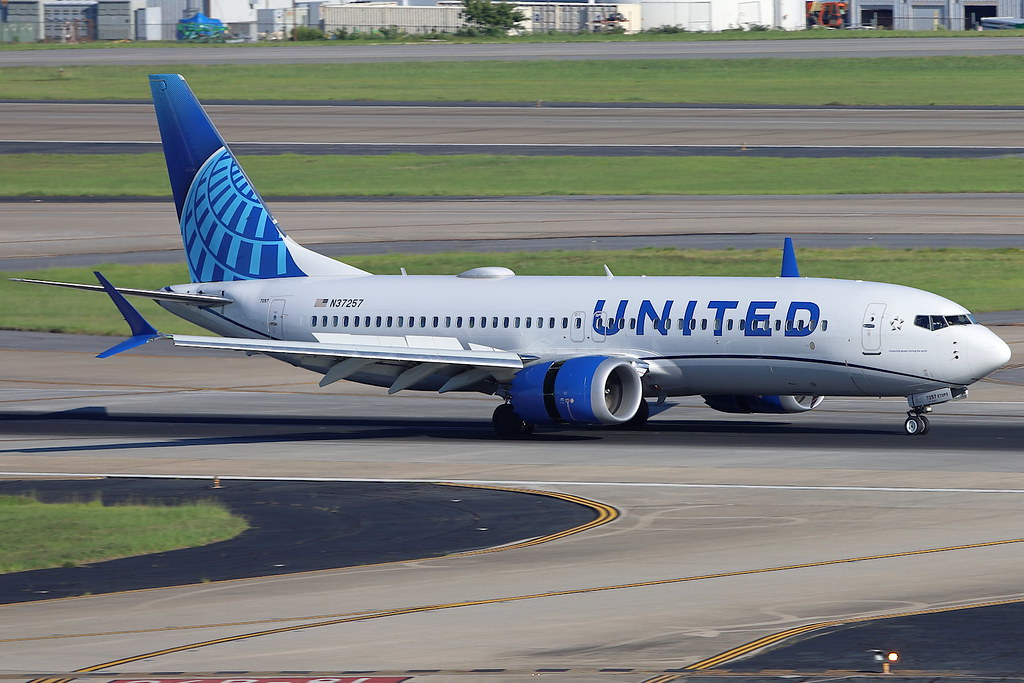
Cynthia Clifford’s case is being heard in Denver through May 21, 2026. She claims United Airlines terminated her for protected safety reporting after a April 10, 2024 flight from Denver to Toronto on a Boeing 757-300.
Free toolUSCIS Receipt Number Decoder
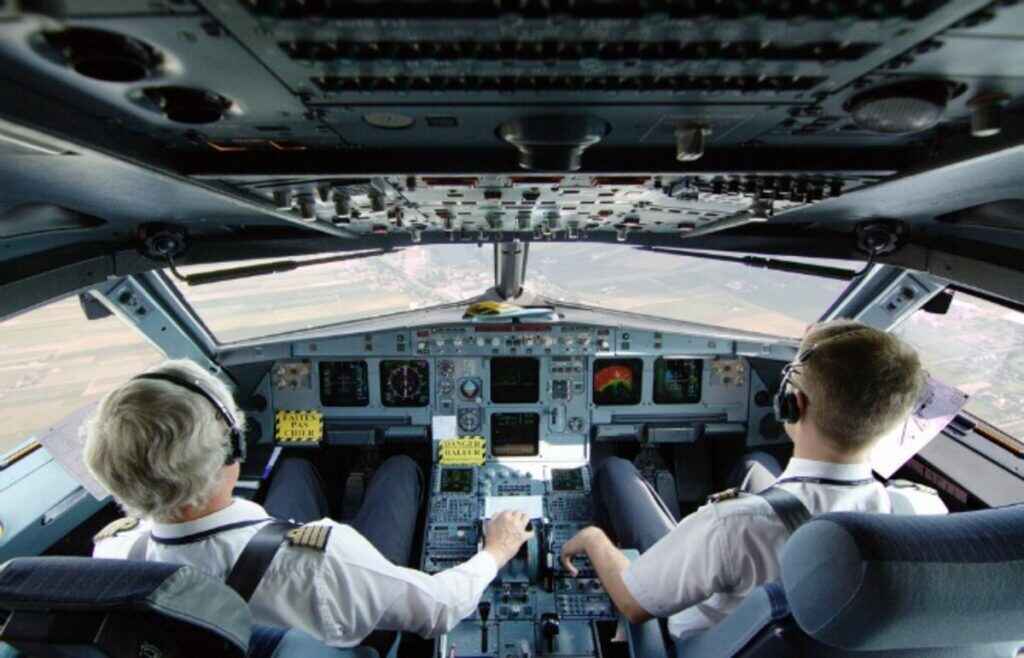
At issue is a video that showed Rockies hitting coach Hensley Meulens sitting in the captain’s seat while Clifford was away from the flight deck, reportedly in the lavatory. The video was posted to Instagram and later deleted.
United and the Federal Aviation Administration investigated the episode after the post surfaced. Both pilots were terminated.
| India | China | ROW | |
|---|---|---|---|
| EB-1 | Feb 01, 2023 ▲109d | Jul 01, 2023 | Current |
| EB-2 | Nov 01, 2013 | Oct 01, 2021 ▲30d | Jan 01, 2025 |
| EB-3 | Jan 01, 2014 | Jan 08, 2022 ▲7d | May 15, 2024 ▼109d |
| F-1 | Jan 22, 2020 | Jan 22, 2020 | Jan 22, 2020 |
| F-2A | Sep 22, 2026 ▲31d | Sep 22, 2026 ▲31d | Sep 22, 2026 ▲31d |
The dispute in Denver turns on two competing explanations for the firing. Clifford says United dismissed her because she reported a safety problem; the airline argues the crew failed to prevent a serious flight deck security breach.
That split places the hearing in a narrow but closely watched area of aviation law. AIR21 cases arise under the Wendell H. Ford Aviation Investment and Reform Act for the 21st Century, 49 U.S.C. § 42121, which protects employees who report safety concerns from retaliation.
Under that framework, a retaliation claim typically requires a worker to show protected safety reporting, employer knowledge, an adverse action, and a causal link between the report and the discipline. An employer can defend itself by arguing it would have taken the same action over the underlying conduct.
Clifford’s case centers on whether reporting the incident counted as protected activity and whether United acted because of that report or because of the breach itself. Reports tied to the dispute also indicate debate over whether United’s Flight Safety Action Program process was manipulated.
Another point raised around the case is whether United faced heightened FAA scrutiny at the time of the incident. That issue matters because the agency’s posture toward the airline could shape how both sides describe the stakes of the April 2024 flight.
The underlying flight was a charter from Denver (DEN) to Toronto (YYZ). Meulens, the Rockies’ hitting coach, appeared in the video from inside the cockpit while seated in the captain’s chair.
The episode touched a basic aviation rule set around access to the flight deck. Commercial cockpit controls and seating positions are tightly restricted, and the dispute now before the hearing officer turns on who allowed the access, who reported it, and whether the report itself triggered the firing.
United has framed the matter as a failure by the crew to stop an unauthorized person from taking the captain’s seat. Clifford has framed it as retaliation after she raised a safety issue through channels protected by federal law.
The first officer on the flight was also reportedly terminated. That fact could support United’s argument that the airline disciplined both crewmembers over the same incident rather than singling out Clifford for reporting it.
Clifford’s claim, however, focuses on her own role after the video surfaced and the way United handled the aftermath. AIR21 cases often turn on timing, internal reporting records, and whether the employer’s stated reason for discipline holds up against the sequence of events.
Because the hearing is administrative, the central questions are likely to be practical ones. Did Clifford engage in protected reporting, did United know about it, and did the airline fire her because of it or for an independent safety violation that would have led to the same result anyway.
The case also reaches beyond one charter flight because it tests how far federal whistleblower protections extend in a cockpit security dispute where the reporting pilot was also part of the crew on duty. Airlines rely on self-reporting systems to surface mistakes and risks, but they also enforce strict accountability rules when flight deck access is compromised.
That tension appears in the mention of the Flight Safety Action Program, a process carriers and regulators use to identify and address safety events. Reports tied to Clifford’s case indicate disagreement over whether that process was handled properly after the Rockies charter incident.
A hearing running from May 19–21, 2026 gives both sides a forum to build that record. Clifford can try to show United treated her as a scapegoat after she reported the breach; the airline can try to show it acted over the cockpit conduct itself.
The facts at the center of the dispute are not in doubt. On April 10, 2024, a Rockies coach was filmed in the captain’s seat of a United Airlines charter flight cockpit, the video reached Instagram, and investigators from United and the FAA followed.
What the Denver hearing must sort out is motive. In an AIR21 whistleblower case, that single question often decides whether a firing stands as discipline for a safety lapse or becomes retaliation for reporting one.