- The EU Entry/Exit System is now fully operational as of April 10, 2026, ending physical passport stamps.
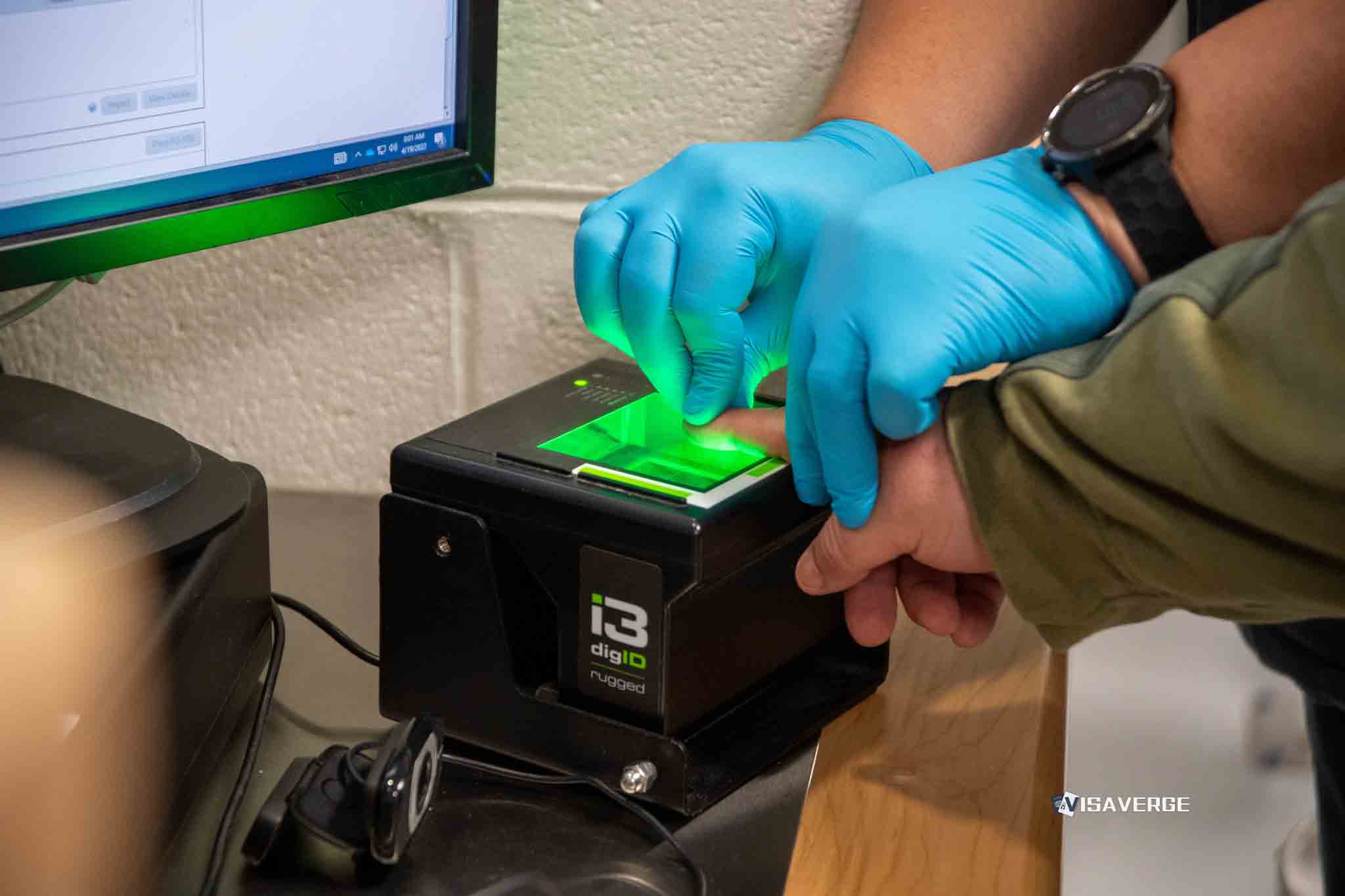
- The digital system collects biometric data including fingerprints and facial images for all short-term non-EU travelers.
- The ETIAS pre-travel authorization remains scheduled for launch during the final quarter of 2026.
(EUROPEAN UNION) – The European Commission confirmed that the Entry/Exit System is now fully operational, marking the end of passport stamping for covered short-term non-EU travelers crossing into and out of the Schengen area.
The Commission said the Entry/Exit System, or EES, reached full operation on 10 April 2026 after a phased introduction that began months earlier. The digital border system records personal and travel data for non-EU nationals staying short term in the Schengen area.
Free toolSchengen Short-Stay Visa Calculator
That data includes a traveler’s name, travel document data, fingerprints, facial images, date and place of entry and exit, and refusals of entry. The system aims to detect overstays and strengthen border security.
The same Commission update said ETIAS remains scheduled to begin in the last quarter of 2026. Once it starts, visa-exempt travelers heading to 30 European countries will need a valid ETIAS authorization before travel unless they already hold a visa or residence permit that exempts them.
Officials set the EES rollout on a staged track before the system went fully live. The Commission set 12 October 2025 as the start of the progressive rollout, then moved to full operation on 10 April 2026.
The sequence matters for travelers because the two systems serve different functions. EES now governs how border authorities record entries and exits for covered short-term non-EU visitors, while ETIAS will operate as a pre-travel authorization system for visa-exempt travelers once it launches later this year.
EES is the European Union’s digital border system for non-EU nationals staying short term in the Schengen area. Instead of relying on passport stamps, border checks now feed into a shared digital record managed at the EU level.
That record includes both biographic and biometric information. Authorities collect names and travel document details alongside fingerprints and facial images, then log the date and place of each entry and exit as well as any refusal of entry.
The move gives border authorities a digital way to verify whether a traveler has remained within permitted short-stay limits. It also gives them a system designed to identify overstays without depending on ink stamps that can be faint, missing or difficult to compare across borders.
Management of the Entry/Exit System falls to eu-LISA, the EU agency for large-scale IT systems in the area of freedom, security and justice. The agency sits at the center of the bloc’s effort to run cross-border digital infrastructure for migration and border management.
The Commission’s update did not present EES as a future project. It described the system as fully operational as of 10 April 2026, placing the focus now on day-to-day use at external borders rather than on the earlier question of when deployment would finish.
That changes the practical experience for many non-EU nationals who travel to the Schengen area for short stays. Border checks for those covered travelers now rely on digital registration through EES rather than a passport stamp placed by an officer.
ETIAS remains on a separate timetable. The official EU travel site says the system will start operations in the last quarter of 2026, and UK government guidance places the expected start from Autumn 2026.
Both references point to the same broad launch window late this year. The Commission update kept that schedule in place rather than moving ETIAS forward or announcing a different date.
ETIAS will apply to visa-exempt travelers heading to 30 European countries. It is a pre-travel authorization, which means the requirement will arise before departure rather than at the border crossing itself.
That distinction sets ETIAS apart from EES. One system records entry and exit information at the border for covered short-term non-EU nationals; the other will require visa-exempt travelers to secure authorization before starting their trip.
Travelers who already hold a visa or residence permit that exempts them will not face the same ETIAS requirement once the system launches. The Commission update framed those existing documents as the relevant exemptions to the pre-travel authorization rule.
The standard ETIAS fee will be 20 Euro for most applicants when the system begins. The Commission update presented that amount as the ordinary charge tied to the authorization process.
Late-2026 planning now hinges on those two realities. EES is already in force and has changed border processing for covered travelers, while ETIAS still sits ahead as the next operational shift for visa-exempt visitors.
The timing also clarifies the policy sequence the European Union has followed. Officials first introduced a progressive start of operations for EES, beginning on 12 October 2025, before bringing the system to full operation on 10 April 2026.
That staggered approach gave the bloc a path from partial deployment to full implementation rather than a single overnight change. By the Commission’s latest account, that process has now concluded for EES.
ETIAS has not yet crossed that line. The system remains scheduled for the last quarter of 2026, leaving a gap between the full digitalization of entry and exit recording under EES and the start of advance screening for visa-exempt travelers under ETIAS.
For border authorities, the Entry/Exit System shifts the operational burden from a physical stamp to a digital file tied to the traveler’s identity and movement. For travelers, it means that entry and exit records now live in a system that captures biometric and travel-document information as part of routine checks.
The data fields listed by the Commission show how broad that record is. Name and travel document data establish identity, fingerprints and facial images provide biometric verification, and the date and place of entry and exit create the travel history needed to track lawful short stays.
Refusals of entry also form part of the same digital architecture. That means EES does not only record successful crossings; it also stores border decisions when entry is denied.
The Schengen area has long depended on common rules paired with national border enforcement. Systems such as EES and ETIAS push more of that work into shared digital infrastructure, with eu-LISA managing the technical backbone for EES.
That management role puts eu-LISA in charge of one of the bloc’s most visible border databases at a moment when implementation has moved from preparation to routine use. The agency’s remit, as described by the Commission, covers large-scale IT systems in the area of freedom, security and justice.
Travelers heading to Europe in the coming months face a split picture rather than a single new rule. Short-term non-EU nationals covered by EES already encounter digital border registration, while visa-exempt travelers waiting on ETIAS still have time before the pre-travel authorization becomes mandatory.
Once ETIAS launches, that will change. A valid ETIAS authorization will be required for visa-exempt travelers unless they already hold a visa or residence permit that exempts them.
Until then, the Commission’s update places the immediate operational change on EES. As of 10 April 2026, the European Union’s Entry/Exit System is live across the Schengen framework, replacing passport stamping for covered travelers and opening the final stretch before ETIAS arrives later in 2026.