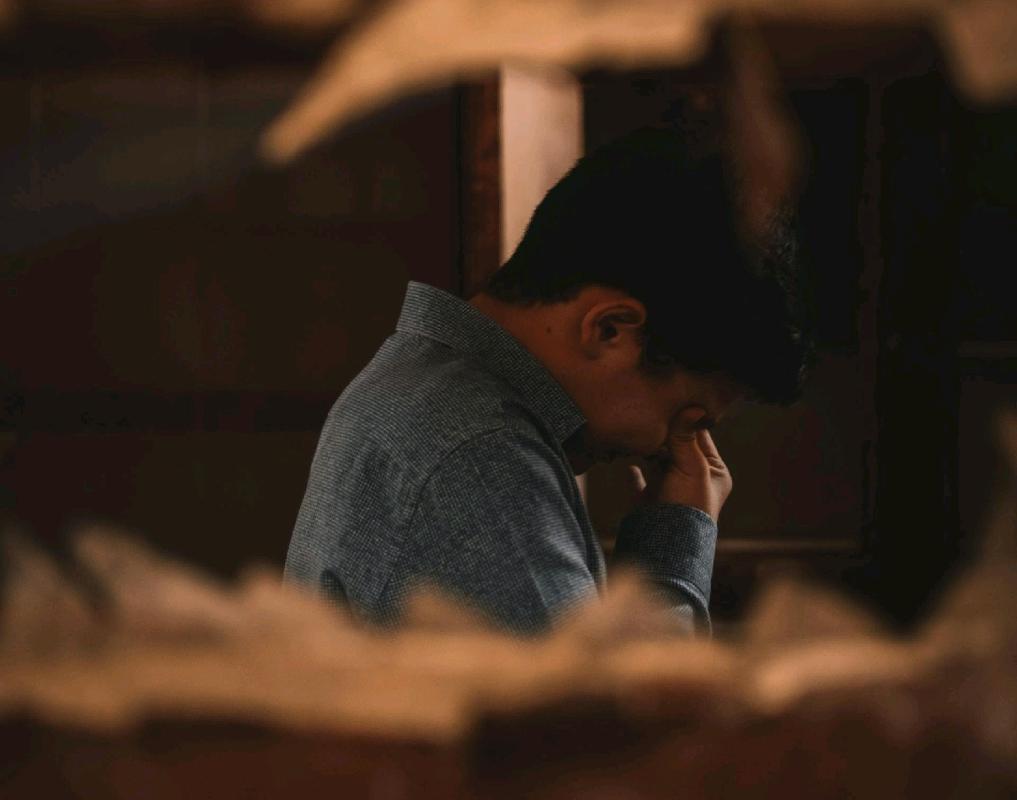
- Massive visa shortages leave 210,000 Indian students without interview slots for the Fall 2026 semester.
- Stricter US policies target OPT fraud and duration of status, complicating the overall student visa environment.
- Staffing cuts and exchange rate hikes have increased costs and wait times for all Indian applicants.
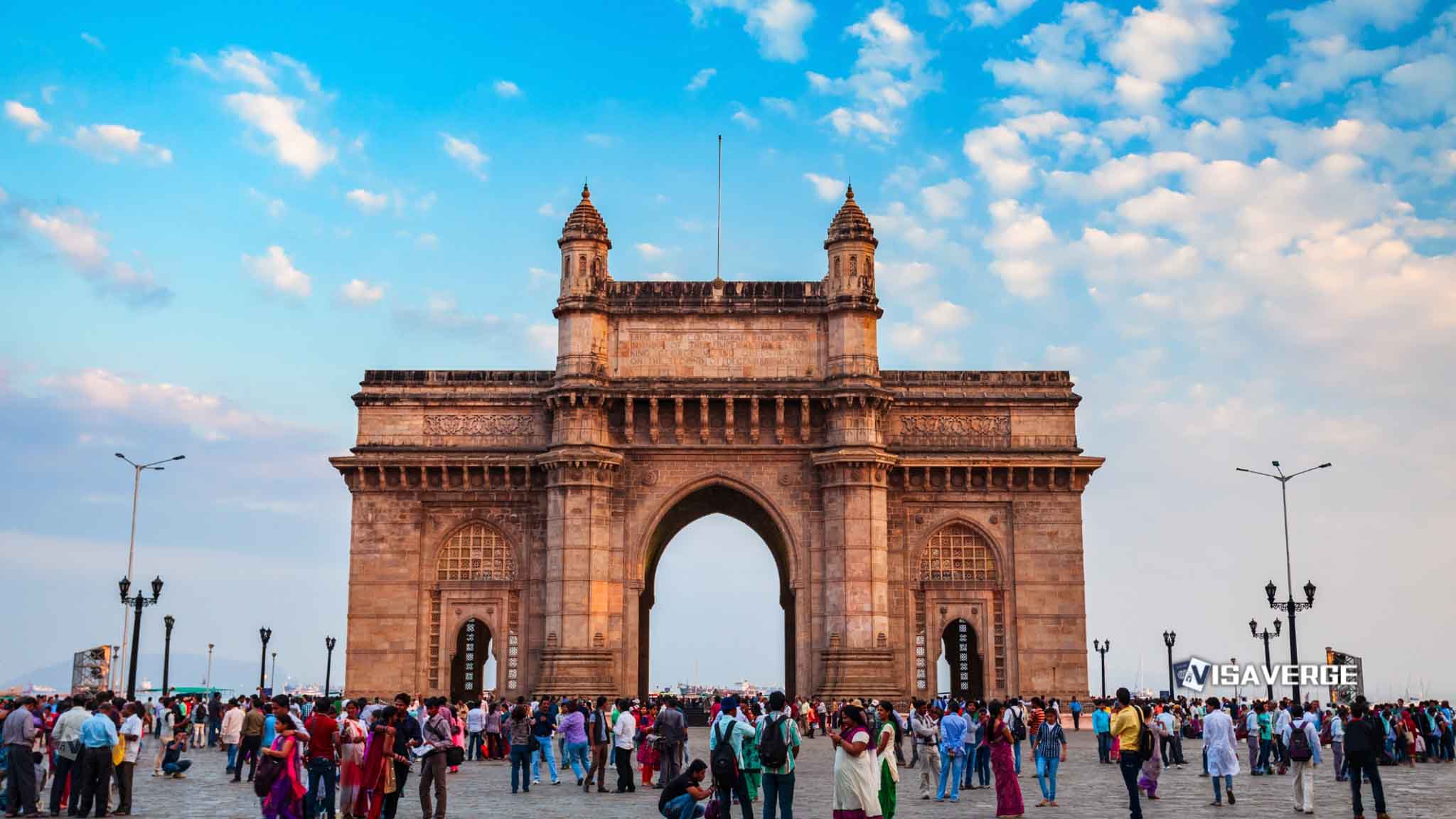
(INDIA) — U.S. visa appointment batches released in India on May 15, 2026, and May 18, 2026, vanished within minutes, leaving roughly 210,000 students without interview dates as the race for Fall 2026 F-1 visa access intensified.
More than 300,000 Indian applicants are competing for about 90,000 remaining slots, according to the figures in the current assessment of the market, creating a bottleneck for Indian students trying to reach U.S. campuses in time for August start dates.
Free toolOPT Timeline Calculator Online
Demand has surged in mid-May, when students typically try to lock in interview dates for June and July before universities begin orientation and enrollment checks. The pressure has turned each release of appointment slots into a scramble measured in minutes.
U.S. immigration and enforcement officials have added to the strain with a harder public line on student pathways. In a May 12, 2026 briefing on an Optional Practical Training fraud probe, Acting ICE Director Todd Lyons said, “Today we are announcing that we have identified over 10,000 foreign students who claim to be working for highly suspect employers. And that’s just among the top 25 OPT employers. The OPT program has become a magnet for fraud. Our nation will not tolerate security threats originating from the foreign student program.”
Days earlier, on May 5, 2026, the Department of Homeland Security submitted a final rule to the Office of Management and Budget that would eliminate Duration of Status, or D/S. The department said the rule would “Replace admissions for [duration of status] with admissions for a fixed time period of authorized stay. [to] provide additional protections and oversight. and allow DHS to better evaluate whether these nonimmigrants are maintaining status.”
A separate cost change hit applicants on April 1, 2026, when the U.S. Mission in India changed the consular exchange rate from 94 to 96 Indian Rupees per 1 USD. That revision affects Machine Readable Visa, or MRV, fees paid by all applicants.
Consulates in New Delhi, Mumbai, Chennai, Hyderabad and Kolkata have moved to a drop-feed system, releasing small and unpredictable blocks of interviews instead of opening large seasonal batches. The approach aims to keep the booking portal running under heavy traffic, but it has also made the process harder to anticipate for students watching the system around the clock.
Automated controls on the usvisascheduling.com portal now trigger lockouts lasting 24- to 72-hour periods when users refresh too often or switch locations repeatedly. That has raised the cost of trial and error for applicants who search across multiple cities in hopes of catching an opening.
Another change arrived in December 2025, when new vetting rules required F, M and J visa applicants to make social media accounts public for screening. The requirement has added to processing and background check cycles across all five posts in India.
Presidential Proclamation 10998, which took effect on January 1, 2026, tightened screening for certain foreign nationals. India is not on the full suspension list, but the screening environment has become more exacting across student categories.
India remains the largest source of international students in the United States, which has amplified the impact of the current shortage. The pressure now reflects three forces hitting at once: unusually high demand, stricter enforcement, and staffing limits inside the U.S. Mission in India.
Current estimates put the pool of Indian students seeking U.S. education in 2026 at more than 360,000. At the same time, the mission reportedly cut its seasonal workforce by nearly 40% in early 2026 because of “ceiling constraints,” reducing the number of interviews officers can conduct each day.
That combination has turned timing into a high-stakes problem for students admitted to programs beginning in August 2026. Missing an interview window can mean arriving late, deferring admission, or losing the chance to enroll this term.
Some universities have already urged students to take whatever interviews they can get. Arizona State University and SUNY have advised students to book any available slot, even one that falls after orientation, so they can keep Student and Exchange Visitor Information System, or SEVIS, records active while they look for a faster path.
The shortage has also created a small cash economy around access. Demand for premium concierge services from third-party agents has risen by about 30%, and fees of more than ₹50,000 have become common as students and families pay for monitoring, booking attempts or rescheduling help.
That has increased exposure to scams. Students who fail to secure interview dates through the official portal often turn to intermediaries promising quicker access, while others book placeholder dates in 2027 simply to stay inside the system and preserve eligibility for emergency or expedited requests.
Official information on the process remains scattered across several U.S. government sites, including the U.S. Embassy & Consulates in India, the U.S. Department of State – Bureau of Consular Affairs, CBP information on Proclamation 10998, and the DHS newsroom. Those portals now sit at the center of a visa season in which minutes can determine whether a student reaches campus before classes begin.