- Beijing has implemented heightened security and travel restrictions for Vladimir Putin’s official state visit.
- The visit marks the 25th anniversary of the treaty of cooperation between China and Russia.
- Travelers should expect significant traffic delays and checkpoints around government and diplomatic districts.
(BEIJING, CHINA) — Beijing issued security and travel advisories ahead of Russian President Vladimir Putin’s official visit to China on May 19–20, 2026, warning residents and travelers to expect tighter controls around parts of the capital during meetings with President Xi Jinping and Premier Li Qiang.
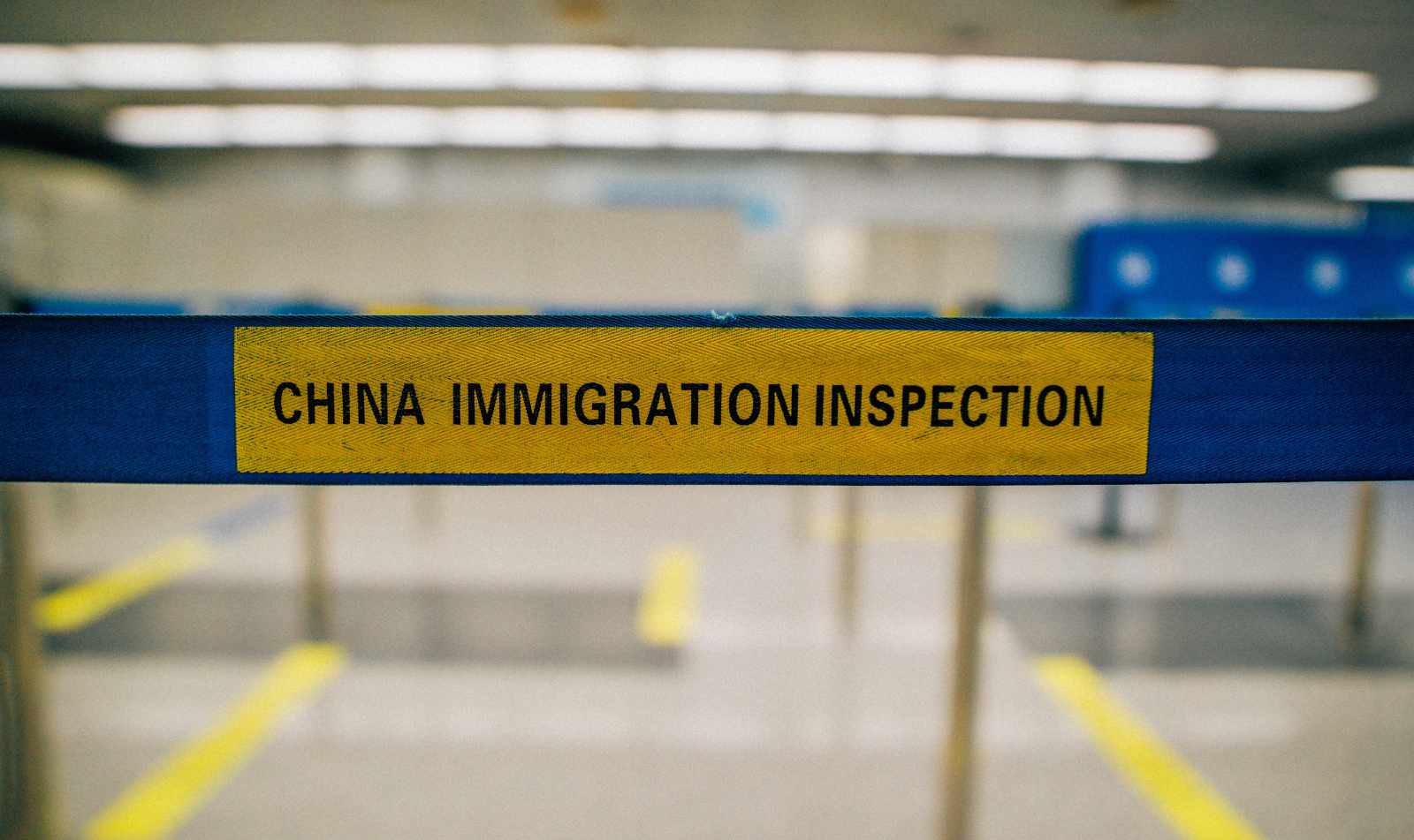
China’s Foreign Ministry and local authorities said Beijing would see heightened security around government districts and major venues, along with tighter traffic controls, possible road closures and increased police presence during the visit.
Free toolB1/B2 Tourist Visa Stay Calculator online
The Kremlin confirmed that Putin’s trip is an official visit to the People’s Republic of China at the invitation of President Xi Jinping. The visit centers on talks in Beijing with Xi and a scheduled meeting with Premier Li Qiang on trade and broader bilateral cooperation.
Authorities tied the visit to the 25th anniversary of the 2001 Treaty of Good-Neighborliness, Friendship and Cooperation, a document that remains a central reference point in relations between Beijing and Moscow. That anniversary gives the trip ceremonial weight alongside its policy agenda.
Travel in the city faces the most immediate effect. Officials warned of delays near central government and diplomatic areas, where motorcades, security perimeters and temporary traffic restrictions often slow movement with little notice.
Residents and visitors were told to carry a passport or other identification at all times. The advisory also urged travelers to allow extra time for airport transfers and other road journeys as police tighten access near sensitive locations.
Hotels and airlines may issue route or schedule updates during the visit, authorities said, reflecting the possibility that road closures and traffic management steps could ripple beyond the immediate meeting zones. Local police and transport authorities will direct traffic around affected areas.
The timing places Beijing’s diplomatic choreography and day-to-day urban management on the same track. High-level state visits in the Chinese capital routinely bring visible layers of security, but this trip arrives with an anniversary linked directly to the modern framework of China-Russia ties.
Putin’s meetings with Xi and Li are expected to focus on trade and wider bilateral cooperation, according to the official outline of the visit. Beijing framed the trip as both a state occasion and a working set of discussions on the relationship’s next phase.
That combination of ceremony and logistics has shaped the city’s message before Putin’s arrival. The advisory did not present the measures as exceptional in tone, but it made clear that central districts and major venues would operate under tighter controls across May 19–20.
Traffic disruption in Beijing can spread quickly from a few controlled arteries to larger stretches of the road network, especially when restrictions touch routes linking the airport, diplomatic compounds and government compounds. Travelers heading to or from those corridors face the greatest risk of delay.
Central government zones and diplomatic neighborhoods typically draw the heaviest security concentration during visits of this level. In practice, that means slower vehicle checks, heavier police visibility and less flexibility for taxis, private cars and buses moving through restricted segments.
Airport transfers often become an early pinch point because convoys and temporary controls can alter normal road patterns even outside the direct meeting area. Travelers with flights during the visit were advised to build in extra time rather than rely on ordinary transit windows.
The same caution applies to intra-city travel. A route that normally runs on schedule can shift quickly once police redirect traffic around official movements or major venues hosting meetings and ceremonies tied to the visit.
Identification checks form another visible part of such security operations, and the advisory’s instruction to carry passport or ID at all times points to that practical reality. International visitors, business travelers and domestic tourists moving through central areas may encounter spot checks or access controls near transport nodes and secured blocks.
Beijing also signaled that travelers should watch hotel and airline notifications for operational changes. Those alerts may become the first notice of altered pickup points, delayed transfers or route adjustments if security conditions change during the day.
Putin’s trip comes at a moment when Beijing and Moscow continue to present their relationship through both political symbolism and concrete economic discussion. The anniversary of the Treaty of Good-Neighborliness, Friendship and Cooperation gives officials a ready frame for that message, while the meetings with Xi and Li put trade and bilateral cooperation at the center of the public agenda.
The capital’s preparations show how quickly foreign policy events can shape ordinary movement inside one of the world’s largest cities. During Vladimir Putin’s May 19–20, 2026 visit, the most immediate consequences in Beijing are likely to be felt not only in meeting rooms, but on roads, at checkpoints and along the daily routes of travelers trying to move through the city.