- The EU Council restored standard visa treatment for Ethiopian nationals on May 18, 2026.
- Processing times dropped to 15 days from the previous 45-day restrictive period.
- The decision follows substantial improvements in cooperation regarding the return of nationals from Europe.
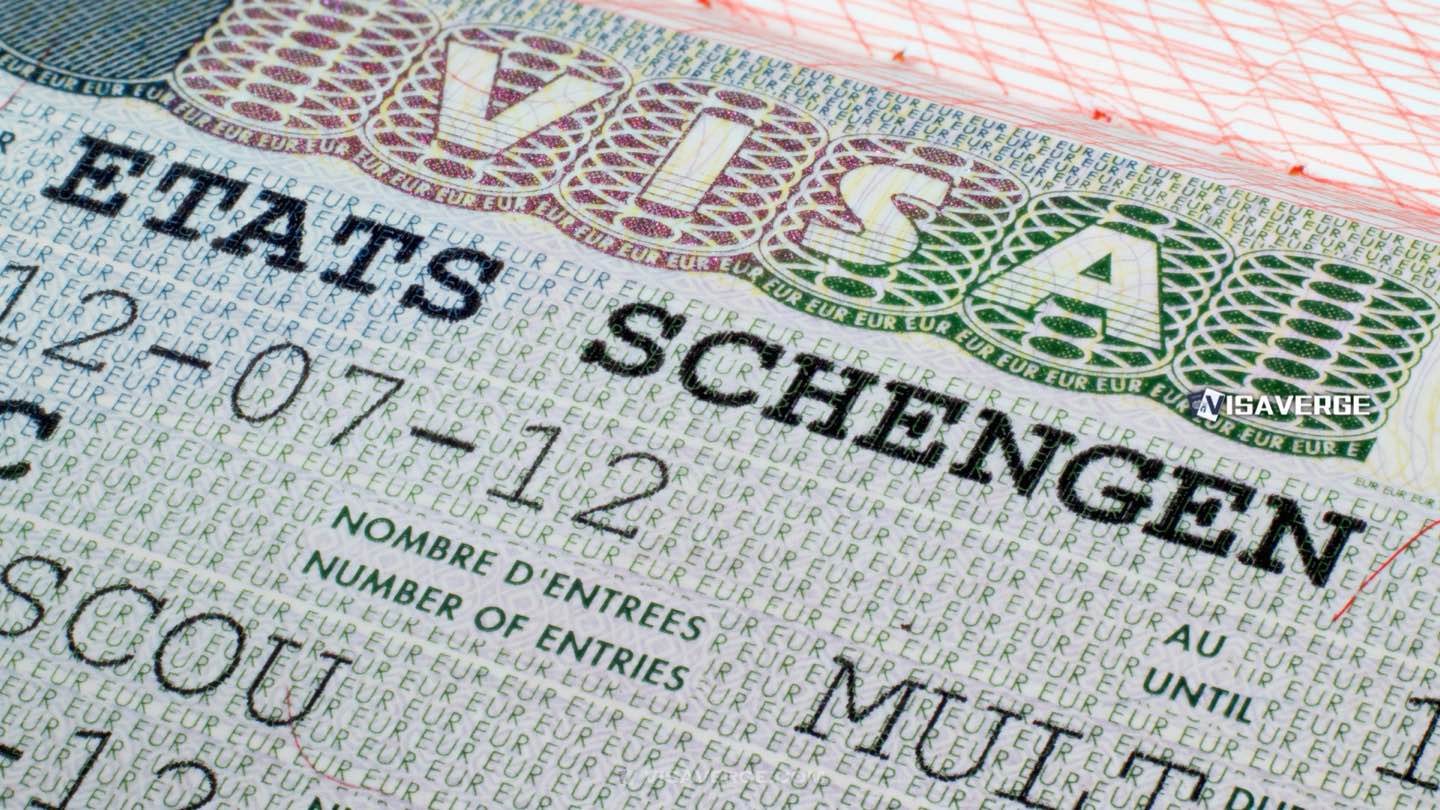
(ETHIOPIA) — The Council of the European Union ended temporary visa restrictions on Ethiopian nationals on 18 May 2026, restoring standard Schengen visa treatment after the bloc said Ethiopia had improved cooperation on taking back its nationals ordered to leave Europe.
The decision was published on 19 May 2026. It reverses measures the European Union imposed in 2024 under Article 25a of the EU Visa Code, a provision the bloc used after judging Ethiopia’s cooperation on readmission to be insufficient.
Free toolSchengen Short-Stay Visa Calculator
Ethiopian applicants now return to the normal rules under the EU Visa Code. That includes the standard 15-calendar-day visa processing period instead of the 45 days applied under the restrictions, along with the return of possible waivers for some supporting documents, the resumption of multiple-entry visas where appropriate, and renewed fee exemptions for holders of diplomatic and service passports.
The Council said it lifted the measures after seeing “substantial improvements” in Ethiopia’s cooperation on readmission. It cited better issuance of emergency travel documents and acceptance of chartered return flights for Ethiopian nationals with no legal right to remain in Europe.
| India | China | ROW | |
|---|---|---|---|
| EB-1 | Feb 01, 2023 ▲109d | Jul 01, 2023 | Current |
| EB-2 | Nov 01, 2013 | Oct 01, 2021 ▲30d | Jan 01, 2025 |
| EB-3 | Jan 01, 2014 | Jan 08, 2022 ▲7d | May 15, 2024 ▼109d |
| F-1 | Jan 22, 2020 | Jan 22, 2020 | Jan 22, 2020 |
| F-2A | Sep 22, 2026 ▲31d | Sep 22, 2026 ▲31d | Sep 22, 2026 ▲31d |
EU member states adopted the measure in the Council, acting under the bloc’s common visa rules. In practical terms, Ethiopians applying for Schengen visas again fall under the ordinary framework that applies across the system, rather than the tightened regime imposed two years ago.
That change affects both timing and paperwork. Under the restored rules, authorities can again waive some supporting-document requirements in cases where the code allows it, while consulates can issue multiple-entry visas instead of limiting applicants to single-entry visas.
The fee treatment also changes. Holders of diplomatic and service passports regain the exemption from visa fees that the EU had suspended under the restrictions.
The earlier tightening began on 29 April 2024. Those restrictions applied to applications lodged from 1 June 2024 and narrowed access in several ways at once.
Under that regime, consulates could not relax document checks, visa processing stretched to 45 calendar days, and applicants could receive only single-entry visas. Fee waivers for diplomatic and service passport holders also ended.
The EU had linked those steps directly to readmission cooperation. Article 25a of the EU Visa Code allows the bloc to adjust visa handling for a country when cooperation on taking back nationals ordered to leave the European Union falls short.
Ethiopia’s case now moves in the opposite direction. By ending the temporary restrictions, the Council signaled that the conditions that triggered the 2024 measures no longer justified keeping Ethiopian applicants under tougher processing rules.
For Ethiopian nationals seeking Schengen visas, the return to the standard code brings a shorter decision timeline on paper. A 15-calendar-day process replaces the 45-calendar-day period that applied during the restrictions, a gap that can shape travel planning for business, official visits, and family travel.
Documentation rules also become less burdensome than they were after 1 June 2024. During the restricted period, the possibility of lighter document checks disappeared; under the restored framework, consulates again have room to waive some supporting-document requirements where the rules permit.
Visa validity matters as well. The return of multiple-entry visas, where otherwise appropriate, means eligible applicants are no longer confined to single-entry travel under the special restrictions adopted in 2024.
That has direct value for travelers who make repeated trips to the Schengen area, as well as for officials carrying diplomatic and service passports. Those passport holders also regain the fee exemption the EU withdrew when it tightened the rules.
The legal actor in this case was the Council of the European Union, not an individual member state acting alone. The decision was adopted by the member states in the Council and applies through the bloc’s shared visa system, which sets common Schengen visa rules across participating countries.
The chronology is tight. The EU first tightened the visa regime on 29 April 2024; the measures took effect for applications lodged from 1 June 2024; the Council ended them on 18 May 2026; and the decision appeared publicly on 19 May 2026.
That sequence reflects the way the EU uses visa policy as part of migration management. The restrictions were imposed because Ethiopia was judged not to be cooperating enough on readmission, and they were removed after the Council concluded that cooperation had improved, specifically on emergency travel documents and chartered return flights.
Schengen visa applicants from Ethiopia now return to the same baseline legal framework that existed before the 2024 measures. In day-to-day terms, that means faster standard processing, fewer documentary obstacles in cases where waivers apply, broader access to multiple-entry visas, and restored fee relief for diplomatic and service passports.
The Council’s action closes a two-year period in which Ethiopian nationals faced a stricter visa regime than the normal one set out in the EU Visa Code. As of 18 May 2026, those temporary restrictions are no longer in force.