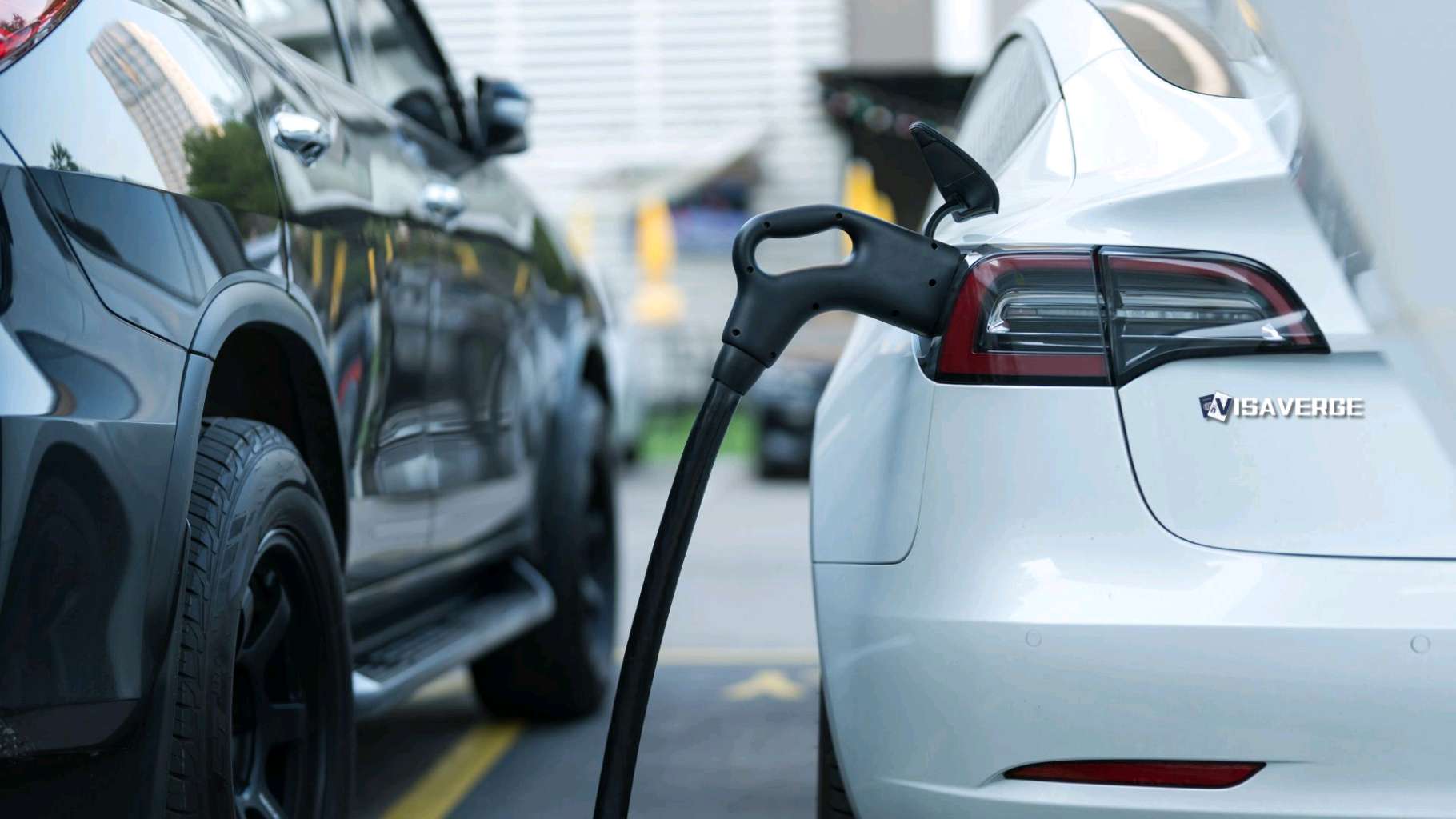
- Rep. Sam Graves proposed a new federal annual vehicle tax to address the Highway Trust Fund shortfall.
- The plan targets all-electric vehicles with $200 and hybrids with $100 annual fees.
- Standard passenger vehicles would face a $20 yearly charge under the 2026 House proposal.
(UNITED STATES) — Rep. Sam Graves, chair of the House Transportation and Infrastructure Committee, released a House transportation bill on April 29, 2026, proposing new federal annual vehicle taxes that would charge $200 on all-electric vehicles, $100 on hybrid vehicles and $20 on all other passenger vehicles.
The proposal would impose recurring annual charges on registered vehicles as part of a broader transportation reauthorization bill. Graves released it with the stated aim of helping address the Highway Trust Fund shortfall.
Free toolSubstantial Presence Test Calculator
Under the bill, the new charges would apply each year and would not be tied to either mileage or vehicle weight. The House proposal is estimated to cover 34 percent of the Highway Trust Fund shortfall.
That structure sets the plan apart from road-use systems built around how far a vehicle travels or how much wear it places on roads. Instead, the bill would apply flat annual taxes by vehicle category, with all-electric vehicles facing the highest charge and other passenger vehicles the lowest.
Graves, a Missouri Republican, released the measure through the House Transportation and Infrastructure Committee as lawmakers work on a long-term surface transportation package. The vehicle tax proposal sits inside that broader effort rather than standing alone.
The draft laid out three tiers. Owners of all-electric vehicles would pay $200 each year, hybrid vehicle owners would pay $100, and owners of all other passenger vehicles would pay $20.
Those charges would recur annually on registered vehicles, creating a national fee structure that reaches across the passenger vehicle market. The plan does not sort vehicles by how much they are driven, and it does not adjust for weight.
Critics say that approach would penalize low-emission vehicles while also raising costs more broadly for drivers. Their objection turns on the rate design itself: vehicles that avoid gasoline would face the largest annual federal fee, while the bill would also add a new yearly charge to the rest of the passenger fleet.
A separate version of the idea discussed in transportation coverage uses lower starting rates for electrified vehicles but builds in automatic increases over time. That version would charge $130 a year for fully electric vehicles and $35 for plug-in hybrids.
It would then raise both fees by $5 each year until the electric-vehicle charge reached $150 and the plug-in hybrid charge reached $50. That alternative differs from the House draft not only in the opening amounts but also in how it escalates them.
The contrast between the two versions highlights the core policy choice in front of lawmakers: whether to impose a flat annual federal charge immediately at the levels in Graves’ bill or to start lower for some vehicle classes and phase increases in over time. Both approaches focus on annual registration-based fees rather than mileage-based collection.
Charging registered vehicles on a yearly basis gives lawmakers a straightforward collection method, but it also means the fee would not change with actual road use. A driver who uses an all-electric vehicle sparingly would face the same annual federal charge as one who drives it heavily, and the same flat-fee logic would apply across the other categories in the bill.
The proposal also puts a national price point on passenger vehicles outside the electric and hybrid market. Owners of all other passenger vehicles would pay $20 each year under the House draft, extending the tax beyond the categories that often dominate debate over all-electric vehicles and hybrids.
That broad reach matters to the revenue math laid out in the proposal. Even with annual charges on all-electric vehicles, hybrid vehicles and all other passenger vehicles, the House Transportation and Infrastructure Committee proposal would cover 34 percent of the Highway Trust Fund shortfall, leaving most of the gap unresolved.
The bill therefore presents the vehicle taxes as a partial financing tool, not a full answer to the trust fund’s finances. Lawmakers would still face the remaining share of the shortfall even if the annual charges took effect as written.
Within the transportation debate, the bill adds another pressure point around the treatment of low-emission vehicles. Critics argue the proposed rates would hit those vehicles hardest, while the design also spreads new yearly costs across drivers more generally through the $20 charge on other passenger vehicles.
Graves’ proposal places that fight squarely inside a reauthorization measure that will draw scrutiny well beyond vehicle taxes alone. Yet the annual fee schedule is one of the clearest elements in the draft: $200 for all-electric vehicles, $100 for hybrids and $20 for all other passenger vehicles, assessed every year on registered vehicles to help shore up the Highway Trust Fund.